

More than half of American adults are curious about how cannabis potency could affect their wellness routines. With so many product choices and varying levels of THC, CBD, and emerging cannabinoids, the discussion around strength and safety is more pressing than ever. This article breaks down what potency truly means, uncovers how different compounds interact, and equips you to make confident decisions for your personal wellness goals.
Table of Contents
- Defining Cannabis Potency And Its Impact
- Understanding THC, CBD, And CBG Levels
- How Potency Is Tested And Labeled
- Legal Limits And State Regulations
- Risks, Safety, And Choosing The Right Potency
Key Takeaways
| Point | Details |
|---|---|
| Cannabis Potency Defined | Cannabis potency reflects the concentration of active compounds like THC and CBD, influencing both strength and wellness effects. |
| Interaction and Entourage Effect | Potency encompasses not just cannabinoid levels but also their interactions, leading to a synergistic “entourage effect” that impacts therapeutic outcomes. |
| Importance of Testing and Labeling | Accurate testing through advanced methods is crucial for consumers, ensuring they understand cannabinoid content and making informed decisions. |
| Personal Tolerance Considerations | Individual tolerance varies, making it essential for consumers to start with lower potency options and adjust according to their experiences and wellness goals. |
Defining Cannabis Potency and Its Impact
Cannabis potency represents the concentration of active compounds, primarily THC and CBD, that determine the strength and potential effects of cannabis products. Understanding potency goes beyond a simple numerical measurement—it involves comprehending how different cannabinoids interact and influence your wellness experience.
Researchers have discovered that potency is not just about total cannabinoid content, but about the complex interactions between cannabis constituents. Each strain contains a unique profile of cannabinoids that contribute to what scientists call the “entourage effect”—where multiple compounds work synergistically to produce nuanced therapeutic outcomes.
The impact of cannabis potency on wellness choices can be profound. Different potency levels can produce dramatically different experiences—from mild relaxation to intense psychoactive effects. Key factors influencing potency include:
- Cannabinoid concentration (THC/CBD percentages)
- Terpene profile
- Cultivation and extraction methods
- Individual metabolic differences
Most wellness-focused consumers seek balanced potency levels that provide therapeutic benefits without overwhelming psychoactive effects. By understanding how various cannabinoids interact, individuals can make more informed decisions about their cannabis consumption, selecting products that align with their specific wellness goals and personal tolerance levels.
Understanding THC, CBD, and CBG Levels
Navigating the world of cannabis compounds requires understanding the unique roles of THC, CBD, and CBG—three key cannabinoids that define a product’s potential effects and therapeutic value. Medical marijuana research reveals these compounds interact differently with our body’s endocannabinoid system, creating diverse wellness experiences.
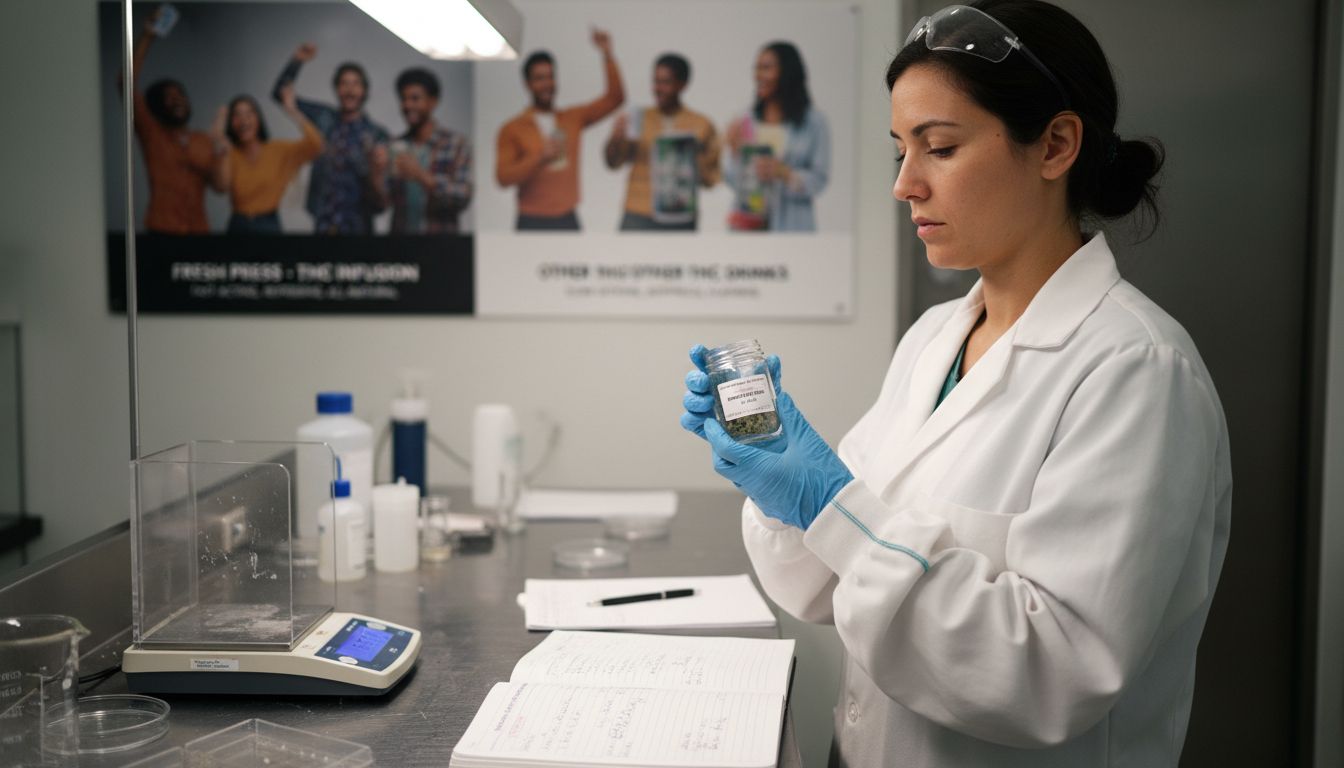
THC (tetrahydrocannabinol) is the primary psychoactive compound responsible for the “high” associated with cannabis. Its concentration directly influences the intensity of psychological effects. CBD (cannabidiol), by contrast, offers non-intoxicating therapeutic benefits like anxiety reduction and pain management. Minor cannabinoids like CBG are emerging as powerful wellness allies, potentially offering anti-inflammatory and neuroprotective properties.
Consumers seeking specific outcomes should pay close attention to cannabinoid ratios. Different levels produce markedly different experiences:
- High THC (15-30%): Intense psychoactive effects
- Balanced THC:CBD (1:1 ratio): Moderate psychological impact with enhanced therapeutic potential
- High CBD (10-20%): Minimal psychoactive effects, maximum wellness benefits
- CBG-rich strains: Potential neurological and inflammatory support
Understanding these compounds empowers individuals to make informed wellness choices, selecting cannabis products that align precisely with their health goals and personal comfort levels.

How Potency Is Tested and Labeled
Cannabis potency testing involves sophisticated scientific methodologies that ensure consumers receive accurate information about their products. Comprehensive cannabinoid content analysis requires advanced laboratory techniques like high-performance liquid chromatography (HPLC), which precisely measures the concentration of active compounds such as THC, CBD, and CBG.
Professional testing laboratories follow strict protocols to determine potency. They extract small samples from cannabis products and analyze them using calibrated scientific instruments that can detect even minute variations in cannabinoid levels. Potency analysis in medical marijuana programs typically requires products to undergo rigorous testing to verify their chemical composition and ensure consumer safety.
Labeling standards for cannabis products typically include critical information:
- Total THC content
- Total CBD content
- Cannabinoid percentages
- Batch or lot number
- Testing laboratory identifier
- Recommended serving size
- Date of analysis
Consumers should look for transparent labeling that provides comprehensive details about the product’s cannabinoid profile. Third-party lab testing represents the gold standard, offering an unbiased assessment of a product’s potency and chemical makeup, ultimately empowering individuals to make informed wellness choices.
Legal Limits and State Regulations
The landscape of cannabis regulation is complex and continually evolving, with each state establishing unique legal limits for cannabis potency and consumption. Chemometric analysis of cannabinoids reveals the intricate scientific considerations that underpin these regulatory frameworks, demonstrating how legal standards are grounded in detailed chemical understanding.
State regulations typically focus on several key aspects of cannabis products, including maximum THC concentrations, permissible serving sizes, and packaging requirements. THC drink options vary significantly depending on local legislation, with some states permitting higher potency levels while others maintain strict restrictions.
Critical regulatory considerations include:
- Maximum THC content per serving
- Total THC limits per product
- Age restrictions for purchase
- Packaging and labeling requirements
- Testing and certification standards
- Restrictions on public consumption
- Interstate transportation limitations
Consumers must remain informed about their local regulations, as cannabis laws can change rapidly. Understanding these legal nuances empowers individuals to make responsible, compliant choices that align with their wellness goals while respecting local legislative standards.
Risks, Safety, and Choosing the Right Potency
Cannabis potency is not a one-size-fits-all experience, and understanding personal tolerance is crucial for safe consumption. Research on cannabinoid interactions reveals complex biochemical mechanisms that influence how different individuals respond to cannabis compounds, highlighting the importance of personalized approach to wellness.
Choosing the right potency requires careful consideration of several key factors. THC beverage selections demand thoughtful evaluation of individual health status, previous cannabis experience, and desired therapeutic outcomes. Beginners should start with lower potency products, while experienced users might opt for higher concentration formulations.
Key safety considerations for cannabis consumption include:
- Start with low doses and gradually increase
- Understand personal metabolic response
- Monitor potential side effects
- Avoid mixing with alcohol or other substances
- Consult healthcare professionals for personalized guidance
- Consider individual health conditions
- Be aware of potential interactions with medications
Responsible cannabis consumption involves self-awareness, understanding personal limits, and prioritizing individual wellness goals. By approaching potency selection with mindfulness and education, consumers can maximize potential benefits while minimizing potential risks.
Discover Your Ideal Cannabis Potency for Wellness
Selecting the right cannabis potency is essential to achieving your personal wellness goals without unwanted effects. As the article highlights, understanding the unique roles of THC, CBD, and CBG can help you balance therapeutic benefits and psychoactive intensity. At 23rd State, you will find a variety of expertly crafted products designed to match your individual preferences—from high-quality THC formulations to balanced cannabinoid blends that support a mindful approach to cannabis use.
Explore our curated collection today and experience the difference that clear potency labeling and premium craftsmanship can make. Take control of your cannabis journey now by visiting 23State and finding products that perfectly complement your lifestyle and wellness needs.
Frequently Asked Questions
What does cannabis potency mean?
Cannabis potency refers to the concentration of active compounds, primarily THC and CBD, in cannabis products. It influences the strength and potential effects of the product.
How do THC and CBD levels affect wellness choices?
THC levels determine the psychoactive effects, while CBD offers therapeutic benefits without intoxication. Understanding these levels helps consumers choose products that align with their specific health goals.
What are the factors that influence cannabis potency?
Key factors include cannabinoid concentration, terpene profile, cultivation and extraction methods, and individual metabolic differences that affect how a person experiences cannabis.
How is cannabis potency tested and labeled?
Potency is tested using advanced scientific methods like high-performance liquid chromatography (HPLC). Labels typically include total THC and CBD content, cannabinoid percentages, and testing laboratory identifiers to ensure transparency and accuracy.
