

Scrolling your favorite feed, you notice a wave of sleek cannabis brands sharing wellness tips and lifestyle moments on Instagram and TikTok. For health-conscious adults across the United States, social media has become the heart of cannabis culture and conversation, shaping how people learn about quality, dosing, and responsible use. In this quick guide, discover how top brands connect, educate, and build trust with American consumers eager to enhance their daily routines through hemp products.
Table of Contents
- Defining Social Media’s Role in Cannabis
- Popular Social Platforms for Cannabis Brands
- Legal Restrictions and Advertising Compliance
- Effective Engagement and Brand Storytelling
- Managing Risks and Common Mistakes Online
Key Takeaways
| Point | Details |
|---|---|
| Social Media’s Influence | Cannabis brands should leverage social media to educate consumers, build communities, and reshape perceptions about cannabis. |
| Content Strategy | Different platforms require tailored content styles; brands must adapt their messaging for Instagram, TikTok, Facebook, YouTube, and Twitter to engage effectively. |
| Compliance Awareness | Understanding the legal landscape is critical; brands must navigate federal and state regulations to avoid penalties and ensure consumer safety. |
| Authentic Storytelling | Effective cannabis marketing combines storytelling and engagement to create emotional connections, turning customers into brand advocates. |
Defining Social Media’s Role in Cannabis
Social media has become the primary stage where cannabis conversations, marketing, and consumer education happen in America. Unlike traditional advertising channels, these platforms allow brands to reach consumers directly, build communities, and shape how people perceive cannabis products and use.
For cannabis companies, social media isn’t just about selling—it’s about storytelling. Brands use platforms like Instagram, TikTok, and Facebook to showcase product quality, educate consumers about dosing, and celebrate the lifestyle that surrounds hemp-derived and cannabis products. Cannabis marketing via social media directly influences how Americans think about cannabis legalization and accessibility.
Here’s what makes social media uniquely powerful for cannabis marketing:
- Direct audience connection - Brands speak to health-conscious adults aged 25-45 without intermediaries or gatekeepers
- Visual storytelling - Beautiful product shots, lifestyle imagery, and user-generated content build emotional connections
- Community building - Followers become advocates who share, tag, and recommend products to friends
- Real-time engagement - Comments, messages, and polls create two-way conversations instead of one-directional ads
- Precise targeting - Platforms allow brands to reach specific demographics interested in wellness and recreation
The role of social media extends beyond promotion. Social media exposure to promotional content shapes consumer attitudes and purchasing decisions across different age groups. For adult consumers, this means discovering new products, learning consumption methods, and understanding the differences between hemp-derived cannabinoids like CBG and THC-infused options.
Brands that understand cannabis social media strategy know their audience meets them where they already spend time—scrolling, discovering, and engaging. They create content about what cannabis actually is and how different products fit into daily wellness routines. This educational approach builds trust with health-conscious consumers seeking quality and transparency.
Social media also democratizes cannabis information. Someone curious about microdosed wellness can find real user experiences, ingredient lists, and consumption tips without relying on traditional media. This accessibility matters for consumers making informed choices about their cannabis journey.
Social media transforms cannabis from a whispered conversation into an open, celebrated lifestyle choice for adults seeking wellness and recreation.
Pro tip: When exploring cannabis brands on social media, check whether they provide transparent information about dosing, ingredients, and effects—brands worth following educate first and sell second.
Popular Social Platforms for Cannabis Brands
Not all social media platforms treat cannabis brands equally. Some actively support cannabis marketing while others enforce strict restrictions. Understanding where cannabis brands can legally and effectively market matters for both companies and consumers seeking authentic product information.
Instagram remains the dominant platform for cannabis lifestyle marketing. Brands use visual storytelling to showcase products, lifestyle moments, and wellness benefits through high-quality photography and video. The platform’s algorithm favors engaging content, making it ideal for building communities around cannabis education and product discovery.
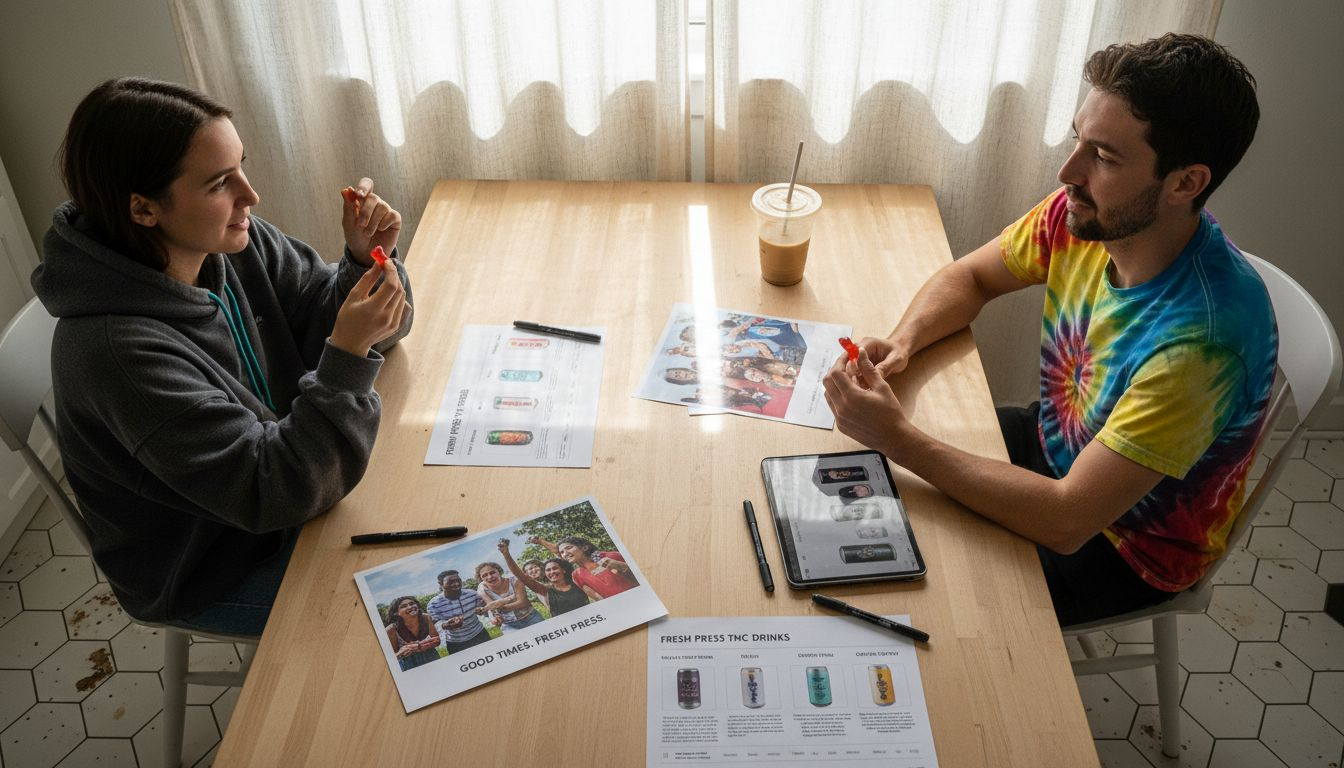
TikTok has emerged as a powerhouse for reaching younger adults and health-conscious consumers. Short-form video content allows brands to educate viewers about dosing, product differences, and consumption methods in an entertaining format. Influencer marketing on platforms like TikTok helps cannabis brands expand reach through authentic creator partnerships.
Facebook and Twitter (X) serve different purposes for cannabis marketing:
- Facebook - Longer-form content, community groups, event promotion, and detailed product information reach older demographics
- Twitter (X) - Real-time conversation, industry news sharing, and thought leadership position brands as experts
- YouTube - Educational tutorials, product reviews, and long-form content build authority and trust
Cannabis brands strategically select platforms based on their target audience. Health-conscious adults aged 25-45 spend time across multiple platforms, each serving different content consumption habits. Major social media platforms including Instagram, TikTok, and YouTube have become standard channels for cannabis product promotion and educational outreach.
Each platform requires different content strategies. Instagram favors aesthetic product shots and lifestyle imagery. TikTok demands quick storytelling and humor. YouTube rewards educational depth. Brands that succeed multi-platform understand these nuances and adapt accordingly.
Here’s how major social media platforms compare for cannabis brand marketing:
| Platform | Content Style | Primary Audience | Compliance Challenge |
|---|---|---|---|
| Visual storytelling | Adults 25-45 | Content moderation, age-gates | |
| TikTok | Short-form video | Younger adults, 21-35 | Humor limits, rapid virality |
| Groups, long posts | Adults 35+ | Event promotion restrictions | |
| YouTube | Educational videos | Health-focused adults | Monetization, age checks |
| Twitter (X) | News, conversation | Industry professionals | Real-time compliance updates |
Cannabis brands thrive on platforms where visual storytelling and authentic community engagement drive consumer trust and product discovery.
Pro tip: Follow cannabis brands on multiple platforms to see how they tailor messaging—this reveals which platforms align best with your consumption style and wellness goals.
Legal Restrictions and Advertising Compliance
Cannabis marketing on social media operates in a gray zone where federal and state laws collide. Brands must navigate complex regulations or face serious penalties, account suspension, and legal liability. Understanding these restrictions protects both companies and consumers from misleading claims.
Federal law creates the foundation for all cannabis advertising restrictions. The FDA regulates cannabis products rigorously, and truthful advertising laws prohibit misleading claims about health benefits, potency, and safety. Brands cannot claim cannabis cures diseases, prevents illness, or treats medical conditions without FDA approval.
State laws add another layer of complexity. Some states ban all social media cannabis advertising. Others allow it with strict limits on targeting, content, and messaging. California, Colorado, and Massachusetts have different rules entirely. What’s legal in one state may be illegal in another.
Key compliance challenges for cannabis brands include:
- Age verification - Platforms must prevent marketing to minors, yet most social algorithms lack robust age-gating
- Health claims - Avoiding unsubstantiated medical promises that violate FDA regulations
- Potency disclosure - Clearly stating THC/CBD percentages and serving sizes to prevent overuse
- Prohibited imagery - No cartoons, celebrity endorsements, or lifestyle imagery targeting youth
- Location targeting - Respecting state-specific advertising bans and restrictions
Social media platforms themselves enforce additional guidelines. Instagram, Facebook, and TikTok have cannabis-specific advertising policies that go beyond legal requirements. They restrict who can run ads, what content qualifies, and how brands can target audiences.
State-specific advertising restrictions and federal protections create an evolving legal landscape that cannabis marketers must monitor constantly. Enforcement actions have increased significantly as regulators focus on misleading social media content.
Brands serious about compliance work with legal counsel before launching campaigns. They audit content regularly, train team members on restrictions, and maintain detailed records of compliance efforts.
Legal compliance is not optional—it’s essential to brand survival and consumer protection.
Pro tip: Before sharing any cannabis content on social media, ask yourself: Could this claim be misinterpreted as a health benefit? If yes, remove it or consult legal counsel.
Effective Engagement and Brand Storytelling
Cannabis brands that thrive on social media aren’t just selling products—they’re telling stories that resonate with their audience’s values and wellness journey. Authentic storytelling builds trust and creates emotional connections that drive engagement and loyalty.
Effective cannabis marketing goes beyond product listings. Brands share customer stories, explain the science behind cannabinoids, and celebrate the lifestyle choices their customers make. This approach transforms followers into advocates who feel personally connected to the brand.
Storytelling and interactive content influence attitudes and create meaningful conversations around cannabis use. When brands share real experiences—whether it’s a customer’s wellness journey or a creator’s favorite consumption ritual—audiences engage more deeply than they would with traditional advertising.
Authentic brand storytelling includes these key elements:
- Customer testimonials - Real people sharing how products fit into their wellness routines
- Educational content - Explaining dosing, effects, and product differences in accessible language
- Behind-the-scenes footage - Showing how products are made or sourced builds transparency
- Community moments - Highlighting user-generated content and customer celebrations
- Lifestyle integration - Showing products in everyday wellness contexts, not just consumption
Social media success requires clear goals, consistent messaging, and purposeful storytelling that authentically communicates brand values. Brands that define their audience, understand what matters to them, and craft messages accordingly see higher engagement rates and customer retention.
Engagement happens when brands respond to comments, answer questions, and participate in conversations rather than broadcasting one-way messages. Health-conscious adults aged 25-45 want dialogue, not sales pitches.
Consistency across platforms matters too. A brand’s voice on Instagram should feel like the same brand on TikTok and YouTube, even if the content format changes. This consistency builds recognition and trust.
Authentic storytelling transforms passive followers into active community members who choose to recommend your brand.
Pro tip: Share one customer story per week across your platforms—real experiences generate 3x more engagement than product-only posts.
Managing Risks and Common Mistakes Online
Cannabis brands operating on social media walk a tightrope between engagement and compliance. One misstep can result in account suspension, legal action, or serious reputational damage. Understanding common pitfalls helps brands avoid costly mistakes.
The biggest risk is inadvertently appealing to underage users. Even if brands don’t intend to target youth, certain content styles naturally attract younger audiences. Bright colors, trendy music, humor, and lifestyle imagery can appear on teens’ feeds through algorithmic promotion. Inappropriate content targeting youth violates regulations and contributes to public health concerns.
Common mistakes cannabis brands make online include:
- Unclear age gates - Insufficient verification that users are 21+ before accessing content
- Health claims - Suggesting cannabis treats anxiety, insomnia, or pain without FDA approval
- Influencer pitfalls - Partnering with creators who don’t verify their audience’s age or location
- Hashtag overreach - Using trending tags that reach beyond target demographics
- Lack of monitoring - Ignoring comments that contain illegal content or youth engagement
- Location targeting failures - Advertising in states where cannabis marketing is prohibited
Another critical mistake is making unsubstantiated claims. Brands can describe the experience of cannabis or how customers use it, but they cannot claim it treats medical conditions. This distinction matters legally and ethically.
Unsecured comments sections create liability too. When followers post illegal content, illegal offers, or references to minors using products, brands bear responsibility for not removing it promptly. Active moderation isn’t optional—it’s legally necessary.
Accounting for platform-specific rules prevents suspension. Instagram’s cannabis advertising policy differs from TikTok’s. Facebook requires business verification. YouTube has strict monetization limits. Brands that ignore these differences lose accounts and reach.
Data privacy violations also pose risks. Collecting user information without proper consent or selling customer data violates regulations in California, Colorado, and other states with strict cannabis privacy laws.
Below is a summary of common compliance errors and their potential consequences for cannabis brands on social media:
| Compliance Error | Example Violation | Consequence |
|---|---|---|
| Unsubstantiated health claim | Claiming cannabis treats illness | FDA warnings or fines |
| Poor age verification | No 21+ gate on profile | Account suspension |
| Inadequate moderation | Illegal offers in comments | Legal liability, brand harm |
| Platform rule confusion | Ignoring unique policies per app | Account or ad bans |
One compliance mistake can erase months of brand-building work and create legal liability that extends far beyond lost followers.
Pro tip: Audit your content monthly: Check for health claims, verify age-gate functionality, review comments for policy violations, and confirm platform compliance before issues arise.
Elevate Your Cannabis Experience with Trusted Products and Storytelling
Navigating the complexities of cannabis marketing and social media can be challenging for both brands and consumers. The article highlights how authentic storytelling, community engagement, and clear educational content are essential to building trust and making informed wellness choices. If you are seeking premium cannabis products that align with this modern lifestyle approach, look no further than 23rd State. We offer a curated collection that fits seamlessly into daily routines while prioritizing transparency and quality.
Whether you prefer infused options or are curious about refreshing edible formats, explore our exclusive range like THC Beverages that combine enjoyment with thoughtful dosing.
Experience cannabis the way social media advocates do by choosing products designed to enhance wellness and recreation responsibly. Visit 23rd State now to discover handcrafted items that reflect the storytelling and authenticity you value. Take control of your cannabis journey today by shopping with confidence on our secure, user-friendly platform.
Frequently Asked Questions
How does social media influence cannabis consumer education?
Social media provides an accessible platform for brands to educate consumers about cannabis products, dosing, and consumption methods, shaping attitudes and purchasing decisions.
What are the most effective social media platforms for cannabis marketing?
Instagram and TikTok are leading platforms for cannabis marketing, focusing on visual storytelling and short-form video content to engage a younger, health-conscious audience.
What legal restrictions should cannabis brands be aware of when advertising on social media?
Cannabis brands must navigate complex regulations that include restrictions on health claims, age verification, and content moderation to avoid penalties and account suspension.
How can cannabis brands effectively engage with their audience on social media?
Brands can build engagement through authentic storytelling, sharing customer testimonials, and creating educational content that resonates with their audience’s wellness journeys.
