

Finding clarity about what makes one cannabis product different from another can feel confusing, especially with so many hybrids on the market. For health-conscious adults in Minnesota, South Carolina, and Texas, understanding the basics of cannabis hybridization helps you make informed choices that match your wellness needs. This guide breaks down the science and genetics behind hybrids, giving you the confidence to select premium hemp-derived products with the right characteristics for your lifestyle.
Table of Contents
- Defining Cannabis Hybridization And Its Basics
- Common Types And Traits Of Cannabis Hybrids
- How Hybridization Works In Cannabis Breeding
- Health, Wellness, And Recreational Uses Of Hybrids
- Legal Status And Consumer Risks In The U.S.
- Misconceptions About Hybrid Strains And Their Effects
Key Takeaways
| Point | Details |
|---|---|
| Cannabis Hybridization Enhances Plant Traits | Hybridization improves cannabinoid concentrations, resilience, and specific characteristics in cannabis plants. |
| Understanding Hybrid Types is Essential | Different hybrid types (Indica, Sativa, Balanced) produce varying effects and are suited for distinct use cases. |
| Legal and Safety Considerations Are Crucial | Cannabis consumers must navigate complex legal landscapes and prioritize product safety and quality. |
| Individual Responses to Hybrids Vary | Each hybrid’s effects can differ based on personal biochemistry and environmental factors, warranting careful experimentation. |
Defining Cannabis Hybridization and Its Basics
Cannabis hybridization represents a sophisticated breeding strategy transforming how we understand and develop cannabis plants. At its core, this process involves intentionally crossbreeding different cannabis varieties to create offspring with optimized genetic characteristics.
Understanding cannabis hybridization requires exploring its fundamental mechanics and scientific foundations. Cannabis breeding techniques have evolved dramatically, driven by researchers seeking to develop plants with specific therapeutic and recreational profiles. The primary goals of hybridization include:
- Enhancing desired cannabinoid concentrations
- Improving plant resilience and growth characteristics
- Creating more targeted medicinal strains
- Developing plants with specific flavor and aromatic profiles
Traditionally, cannabis hybridization involved complex crossbreeding between two primary varieties: drug-type marijuana and fiber-type hemp. This intricate process demands deep understanding of genetic inheritance and careful selection of parent plants with complementary traits. Cannabinoid synthesis research reveals that successful hybridization depends on comprehending how different genetic combinations influence cannabinoid production.
Key Considerations in Cannabis Hybridization:
- Genetic diversity matters significantly
- Parent plant selection requires meticulous evaluation
- Environmental conditions impact hybrid performance
- Legal restrictions can complicate breeding efforts
Hybridization represents more than simple plant breeding—it’s a sophisticated genetic dialogue between different cannabis varieties.
Pro tip: Always consult local regulations and scientific resources before attempting any cannabis hybridization experiments.
Common Types and Traits of Cannabis Hybrids
Cannabis hybrids represent a dynamic landscape of genetic variation, offering diverse characteristics that go far beyond traditional plant breeding. Cannabis strain genetics have evolved dramatically, creating complex combinations that reshape our understanding of this versatile plant.
Traditionally, cannabis hybrids are categorized into three primary classifications:
- Indica-dominant hybrids: Typically producing relaxing, sedative effects
- Sativa-dominant hybrids: Known for energizing and cerebral experiences
- Balanced hybrids: Offering an equilibrium between indica and sativa characteristics
The intricate process of hybridization involves carefully selecting parent plants with specific genetic traits to develop offspring with desired attributes. These traits can include cannabinoid concentration, terpene profile, growth patterns, and potential therapeutic benefits. Modern hybridization techniques allow cultivators to engineer plants with remarkable precision, targeting specific medical or recreational outcomes.
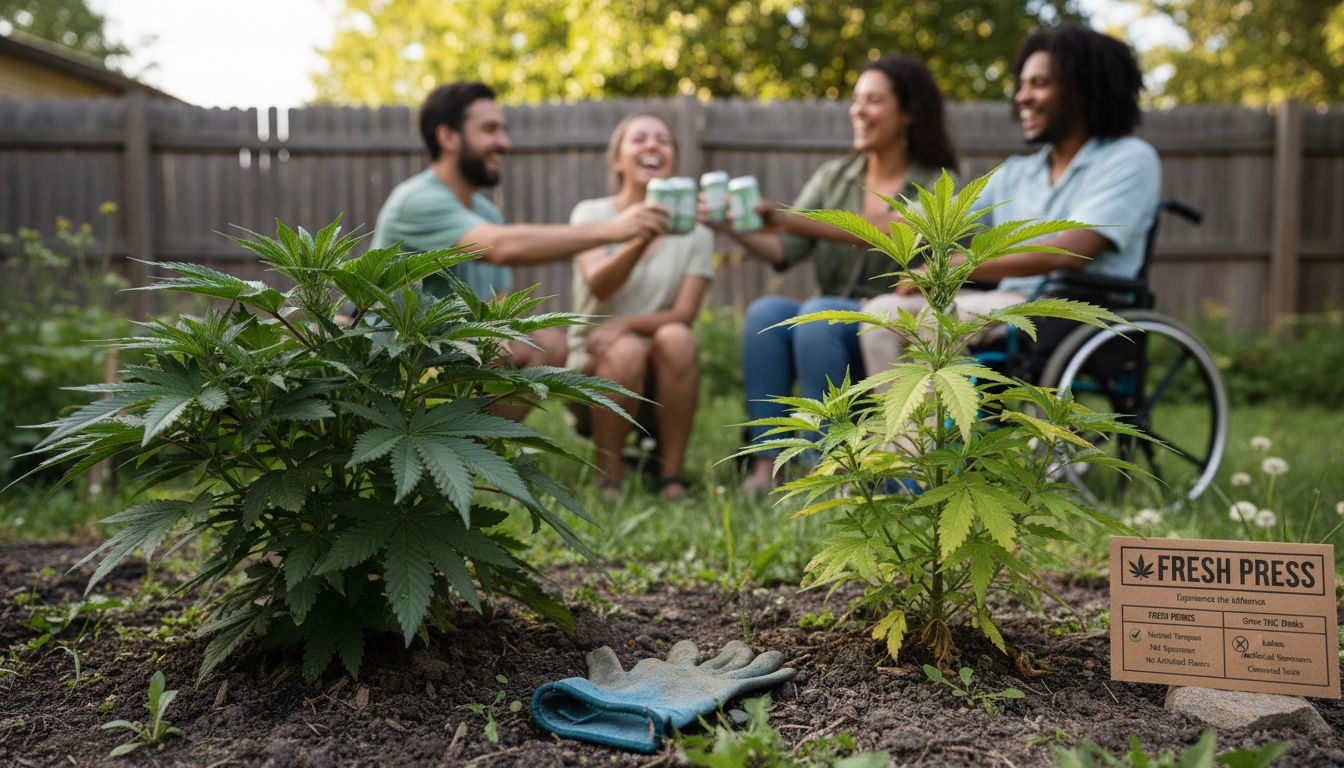
Here’s a comparison of the three main cannabis hybrid types and their typical effects:
| Hybrid Type | Common Effects | Preferred Use Case |
|---|---|---|
| Indica-dominant | Relaxing, calming | Evening relaxation, sleep aid |
| Sativa-dominant | Energizing, uplifting | Daytime activity, creativity |
| Balanced | Mixed, moderate | Flexible, all-purpose benefits |
Unique Characteristics of Cannabis Hybrids:
- Enhanced cannabinoid diversity
- Improved plant resilience
- Customized therapeutic potential
- More predictable growth characteristics
Modern cannabis hybridization is less about randomness and more about intentional genetic engineering.
Pro tip: Research the specific genetic lineage of a hybrid before consumption to understand its potential effects and characteristics.
How Hybridization Works in Cannabis Breeding
Cannabis breeding is a sophisticated genetic art that transforms plant characteristics through intentional crossbreeding. Cannabis breeding strategies involve complex genetic manipulation to develop plants with precise traits and desired outcomes.
The hybridization process fundamentally operates through several critical stages:
- Selecting parent plants with optimal genetic characteristics
- Controlled cross-pollination between chosen varieties
- Careful evaluation of offspring traits
- Repeated selective breeding to stabilize desired attributes
- Genetic isolation of most promising phenotypes
Genetic inheritance in cannabis follows fundamental principles of dominant and recessive gene expression. Breeders meticulously track specific traits across multiple generations, understanding that some characteristics will emerge immediately while others require careful cultivation. Cannabis hybrid development demands patience, scientific understanding, and a deep comprehension of genetic inheritance patterns.
Key Genetic Mechanisms in Hybridization:
- Identifying complementary genetic profiles
- Understanding phenotypic expression
- Managing genetic diversity
- Predicting potential offspring characteristics
Successful cannabis hybridization is a delicate balance between scientific precision and creative genetic exploration.
Pro tip: Document every breeding experiment meticulously, tracking genetic lineages and observable traits to refine your understanding of cannabis genetics.
Health, Wellness, and Recreational Uses of Hybrids
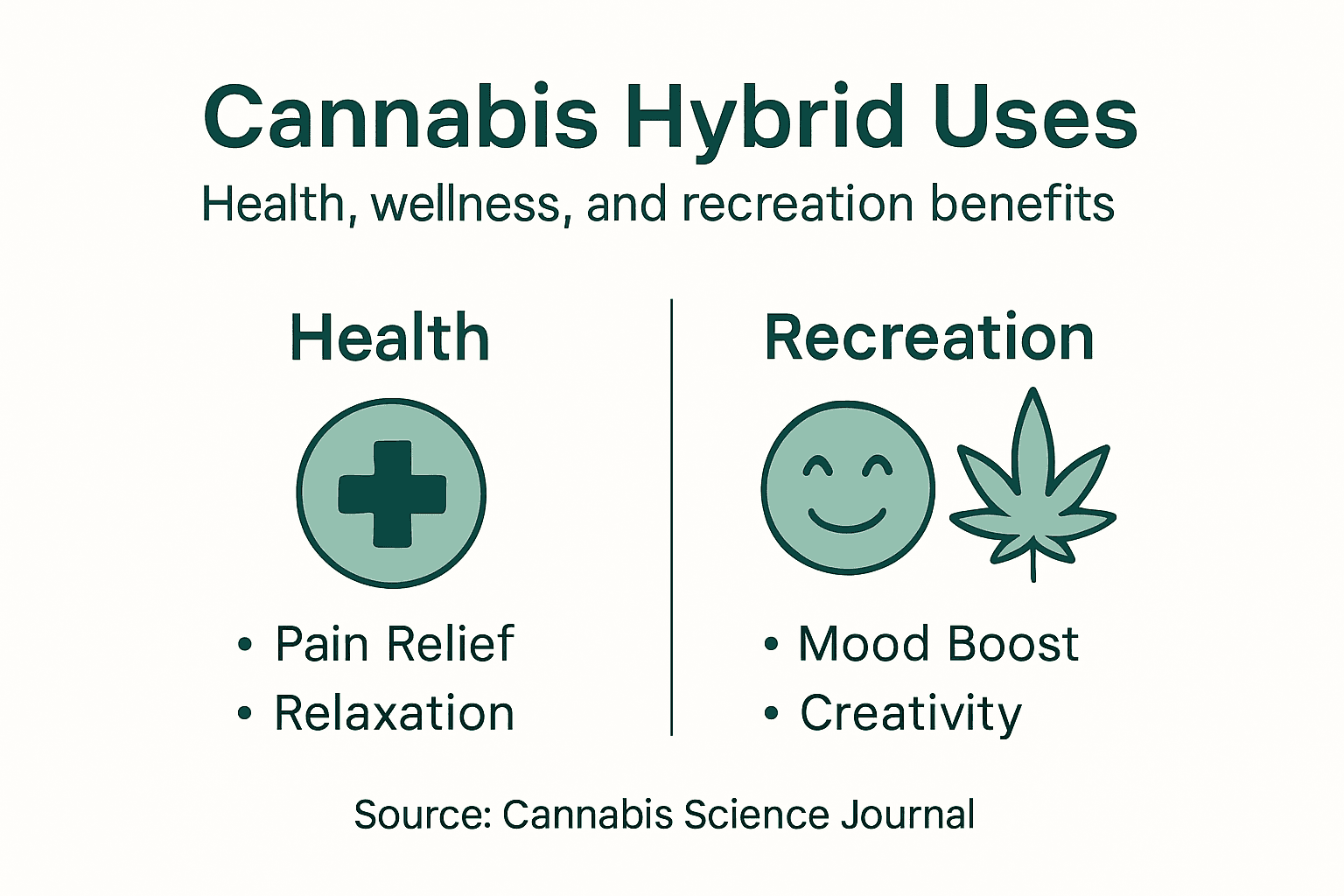
Cannabis hybrids have revolutionized how we approach both therapeutic interventions and recreational experiences, offering unprecedented customization of plant properties. Cannabis therapeutic applications demonstrate remarkable potential for addressing diverse health conditions while simultaneously providing nuanced recreational experiences.
The wellness and therapeutic landscape of cannabis hybrids encompasses multiple critical domains:
- Pain management and inflammation reduction
- Anxiety and stress relief
- Sleep quality improvement
- Potential neurological disorder support
- Mental health symptom moderation
Recreational users appreciate hybrids for their ability to deliver targeted experiences, ranging from energizing cerebral effects to deep physical relaxation. Different hybrid combinations allow individuals to curate their desired mental and physical states with unprecedented precision. Each hybrid represents a carefully engineered combination designed to produce specific physiological and psychological responses.
Hybrid Wellness Potential:
- Personalized cannabinoid profiles
- Reduced side effect potential
- Targeted therapeutic interventions
- Enhanced user experience control
Cannabis hybrids represent a sophisticated intersection of scientific innovation and personal wellness exploration.
Pro tip: Always consult healthcare professionals and start with low dosages when exploring cannabis hybrids for wellness or recreational purposes.
Legal Status and Consumer Risks in the U.S.
The landscape of cannabis regulation in the United States remains extraordinarily complex and rapidly evolving. Cannabis legal complexities create significant challenges for consumers, producers, and researchers navigating an intricate web of federal and state regulations.
Key legal considerations for cannabis consumers include:
- Varying state-level legalization statutes
- Federal prohibition of cannabis
- Differences in medical versus recreational use regulations
- Potential interstate transportation restrictions
- Complex compliance requirements for producers
Consumer risks extend beyond legal complications and encompass critical safety and quality control issues. Inconsistent product testing, variable potency, and potential contamination represent significant concerns for individuals seeking cannabis products. Each state maintains unique regulatory frameworks, which means product standards can dramatically differ across geographic regions.
Primary Consumer Protection Challenges:
Below is a summary of important consumer risks and protection strategies related to cannabis hybrids in the U.S.:
| Risk Area | Common Issue | Consumer Protection Strategy |
|---|---|---|
| Legal Compliance | Varied state laws | Verify regulations before purchase |
| Product Quality | Inconsistent lab testing | Buy from licensed dispensaries |
| Label Accuracy | Potential for mislabeling | Check for lab results and certification |
| Health Safety | Contamination risk | Use products with safety certifications |
- Lack of uniform federal testing standards
- Potential mislabeling of product contents
- Inconsistent quality control mechanisms
- Limited consumer legal recourse
Navigating cannabis regulations requires vigilance, research, and a comprehensive understanding of both state and federal legal landscapes.
Pro tip: Always verify local regulations and purchase cannabis products only from licensed, reputable dispensaries that provide transparent lab testing results.
Misconceptions About Hybrid Strains and Their Effects
The world of cannabis hybrids is riddled with persistent myths and oversimplified understandings that can mislead consumers and researchers alike. Cannabis hybridization challenges reveal a complex genetic landscape far more nuanced than traditional stereotypes suggest.
Common misconceptions about hybrid strains include:
- All hybrids produce predictable, uniform effects
- Indica and sativa classifications definitively determine experience
- Hybrids always represent significant genetic diversity
- One hybrid strain will consistently deliver identical outcomes
- Chemical composition is solely determined by strain categorization
Consumers often misunderstand the intricate interactions between cannabinoids and terpenes that truly define a hybrid’s potential effects. Hybrid strain complexity demonstrates that individual biochemistry, consumption method, and environmental factors play crucial roles in determining one’s experience.
Key Hybrid Strain Realities:
- Genetic variability remains high
- Individual responses differ dramatically
- Terpene profiles significantly impact experience
- Scientific classification continues evolving
Hybrid strains are living proof that botanical complexity defies simplistic categorization.
Pro tip: Approach each hybrid strain as a unique experience, documenting your personal response and understanding that individual biochemistry plays a significant role in effects.
Discover the Power of Cannabis Hybrids with Premium Hemp Products
Understanding the complexity of cannabis hybridization opens the door to personalized wellness and recreational experiences. The article highlights challenges like genetic variability and the need for precise cannabinoid profiles. If you seek consistent quality, targeted effects, and relief tailored to your lifestyle, exploring handpicked hemp-derived products can transform your approach.
At 23rd State, we carefully curate THC and CBG-infused items, hemp-based edibles, and lifestyle accessories designed to optimize wellness and elevate your leisure moments. Each product embraces the art of hybridization by offering you reliable cannabinoid diversity and enhanced therapeutic potential backed by modern craftsmanship.

Experience the best that modern cannabis science offers today. Visit 23rd State to browse collections like Shake and Blush Crush for finely crafted cannabis products where quality meets innovation. Act now to take advantage of our exclusive discounts and free shipping that make upgrading your cannabis experience easier than ever.
Frequently Asked Questions
What is cannabis hybridization?
Cannabis hybridization is the intentional crossbreeding of different cannabis varieties to create offspring with optimized genetic characteristics, enhancing key traits like cannabinoid concentrations and growth resilience.
How do cannabis hybrids differ from pure indica or sativa strains?
Cannabis hybrids can exhibit a mix of effects from both indica and sativa strains, potentially offering balanced experiences tailored for relaxation or energy based on their genetic lineage.
What are the benefits of using cannabis hybrids for health and wellness?
Cannabis hybrids can provide targeted therapeutic benefits, including pain relief, anxiety reduction, and improved sleep quality, while also allowing for personalized dosing based on individual needs.
Why should consumers be cautious about the effects of hybrid strains?
Consumer responses to hybrid strains can vary widely due to individual biochemistry, environmental factors, and cannabinoid-terpene interactions, making it essential to approach each strain with an understanding of its unique potential effects.
