

A lifestyle brand sells an identity, not just a product. Instead of leading with features or specs, it aligns with the values, aspirations, and daily rituals of a specific audience, making customers feel that buying in means belonging to something real. According to Wikipedia’s overview of the category, lifestyle brands seek to inspire and motivate people so their products contribute to how consumers define their own way of life. The core elements that make this work:
- Emotional appeal: the brand triggers feelings, not just purchase decisions
- Consistent lifestyle vision: every touchpoint reflects the same world and values
- Consumer identity reinforcement: buyers feel seen and represented
- Emotional storytelling: narratives place the customer as the main character
Table of Contents
- What makes a brand a lifestyle brand?
- Real-world examples of lifestyle brands that actually work
- How to create a lifestyle brand that actually connects
- What cannabis and hemp brands know about lifestyle branding
- How the definition of a lifestyle brand has evolved
- Proven strategies for building a lifestyle brand in 2026
- How lifestyle brands change consumer behavior and culture
- Lifestyle brands vs. traditional brands: what actually differs
- How do you measure whether your lifestyle brand is working?
- 23rd State brings the lifestyle to your glass
- FAQ
- Key Takeaways
What makes a brand a lifestyle brand?
The defining trait of a lifestyle brand is that it sells a philosophy, positioning the customer as the protagonist in the brand story rather than a passive buyer. That shift changes everything, from how ads are written to how packaging looks to who the brand chooses to collaborate with.
A few characteristics set these brands apart:
- Emotional branding as the core strategy: the product is the vehicle; the feeling is the destination
- Community building: loyal audiences gather around shared values, not just shared purchases
- Ideological alignment: the brand stands for something, and customers know it
- Storytelling and visual consistency: every image, caption, and campaign reinforces the same world
- Cultural connection: the brand reflects and shapes the subculture it serves
- Authenticity challenges: the biggest risk is performing a lifestyle rather than living it
“True lifestyle branding connects specific emotional triggers with authentic, consistent storytelling relatable to the target niche.” — Design Scout
Sustaining that authenticity over time is genuinely hard. Audiences are sharp. The moment a brand starts chasing trends instead of its own values, the community notices.
Real-world examples of lifestyle brands that actually work
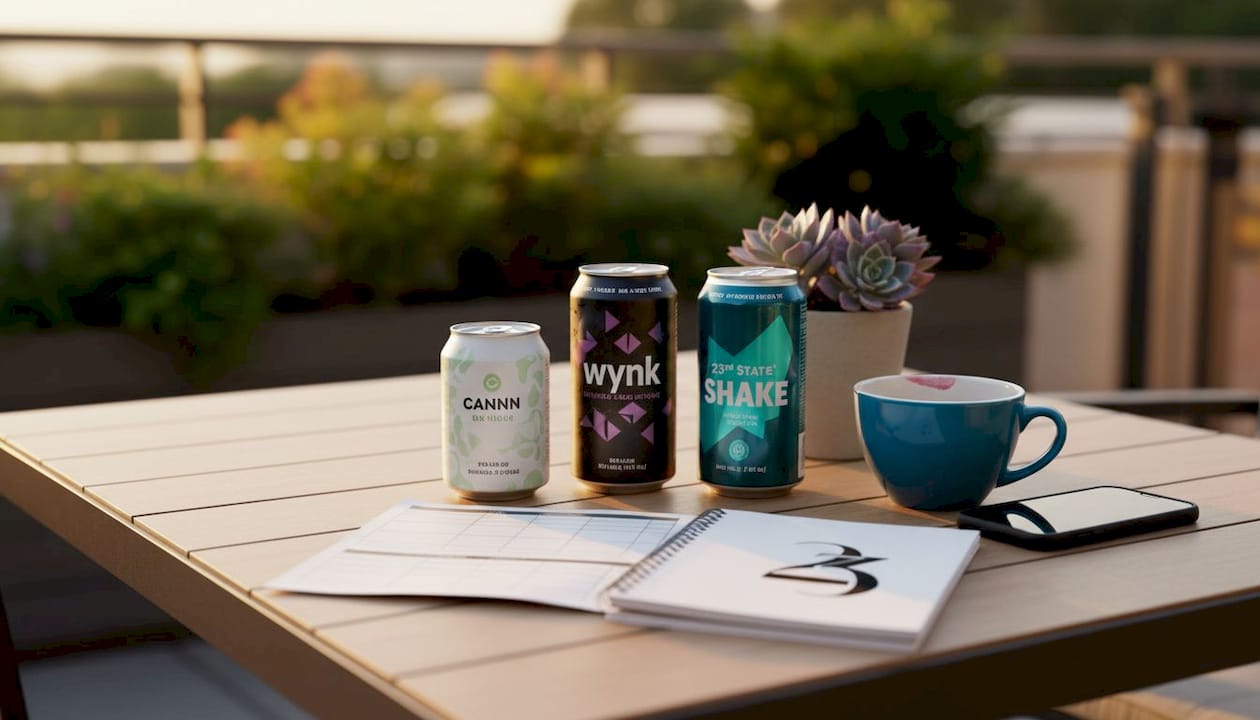
The brands that pull this off share a few things in common. They embody aspirational values and emotional identity, building loyal communities through consistent vision rather than constant promotion. Think about outdoor apparel brands that sell adventure and environmental stewardship, or athletic brands that sell discipline and self-belief. The product is almost secondary.
What makes these examples effective:
- Emotional connection over product specs: the brand makes you feel something before you buy anything
- Community as a feature: events, social spaces, and rituals keep people engaged between purchases
- Storytelling rooted in real culture: the narrative feels lived-in, not manufactured
- Consistency across every channel: the same energy shows up in a store, on Instagram, and in a newsletter
The brands that stumble are the ones that adopt lifestyle aesthetics without the underlying philosophy. Gorgeous photography with no real point of view reads as hollow pretty fast.
How to create a lifestyle brand that actually connects
Building a lifestyle brand starts with knowing your audience at a values level, not just a demographic one. Here is a practical path:
- Define your audience archetype beyond demographics. Ask what your community would stand for if your brand disappeared tomorrow. Audience archetypes built on beliefs and values create far more durable storytelling than age and income brackets.
- Build an authentic brand philosophy. What does your brand genuinely believe? Write it down in plain language. If it sounds like a mission statement from a corporate deck, start over.
- Layer storytelling on top of product information. You still need to communicate quality, specs, and what makes your product good. Lifestyle storytelling complements that information; it does not replace it.
- Choose marketing channels that fit the lifestyle. Social media, events, and creator partnerships work because they live inside the audience’s actual daily experience.
- Build community rituals. Give people a reason to gather, share, and return. Hashtags, events, and limited drops all create moments of belonging.
Pro Tip: Ask yourself: “Would our community share this if we never asked them to?” If the honest answer is no, the content is not lifestyle-brand-level yet.
- Keep visual identity consistent across every platform
- Avoid chasing trends that conflict with your core philosophy
- Measure community engagement, not just sales, as a health signal
Lasting cultural relevance in crowded markets requires genuine commitment to the lifestyle, not just a branding refresh.
What cannabis and hemp brands know about lifestyle branding
The hemp-derived cannabis space has become one of the clearest proving grounds for lifestyle branding done right. Wellness, mindfulness, and balance are not just marketing words in this category. They reflect what hemp-derived cannabis consumers actually want from their lives, which means brands that align with those values earn real loyalty.
“Consumers seek meaningful lifestyle expressions beyond products, and cannabis lifestyle branding offers education and connection around wellness.” — Leah Kollross, founder, 23rd State
A few things the best hemp lifestyle brands do well:
- They lead with education, meeting curious consumers where they are
- They build community around shared rituals, like a Friday wind-down or a sunny brunch
- They align product innovation with the lifestyle ethos, so a new product feels like a natural extension of the world they have built
- They stay honest about what their products are and what they are not
23rd State’s SHAKE, for example, fits naturally into this framework. It is not just a hemp-derived beverage. It represents a specific moment, a specific mood, and a specific kind of person who wants something intentional in their glass.
How the definition of a lifestyle brand has evolved
The classic definition holds: a lifestyle brand is one that embodies the values, aspirations, and attitudes of a group or culture. But the 2026 version of that definition carries more weight. Consumers now expect brands to demonstrate their values through action, not just aesthetics. Posting a beautiful flat lay is not enough. The brand needs to show up in the community, take positions, and build spaces where people actually want to spend time.
The emotional branding piece has also deepened. Buyers are not just looking for a product that fits their life. They are looking for a brand that understands their life, and that distinction shapes everything from product development to customer service.
Proven strategies for building a lifestyle brand in 2026
The most effective lifestyle branding strategies right now center on three things: community, consistency, and genuine cultural participation.
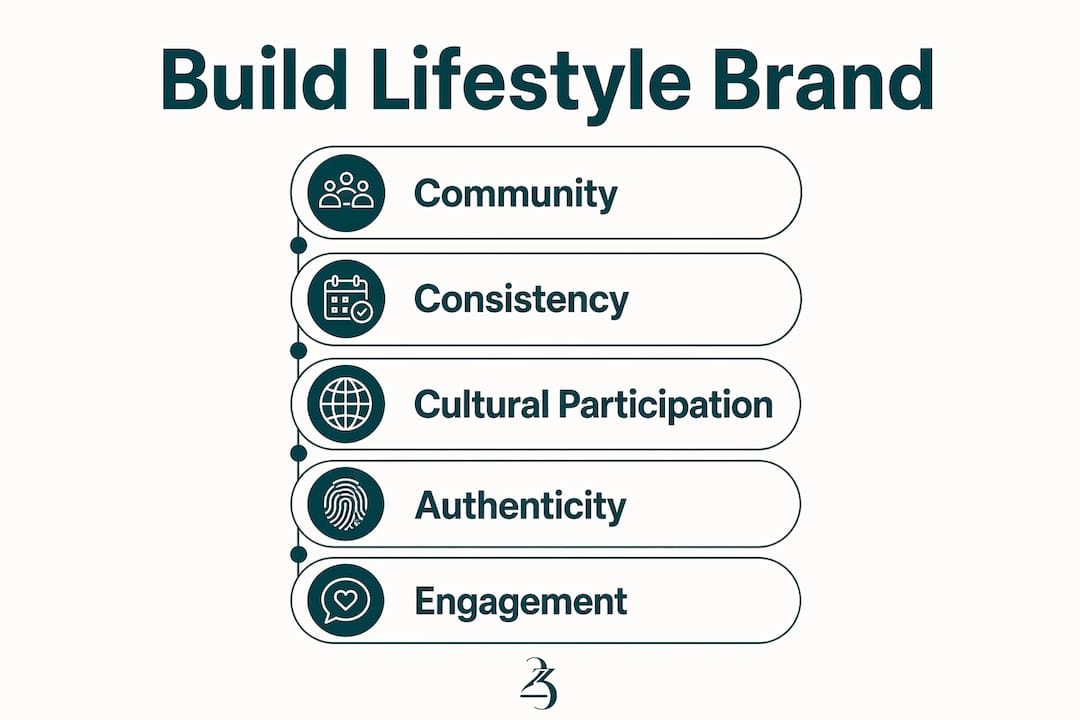
Community first. Build spaces, online and off, where your audience connects with each other, not just with you. Brands that facilitate connection between customers create stickier loyalty than brands that broadcast at their audience.
Consistency across every touchpoint. Your packaging, your social captions, your email subject lines, and your event vibe should all feel like the same person wrote them. Inconsistency signals inauthenticity faster than almost anything else.
Cultural participation, not just cultural reference. Referencing a subculture in your ads is not the same as being part of it. Sponsor the local event. Collaborate with creators who actually live the lifestyle. Show up in ways that cost something.
How lifestyle brands change consumer behavior and culture
Lifestyle brands do not just respond to culture. They shape it. When a brand consistently models a set of values, its community starts to internalize and spread those values. The emotional connection between a consumer and a lifestyle brand influences purchasing decisions, social sharing, and even personal identity.
In the cannabis and wellness space, this effect is especially visible. Brands that frame hemp products as part of a mindful, intentional lifestyle have helped shift how mainstream consumers think about the category entirely, moving it from niche curiosity to everyday ritual.
Lifestyle brands vs. traditional brands: what actually differs
A traditional brand competes on product attributes: price, quality, features, convenience. A lifestyle brand competes on meaning. The practical difference shows up in how each type of brand responds to a competitor launching a better product. A traditional brand panics and discounts. A lifestyle brand leans into its community and its story, because the product was never the whole point.
Traditional brands also tend to define their audience by who buys the product. Lifestyle brands define their audience by what those people believe and how they want to live, then build a product that fits that world.
How do you measure whether your lifestyle brand is working?
Sales matter, but they are a lagging indicator for lifestyle brands. The metrics that tell you whether the brand is actually working:
- Community engagement rate: are people commenting, sharing, and creating content around your brand without being asked?
- Brand sentiment: what words do people use when they describe you unprompted?
- Repeat purchase rate: loyalty is the clearest signal that the emotional connection is real
- User-generated content volume: a community that creates content around your brand is a community that has genuinely adopted the lifestyle
- Social following growth and quality: growth from the right audience matters more than raw numbers
23rd State brings the lifestyle to your glass

23rd State is a Minnesota hemp-derived cannabis beverage brand built for the canna-curious. If you have been reading about lifestyle brands and wondering what one looks like in the wild, this is it. Every product, from the sparkling SHAKE to the vibrant Blush Crush, is designed around a specific mood and moment, not just a milligram count. The brand’s philosophy centers on intentional enjoyment, wellness, and the kind of social connection that makes a Friday feel like a celebration. Ready to crack one open? Head to 23state.com and find the flavor that fits your night.
FAQ
What is a lifestyle brand in simple terms?
A lifestyle brand sells a vision of how to live, not just a product. It aligns with its audience’s values and identity so that buying the product feels like an expression of who you are.
How does a lifestyle brand differ from a regular brand?
A regular brand competes on product features and price. A lifestyle brand competes on meaning, community, and emotional connection, placing the customer as the protagonist in its story.
What are some key characteristics of a lifestyle brand?
The core traits are emotional branding, consistent storytelling, community building, ideological alignment with consumer values, and a visual identity that reflects a specific way of life.
How do hemp and cannabis brands use lifestyle branding?
Hemp-derived cannabis brands build lifestyle identities around wellness, mindfulness, and intentional enjoyment, using education and community to connect with values-oriented consumers rather than leading with product specs.
How do you measure lifestyle brand success?
Track community engagement rate, brand sentiment, repeat purchase rate, and user-generated content volume. These signals reveal whether the emotional connection is real, not just whether a campaign drove short-term sales.
Key Takeaways
A lifestyle brand succeeds when it sells a philosophy and places the customer as the protagonist, not just a buyer.
| Point | Details |
|---|---|
| Core definition | Lifestyle brands sell identity, values, and emotional belonging, not just products. |
| Key differentiator | They compete on meaning and community rather than price or product features. |
| Building one | Define your audience by beliefs and values, then layer storytelling on top of solid product information. |
| Measuring success | Community engagement, brand sentiment, and repeat purchase rate reveal whether the emotional connection is genuine. |
| 23rd State in practice | 23rd State’s SHAKE embodies lifestyle branding by pairing hemp-derived cannabis with intentional, mood-specific moments. |
