

TL;DR:
- Lifestyle branding in hemp integrates consumer values and wellness into brand identity rather than just marketing products. It builds trust through transparency, premium design, and cultural alignment, boosting loyalty and market growth. Proper compliance, including visible lab results and clear messaging, enhances credibility while reducing stigma.
Lifestyle branding in hemp is defined as the practice of building brand identities that align with consumer cultural values, wellness aspirations, and daily rituals rather than simply promoting a product’s chemical properties. The hemp and CBD market generated over $15 billion in sales in 2025, and that number reflects something deeper than demand for cannabinoids. It reflects demand for belonging. The role of lifestyle branding hemp companies play goes far beyond pretty packaging. It shapes who trusts you, who buys from you, and whether your brand survives a crowded, regulated market. For the canna-curious reader stepping into this world, understanding how branding works here makes every purchase feel more intentional.
How does lifestyle branding shape consumer trust in hemp products?
Trust is the first thing a hemp brand must earn, and lifestyle branding is the fastest path to it. With over 8,000 CBD brands operating in the U.S. as of 2026, standing out on a shelf or a screen requires more than a catchy name. Brands that embed transparency into their identity, not just their legal disclaimers, win the loyalty game.
The numbers back this up clearly. 73% of consumers trust cannabis-adjacent brands that display third-party test results visibly. That means a Certificate of Analysis (COA), which is a lab document verifying a product’s cannabinoid content and purity, functions as a branding tool, not just a compliance checkbox. When a brand puts its COA front and center, it signals confidence and care.
Packaging aesthetics carry equal weight. Brand loyalty runs 34% higher when hemp packaging is perceived as premium through design elements like frosted glass and minimalist aesthetics. That statistic reveals something counterintuitive. Consumers are not just buying what is inside the bottle. They are buying the story the bottle tells about who they are.
Here is what strong lifestyle branding does for consumer trust in hemp:
- Visible lab results signal that a brand has nothing to hide and everything to prove.
- Premium packaging design communicates quality before a single drop is consumed.
- Consistent brand voice across social media, product pages, and retail displays builds familiarity and comfort.
- Cultural alignment reduces the stigma that still surrounds hemp for many first-time buyers.
Pro Tip: If you are new to hemp products and unsure where to start, look for brands that publish their COAs directly on their product pages. That transparency is your clearest signal of quality.
What are the key lifestyle branding strategies hemp brands use?
The most effective hemp brands do not sell products. They sell a way of living. That shift from product-first to wellness-first ecosystems is the defining move in modern hemp marketing. It means a brand offers digital dosage guides, educational content, and community touchpoints alongside its actual products.
Here are the core strategies that work in 2026:
- Build a wellness ecosystem. Create educational resources like dosage guides, blog posts, and short videos that teach consumers how hemp fits into their daily rhythm. A brand that teaches earns trust faster than one that only sells.
- Partner with micro-influencers. Micro-influencers generate 3.2x higher engagement than macro-influencers in the cannabis space. Their audiences are smaller but more loyal, and their recommendations feel like advice from a friend rather than an advertisement.
- Use precise, sensory-driven language. Research shows that overuse of vague descriptors like “all-natural” actually decreases consumer interest. Words like “bright citrus finish” or “microdosed calm” are specific enough to create desire without making unsubstantiated health claims.
- Anchor your brand in cultural fluency. Cultural fluency lowers market hesitation by aligning brand voices with customer communities emotionally and culturally. This means speaking the language of your community, whether that is wellness, creativity, social celebration, or mindful relaxation.
- Create shareable rituals. Give consumers a reason to post, tag, and share. A branded hashtag tied to a specific product moment, like a Friday wind-down or a Sunday brunch, turns customers into community members.
Pro Tip: When evaluating a hemp brand’s lifestyle credentials, check whether they offer educational content beyond their product pages. Brands that invest in hemp wellness education are the ones building for the long term.
How does lifestyle branding impact hemp market trends in 2026?
Lifestyle branding is actively reshaping what the hemp market looks like, not just how individual brands perform. The most visible shift is the move from subculture aesthetics to premium wellness design. Hemp products no longer signal counterculture. They sit beside adaptogen lattes and cold-pressed juices on the same wellness shelf.
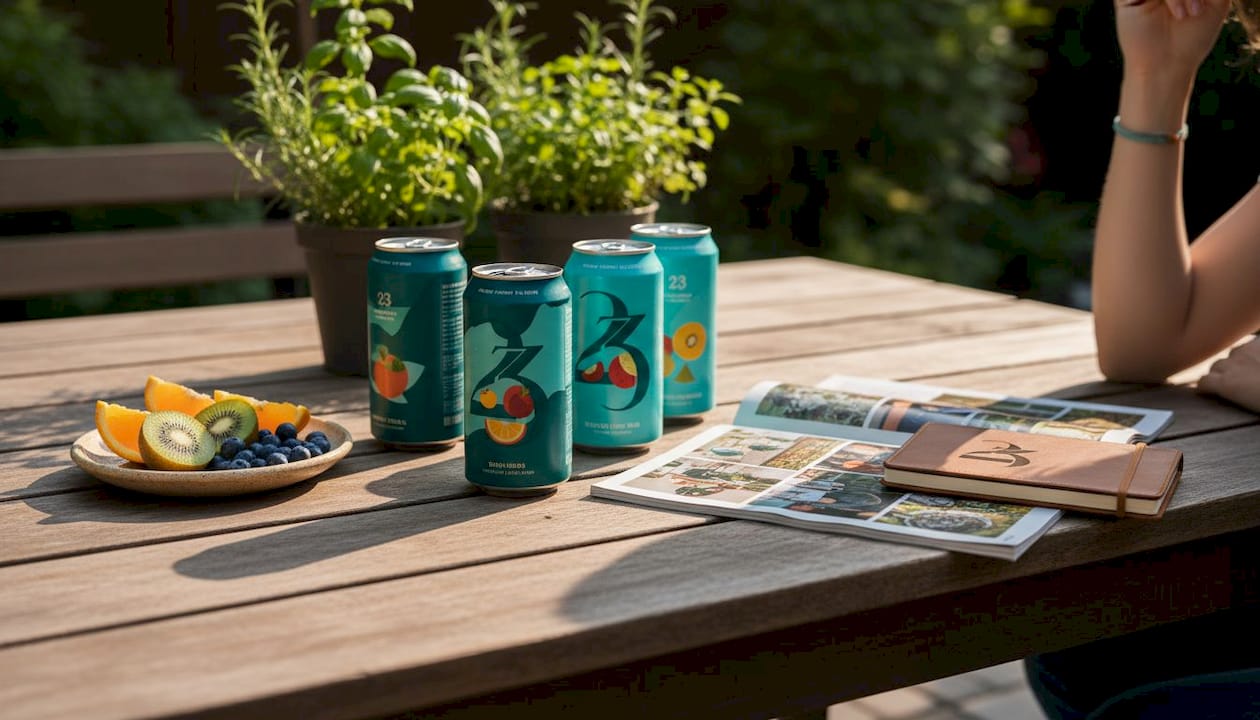
Consumers choose brands that reflect their identity, making cultural alignment a genuine growth lever rather than a soft marketing concept. This drives competition upward. When identity is the product, every touchpoint, from the font on the label to the tone of a customer service email, becomes a brand signal.
The table below shows how lifestyle branding shifts key market dynamics:
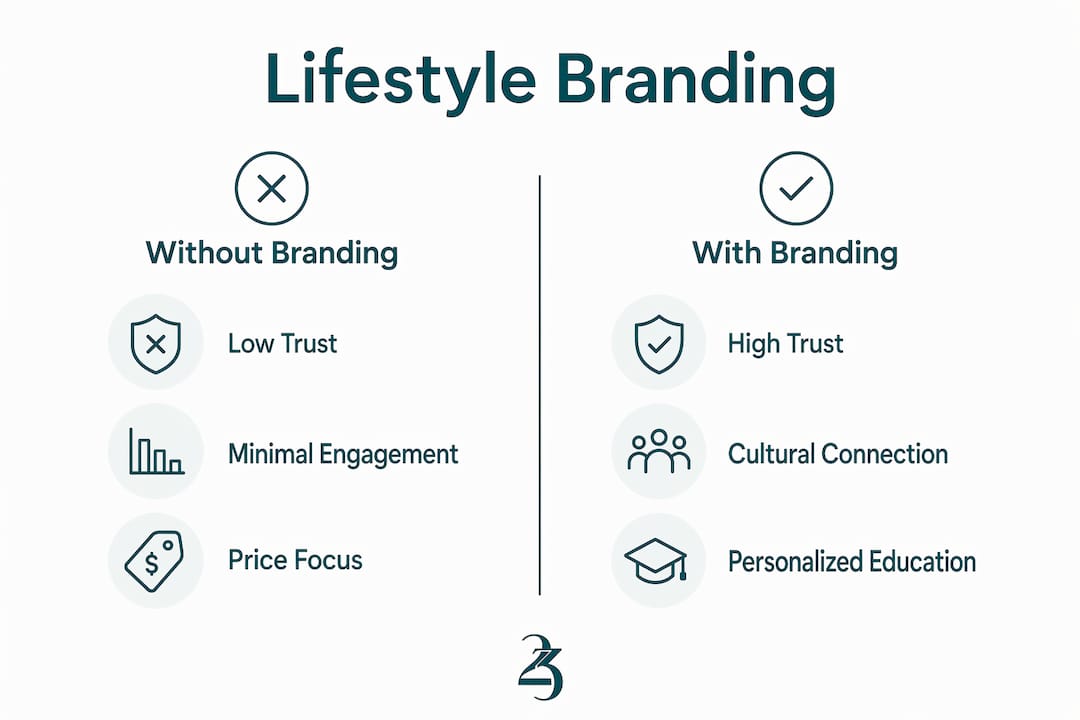
| Market Factor | Without Lifestyle Branding | With Lifestyle Branding |
|---|---|---|
| Consumer trust | Driven by price and availability | Driven by transparency and identity alignment |
| Brand loyalty | Transactional and low | 34% higher with premium design and cultural fit |
| Stigma reduction | Slow, dependent on regulation | Faster through community storytelling and education |
| Market positioning | Commodity-level competition | Premium wellness and luxury tier access |
| Consumer engagement | One-time purchase behavior | Repeat purchases tied to lifestyle rituals |
The shift to wellness ecosystems and personalized consumer education is the clearest path to long-term loyalty in hemp branding. Brands that treat education as a product feature, not an afterthought, are the ones capturing the canna-curious consumer who wants to feel confident before they commit. You can see this play out in how 23rd State approaches its hemp lifestyle content, pairing product quality with genuine guidance.
What are the compliance challenges in lifestyle branding hemp?
Compliance is not the enemy of great branding. It is the constraint that forces creativity. The FDA and FTC both regulate how hemp brands communicate about their products, and the rules are strict. No brand can claim its product treats, cures, or prevents any medical condition. That boundary shapes every headline, every caption, and every product description.
The key compliance considerations every hemp lifestyle brand must manage include:
- FDA health claim restrictions. Any language suggesting a hemp product treats anxiety, pain, or sleep disorders creates legal exposure. Brands must describe experiences, not outcomes. “Microdosed calm” works. “Treats anxiety” does not.
- FTC substantiation requirements. Every factual claim in marketing copy must be substantiated before it goes public. This means legal review is part of the content calendar, not a last-minute check.
- COA visibility as a marketing asset. Compliance documents like COAs act as marketing assets by enhancing brand credibility and AI citation potential. A brand that publishes its lab results is not just being transparent. It is building the kind of authoritative content that search engines and AI tools surface to consumers.
- Consistent entity signals across channels. Hemp brands must maintain consistent entity signals across all channels and leverage third-party editorial placements to boost AI citation and search visibility. Inconsistent messaging confuses both consumers and algorithms.
- Pre-cleared messaging frameworks. Legal claim substantiation should be pre-established, with all public messaging reviewed for compliance before publication. Building a library of approved language saves time and reduces risk.
The brands that treat compliance as a creative brief rather than a restriction are the ones producing the most compelling lifestyle content. Knowing what you cannot say forces you to get better at saying what you can.
Key Takeaways
Lifestyle branding in hemp builds consumer trust, reduces stigma, and drives market growth by aligning products with wellness identities, transparent practices, and culturally fluent storytelling.
| Point | Details |
|---|---|
| Trust starts with transparency | 73% of consumers trust hemp brands that display third-party lab results visibly. |
| Premium design drives loyalty | Brand loyalty is 34% higher when packaging signals quality through design. |
| Micro-influencers outperform | Micro-influencers generate 3.2x higher engagement than macro-influencers in cannabis marketing. |
| Wellness-first wins long-term | Shifting from product-first to wellness ecosystems builds repeat purchase behavior and community loyalty. |
| Compliance is a brand asset | COAs and pre-cleared messaging protect the brand legally while building credibility with consumers and AI search tools. |
Why lifestyle branding is the most honest thing a hemp brand can do
Here is my honest take after watching this category grow: the brands that try to shortcut lifestyle branding by slapping a wellness aesthetic on a mediocre product get found out fast. The canna-curious consumer is sharp. They read labels. They check lab results. They notice when a brand’s Instagram vibe does not match the actual product experience.
What I find genuinely exciting about this moment in hemp is that lifestyle branding, done right, is not manipulation. It is an invitation. When a brand says “this fits your Friday wind-down,” it is making a promise about an experience. That promise has to be kept by the product itself. The brands I respect most are the ones where the branding and the product are in complete agreement.
The cannabis stigma that still lingers for many first-time buyers does not dissolve through advertising. It dissolves through genuine, joyful, well-documented experiences shared by real people. That is what great lifestyle branding creates. It gives people a story they want to be part of, and a product that delivers on that story every single time.
For anyone new to hemp, the best advice is simple. Find a brand whose values feel like yours. Check their lab results. Try their product in a moment that fits the experience they describe. That is the whole promise of lifestyle branding, and when it works, it is a genuinely beautiful thing.
— Leah Kollross, founder, 23rd State
23rd State SHAKE: lifestyle branding you can actually taste

23rd State built its SHAKE product line around exactly the principles covered here. Every detail, from the edible glitter drops to the precise microdose formulation, reflects a brand that takes lifestyle seriously without taking itself too seriously. SHAKE is hemp branding that shows up at the party and brings something worth talking about.
The SHAKE Emerald and SHAKE Cosmo variants bring sensory delight and visual sparkle to every pour, turning a simple drink into a shareable moment. Lab results are transparent, dosing is clear, and the flavor is the kind of bright, intentional experience that makes the wellness-first promise feel real. If you want to see what premium hemp branding actually feels like in your hand, SHAKE is the place to start.
FAQ
What is lifestyle branding in the hemp industry?
Lifestyle branding in hemp is the practice of positioning products within consumer wellness, cultural, and social identities rather than focusing solely on product ingredients. It builds emotional connection and trust through design, storytelling, and community alignment.
Why does transparency matter so much for hemp brands?
73% of consumers trust hemp brands that display third-party lab results, making transparency a direct driver of purchase decisions. Visible COAs signal quality and reduce the hesitation many first-time buyers feel.
How do micro-influencers help hemp lifestyle brands grow?
Micro-influencers generate 3.2x higher engagement than macro-influencers in the cannabis space. Their smaller, loyal audiences respond to authentic lifestyle content as personal recommendations rather than paid promotions.
What compliance rules shape hemp lifestyle branding?
FDA and FTC regulations prohibit health claims on hemp products, so brands must describe experiences rather than outcomes. Pre-cleared messaging frameworks and visible lab documentation protect brands legally while building consumer credibility.
How does lifestyle branding reduce hemp stigma?
Cultural fluency lowers market hesitation by aligning brand voices with community values emotionally and culturally. When hemp fits naturally into a wellness or social context, first-time buyers feel invited rather than uncertain.
