

TL;DR:
- Cannabinoids provide a modest benefit for mild to moderate pain by supporting the endocannabinoid system naturally.
- A balanced THC and CBD ratio offers smoother effects, combining central pain relief with anti-inflammatory benefits.
Cannabinoids play a real, if nuanced, role in pain relief — and understanding that role helps you make smarter choices about how you use hemp-derived beverages for relaxation and wellness. THC provides central analgesia by activating CB1 receptors in the nervous system, while CBD works through anti-inflammatory pathways, including TRPV1 receptor activity, to ease peripheral discomfort. Together, they offer something neither delivers alone: a smoother, more balanced experience that fits naturally into a Friday wind-down or a post-workout recovery ritual.
Research from the NCCIH confirms cannabinoids offer a small but real benefit for chronic pain, though effects are modest and often most meaningful for mild to moderate discomfort rather than clinical treatment. That framing matters for recreational consumers. You’re not replacing your doctor. You’re adding something intentional to your wellness toolkit.
Key things to know before you sip:
- THC delivers central pain relief and a mood lift; CBD calms inflammation and softens THC’s edge
- A 1:1 THC:CBD ratio tends to produce the most balanced, enjoyable experience
- Beverages offer a gentler onset than smoking, making dosing easier to manage
- Starting low (2–5 mg THC) gives your body time to respond before you add more
Pro Tip: If you’re new to cannabis beverages, try a 1:1 THC:CBD drink with a meal. Food slows absorption slightly, giving you a smoother, more predictable experience.
Table of Contents
- How THC and CBD create different effects on pain and mood
- How cannabinoids interact with your endocannabinoid system
- What current research actually says about cannabinoids for pain
- How to use hemp-derived cannabis beverages for relaxation and mild pain support
- What you need to know about hemp-derived cannabinoid laws in the U.S.
- How cannabinoids compare to NSAIDs and opioids for pain
- 23state FRESH PRESS: crafted for the balanced experience
- FAQ
- Key Takeaways
How THC and CBD create different effects on pain and mood
THC and CBD both come from the cannabis plant, but they behave very differently once they’re in your body. Understanding that difference is the foundation of smart cannabinoid use.
THC is psychoactive. It binds directly to CB1 receptors concentrated in the brain and spinal cord, triggering euphoria, appetite stimulation, and strong central analgesia. That’s why THC tends to work well for neuropathic pain, the kind associated with nerve damage or injury. The trade-off is that high doses can cause anxiety or excessive drowsiness, especially for people new to cannabis.
CBD takes a broader, less intoxicating path. It acts on TRPV1 receptors involved in pain and inflammation, serotonin receptors linked to anxiety relief, and GABA-A receptors at higher doses for mild sedation. Critically, CBD moderates THC’s psychoactivity, acting like a volume knob that keeps the experience from getting too intense. That’s why the combination often outperforms either compound alone.
| Effect | THC | CBD | 1:1 THC:CBD |
|---|---|---|---|
| Psychoactivity | Yes, euphoria and altered perception | None at standard doses | Reduced vs. THC alone |
| Pain relief type | Central (neuropathic, spinal) | Peripheral (inflammatory) | Synergistic |
| Anxiety risk | Moderate to high at higher doses | Very low | Lower than THC only |
| Cognitive effects | Short-term memory, attention | Minimal | Reduced vs. THC only |
| Best use case | Nerve pain, sleep onset | Inflammation, stress | Daily wellness, recovery |
For recreational beverage consumers, a 1:1 or 2:1 THC:CBD ratio hits the sweet spot: enough lift to feel it, enough CBD to keep things smooth.
How cannabinoids interact with your endocannabinoid system
Your body already runs a built-in regulatory network called the endocannabinoid system, or ECS. It influences pain, mood, sleep, appetite, and immune response. Cannabinoids from hemp-derived beverages work by plugging into this system, not overriding it.
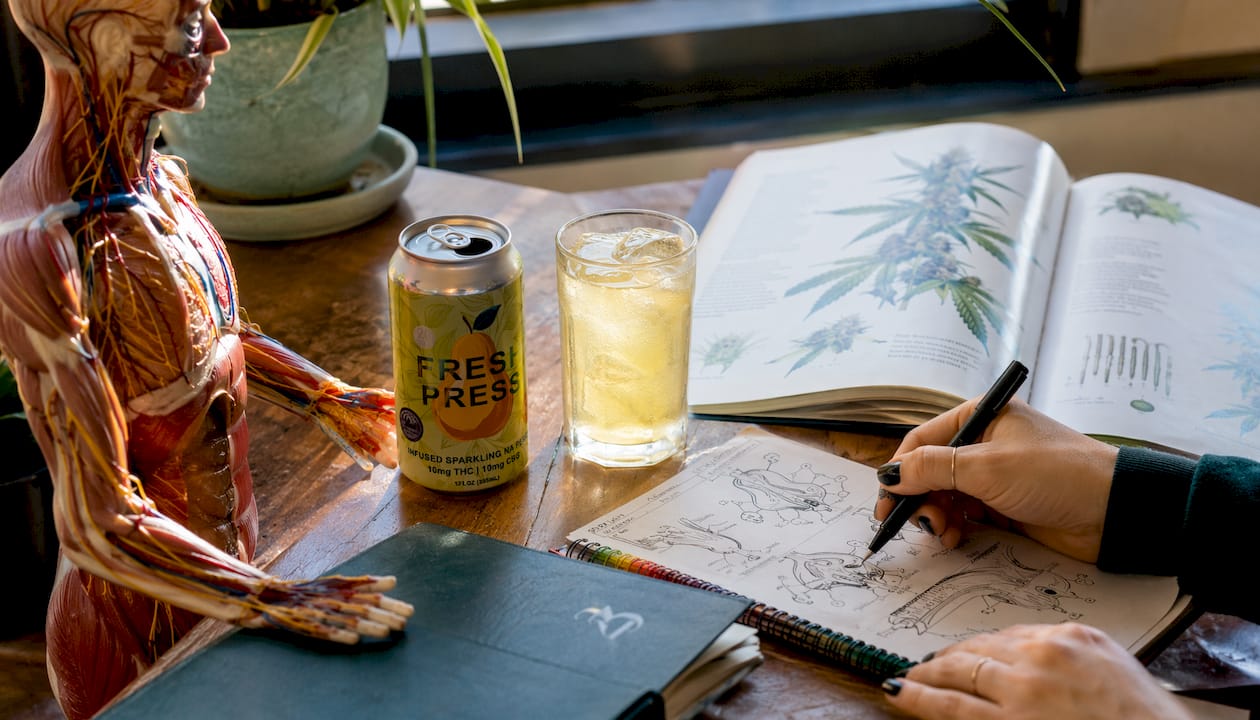
The ECS operates through two primary receptor types. CB1 receptors sit mainly in the brain and central nervous system, governing pain perception, mood, and movement. CB2 receptors concentrate in immune tissue and peripheral organs, playing a larger role in inflammation and immune response. THC acts as a direct agonist at CB1, producing analgesia and euphoria. CBD modulates the system more broadly, influencing CB1 indirectly while also targeting TRPV1, serotonin, and adenosine pathways.
That framing, balancing rather than fixing, is exactly why hemp beverages fit so well into a lifestyle context. You’re supporting a system that already exists, giving it a gentle nudge toward ease and calm.
What current research actually says about cannabinoids for pain
The science on cannabinoids and pain is real, but it comes with honest caveats worth knowing.
A 2018 review of 47 studies covering 4,743 participants found that 29% of people using cannabinoids reported a 30% reduction in pain, compared to 26% on placebo. The gap is small. For clinical treatment, that difference may not be meaningful enough to replace conventional medicine. For recreational wellness use, it suggests cannabinoids do something, even if it’s subtle.
Neuropathic pain responds most consistently to cannabinoid therapy. A 2025 living systematic review found that comparable THC:CBD oral spray is probably associated with small improvements in pain severity for people with chronic neuropathic pain. Inflammatory pain also shows response, particularly with CBD’s TRPV1 activity. Chronic pain more broadly shows modest benefit, with substantial evidence that cannabis is effective for chronic pain in adults, though effect sizes vary.
Side effects are real too. High THC doses can cause dizziness, sedation, and nausea. THC-induced anxiety is a genuine risk at doses above your personal threshold. That’s exactly why low-dose beverages with balanced ratios are the smarter entry point for most people.
How to use hemp-derived cannabis beverages for relaxation and mild pain support
Hemp-derived cannabis beverages offer something most other formats don’t: a social, sippable experience with a gentler, more predictable onset than smoking or edibles. The liquid format means cannabinoids absorb through the digestive tract, typically producing effects within 30–90 minutes that last 2–4 hours.
For mild pain support, muscle recovery after a workout, or just unwinding after a long week, a balanced THC:CBD beverage is your best starting point. The CBD keeps the experience grounded while THC adds the lift. Pairing your drink with light movement, a warm bath, or a low-key social setting amplifies the relaxation effect naturally.
Pro Tip: Sip slowly. Unlike a cocktail, a cannabis beverage doesn’t hit immediately. Give yourself 45–60 minutes before deciding whether you want more.
Tips for a great experience every time:
- Start with 2–5 mg THC per serving, especially if you’re new to the category
- Choose a 1:1 THC:CBD ratio for the most balanced, anxiety-free effect
- Drink water alongside your beverage to stay hydrated and support absorption
- Avoid mixing with alcohol, which can amplify THC’s psychoactive effects unpredictably
- Set your environment intentionally: dim lighting, good music, low stress
- Track how you feel at 60 and 90 minutes before reaching for a second can
What you need to know about hemp-derived cannabinoid laws in the U.S.
Hemp-derived cannabinoids occupy a specific legal space in the United States, defined by the Agriculture Improvement Act of 2018 (commonly called the 2018 Farm Bill). Under federal law, hemp is defined as cannabis containing no more than 0.3% delta-9 THC on a dry-weight basis. Products derived from compliant hemp, including THC and CBD beverages, are federally legal when they meet that threshold.
State laws vary significantly. Some states have embraced hemp-derived THC beverages fully; others have added restrictions on potency, packaging, or retail access. Minnesota, where 23rd State is based, has been a leader in regulated hemp-derived THC beverages, with a framework that allows adults 21 and over to purchase these products legally. Always check your state’s current rules before purchasing, since the regulatory picture continues to evolve.
Whole-plant cannabis has not received FDA approval for any medical condition, though select purified cannabinoid products like dronabinol and CBD are FDA-approved for specific uses. Hemp-derived beverages sit in the wellness and recreational category, not the pharmaceutical one.
How cannabinoids compare to NSAIDs and opioids for pain
Cannabinoids aren’t a direct replacement for conventional pain medications, but understanding where they fit helps you use them wisely.
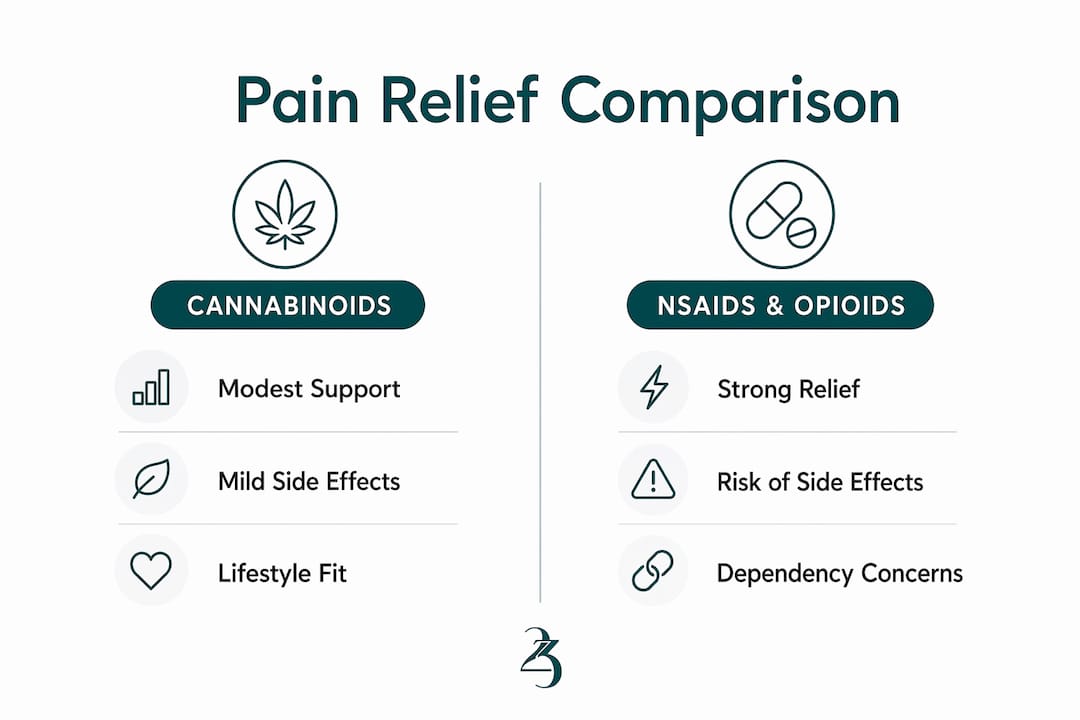
NSAIDs like ibuprofen work by blocking COX enzymes to reduce inflammation at the source. They’re effective for acute pain and inflammation but carry risks with long-term use, including gastrointestinal damage and cardiovascular effects. CBD’s anti-inflammatory action through TRPV1 and other pathways offers a gentler, lower-risk complement for ongoing mild inflammation, though it doesn’t match NSAID potency for acute injury.
Opioids bind to mu-opioid receptors in the brain to block pain signals powerfully, but with significant risks: dependence, tolerance, and overdose. One study of Michigan medical marijuana dispensary patrons found that medical cannabis use was associated with a 64% reduction in opioid use among pain patients. That’s a striking data point, though it reflects self-reported survey data rather than a controlled trial. For recreational consumers, cannabinoids offer a lower-risk way to take the edge off mild discomfort without the dependency profile of opioids.
The honest framing: cannabinoids work best as a complement to a healthy lifestyle, not a substitute for medical care when you genuinely need it.
23rd State FRESH PRESS: crafted for the balanced experience
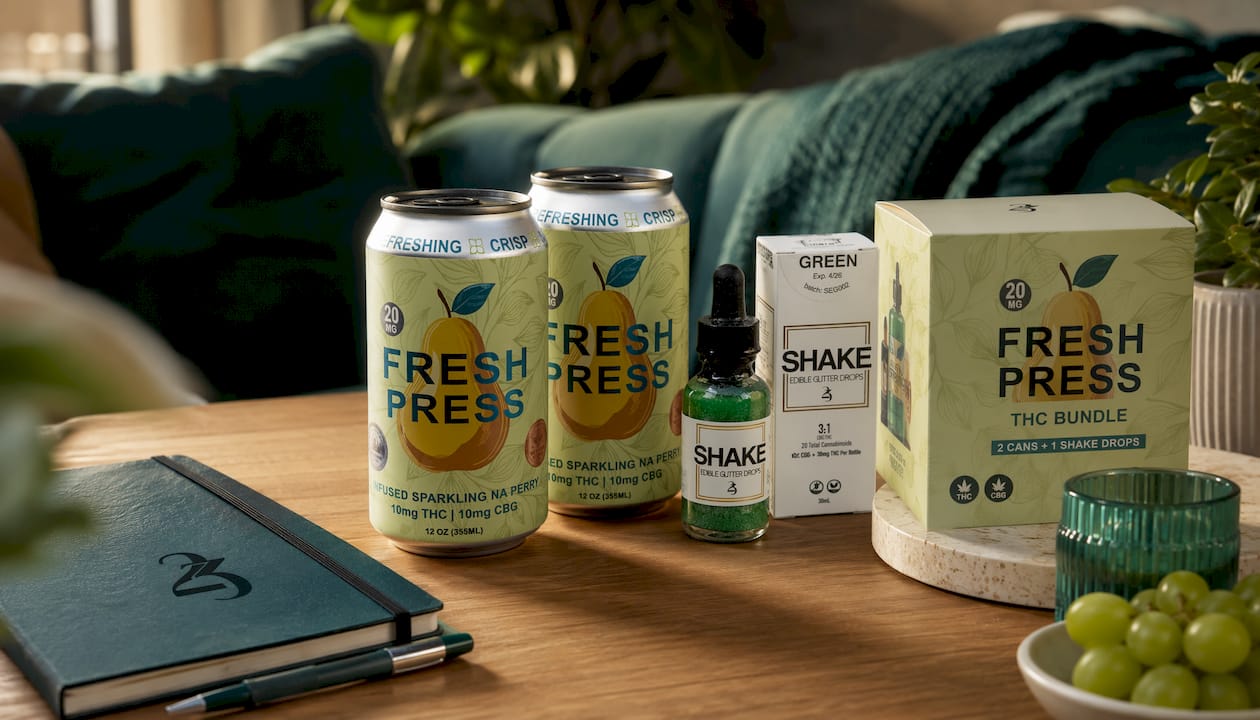
If you’ve read this far, you already know what to look for in a cannabis beverage: a balanced THC:CBD ratio, a low and manageable dose, clean ingredients, and a format that fits your life. That’s exactly what 23state built FRESH PRESS to deliver.
FRESH PRESS is a hemp-derived THC beverage crafted in Minnesota for adults who want the wellness lift without the guesswork. It’s the kind of drink you crack open after a long run, at a Sunday brunch, or on a slow Friday evening when you want to feel good without going overboard. The cannabinoid profile is intentional, the flavor is bright and clean, and the dose is designed to let you find your sweet spot without overshooting it.
Ready to feel the difference? Grab a FRESH PRESS bundle and try a few formats to find what fits your rhythm best.
FAQ
What does cannabinoid therapy for pain actually mean?
Cannabinoid therapy for pain refers to using THC, CBD, or a combination of both to modulate pain signals through the endocannabinoid system. For recreational consumers, this typically means using low-dose hemp-derived products to support mild relief and relaxation rather than treating a medical condition.
Is a 1:1 THC:CBD ratio better for pain relief?
Clinical data from Sativex trials shows that 1:1 THC:CBD combinations outperform either compound alone for pain, particularly neuropathic and MS-related pain. For recreational beverage use, a 1:1 ratio also reduces anxiety risk compared to high-THC products.
How long does it take for a cannabis beverage to relieve pain?
Cannabis beverages typically take 30–90 minutes to produce noticeable effects, with the experience lasting roughly 2–4 hours. Starting with a low dose and waiting at least 60 minutes before drinking more gives you the most controlled, pleasant experience.
Are hemp-derived THC beverages legal in the United States?
Yes, hemp-derived THC beverages are federally legal under the 2018 Farm Bill when the product contains no more than 0.3% delta-9 THC on a dry-weight basis. State laws vary, so checking your local regulations is always a good idea before purchasing.
Can cannabinoids replace ibuprofen or opioids?
Cannabinoids are not a clinical replacement for NSAIDs or opioids for serious pain conditions. They work best as a lower-risk complement for mild discomfort and relaxation, fitting naturally into a wellness routine rather than a medical treatment plan.
Key Takeaways
Cannabinoids offer modest but real support for mild to moderate pain by modulating the endocannabinoid system, with THC and CBD working best together at a balanced ratio.
| Point | Details |
|---|---|
| THC vs. CBD roles | THC provides central analgesia via CB1; CBD reduces inflammation via TRPV1 and modulates THC’s intensity. |
| Research reality | A 2018 review found 29% of cannabinoid users reported 30% pain reduction, versus 26% on placebo. |
| Best ratio for wellness | A 1:1 THC:CBD ratio delivers synergistic pain and mood benefits with lower anxiety risk than THC alone. |
| Beverage onset | Hemp-derived cannabis beverages typically take 30–90 minutes to work; start at 2–5 mg THC and wait before adding more. |
| 23state FRESH PRESS | FRESH PRESS offers a balanced, intentional cannabinoid profile designed for relaxation and mild pain support. |
