

Flavor profiles determine how a hemp-derived beverage or edible tastes, signal what kind of experience you’re likely to have, and predict whether you’ll want to reach for it again. That’s the short answer. The longer one is that terpene-driven flavor design connects your sensory experience directly to mood impressions, and understanding that connection makes you a much more confident shopper.
Three things make flavor profiles worth your attention:
- Sensory enjoyment: Taste and aroma are the first things you notice. A well-designed profile makes the experience genuinely pleasant, not medicinal.
- Mood cues: Certain terpenes correlate with repeatable impressions like energized, relaxed, or focused, giving you a useful preview of what to expect.
- Formulation quality: A clean, stable flavor signals that the brand sweated the details on mouthfeel, bitterness masking, and ingredient integrity.
All hemp-derived products sold in the U.S. must contain ≤0.3% Δ9-THC on a dry-weight basis, so you’re shopping within a regulated framework. Within that, flavor is where the real differentiation lives.
Pro Tip: Before buying, check the terpene list on the label, match the flavor family to your occasion (citrus for daytime, botanical for evening), and try a small format first.
Table of Contents
- What a flavor profile actually means for cannabis products
- How terpenes map to flavor and mood impressions
- Why beverages and edibles taste so different
- Common flavor families and when to pick them
- How to choose a product by flavor profile and desired effect
- Tasting tips that help you get the most from any profile
- Why lab numbers alone don’t tell the whole story
- Key Takeaways
- A note from 23state on intentional flavor design
- Blush Crush: flavor-forward and worth cracking open tonight
- Useful sources and further reading
- FAQ
What a flavor profile actually means for cannabis products
A flavor profile is the full sensory picture: the flavoring ingredients, the terpene and aroma compounds, the sweetness-to-bitterness balance, and the mouthfeel. For hemp beverages and edibles, that means four things working together.
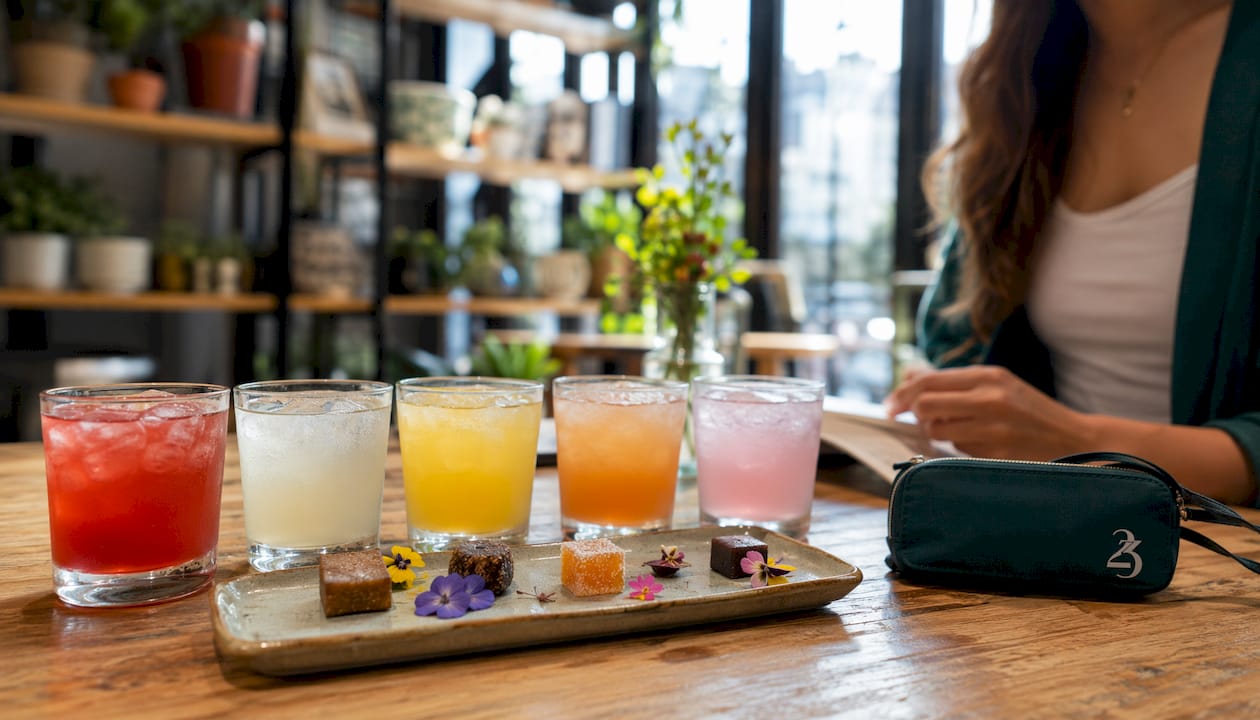
Terpenes are the aromatic molecules that give cannabis its distinctive character. They contribute what sensory scientists call retronasal perception, the aroma you experience through the back of your nose as you sip or chew. A scientific review of cannabis aroma confirms that terpenes, esters, and other volatiles collectively define the sensory profile, and that genetics, cultivation, and processing all shape the final result. Added flavor systems (fruit concentrates, botanical extracts, natural flavors) then build the perceived fruit, dessert, or herbal character on top.
What to check on a label:
- Declared terpenes: Named terpenes (limonene, linalool, myrcene) are more informative than a generic “terpene blend.”
- Flavor family: Citrus, berry, botanical, ginger, mint, or chocolate each signal a different sensory direction.
- Sweetener type: Cane sugar, agave, and stevia all read differently on the palate and affect bitterness masking.
- Allergen and ingredient notes: Especially relevant for edibles with fat matrices (dairy, tree nuts, coconut).
How terpenes map to flavor and mood impressions
Certain terpenes reliably correlate with repeatable mood impressions across sensory panels. A study analyzing a large number of commercial cannabis varieties found correlations between reported flavors, terpene profiles, and subjective effects, giving consumers a real, if imperfect, predictive tool.
| Terpene | Flavor notes | Common mood impression |
|---|---|---|
| Limonene | Bright citrus, lemon zest | Energized, uplifted |
| Myrcene | Earthy, musky, herbal | Relaxed, calm |
| Linalool | Floral, soft lavender | Calm, eased tension |
| Beta-caryophyllene | Peppery, spicy warmth | Focused, grounded |
| Alpha-pinene | Sharp, resinous, pine | Alert, clear-headed |
| Alpha-bisabolol | Subtle floral, chamomile | Gentle calm |
The caveat is real: chemistry is not a guaranteed outcome. Dose, your own biology, and the setting all matter. Machine-learning analyses of cannabis chemical profiles show that specific terpenoids can predict responses beyond THC alone, but individual variation is significant. Use the table as a starting point, not a prescription.
Pro Tip: Pick two terpene anchors that match your intended mood, then find a flavor family you genuinely enjoy. The best experience is one you actually want to drink.
- Use limonene or pinene for a daytime, social occasion.
- Reach for myrcene or linalool when you want to wind down on a Friday evening.
- Beta-caryophyllene pairs well with focused, creative moments.
Why beverages and edibles taste so different
Liquids are unforgiving: there’s no chew time to buffer bitterness, so every flavor decision hits the palate immediately. Beverage formulators must prioritize aroma, mouthfeel, and bitterness masking in ways that edible makers simply don’t have to.
Beverage challenges:
- Cannabinoid bitterness is exposed the moment liquid hits your tongue.
- Aroma volatilizes quickly, so terpene stability and emulsification matter enormously.
- Mouthfeel engineering (carbonation, viscosity, acidity) is as important as flavor; thin beverages amplify off-notes while structured mouthfeel moderates them.
Edible differences:
- A fat matrix (chocolate, coconut oil, butter) buffers bitterness naturally.
- Chew time gives terpenes a moment to bloom, but heat during processing can degrade delicate ones.
- Off-the-shelf fruit flavors can clash with cannabinoids and produce off-notes, making specialized edible flavoring systems worth the investment.
Beverage formulators identify citrus, ginger, and botanical blends as the most reliable tools for masking cannabinoid bitterness while preserving terpene perception in liquids.
Common flavor families and when to pick them
Match the flavor family to the moment. Citrus for daytime energy, botanical or ginger for a balanced food-pairing situation, chocolate or cream for a dessert-style evening wind-down.
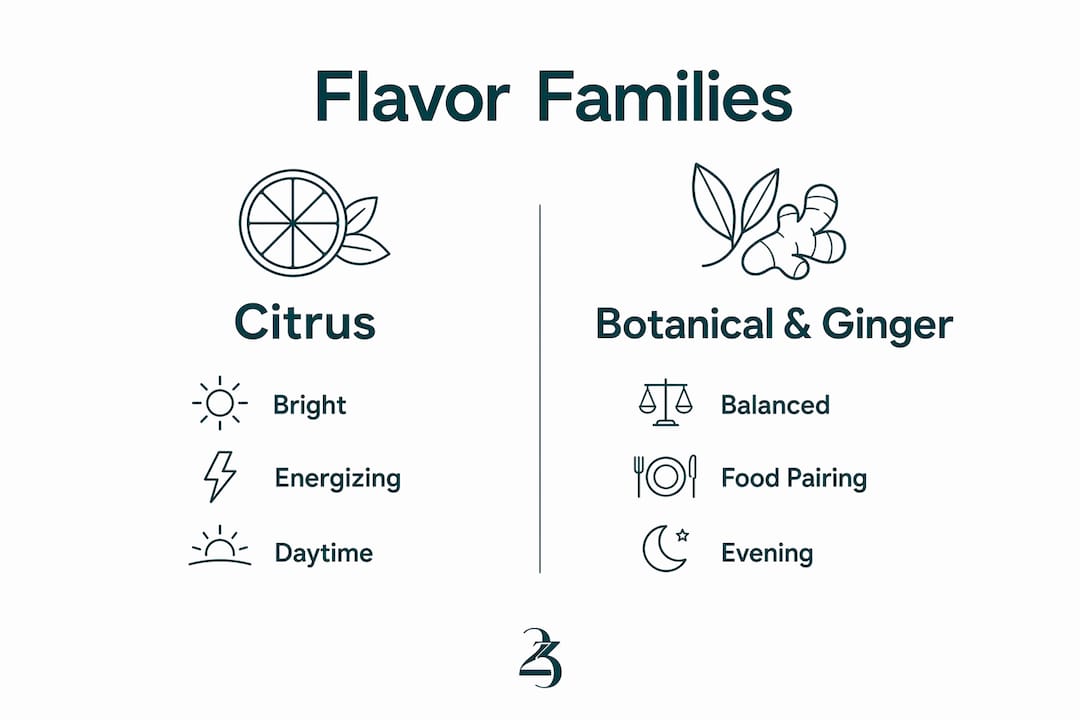
| Flavor family | Tasting notes | Terpene anchors | Best occasion |
|---|---|---|---|
| Citrus | Bright lemon, grapefruit, orange zest | Limonene, pinene | Brunch, daytime, social |
| Ginger | Warm, spicy, slightly sweet | Beta-caryophyllene, myrcene | Food pairing, afternoon |
| Botanical | Herbal, floral, layered | Linalool, bisabolol | Evening, wellness ritual |
| Berry | Juicy, sweet-tart, fresh | Myrcene, terpinolene | Casual, any occasion |
| Mint | Cool, clean, refreshing | Pinene, terpinolene | Post-workout, hot days |
| Chocolate/cream | Rich, dessert-forward, smooth | Myrcene, linalool | Late evening, self-care |
Delicate floral profiles can expose formulation weaknesses if bitterness masking is poor. Citrus and ginger are more forgiving and tend to hold up better across both beverage and edible formats. Keep one flavor-forward option and one terpene-led option in your rotation so you have something for every mood.
How to choose a product by flavor profile and desired effect
Follow five steps and you’ll land on the right product almost every time.
- Pick your occasion. Friday wind-down? Weekend brunch? Post-workout refresh? The setting shapes everything else.
- Choose a flavor family. Use the table above. Citrus and berry for lively moments; botanical and ginger for grounded ones.
- Check terpene anchors. Named terpenes beat vague “terpene blend” labels. Look for at least one terpene that matches your mood intent.
- Match format and dose. New to the category? Start with a lower-dose beverage (2–5 mg per serve) for faster feedback on onset. Edibles take longer to kick in.
- Confirm allergens and ingredients. Especially for edibles with fat matrices or sweeteners that affect your palate.
Your quick checklist before buying:
- Serving milligrams clearly listed
- At least one named terpene on the label
- Flavor family matches your occasion
- Onset time noted (beverages are generally faster)
- Water and a light snack nearby for your first try
Pro Tip: Clear terpene labeling and dosage transparency are the strongest signals that a brand actually engineered the product for a specific experience.
Tasting tips that help you get the most from any profile
Small changes in temperature, carbonation, and serving vessel change perceived flavor more than most people expect. Taste intentionally.
A simple tasting checklist:
- Look: Check color and clarity. Cloudiness in a seltzer can signal emulsification issues.
- Sniff: Bring the can or glass close and breathe in slowly. Most flavor perception happens retronasally, through the nose.
- Sip or chew: Start small. Note the first impression, the mid-palate, and the finish.
- Wait: Beverages typically have a faster onset than edibles. Give it time before reaching for more.
- Record: Jot a quick note on flavor and effect. Sensory journaling builds your personal preference map fast.
Storage tips: Keep beverages cool and away from direct light. Terpenes oxidize and volatilize with heat and UV exposure, dulling bright top notes over time. Carbonated drinks lose their mouthfeel structure once opened, so finish them fresh.
Pro Tip: Pair citrus-forward drinks with spicy or salty snacks; botanical profiles shine alongside light salads or cheese; chocolate-forward edibles are made for late-evening dessert moments.
Why lab numbers alone don’t tell the whole story
Lab values (terpene percentages) are useful, but they’re incomplete. A PLOS One lexicon study found that terpene profiles alone were limited in predicting sensory character, and that terpene chemistry does not consistently map onto aroma perception. Researchers are actively calling for a standardized cannabis flavor wheel, similar to those used in wine, beer, and coffee, to bridge chemical analysis and human sensory language.
Common pitfalls to know:
- Terpenes degrade during heat processing, so a high lab value doesn’t guarantee the same aroma in the finished product.
- Interactions with sweeteners, acids, and carbonation shift how terpenes read on the palate.
- Batch-to-batch variability is real, especially for brands without tight manufacturing controls.
Treat terpene lists as helpful hints, not guarantees. Prioritize brands that publish sensory notes, offer trial sizes, and explain their formulation choices openly.
Key Takeaways
Flavor profiles shape both the taste and the likely mood impression of a hemp-derived beverage or edible, making them the single most practical guide for canna-curious shoppers.
| Point | Details |
|---|---|
| Terpenes signal mood intent | Named terpenes like limonene (energized) and linalool (calm) give you a predictive, if imperfect, experiential cue. |
| Beverages need more formulation work | No chew buffer means bitterness masking and mouthfeel engineering are critical in drinks. |
| Lab numbers have limits | Terpene percentages don’t map cleanly to sensory experience; sensory notes and trial sizes matter more. |
| Match flavor family to occasion | Citrus for daytime, botanical or ginger for balance, chocolate for evening wind-down. |
| 23rd State’s Blush Crush | A terpene-aware, intentionally designed hemp beverage built for the canna-curious consumer. |
A note from 23rd State on intentional flavor design
At 23rd State, flavor isn’t an afterthought. Every product starts with a question: what experience do we want you to have, and how does the flavor profile support that? That means choosing terpene anchors that align with a mood intent, engineering mouthfeel so the drink feels premium from the first sip, and making sure the flavor holds up from batch to batch.
The Blush Crush range is where that philosophy is most visible. It’s designed for the canna-curious consumer who wants something genuinely delicious and thoughtfully dosed, not just a functional drink with a label slapped on it.
Blush Crush: flavor-forward and worth cracking open tonight
BLUSH CRUSH is 23rd State’s clearest example of terpene-aware flavor engineering. The profile is bright and fruit-forward, with terpene anchors chosen to complement a relaxed, social mood. Mouthfeel is structured, not thin, so the bitterness masking actually works. Dosage is transparent and clearly listed per serve, which is exactly what a first-time buyer needs to feel confident.
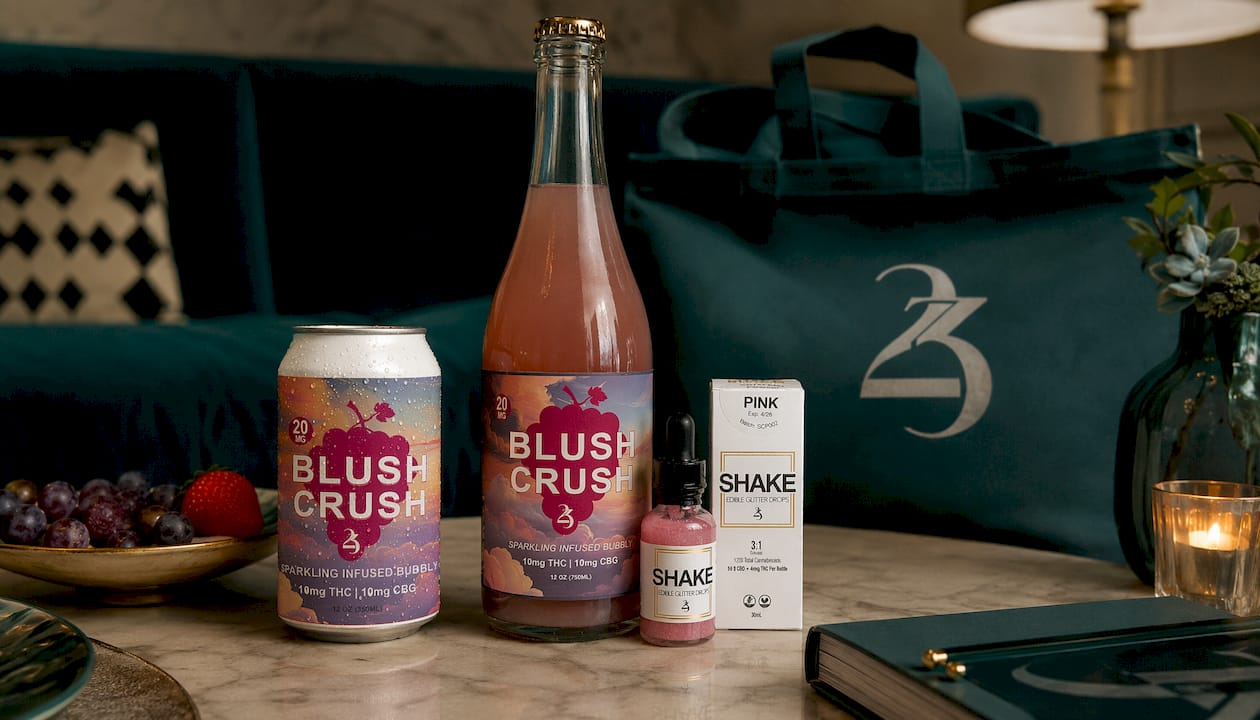
The BLUSH CRUSH THC Bundle is the smart way to try the full range at a better value per can. It’s ideal for a weekend gathering, a self-care Friday, or just stocking your fridge with something you’ll actually look forward to.
All 23rd State products are hemp-derived and compliant with the U.S. federal definition of hemp (≤0.3% Δ9-THC). No medical claims, just great flavor and a clear label. Grab the bundle and see what intentional flavor design actually tastes like.
Useful sources and further reading
The science and brand education behind this article:
- Exploring aroma and flavor diversity in Cannabis sativa L. — peer-reviewed review proposing a cannabis flavor wheel and covering terpene-to-sensory translation.
- Beyond potency: A proposed lexicon for Cannabis aroma (PLOS One) — sensory lexicon study showing terpene chemistry alone doesn’t predict aroma.
- Relationship among subjective responses, flavor, and chemical composition across 800+ cannabis varieties — large-scale data linking terpene profiles to reported effects.
- The science behind cannabis beverages (MG Magazine) — beverage formulation expert insight on masking and mouthfeel.
- Understanding cannabis terpenes for wellness — 23rd State’s beginner-friendly terpene primer.
- The science behind infused drinks — 23rd State’s deep dive on delivery systems and onset.
Start with the terpene primer if you’re brand new, then come back to the flavor wheel research once you’ve tried a product or two. Sensory journaling alongside your first few cans will teach you more than any lab report.
FAQ
What are flavor profiles in hemp beverages and edibles?
A flavor profile is the combination of terpenes, flavoring ingredients, sweetness-to-bitterness balance, and mouthfeel that defines how a product tastes and smells. It’s the full sensory picture, not just the listed flavor name.
Do terpenes actually affect how you feel?
Research linking terpene profiles to mood impressions is promising but not definitive. A study of nearly 887 commercial cannabis varieties found correlations between terpene profiles and reported effects, though individual response varies with dose and biology.
Why do cannabis beverages taste different from edibles?
Beverages expose bitterness and aroma instantly with no chew buffer, so formulation demands are higher. Edibles use fat matrices and chew time to naturally moderate bitterness, giving formulators more flexibility.
How do I read a terpene label when shopping?
Look for named terpenes (limonene, linalool, myrcene) rather than a generic “terpene blend.” Named terpenes signal that the brand engineered the product for a specific experience and give you a real mood cue to work with.
What’s a good first hemp beverage for someone new to the category?
Start with a lower-dose, flavor-forward option like Blush Crush from 23rd State. Clear dosage labeling, a bright fruit-forward profile, and structured mouthfeel make it approachable for first-timers.
