

TL;DR:
- Cannabinoids interact with the body’s endocannabinoid system to influence mood, pain, and inflammation. FDA-approved medications like Epidiolex and dronabinol are among the few backed by clinical evidence, while consumer hemp products lack standardization. Responsible use involves starting low, choosing tested products, and understanding individual health conditions.
Cannabinoids are chemical compounds that interact with the body’s endocannabinoid system to influence health and wellness. This system runs through your brain, organs, and immune cells, acting like a biological thermostat for mood, pain, sleep, and inflammation. The role of cannabinoids in health spans from FDA-approved medications for epilepsy to the growing world of hemp-derived beverages you can crack open on a Friday night. Understanding the difference between pharmaceutical-grade cannabinoid drugs and consumer hemp products is the key to using them wisely and joyfully.
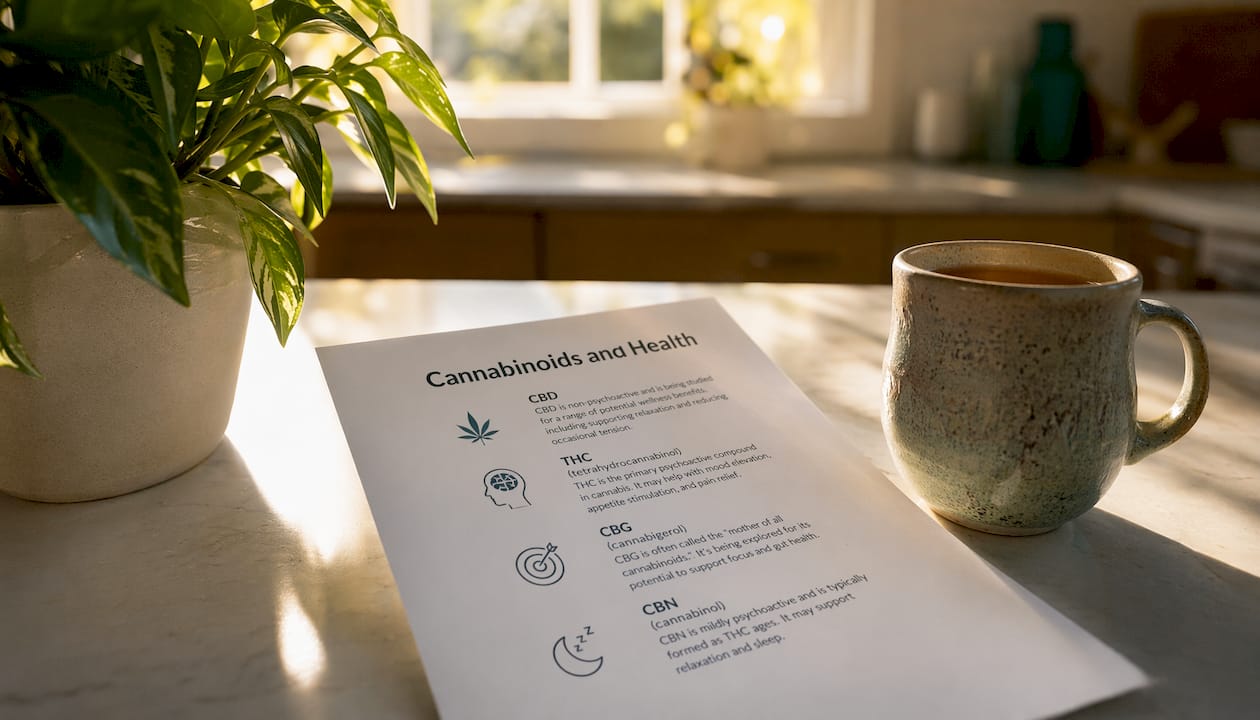
What is the role of cannabinoids in health?
Cannabinoids work by binding to CB1 and CB2 receptors throughout your body. CB1 receptors concentrate in the brain and nervous system, while CB2 receptors appear mainly in immune tissues. This dual-receptor system means cannabinoids modulate neural excitability, inflammation, and immune responses simultaneously. That broad reach is exactly why researchers find them so interesting.
The clinical evidence is strongest for two conditions. Purified CBD, sold as Epidiolex, treats drug-resistant epilepsy with documented success. The FDA has also approved synthetic THC derivatives, dronabinol and nabilone, for chemotherapy-induced nausea and severe weight loss. These are FDA-approved cannabinoid medications, not wellness supplements. That distinction matters enormously when you are evaluating what cannabinoids can realistically do for you.
What are the evidence-based therapeutic uses of cannabinoids?
The clinical record for cannabinoids is specific, not sweeping. Here is what the research actually supports:
- Epilepsy: Purified CBD reduces seizure frequency in drug-resistant forms like Dravet syndrome. Clinical trials show it works, though it commonly causes somnolence and gastrointestinal side effects at high doses.
- MS spasticity: Cannabinoid-based medicines reduce muscle spasticity in multiple sclerosis patients with meaningful clinical benefit.
- Nausea and cachexia: Dronabinol and nabilone reduce chemotherapy-induced nausea and support appetite in severe weight loss conditions.
- Sleep and tic disorders: Limited evidence supports00015-5) cannabinoids for reducing insomnia severity and tic frequency in conditions like Tourette syndrome.
- Mental health: A 2026 systematic review found no evidence that cannabinoids benefit bipolar disorder, anxiety, ADHD, PTSD, OCD, or anorexia nervosa.
That last point surprises many people. The wellness conversation around CBD and anxiety is loud, but the clinical data is not there yet. High placebo response rates and inconsistent product formulations limit the conclusions researchers can draw from most studies outside epilepsy and MS.
Pro Tip: If you are using cannabinoids alongside prescription medications, especially antiseizure drugs, talk to your doctor first. Cannabinoids interact with drugs like clobazam through pharmacokinetic pathways that require clinical monitoring.
How do cannabinoids work in the body?
The pharmacology of cannabinoids is genuinely fascinating. THC and CBD share a plant origin but behave very differently once inside your body.
THC binds directly to CB1 receptors in the brain, producing its well-known psychoactive effects. It also engages CB2 receptors, contributing to anti-inflammatory activity. CBD takes a different path entirely. It acts non-intoxicatingly across multiple receptor systems, including serotonergic, vanilloid (TRPV1), and endocannabinoid targets. That multi-target profile gives CBD its anxiolytic, neuroprotective, and anti-inflammatory potential without the high.
| Mechanism | Cannabinoid | Health effect |
|---|---|---|
| CB1 receptor activation | THC | Mood shift, pain relief, appetite stimulation |
| CB2 receptor activation | THC, CBD | Reduced inflammation, immune modulation |
| Serotonin (5-HT1A) activity | CBD | Anxiolytic and mood-stabilizing potential |
| TRPV1 channel modulation | CBD | Pain and temperature regulation |
| PPAR receptor activation | CBD, THC | Inflammation reduction, metabolic effects |
Cannabinoids also reduce inflammation and pain through TRP channels and PPARs, two receptor families involved in how your body senses and responds to physical stress. This explains why cannabinoids show up in research on everything from arthritis to post-exercise recovery.
Pro Tip: CBD’s diverse receptor activity makes it especially interesting for conditions with overlapping neurological and inflammatory symptoms. The clinical data is still emerging, but the biological rationale is solid.
What are the risks and limits of cannabinoid use for wellness?
Cannabinoids are not one-size-fits-all. Therapeutic effects depend strongly on disease context, dosage, and individual biology. That means personalized approaches matter far more than universal wellness claims you see on product labels.
The gap between pharmaceutical and consumer products is wide. Pharmaceutical-grade cannabinoid drugs go through rigorous clinical trials, standardized dosing, and regulatory review. Consumer hemp-derived products lack that oversight, raising real questions about consistency and safety. A CBD gummy and Epidiolex are not the same thing, even if both contain CBD.
Key risks to keep in mind:
- Drug interactions: Cannabinoids can affect how your liver processes other medications, particularly antiseizure drugs, blood thinners, and antidepressants.
- Sedation: High doses of CBD and THC both cause drowsiness. This is underrepresented in consumer marketing.
- Cannabis use disorder: Unregulated high-THC products 00015-5) carry a real risk of dependence that clinical trial data using pharmaceutical formulations does not fully capture.
- Gastrointestinal effects: Nausea, diarrhea, and appetite changes appear at therapeutic doses in clinical settings.
Understanding the legal limits for THC in your state is also a practical first step before you add any cannabinoid product to your routine. Staying within legal and sensible dose ranges keeps the experience positive.
How can cannabinoids fit into a daily wellness routine?
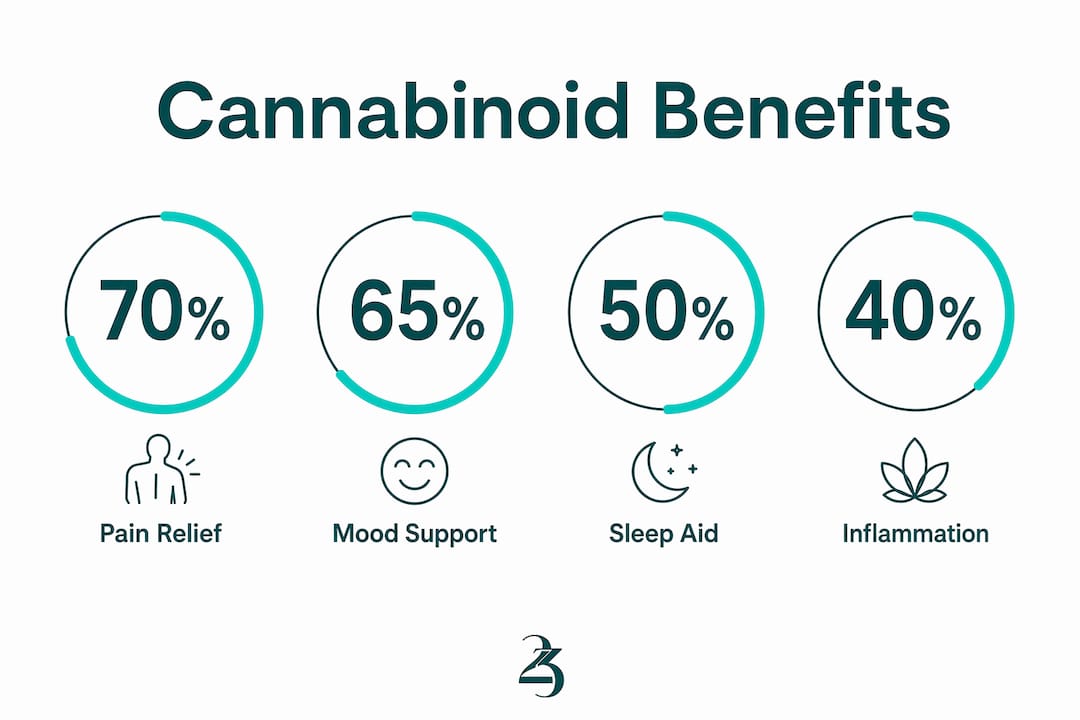
Cannabinoids have potential roles in pain management, inflammation reduction, sleep support, and mood modulation. The research calls for more clinical trials in many of these areas, but the biological pathways are real and the early evidence is encouraging. The key is starting thoughtfully.
Choosing the right format
Different delivery formats change how quickly cannabinoids take effect and how long they last. Here is a quick comparison:
| Format | Onset time | Duration | Best for |
|---|---|---|---|
| Beverages | 15–45 minutes | 2–4 hours | Social settings, controlled dosing |
| Capsules/oils | 30–90 minutes | 4–6 hours | Consistent daily use |
| Inhalation | 1–5 minutes | 1–3 hours | Fast relief, less precise dosing |
| Edibles | 45–120 minutes | 4–8 hours | Long-lasting effect, variable onset |
Beverages stand out for wellness newcomers because the dose is visible, the onset is predictable, and the experience feels social rather than clinical. Cannabinoid beverages offer an accessible format with balanced dosage and faster onset compared to traditional edibles.
Tips for starting with cannabinoids safely
- Start with a low dose, around 2–5 mg of THC or a moderate CBD serving, and wait at least an hour before considering more.
- Choose products with clear, third-party tested labels so you know exactly what you are getting.
- Avoid mixing cannabinoids with alcohol, especially when you are new to the category.
- Keep a simple log of how you feel after each session. Dosage, timing, and context all affect your experience.
- Read up on THC effects and consumption before your first try so nothing catches you off guard.
The goal is a good time, not a science experiment. Low and slow is the move.
Key Takeaways
Cannabinoids offer real, evidence-backed health benefits in specific clinical contexts, but responsible, informed use separates a great experience from a frustrating one.
| Point | Details |
|---|---|
| Endocannabinoid system is the target | CB1 and CB2 receptors govern how cannabinoids affect mood, pain, and inflammation. |
| FDA approvals are narrow but real | Epidiolex, dronabinol, and nabilone are the only clinically validated cannabinoid drugs. |
| CBD and THC work differently | THC activates CB1 directly; CBD acts across serotonin, TRPV1, and endocannabinoid pathways without intoxication. |
| Consumer products differ from pharmaceuticals | Hemp-derived products lack the standardization and clinical evidence of prescription cannabinoid medicines. |
| Beverages offer a practical entry point | Controlled dosing and social format make cannabinoid drinks a smart starting place for wellness-curious adults. |
What I have learned from watching cannabinoid science evolve
The science of cannabinoids is one of the most exciting and most overhyped areas in health right now. I have watched the conversation swing from “CBD cures everything” to “the evidence is weak” and back again. The truth sits somewhere more interesting than either extreme.
What I find genuinely compelling is the biological specificity. The endocannabinoid system is not a marketing concept. It is a real, well-documented network that cannabinoids engage in measurable ways. The epilepsy data is hard to argue with. The MS spasticity data is solid. Beyond those two areas, the honest answer is that we are still learning.
What I push back on is the idea that because the clinical trials are incomplete, cannabinoids have no place in a wellness routine. That is too cautious. A well-dosed, quality-made hemp beverage at the end of a long week is not a medical intervention. It is a pleasurable, low-risk way to wind down. The key word is quality. Products with clear dosing, clean ingredients, and transparent sourcing are a different category from mystery gummies with no lab testing.
My advice: treat cannabinoid science with curiosity, not reverence or dismissal. Use products you trust, start low, and pay attention to how your body responds. The celebration is the point. The science just makes it smarter.
— Leah Kollross, founder, 23rd State
23rd State’s Fresh Press: cannabinoid wellness made approachable
Ready to put this knowledge to work in the most enjoyable way possible? 23rd State’s Fresh Press THC beverages are crafted for exactly this moment. Each can delivers a balanced, clearly labeled dose of hemp-derived THC in a bright, refreshing format that fits naturally into your wellness routine, whether that is a post-workout wind-down or a Saturday brunch with friends.
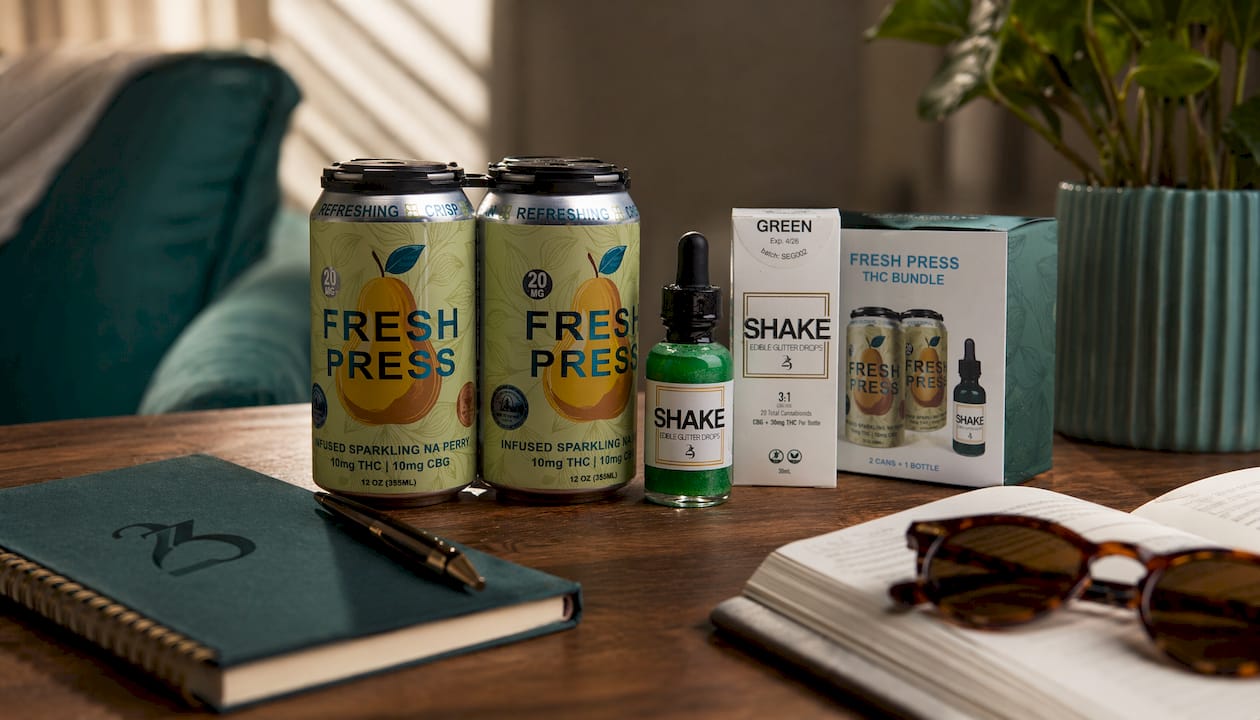
Fresh Press is formulated for people who want the benefits of cannabinoids without the guesswork of unregulated products. The dosing is intentional, the flavors are vivid, and the experience is designed to feel good from the first sip. If you want to sample a few varieties before committing, the Fresh Press bundle is the easiest way to find your favorite. Good science deserves a good drink.
FAQ
What does the endocannabinoid system do?
The endocannabinoid system regulates mood, pain, sleep, and immune response through CB1 and CB2 receptors distributed throughout the brain and body. Cannabinoids from plants like hemp interact with this system to produce their health effects.
Which cannabinoids have FDA approval?
The FDA has approved Epidiolex (purified CBD) for drug-resistant epilepsy, and dronabinol and nabilone (synthetic THC derivatives) for chemotherapy-induced nausea and severe weight loss. No other cannabinoid products carry FDA approval for medical use.
Does CBD help with anxiety?
Current clinical evidence does not confirm that CBD reliably reduces anxiety in humans. High placebo response rates and inconsistent product formulations make it difficult to draw firm conclusions outside of epilepsy and MS research.
What is the safest way to try cannabinoids for wellness?
Start with a low dose (2–5 mg THC or a moderate CBD serving), choose a product with clear third-party lab testing, and avoid combining with alcohol. Cannabinoid beverages are a practical starting point because the dose is visible and the onset is predictable.
Are hemp-derived cannabinoid products the same as prescription cannabinoid drugs?
No. Pharmaceutical-grade cannabinoid medications like Epidiolex go through rigorous clinical trials and regulatory review. Consumer hemp-derived products lack that standardization and oversight, which means potency, purity, and safety can vary significantly between brands.
