

TL;DR:
- Wellness enhancement involves practicing interconnected habits across physical, mental, and emotional health. Prioritizing foundational pillars like movement, sleep, stress management, and social connection creates lasting benefits. Cannabis beverages can complement a wellness routine by supporting relaxation and social moments naturally.
Wellness enhancement is defined as the intentional practice of combining physical, mental, and emotional health habits to build a fuller, more resilient life. The most effective ways to enhance wellness do not live in isolation. Wellness is an interconnected system, meaning neglecting one dimension quietly chips away at the others. Harvard Health frames self-care as a clinical approach to disease prevention, not a luxury. That reframe changes everything. Whether you are canna-curious, sober-curious, or simply ready to feel better on a Tuesday, this guide gives you the research-backed habits that actually move the needle.
1. Ways to enhance wellness through regular movement
Physical activity is the single most studied wellness intervention available to you. The NIDDK recommends at least 150 minutes of moderate-intensity aerobic activity every week. That works out to about 22 minutes a day, which is genuinely achievable.
The benefits stack up fast:
- Cardiovascular health: Brisk walking and swimming strengthen the heart and lower blood pressure.
- Metabolic function: Regular movement improves insulin sensitivity and supports a healthy weight.
- Mental clarity: Exercise raises endorphins and reduces cortisol, the stress hormone.
- Immune support: Moderate activity reduces inflammation markers linked to chronic disease.
Spread activity across at least three days to reduce injury risk. Variety matters too. Rotate between walking, yoga, dancing, and swimming to keep your body adapting and your mind engaged. Recovery days are not optional. They are when your muscles actually rebuild.
Pro Tip: Start with a single 10-minute walk after dinner. Research consistently shows that small, consistent movement habits build momentum faster than ambitious plans that collapse by week two.
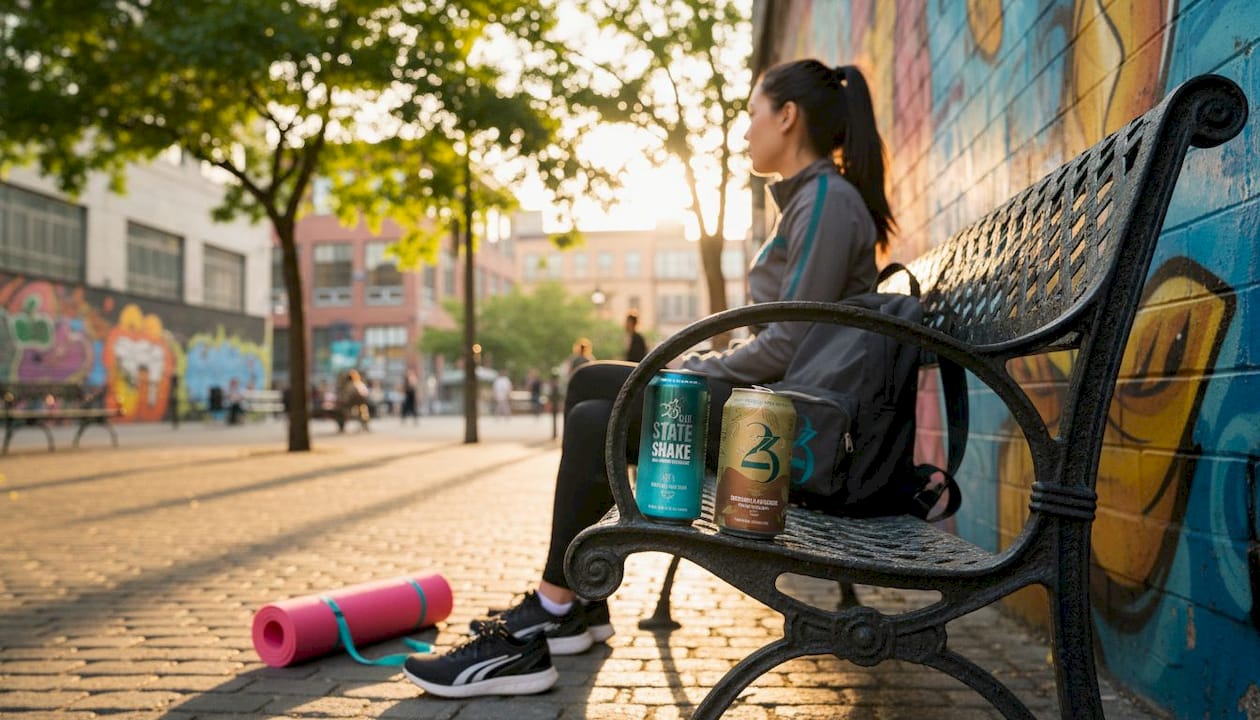
2. Mindful nutrition and hydration as pillars of wellbeing
What you eat directly shapes how you think, feel, and recover. Five key lifestyle habits, including eating well, moderate activity, maintaining a healthy weight, limiting alcohol, and not smoking, extend life expectancy by roughly a decade. That is not a small return.
Build your plate around these principles:
- Whole, plant-rich foods: Fiber-rich vegetables, legumes, and whole grains feed your gut microbiome and stabilize blood sugar.
- Lean proteins: Eggs, fish, and beans support muscle repair and sustained energy.
- Healthy fats: Avocado, olive oil, and nuts reduce inflammation and support brain function.
- Consistent hydration: Even mild dehydration impairs focus and emotional regulation. Aim for water as your primary drink throughout the day.
Meal planning removes the daily decision fatigue that leads to poor choices. Spend 30 minutes on Sunday mapping out three dinners. You will eat better all week without thinking about it.
Alcohol moderation is part of this picture too. Moderate consumption limits are defined as one drink per day for women and two for men. Many adults are now exploring cannabis beverage alternatives as a way to enjoy social moments with less impact on sleep and recovery.
3. Effective stress management and mindfulness techniques
Chronic stress is not just uncomfortable. It physically reshapes your brain and body over time. A meta-analysis of 3,284 participants found that yoga and daily breathwork lower cortisol and ease anxiety measurably. Five minutes of deep breathing, three to five times a week, produces real results.
Practical techniques to build into your day:
- Box breathing: Inhale for four counts, hold for four, exhale for four, hold for four. Repeat four times.
- The Objective Viewer: Observe a stressful thought as if you are watching it from outside yourself. A 2025 mindfulness review confirmed this technique reduces anxiety by training your nervous system to respond rather than react.
- Body scan meditation: At lunch, spend five minutes mentally checking in from head to toe. Notice tension without judgment.
- Morning breathwork: Do your breathing practice before your first coffee. It sets your nervous system baseline for the day.
Pro Tip: Pair your stress management practice with a cannabis mindfulness workflow. A low-dose THC beverage before a short meditation session can soften the mental chatter and make it easier to settle in, especially on high-stress days.
4. Importance of quality sleep for wellbeing
Sleep is not passive recovery. It is when your brain consolidates memory, your body repairs tissue, and your cortisol resets. Poor sleep disrupts cortisol and gut health, which then makes stress harder to manage the next day. The cycle feeds itself.
The research is clear on duration: 7–9 hours per night supports all major wellness systems. Consistency matters as much as quantity. Going to bed and waking at the same time every day, even on weekends, anchors your circadian rhythm.
Optimize your sleep environment with these habits:
- Cool and dark room: A temperature around 65–68°F signals your body to drop its core temperature for sleep.
- Screen-free wind-down: Blue light from phones suppresses melatonin. Put screens away 45–60 minutes before bed.
- Consistent pre-sleep ritual: A warm shower, light stretching, or reading signals your nervous system that sleep is coming.
- Track your sleep: A simple journal noting bedtime, wake time, and morning energy gives you data to improve over weeks.
When sleep improves, every other wellness habit gets easier. Your workouts feel better. Your food choices sharpen. Your mood lifts without effort.
5. Building social connections and purposeful reflection
Strong social ties are one of the most underrated wellness strategies available. Meaningful social interactions and gratitude journaling reduce loneliness and build mental resilience over time. Loneliness, by contrast, carries health risks comparable to smoking 15 cigarettes a day.
You do not need a packed social calendar. You need depth, not volume. A few ways to build it:
- Weekly meaningful conversations: Schedule a call or coffee with someone who energizes you. Put it on the calendar like a meeting.
- Group hobbies: Join a yoga class, a hiking group, or a cooking club. Shared activity creates connection faster than conversation alone.
- Volunteering: Giving time to a cause you care about boosts mood and creates community simultaneously.
- Gratitude journaling: Write three specific things you appreciated each day. Specificity matters. “The afternoon light through the kitchen window” lands differently than “I’m grateful for my home.”
Cannabis beverages fit naturally into social wellness moments. A chilled SHAKE at a backyard gathering or a Friday wind-down with friends creates the kind of relaxed, present connection that actually nourishes you. Celebration is a legitimate wellness practice.
Key takeaways
The most effective approach to wellness combines movement, nutrition, sleep, stress management, and social connection as a single integrated system rather than isolated habits.
| Point | Details |
|---|---|
| Move daily, even briefly | 150 minutes of moderate activity weekly supports heart, metabolism, and mental health. |
| Eat whole, drink water | Fiber-rich foods and consistent hydration stabilize mood, energy, and gut health. |
| Manage stress with breathwork | Five minutes of daily deep breathing measurably lowers cortisol and anxiety. |
| Prioritize 7–9 hours of sleep | Consistent sleep resets cortisol, supports recovery, and makes every other habit easier. |
| Invest in social depth | Meaningful relationships and gratitude journaling reduce loneliness and build resilience. |
What I’ve learned about building wellness that actually sticks
The biggest mistake I see is trying to overhaul everything at once. Sleep, stress, and movement are your foundational pillars. Stabilize those three before you add supplements, cold plunges, or advanced breathwork protocols. Improvements in one area trigger positive shifts in the others. That momentum is real, and it builds fast.
Work with one practice at a time. Avoiding wellness saturation means resisting the urge to layer five new habits in a single week. Most disciplines cover multiple wellness dimensions on their own. Yoga addresses movement, stress, and mindfulness simultaneously. You do not need to do more. You need to do less, better.
Wellness is also not a destination with a finish line. It is dynamic and cyclic. Your priorities shift with seasons, stress loads, and life events. Reassess regularly. Adjust without guilt. The goal is not a perfect score. It is a life that feels genuinely good to live, with room for celebration, rest, and the occasional sparkling SHAKE on a warm evening.
— Leah Kollross, founder, 23rd State
23rd State SHAKE: a chill companion for your wellness routine
Ready to add a little sparkle to your self-care ritual?

23rd State’s SHAKE cannabis beverage is handcrafted for exactly this kind of intentional living. It is a finely dosed, hemp-derived THC drink designed to fit naturally into your wind-down, your weekend brunch, or your Friday celebration. The flavor is bright and refreshing, the dose is approachable for newcomers, and the experience is genuinely enjoyable. 23rd State is built for the canna-curious adult who wants a quality alternative to alcohol without sacrificing the social moment. No prior cannabis experience needed. Just crack one open and see how good a relaxed evening can feel.
FAQ
What are the best ways to enhance wellness daily?
The most effective daily habits combine at least 20 minutes of movement, whole-food nutrition, 7–9 hours of sleep, and a brief stress management practice like box breathing or body scan meditation. Consistency across all four areas produces the strongest results.
How does stress management improve mental health?
Techniques like yoga and daily breathwork lower cortisol, the primary stress hormone, which directly improves anxiety, memory, and emotional regulation. A meta-analysis of 3,284 participants confirmed measurable benefits from just five minutes of breathwork three to five times per week.
Can social connection really affect physical health?
Yes. Meaningful social interactions reduce loneliness, which carries documented physical health risks. Gratitude journaling and group activities both build the mental resilience that supports long-term wellbeing.
How much sleep do adults need for good health?
Adults need 7–9 hours of consistent sleep per night. A regular sleep schedule, a cool and dark bedroom, and a screen-free wind-down routine all support sleep quality and help reset cortisol levels overnight.
Is cannabis a healthy lifestyle habit?
Hemp-derived THC beverages like SHAKE from 23state are not medical treatments. They are a lifestyle choice that many adults use to support relaxation and social connection as part of a broader wellness routine. No medical claims apply.
