

TL;DR:
- Tracking cannabis with milligram detail and contextual notes helps personalize and improve health outcomes. Consistently recording pre- and post-effects reduces memory bias, revealing patterns in dosing, timing, and environment. Using simple tools like a notebook or app supports sustainable habits that make your wellness routine reliable and data-driven.
Wellness tracking with cannabis is the practice of logging your consumption, effects, and contextual factors to personalize your cannabis use for real health benefits. Think of it as a self-care ritual with receipts. Instead of guessing why Tuesday’s session felt great and Thursday’s felt flat, you build a personal data set that actually tells you something. Data-informed cannabis use links to improved outcomes for sleep, anxiety, and pain management in the majority of people who try it. That’s not a small thing. That’s your Friday wind-down working smarter.
What key factors should you track for cannabis wellness?
The most common mistake new trackers make is logging too little. Vague notes like “felt relaxed” or “took a piece” tell you almost nothing a week later. The industry standard for cannabis consumption monitoring starts with one number: milligrams of THC.
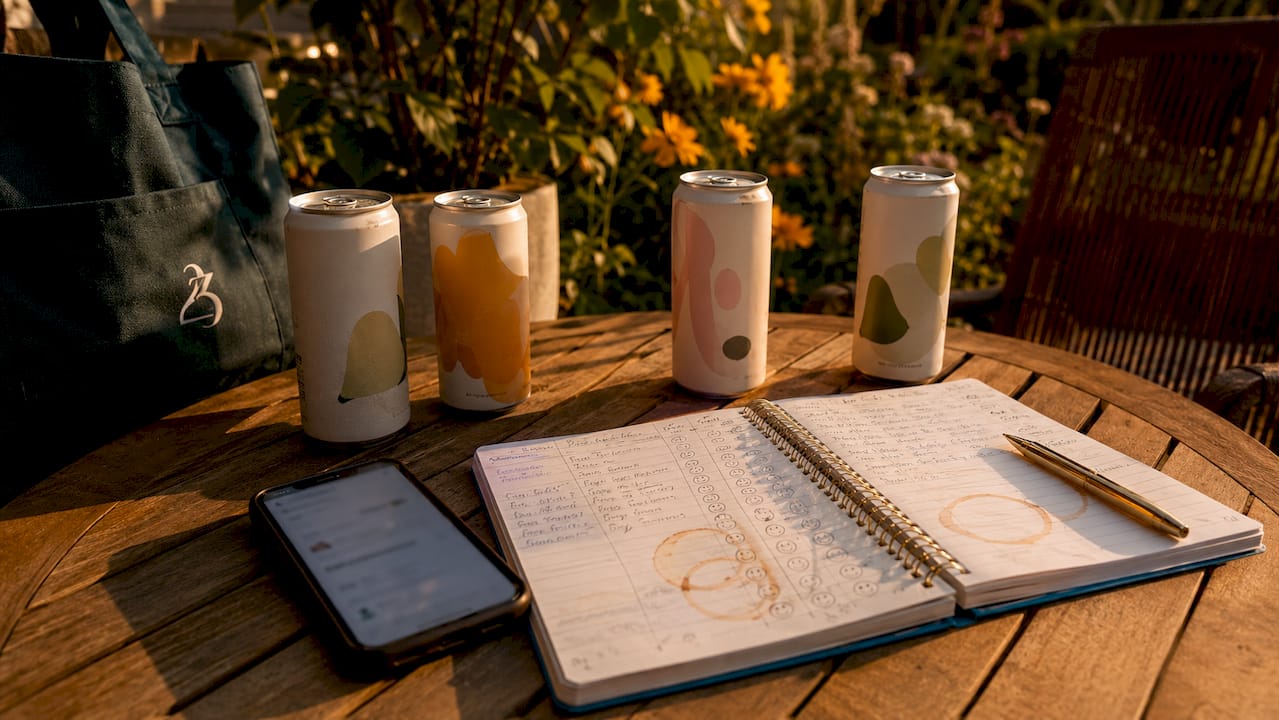
One standard THC unit equals 5 mg. That single fact changes how you read a product label, a recipe, or your own notes. Once you think in milligrams, your log becomes comparable across sessions, products, and weeks.
Here is what a complete log entry covers:
- Dose: mg of THC (and CBD or CBG if present)
- Product type: beverage, edible, inhalation, tincture
- Strain or terpene profile: indica-leaning, sativa-leaning, or hybrid; dominant terpenes like myrcene or limonene
- Timing: time of day, time since last meal, hydration level
- Mood before use: rated 1–10 on a simple scale
- Setting: solo at home, social gathering, outdoor activity
- Onset time: how many minutes until you felt an effect
- Duration: how long the effect lasted
- Symptom ratings: before and after, on a 1–10 scale for sleep quality, anxiety, pain, or focus
Contextual details like mood, food, and setting fundamentally shape your cannabis experience. A 5 mg THC beverage on an empty stomach hits differently than the same dose after a full dinner. Your log captures that difference so you stop being surprised by it.
Pro Tip: Rate your mood and target symptom before you consume, not after. That pre-session number is the baseline that makes your post-session rating meaningful.
Which tools and methods help you track cannabis consumption?
You have real options here, from a $2 notebook to a dedicated app. The right tool is the one you will actually use consistently.
| Tool category | Best for | Privacy level | Key feature |
|---|---|---|---|
| Paper journal | Beginners, low-tech preference | Highest | No data sharing, fully customizable |
| Spreadsheet (Excel, Google Sheets) | Data-oriented trackers | Medium | Easy sorting, charts, export |
| Notes app (Apple Notes, Notion) | Quick daily logging | Medium | Syncs across devices, searchable |
| Specialized cannabis tracking apps | Users wanting guided prompts | Lower | Built-in scales, reminders, visualizations |
Digital cannabis tracking tools offer reminders, data visualization, and export options. That last feature matters if you ever want to share your log with a healthcare provider. The trade-off is data privacy. Specialized apps may store your consumption history on third-party servers. Read the privacy policy before you sign up.
The split-log method
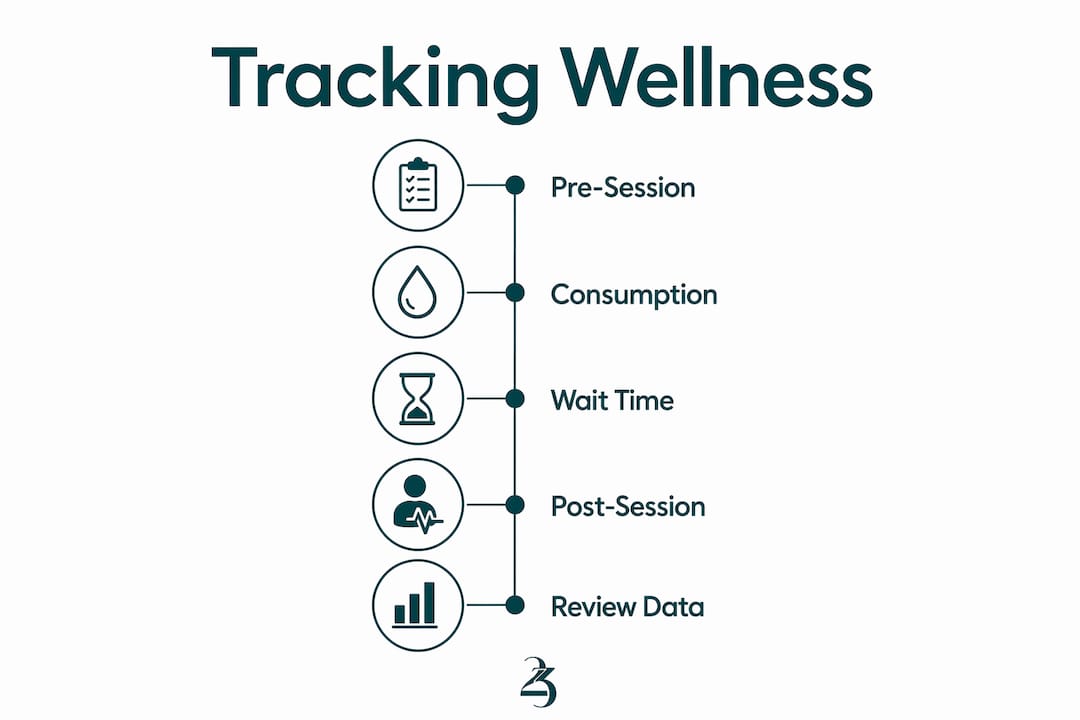
The split-log method separates your log into two distinct entries: one before you consume and one after. You record product details, dose, mood, and setting before you start. Then, 30–60 minutes later, you return to log onset time, effect intensity, and symptom ratings. This approach reduces recall bias. Memory is unreliable when you are relaxed and happy. The split-log keeps your data honest.
Pro Tip: Set a phone timer for 45 minutes when you consume a cannabis beverage. When it goes off, that’s your cue to complete the second half of your log entry.
For cannabis beverages specifically, onset timing is one of the most useful variables to track. Beverages tend to absorb faster than traditional edibles, but individual variation is real. Your log will tell you your personal window within a few sessions.
How do you use tracking data to optimize your cannabis wellness routine?
Raw log entries are just data. The value comes from reviewing them. Set aside 10 minutes at the end of each week to look for patterns. Here is what to look for:
- Dosing sweet spot: Which mg dose consistently produced your target effect without unwanted side effects?
- Timing patterns: Does a 5 mg dose two hours before bed improve your sleep score more than a dose right at bedtime?
- Product preferences: Do sessions with limonene-forward terpene profiles correlate with better mood ratings?
- Context effects: Do your best sessions share a common setting, food intake, or hydration level?
- Onset consistency: How long does your personal onset window run for beverages versus edibles?
Reviewing monthly tracking entries reveals terpene preferences and dosing patterns that guide proactive product selection. One month of consistent data is enough to see real trends. Two months gives you confidence in those trends.
Safety belongs in this conversation too. Research published in 2026 identifies a safe adult threshold of approximately 8.26 standard THC units per week. At 5 mg per unit, that is roughly 41 mg of THC per week before risk of cannabis use disorder increases meaningfully. Your log makes it easy to stay well within that range without doing mental math every session.
Use a consistent 1–10 symptom scale before and after each session. A sleep score that moves from 4 to 7 after a 5 mg SHAKE Emerald session is objective evidence that the dose and timing work for you. That is the kind of data worth sharing with a doctor or wellness coach.
For a deeper look at how cannabis affects holistic health outcomes, including the role of mood and environment, 23rd State’s education blog covers the research clearly.
What are common mistakes in cannabis wellness tracking?
Most tracking failures come down to three habits: vague language, impatience, and inconsistency.
- Vague dosage descriptions: Writing “took a gummy” or “had some” makes your log useless. Always record milligrams. Standardized mg doses and numeric symptom scales are what separate meaningful data from a diary entry.
- Judging edibles too early: Edible onset times vary widely; waiting at least two hours before assessing effects prevents accidental overconsumption. This is the most common beginner mistake, and it is entirely avoidable with a timer.
- Logging from memory: Writing your post-session notes the next morning introduces bias. Your brain edits the experience overnight. Log within 90 minutes of your session ending.
- Skipping the “Start Low, Go Slow” protocol: The recommended starting dose for edibles is 2.5 mg THC with a two-hour wait before considering more. Your log should reflect this patience, not override it.
- Quitting before the data gets useful: One week of entries is a sample. One month is a pattern. Commit to at least four weeks before drawing conclusions.
Tracking cannabis wellness is not about perfection. It is about accumulating enough honest data points to make better choices next time. A log with a few messy entries beats a perfect system you abandoned after three days.
Keeping tracking sustainable means keeping it simple. A five-field entry takes two minutes. You do not need a 20-question form every session. Start minimal and add fields only when you realize you need them.
Key Takeaways
Consistent, standardized cannabis tracking turns guesswork into a personal wellness system you can actually trust and refine over time.
| Point | Details |
|---|---|
| Use milligrams, not vague measures | One standard THC unit equals 5 mg; always log exact doses for meaningful comparisons. |
| Log context, not just dose | Mood, food intake, setting, and hydration all shape your experience and belong in every entry. |
| Use the split-log method | Record product details before consuming and effects 30–60 minutes after to reduce memory bias. |
| Review monthly for patterns | One month of data reveals dosing sweet spots, terpene preferences, and timing insights. |
| Respect safety thresholds | Research sets a safe adult ceiling near 8.26 standard THC units per week to reduce health risk. |
Why I think most people track cannabis the wrong way
Most wellness trackers I talk to start with the wrong question. They ask, “Did it work?” That question is too big and too vague to answer from a single session. The better question is, “What specifically changed, and what was different about this session compared to last time?”
That shift in framing changes everything. When you ask the specific question, you start caring about the mg count, the terpene profile, whether you ate beforehand, and how long you waited. You stop chasing a feeling and start building a system.
The other thing I have noticed is that people treat tracking like homework. It feels like a chore because they set it up as one. The best logs I have seen are written by people who genuinely enjoy the ritual. They pick a nice notebook or a clean spreadsheet template. They treat the post-session entry as a quiet moment of reflection. That mindset shift makes consistency easy.
Cannabis wellness is not a clinical trial. You are not proving a hypothesis to a review board. You are learning what works for your body, your schedule, and your version of a good evening. That is worth a few minutes of honest note-taking.
23rd State products like SHAKE Emerald make this easier because the dosing is clear and consistent. When your product is precise, your log is precise. And when your log is precise, the patterns you find are real.
— Leah Kollross, founder, 23rd State
23rd State SHAKE drops: built for intentional tracking
If you are ready to put your tracking practice into action, you need a product with consistent, readable dosing. That is exactly what 23rd State’s SHAKE Glitter Drops deliver.
SHAKE Cosmo brings a bright, rosy flavor with precise THC dosing that fits neatly into any log entry. SHAKE 24k offers a premium, gold-standard experience for those who want a little sparkle in their self-care ritual. And SHAKE Emerald rounds out the lineup with a fresh, vibrant profile that pairs well with an evening wind-down. Each drop gives you a clear mg count, a distinct flavor, and a consistent experience you can actually write down and learn from. Shop the full SHAKE collection at 23state.com and give your wellness log something worth tracking.
FAQ
What is wellness tracking with cannabis?
Wellness tracking with cannabis is the practice of logging your THC dose in milligrams, contextual factors like mood and food intake, and symptom ratings before and after each session. The goal is to identify patterns that help you personalize your cannabis use for better health outcomes.
How many mg of THC is safe per week?
Research identifies approximately 8.26 standard THC units per week as a safe adult threshold, where one unit equals 5 mg of THC. Staying below roughly 41 mg per week significantly reduces the risk of cannabis use disorder.
How long should I wait before logging edible effects?
Wait at least two hours before assessing and logging the effects of any edible, including cannabis beverages. Logging too early leads to premature redosing and inaccurate data.
What is the split-log method?
The split-log method means recording your product details, dose, and pre-session mood before consuming, then returning 30–60 minutes later to log onset time, effect intensity, and symptom changes. This two-step approach reduces memory bias and improves data accuracy.
Can I share my cannabis tracking log with a doctor?
Yes. Digital tracking tools often include export options that let you share your log as a spreadsheet or PDF. Bringing objective data like mg doses, symptom scales, and onset times gives your healthcare provider something concrete to work with.
