

TL;DR:
- Safe hemp use involves sticking to the daily limit of 10 mg CBD and choosing verified, lab-tested products.
- People should start with low doses, wait at least 90 minutes before increasing, and avoid products with unverified claims.
Safe hemp usage is defined as consuming hemp-derived products within established dosage limits, from verified sources, with full awareness of your personal health profile. The Food Standards Agency sets a provisional acceptable daily intake of 10 mg CBD per day for healthy adults. That number is your north star. Whether you’re winding down on a Friday with a chilled hemp beverage or building a morning wellness ritual, this safe hemp usage guide gives you the practical framework to enjoy hemp products with confidence, clarity, and a whole lot of joy. 23rd State makes that easier with lab-tested, clearly labeled hemp beverages designed for exactly this kind of intentional enjoyment.
What are the essential safety considerations for hemp products?
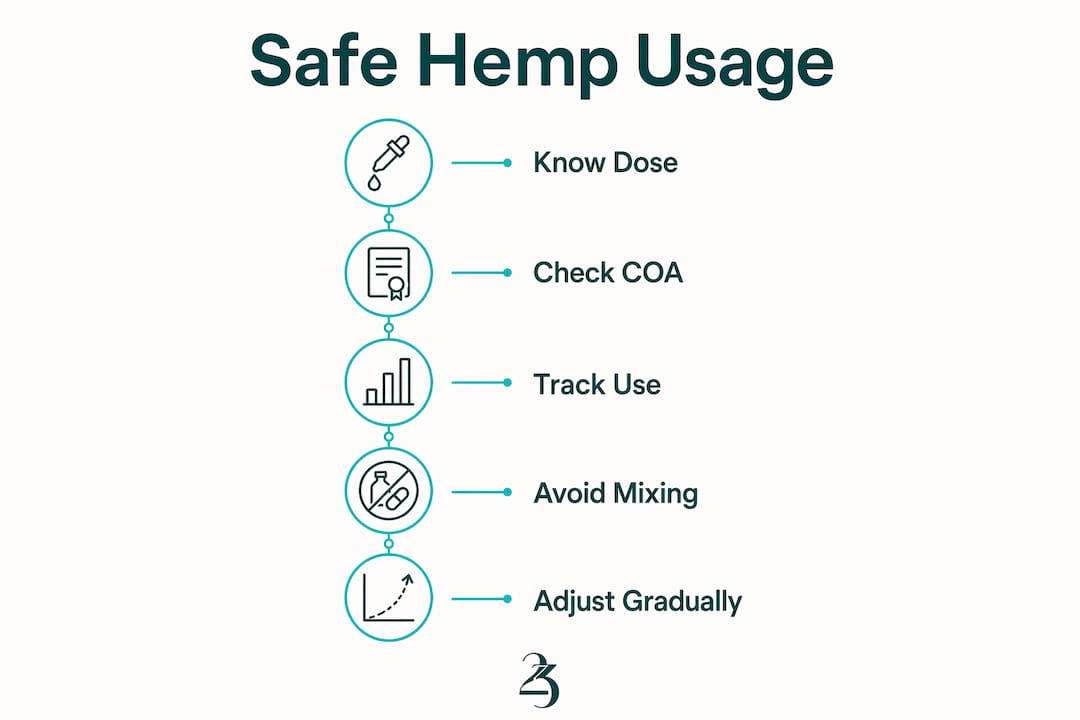
Hemp safety starts with one rule: know your dose. The FSA’s 10 mg daily CBD limit applies to healthy adults and keeps the risk of drowsiness and other acute effects minimal. Staying at or below this threshold is the single most reliable cannabis user safety tip you can follow.
Common side effects of CBD are real but manageable. The Merck Manual identifies dry mouth, low blood pressure, diarrhea, decreased appetite, mood changes, light-headedness, and sleepiness as the most frequently reported reactions. Most of these resolve quickly with a dose reduction or a short break from use.
Certain groups face higher risks and need extra care:
- Pregnant or breastfeeding adults should avoid CBD entirely unless a physician directs otherwise.
- Adults trying to conceive fall into the same cautious category.
- People on medications including sedatives or antiseizure drugs face a real risk of extreme drowsiness or amplified effects when combining CBD with those prescriptions.
- Older adults show higher rates of neuropsychiatric adverse drug reactions compared to younger users.
If you take any prescription medication, talk to your doctor before adding hemp to your routine. That conversation takes five minutes and removes a lot of guesswork.
Pro Tip: Keep a simple notes app log for your first two weeks of hemp use. Record the product, dose, time, and how you felt two hours later. Patterns show up fast.
How do you select high-quality and safe hemp products?
Product quality is the variable most people underestimate. The hemp market still lacks fully standardized testing requirements, and many products are chemically manipulated, which creates real safety gaps for consumers who are not reading labels carefully. Choosing well is a core hemp usage best practice.
What to look for on every label
Before you buy any hemp product, check for these four things:
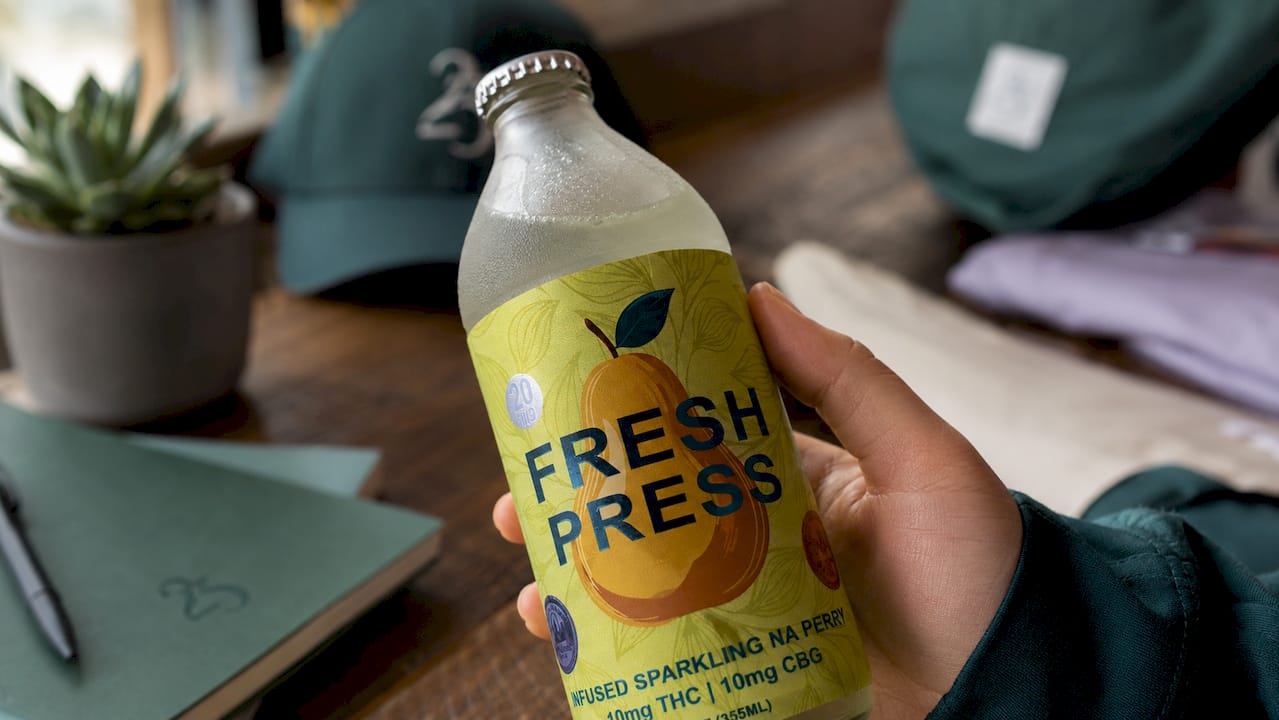
- CBD content per serving: The number should be clear, not buried in fine print.
- THC content: Even hemp-derived products can contain trace THC. Know what you are getting.
- Batch testing certificate (COA): A Certificate of Analysis from a third-party lab confirms what is actually in the product.
- Ingredient list: Short, recognizable ingredients signal a cleaner product.
The factors to consider before buying hemp go beyond the label, including how a brand handles consistency across batches and whether they disclose adulterants.
Natural vs. chemically converted cannabinoids
This distinction matters more than most beginners realize. Chemically converted cannabinoids like Delta-8 THC are synthesized from CBD through a chemical process. That process can leave residual chemicals not present in natural extracts, and those residues are not always disclosed on the label. Natural hemp extracts, by contrast, come directly from the plant with far fewer processing steps.
| Product type | What to verify | Red flag |
|---|---|---|
| Natural hemp extract | COA, CBD per serving, source | Vague “hemp extract” with no mg listed |
| Chemically converted (e.g., Delta-8) | Residual solvent testing | No third-party lab results available |
| Hemp beverage | Onset time, THC content, ingredients | Unsubstantiated medical claims on label |
Brands that make unsubstantiated medical claims on packaging are a clear signal to walk away. Trustworthy brands let their lab results do the talking.
Pro Tip: Search the brand name plus “COA” before you buy. If a third-party lab report does not appear within the first few results, that brand is not being transparent enough.
What are the best practices for dosing hemp products safely?
Dosing hemp well is less about finding the perfect number and more about building a personal baseline over time. The guide to hemp products for wellness users makes this clear: start low, go slow, and give your body time to respond before adjusting.
Here is a practical approach to building your hemp routine:
- Start below 10 mg CBD. The FSA’s daily limit is 10 mg for healthy adults. Begin at 5 mg or less for your first few sessions to understand how your body responds.
- Wait before taking more. Hemp beverages and edibles have different onset times. Beverages typically absorb faster than edibles, but onset and duration still vary by product type. Give yourself at least 90 minutes before deciding you need more.
- Choose your context intentionally. A low-dose hemp beverage at a weekend brunch is a very different experience from a higher-dose edible before bed. Match the product and dose to the moment.
- Skip the car keys. Hemp products with THC affect coordination and reaction time. Do not drive or operate heavy equipment after use.
- Re-evaluate every two weeks. Tolerance and sensitivity shift. What felt right in week one may need adjusting by week three.
“The most common mistake new hemp users make is not waiting long enough between doses. One hemp beverage at 6 PM and another at 7 PM because ‘nothing happened yet’ is how a relaxed evening turns into an uncomfortable one. Patience is the actual active ingredient.”
Learning how to incorporate hemp daily for wellness means treating it like any other intentional habit. Consistency and observation matter far more than chasing a specific effect.
What common mistakes should you watch out for when using hemp?
The most frequent hemp safety mistake is accidental overconsumption. It usually happens one of two ways: combining multiple products without tracking total THC or CBD, or not waiting long enough for a product to take effect before taking more. Both are easy to avoid once you know to watch for them.
Watch out for these specific pitfalls:
- Mislabeled products: Research confirms that many hemp products lack standardized testing and ingredient disclosure. A product labeled “5 mg CBD” may contain more or less than stated without a COA to verify it.
- Chemical residues in converted products: Delta-8 and similar chemically converted cannabinoids may carry residual solvents or processing chemicals. These are not visible or tasteable, making lab verification the only reliable check.
- Ignoring demographic-specific risks: Research shows adverse reactions differ by age and gender. Older adults and women face higher rates of certain side effects. Knowing your personal risk profile changes how you approach dosing.
- Believing marketing over lab data: Claims like “all-natural” or “full-spectrum wellness” sound reassuring but mean nothing without a COA. Let the lab results guide your trust, not the packaging copy.
- Unsafe storage: Keep hemp products in a cool, dark place and out of reach of children and pets. Edibles and beverages that look like regular food or drink are a genuine accidental ingestion risk.
If you experience side effects that feel uncomfortable, the right move is simple. Reduce your dose at the next session, or stop use entirely and see if symptoms clear. If they do not, consult a healthcare provider.
Key Takeaways
Safe hemp usage requires staying within the FSA’s 10 mg daily CBD limit, choosing lab-verified products, and matching your dose to your personal health profile and context.
| Point | Details |
|---|---|
| Follow the 10 mg daily limit | The FSA sets 10 mg CBD per day as the safe threshold for healthy adults. |
| Verify with a COA | Always check a third-party Certificate of Analysis before buying any hemp product. |
| Avoid chemically converted cannabinoids | Delta-8 and similar products may carry residual chemicals not listed on the label. |
| Start low and wait | Begin at 5 mg or less and allow 90 minutes before assessing effects or taking more. |
| Know your risk profile | Pregnant adults, older adults, and people on medications face higher adverse reaction risks. |
What I’ve learned from years of watching people start their hemp journey
The hemp category has a trust problem, and it is not the plant’s fault. Most of the confusion I see comes from a market that moved faster than regulation could follow. People pick up a product with a beautiful label, no COA in sight, and a vague claim about “calm” or “clarity,” and then wonder why their experience was inconsistent or uncomfortable.
What actually works is boring in the best way. Start with a product you can verify. Stick to a dose you can measure. Give it time. The people who enjoy hemp most consistently are not the ones chasing the strongest effect. They are the ones who treated their first few sessions like a low-stakes experiment, took notes, and adjusted from there.
The other thing I want to push back on is the idea that hemp is either medicine or a party drug. For most adults, it sits comfortably in neither category. It is a lifestyle addition, like a glass of wine at dinner or a morning walk. The hemp beginners guide framing I find most useful is this: hemp is a tool for presence, not escape. When you approach it that way, the safety practices stop feeling like restrictions and start feeling like the thing that makes the experience actually good.
23rd State builds products for exactly that mindset. Transparent labels, consistent dosing, and flavors worth savoring slowly.
— Leah Kollross, founder, 23rd State
23rd State Fresh Press: hemp done right
Ready to put these hemp consumption guidelines into practice with a product you can actually trust?
23rd State’s Fresh Press hemp beverages are crafted with clear labeling, consistent dosing, and third-party lab testing on every batch. Each can tells you exactly what is inside, so you can apply the 10 mg daily limit with confidence and zero guesswork. The flavor profiles are bright, refreshing, and designed for real moments: a sunny afternoon, a low-key gathering, or a solo wind-down after a long week. If you want to stock up and save, the Fresh Press bundle is the easiest way to build your hemp routine without running out mid-week. Quality hemp should feel this good and this clear.
FAQ
What is the safe daily CBD limit for healthy adults?
The Food Standards Agency sets the provisional acceptable daily intake at 10 mg CBD per day for healthy adults. Staying at or below this level keeps the risk of drowsiness and other side effects minimal.
Can CBD interact with prescription medications?
Yes. CBD can interact with sedatives and antiseizure drugs, increasing the risk of extreme drowsiness or other amplified effects. Consult your doctor before combining CBD with any prescription medication.
What is a Certificate of Analysis and why does it matter?
A Certificate of Analysis (COA) is a third-party lab report that confirms the actual cannabinoid content and screens for contaminants in a hemp product. It is the most reliable way to verify that a product matches its label claims.
Are chemically converted hemp products safe?
Chemically converted cannabinoids like Delta-8 THC may contain residual processing chemicals not present in natural hemp extracts. Always look for third-party residual solvent testing before purchasing these product types.
Who should avoid hemp products without medical guidance?
Pregnant adults, breastfeeding adults, people trying to conceive, and anyone taking prescription medications should avoid hemp products unless directed by a physician. Older adults also face higher rates of certain adverse reactions and benefit from extra caution.
