

Stepping into the hemp world for the first time feels a lot like walking into a specialty coffee shop with a menu you’ve never seen before. There are dozens of products, conflicting claims, and enough jargon to make your head spin. The good news? You don’t need a science degree to get started safely and confidently. A safe starting dose is simply about beginning low and adjusting gradually, and the same patient, informed approach applies to every other part of your hemp journey. This guide cuts through the noise with clear, research-backed tips so you can make smart choices for your wellness and recreational goals.
Table of Contents
- Understand the basics of hemp and CBD
- How to choose and dose your first hemp product
- Exploring hemp product types: Methods, effects, and onset
- Recognize benefits and set realistic expectations
- Safety first: Side effects, interactions, and responsible use
- Our take: What most hemp guides miss for beginners
- Ready to begin your hemp journey? Next steps and resources
- Frequently asked questions
Key Takeaways
| Point | Details |
|---|---|
| Start low, go slow | Begin with 5–25 mg of CBD daily, increasing in small steps for safety and effectiveness. |
| Prioritize quality | Only buy hemp products with third-party lab testing and a Certificate of Analysis to avoid unwanted THC or contaminants. |
| Method matters | Choose tinctures, edibles, or topicals based on how quickly you want effects and your wellness goals. |
| Track your experience | Keep a journal and consult your healthcare provider to refine your personal hemp routine. |
| Know your limits | Watch for side effects, drug interactions, and always prioritize responsible use. |
Understand the basics of hemp and CBD
Before you buy anything, it helps to know exactly what you’re working with. Hemp, CBD, and marijuana all come from the cannabis plant family, but they are not the same thing. Hemp is legally defined as cannabis that contains less than 0.3% THC (tetrahydrocannabinol, the compound that causes a high). CBD (cannabidiol) is the most well-known active compound extracted from hemp, and it’s the ingredient behind most wellness products you’ll find on shelves today.
When THC stays below 0.3%, hemp-derived products are considered non-intoxicating, meaning they won’t make you feel “high” the way marijuana does. That’s a big deal for adults who want the potential wellness benefits without any psychoactive effects. For a deeper look at choosing hemp for wellness as part of your lifestyle, it’s worth exploring how different products fit different goals.
Here’s a quick breakdown of what hemp products are commonly used for:
- Relaxation and stress relief after a long day
- Sleep support for those restless nights
- Muscle and joint comfort after workouts
- Skin nourishment through topical applications
- General wellness routines as a daily supplement
According to a CBD supplement overview, CBD interacts with the body’s endocannabinoid system, a network of receptors that helps regulate mood, sleep, and pain response. Understanding this foundation makes every product decision feel less like a gamble and more like an informed choice.
“Hemp and CBD products sit at the intersection of wellness and lifestyle. Knowing the basics before you start is the single most empowering step you can take.”
How to choose and dose your first hemp product
Now that you know what to look for, let’s walk through a reliable 5-step selection and dosing process.
- Look for third-party testing. Reputable brands publish a Certificate of Analysis (COA), an independent lab report confirming what’s actually in the product. No COA? Move on.
- Check the THC content. Confirm it’s below 0.3% for non-intoxicating use, especially if you’re new or have workplace testing concerns.
- Start with a low dose. A safe starting range is 5 to 25 mg of CBD daily, increasing slowly every few days until you find your sweet spot.
- Read the label carefully. Look for total CBD per serving, not just per bottle. Many labels are confusing by design.
- Buy from trusted sources. Studies show that only 30% of CBD products are accurately labeled, which makes sourcing from reputable, transparent brands non-negotiable.
For extra peace of mind, review CBD product safety guidelines before making your first purchase.
Dosage quick-reference table by body weight:
| Body weight | Starting dose | Moderate dose | Higher dose |
|---|---|---|---|
| Under 130 lbs | 5 mg | 10 mg | 15 mg |
| 130 to 230 lbs | 10 mg | 15 mg | 20 mg |
| Over 230 lbs | 15 mg | 20 mg | 25 mg |
These are general guidelines. Individual responses vary based on metabolism, tolerance, and product type. A microdosing workflow can help you dial in your personal dose with precision, and a safe dosage guide offers more detailed breakdowns.
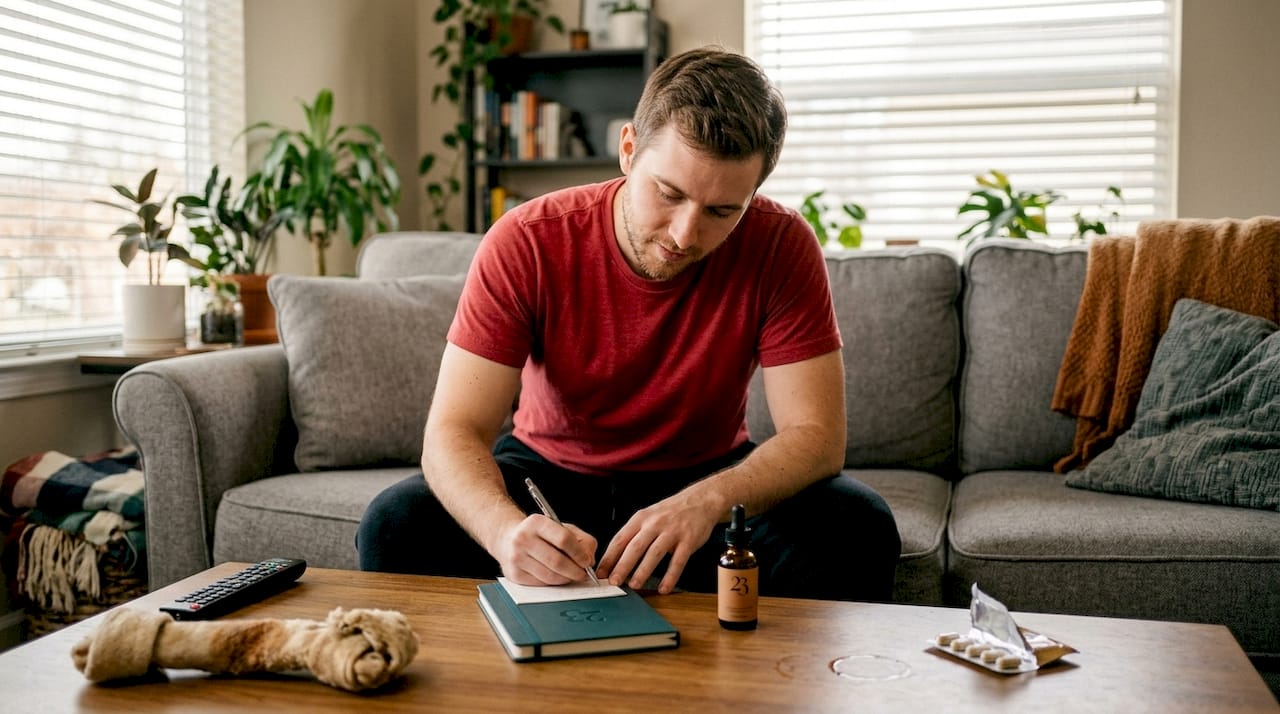
Pro Tip: Keep a simple journal of your dose, timing, and how you feel afterward. Even three days of notes can reveal patterns that save you weeks of guesswork.
Exploring hemp product types: Methods, effects, and onset
Once you’ve chosen your product, decide which method best matches your goals and expectations.
The three most common delivery methods for beginners are tinctures, edibles or capsules, and topicals. Each one works differently in your body and suits different situations.
| Method | Onset time | Duration | Best for |
|---|---|---|---|
| Sublingual tincture | 15 to 45 minutes | 4 to 6 hours | Fast, flexible dosing |
| Edibles or capsules | 30 to 90 minutes | 6 to 8 hours | Consistent daily use |
| Topicals (creams, balms) | 15 to 30 minutes (local) | 2 to 4 hours | Targeted skin or muscle relief |
Sublingual methods act faster than edibles or topicals because the CBD absorbs directly through the tissue under your tongue, bypassing digestion. This makes tinctures especially useful when you want to feel effects sooner and adjust your dose in real time.
Here’s how each method fits common lifestyle goals:
- Tinctures: Great for morning routines or winding down in the evening with precise control
- Edibles or capsules: Perfect for a consistent daily wellness ritual, no measuring required
- Topicals: Ideal for post-workout recovery or targeted skin care without any systemic effects
For a full breakdown of cannabis administration routes, including inhalation options, there’s a lot more to explore. You can also check out a dedicated hemp tincture guide or a hemp edibles guide to go deeper on your preferred method.
Pro Tip: If you’re brand new, start with a sublingual tincture. The faster onset means you can gauge effects more quickly and avoid accidentally taking too much.
Recognize benefits and set realistic expectations
Whichever method you choose, it’s crucial to know what benefits to expect and what can and cannot be achieved.
Here’s the honest picture. The strongest evidence for CBD exists for rare seizure disorders like Dravet syndrome. For most everyday uses, the research is promising but still developing. That said, many adults report real, meaningful improvements in their daily lives.
Commonly reported benefits include:
- Pain reduction for chronic discomfort and inflammation
- Relaxation and a calmer response to everyday stress
- Improved sleep quality and falling asleep faster
- Skin health through hemp seed oil’s omega fatty acids
- Mood support as part of a broader wellness routine
Hemp seed oil, which is different from CBD oil, is rich in omega-3 and omega-6 fatty acids. These nutrients play a real role in heart health and skin hydration, making hemp a genuinely versatile wellness ingredient. Explore the full hemp benefits overview and the specific hemp skin benefits if skincare is a priority for you.
“Think of hemp as a supportive wellness tool, not a magic bullet. Set realistic timelines, stay consistent, and track what actually changes for you.”
Most people notice subtle shifts within a few days to two weeks of consistent use. Patience is part of the process.
Safety first: Side effects, interactions, and responsible use
Before making hemp part of your routine, it’s vital to recognize potential safety concerns.
For most adults, hemp and CBD are well-tolerated. But like any supplement, they come with a short list of possible side effects. Common side effects include dry mouth, drowsiness, diarrhea, and fatigue. Serious adverse effects are rare but can include liver enzyme changes with high doses.
Top three reported side effects (based on FDA adverse event data):
- Drowsiness or sedation
- Dry mouth
- Digestive upset (nausea or diarrhea)
CBD can also interact with certain prescription medications, particularly blood thinners, anti-seizure drugs, and some antidepressants. This happens because CBD affects the same liver enzymes that process many common medications.
If you notice any adverse effects, here’s what to do:
- Stop or reduce your dose immediately.
- Note the product, dose, and timing in your journal.
- Contact your healthcare provider if symptoms persist or feel serious.
- Report the product to the FDA’s MedWatch program if you suspect contamination or mislabeling.
Avoid hemp products if you are pregnant, breastfeeding, or managing a condition that involves medications with known CBD interactions. A responsible dosing approach always puts your health first.
Our take: What most hemp guides miss for beginners
Having covered safety and practicalities, here’s our honest take for adults starting with hemp.
Most beginner guides focus entirely on which product to buy. That’s the wrong starting point. The single most underused tool in any hemp journey is a simple journal. Writing down your dose, method, timing, and how you feel afterward gives you data that no article or influencer can provide. Your body is unique, and your “sweet spot” will be too.
Consulting a healthcare provider before you start isn’t just a legal disclaimer. It’s genuinely smart, especially if you take any prescription medications. Trial and error without that context can waste months and money.
Consistency also matters more than variety. Chasing every new product trend is exciting, but it makes it nearly impossible to know what’s actually working. Pick one method, stick with it for at least two to three weeks, and evaluate honestly. As evidence shows, benefits beyond epilepsy treatment are real but modest for most people. Honest self-tracking, not marketing hype, is what leads to a genuinely rewarding hemp experience. Explore hemp for daily wellness when you’re ready to build a consistent routine.
Ready to begin your hemp journey? Next steps and resources
With expert-backed guidance, you’re ready to explore the benefits of hemp with confidence.
Starting something new always feels a little uncertain, but you’ve already done the hard part by learning the fundamentals. At 23rd State, we make it easy to take that next step with a curated selection of quality hemp products, transparent sourcing, and beginner-friendly education built right into the experience.
Whether you’re drawn to tinctures, edibles, or something more lifestyle-forward, we’ve got options that meet you where you are. Browse our collections, connect with our community, and feel empowered to make safe, informed choices every step of the way. Your wellness journey starts here.
Frequently asked questions
How much CBD or hemp should a beginner take?
Most experts recommend starting with 5 to 25 mg of CBD per day, increasing gradually every few days until you reach your desired effects.
How fast will I feel the effects of hemp products?
Sublingual tinctures work within 15 to 45 minutes, while edibles can take 30 to 90 minutes or longer depending on your metabolism and what you’ve eaten.
Is hemp oil safe to use daily?
Daily use is generally considered safe at recommended doses, but always check with your provider to account for your personal health history and any medications you take.
What are common side effects with hemp or CBD?
Dry mouth, drowsiness, diarrhea, and fatigue are the most commonly reported effects; serious side effects are rare but possible at higher doses.
Can I use hemp if I take prescription medications?
CBD can interact with certain medications, so review CBD drug interactions with your healthcare provider before adding any hemp product to your routine.
