

Over half of American adults are curious about different ways to use cannabis, yet most are surprised by how much administration routes can change the experience. Choosing the right method—whether inhalation, oral, sublingual, or topical—affects how fast you feel effects, how long they last, and their intensity. Understanding these options gives Americans more control over both recreational enjoyment and targeted wellness strategies, helping them find the best path for their needs.
Table of Contents
- Understanding Routes of Cannabis Administration
- Inhalation, Oral, and Topical Methods Compared
- Effects, Onset Times, and Duration Differences
- Legal Status and Safety in the United States
- Choosing the Best Method for Your Needs
Key Takeaways
| Point | Details |
|---|---|
| Cannabis Administration Routes | Cannabis can be administered through inhalation, oral ingestion, sublingual absorption, and topical application, each offering distinct absorption rates and effects. |
| Inhalation for Immediate Relief | Inhalation methods like smoking and vaping provide rapid effects within minutes but may pose respiratory risks. |
| Oral Consumption for Prolonged Effects | Oral ingestion through edibles leads to longer-lasting effects (4-8 hours) due to slower metabolism, requiring precise dosing. |
| Legal and Safety Considerations | The legal status of cannabis varies by state, highlighting the importance of understanding local regulations and potential health risks. |
Understanding Routes of Cannabis Administration
Cannabis administration encompasses several distinct pathways through which cannabinoids enter the human body, each offering unique absorption characteristics and physiological effects. Exploring different cannabis routes reveals a complex landscape of consumption methods that impact onset, duration, and overall experience.
Traditional cannabis administration routes include inhalation, oral ingestion, sublingual absorption, and topical application. Research from biomedcentral highlights that patient preferences significantly vary based on individual wellness goals, medical conditions, and desired effects. Inhalation methods like smoking and vaping provide rapid cannabinoid absorption through lung tissue, offering quick onset within minutes. Conversely, oral ingestion through edibles involves slower metabolism via the digestive system, resulting in longer-lasting and potentially more intense experiences.
Sublingual administration represents a nuanced approach where cannabis tinctures or oils are placed under the tongue, allowing direct absorption into the bloodstream through mucous membranes. This method offers a middle ground between rapid inhalation and slow oral ingestion, typically delivering effects within 15-45 minutes. Topical applications provide localized relief without psychoactive effects, making them ideal for targeted therapeutic interventions like pain management or skin condition treatment. Understanding these varied cannabis consumption techniques empowers individuals to make informed choices aligned with their wellness objectives and personal preferences.
Inhalation, Oral, and Topical Methods Compared
Cannabis consumption methods vary dramatically in their physiological impact, absorption rates, and overall user experience. Comprehensive cannabis research reveals three primary administration routes: inhalation, oral, and topical methods, each offering unique benefits and potential drawbacks for different wellness objectives.
Inhalation methods like smoking and vaping provide the most rapid cannabinoid delivery, with cannabis use routines indicating near-instantaneous absorption through lung tissue. Onset of effects occurs within minutes, making this route ideal for individuals seeking immediate relief from acute symptoms. However, potential respiratory risks and variable cannabinoid concentrations require careful consideration. Lung absorption allows approximately 10-25% of cannabinoids to enter the bloodstream, creating a quick but shorter-duration experience compared to other administration methods.
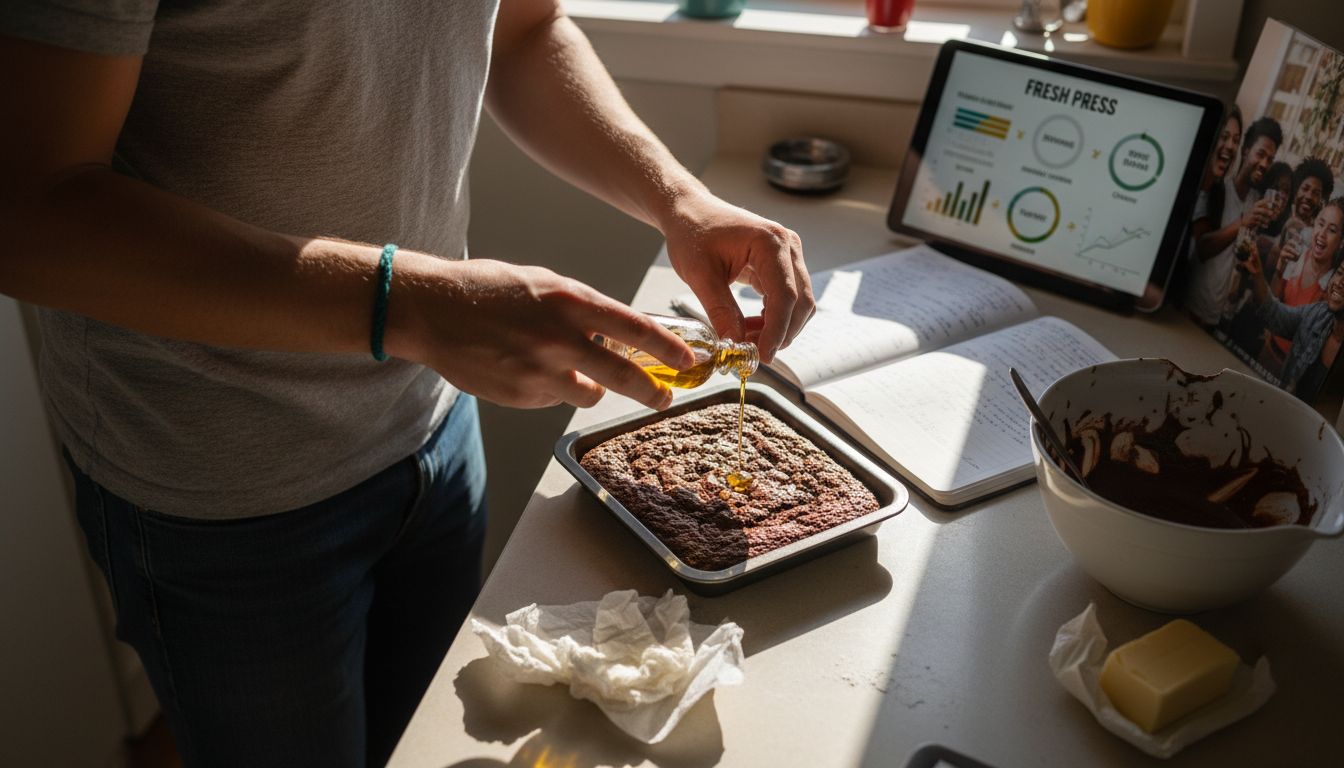
Oral consumption through edibles represents a fundamentally different approach, characterized by slower metabolism and prolonged effects. Cannabinoids processed through the digestive system undergo hepatic transformation, resulting in more potent and extended therapeutic impacts. This method typically requires 30-90 minutes for full onset but can provide relief lasting 4-8 hours. Precise dosing becomes critical, as individual metabolic variations can significantly alter absorption and experience. Topical applications offer a unique alternative, providing localized treatment without psychoactive effects. These methods target specific areas, delivering cannabinoids directly through skin receptors, making them exceptional for targeted pain management, inflammation reduction, and skin condition treatments.
Effects, Onset Times, and Duration Differences
Cannabis administration routes present a complex spectrum of physiological interactions, with each method producing distinctive effects, onset times, and duration profiles. Understanding THC drink experiences reveals the nuanced ways cannabinoids interact with the human body, creating unique therapeutic and recreational outcomes.
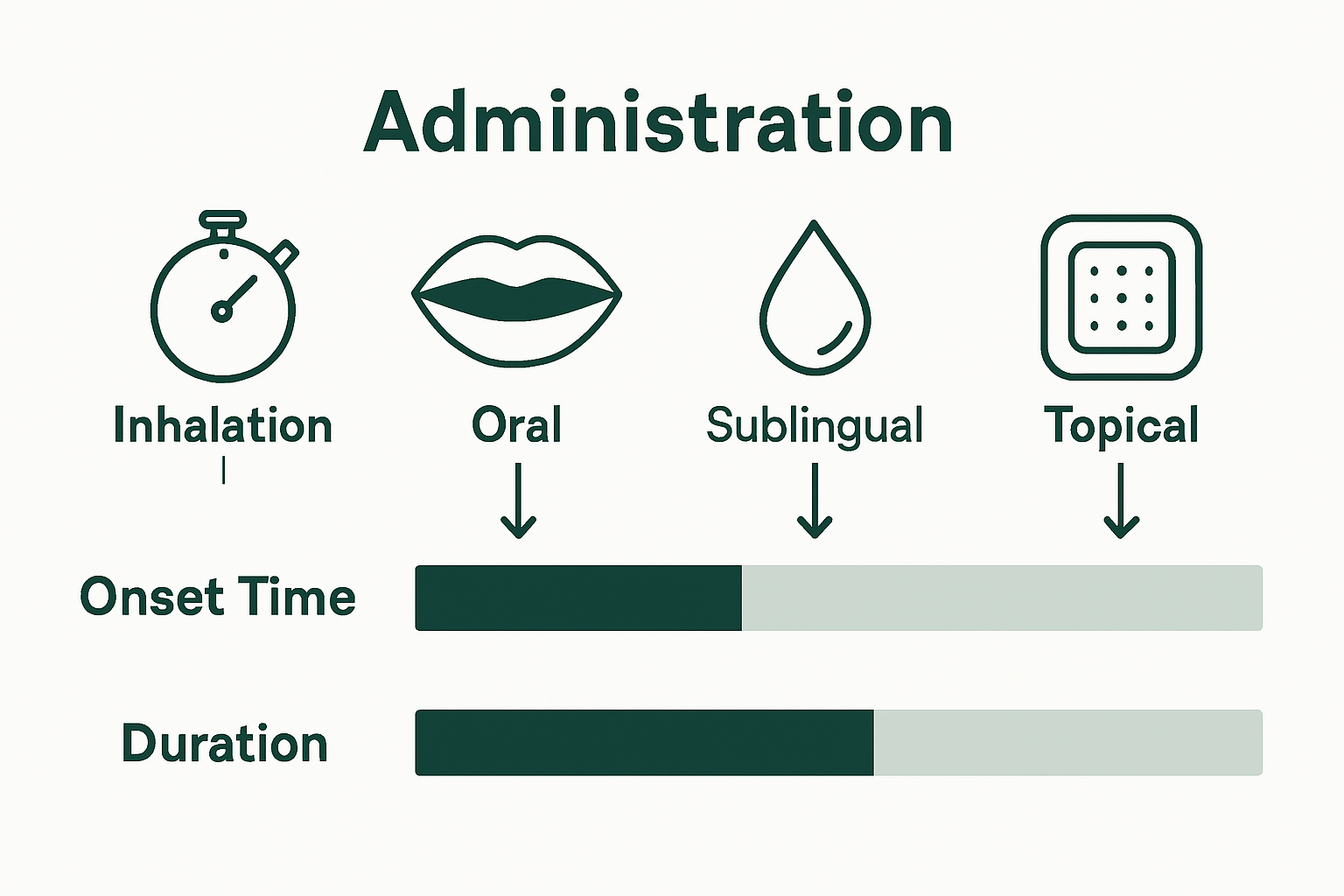
Inhalation methods demonstrate the most rapid cannabinoid delivery, with comprehensive route comparisons indicating near-instantaneous absorption. Smoking and vaping typically produce effects within 2-5 minutes, peaking around 10-30 minutes and subsiding within 2-3 hours. This quick onset makes inhalation ideal for individuals seeking immediate symptom relief, though the shorter duration requires more frequent consumption to maintain consistent effects.
Oral consumption presents a dramatically different physiological response, characterized by prolonged metabolic processing and extended effect windows. Edibles and infused beverages undergo hepatic metabolism, transforming delta-9 THC into 11-hydroxy-THC, a more potent compound with significantly longer-lasting impacts. This metabolic conversion results in a slower onset typically ranging 30-90 minutes, with effects potentially lasting 4-8 hours. Individual metabolic variations can substantially alter absorption rates, making precise dosing crucial for predictable and comfortable experiences. The extended duration makes oral administration particularly effective for sustained symptom management, chronic pain relief, and long-term wellness interventions.
Legal Status and Safety in the United States
The landscape of cannabis regulation in the United States remains complex and dynamic, with significant variations across state and federal jurisdictions. Cannabis product prevalence highlights the evolving legal framework that continues to challenge traditional understanding of controlled substances and medical treatments.
Federal regulations maintain cannabis as a Schedule I controlled substance, creating a challenging legal environment for researchers and consumers alike. Medical provider guidance indicates that despite federal restrictions, 37 states have implemented medical cannabis programs, while 21 states have approved recreational use. This patchwork of regulations creates unique challenges for individuals seeking to understand their legal rights and potential therapeutic applications. Individual state laws differ dramatically, ranging from complete prohibition to comprehensive medical and recreational frameworks, necessitating careful personal research and local legal consultation.
Safety considerations remain paramount in cannabis consumption, with medical professionals emphasizing responsible use and potential interactions with existing health conditions. Potential risks include cognitive impairment, respiratory complications with inhalation methods, and potential psychiatric interactions for individuals with pre-existing mental health conditions. Age restrictions typically range from 21-25 years for recreational use, with medical cannabis programs often allowing younger patients under specific medical supervision. Consumers are strongly advised to consult healthcare professionals, understand local regulations, and approach cannabis consumption with informed caution and personal responsibility.
Choosing the Best Method for Your Needs
Selecting the optimal cannabis administration method requires careful consideration of personal wellness goals, physiological responses, and individual health circumstances. Cannabis administration routes present diverse options that can dramatically impact therapeutic outcomes and user experience.
Personal health objectives play a critical role in method selection. Comprehensive route overviews suggest tailoring consumption based on specific needs. Individuals seeking immediate acute symptom relief might prefer inhalation methods for their rapid onset, while those managing chronic conditions could benefit from oral consumption’s extended effect duration. Factors such as lung health, metabolic rate, tolerance levels, and specific therapeutic goals should guide personal decision-making.
Practical considerations extend beyond immediate physiological effects. Users should evaluate additional elements like discretion, convenience, potential side effects, and personal comfort with different administration techniques. Inhalation methods offer quick relief but may pose respiratory concerns, while oral consumption provides longer-lasting effects but requires more precise dosing. Topical applications present an ideal solution for localized treatment without systemic psychoactive effects. Consulting healthcare professionals, understanding personal health history, and starting with low doses can help individuals navigate these complex choices and find the most suitable cannabis administration method for their unique wellness journey.
Discover the Ideal Cannabis Experience for Your Wellness Journey
Navigating the best route of cannabis administration can feel overwhelming given the wide variety of options and effects. Whether you seek rapid relief through inhalation or prefer the extended benefits of edibles, understanding these differences is key to achieving your personal wellness goals. By exploring quality products like those infused with premium THC or soothing CBN, you can tailor your experience with confidence. Remember that the right choice hinges on your health needs, dosage preferences, and lifestyle.
Take control of your cannabis consumption today by visiting 23state.com for expertly crafted hemp-derived products designed to match every route of administration. Shop now and benefit from exclusive promotions and free shipping to support your wellness journey with premium, thoughtfully formulated options.
Frequently Asked Questions
What are the main routes of cannabis administration?
The primary routes of cannabis administration include inhalation (smoking and vaping), oral ingestion (edibles and infused beverages), sublingual absorption (tinctures or oils placed under the tongue), and topical application (creams or ointments applied to the skin).
How do the onset times and durations differ among cannabis consumption methods?
Inhalation methods provide rapid effects within 2-5 minutes, lasting approximately 2-3 hours. Oral ingestion, on the other hand, takes 30-90 minutes for effects to kick in, lasting 4-8 hours. Sublingual absorption usually produces effects in 15-45 minutes, while topical applications offer localized relief without psychoactive effects.
What factors should I consider when choosing a cannabis administration method?
Consider your personal health objectives, such as the need for immediate symptom relief versus long-term management. Additionally, assess your lung health, metabolic rate, tolerance levels, and comfort with different consumption techniques to ensure you choose the most suitable method for your wellness needs.
Are there any safety concerns associated with cannabis administration?
Yes, potential safety concerns include cognitive impairment, respiratory issues from inhalation methods, and interactions with existing health conditions. It’s essential to consult healthcare professionals and understand personal health history before consuming cannabis.
