

Over 60 million American adults have tried hemp-based products in search of natural wellness support. With so much interest, confusion about what hemp tinctures really are—and what they are not—still runs deep. Myths about psychoactivity and product differences cloud the facts, making it tricky for American consumers to decide what truly supports their goals. By unpacking the realities of hemp tinctures, you can gain clarity on their unique benefits, risks, and how to make informed choices.
Table of Contents
- Defining Hemp Tinctures And Common Myths
- Types Of Hemp Tinctures And Key Differences
- How Hemp Tinctures Are Made And Used
- Legal Status Of Hemp Tinctures In The U.S.
- Potential Risks, Benefits, And What To Avoid
Key Takeaways
| Point | Details |
|---|---|
| Understanding Hemp Tinctures | Hemp tinctures are concentrated botanical extracts that support wellness without psychoactive effects due to minimal THC content. |
| Types of Hemp Tinctures | Key types include alcohol-based, glycerin-based, and CO2-extracted tinctures, each with distinct absorption rates and therapeutic potentials. |
| Legal Landscape | The legal status of hemp tinctures varies by state, following federal guidelines that allow products with less than 0.3% THC. |
| Safe Consumption Practices | Users should start with low dosages, choose reputable sources, and consult healthcare professionals to avoid potential side effects and interactions. |
Defining Hemp Tinctures and Common Myths
Hemp tinctures represent a powerful botanical extract designed to support wellness through concentrated hemp plant compounds. These liquid herbal preparations typically combine hemp extract with a carrier liquid like alcohol or glycerin, creating a potent supplement that can be easily absorbed by the body. Cannabis tinctures have roots in traditional pharmacological practices, offering a concentrated method of consuming hemp’s beneficial components.
Understanding hemp tinctures requires dispelling several common myths that frequently circulate in wellness communities. First, many people mistakenly believe all hemp tinctures produce psychoactive effects - in reality, most high-quality products contain minimal THC and focus on delivering cannabinoid wellness without intoxication. Another prevalent misconception suggests that hemp tinctures are identical to CBD oils, when they actually represent a more nuanced extraction method with potential distinct therapeutic profiles.
The composition of hemp tinctures can vary significantly, which impacts their potential wellness benefits. Typically, these extracts contain a range of cannabinoids, terpenes, and plant compounds that work synergistically to support overall bodily balance. When selecting a hemp tincture, consumers should prioritize understanding different cannabis product types to make informed choices about their wellness journey. Key factors to consider include:
- Extraction method
- Cannabinoid spectrum
- Carrier liquid used
- Third-party testing results
- Concentration of active compounds
By approaching hemp tinctures with accurate information and realistic expectations, individuals can explore a natural supplement option that potentially supports holistic wellness goals.
Types of Hemp Tinctures and Key Differences
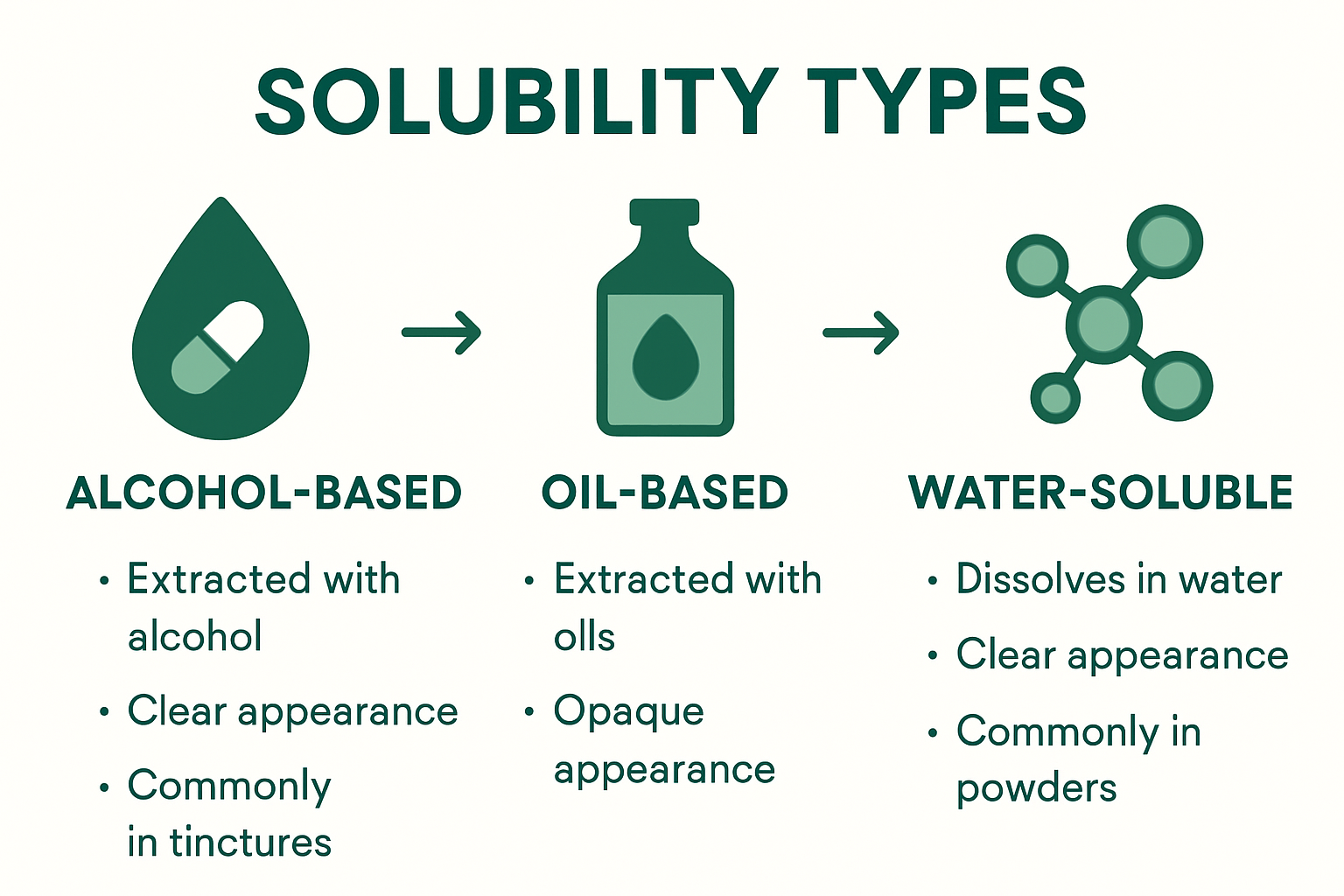
Hemp tinctures represent a diverse category of botanical extracts with multiple preparation methods and unique characteristics. Cannabis tincture variations depend significantly on extraction techniques and solvent choices, creating distinct profiles that impact their potential wellness benefits. The primary types include alcohol-based, glycerin-based, and CO2-extracted tinctures, each offering different absorption rates and therapeutic potential.
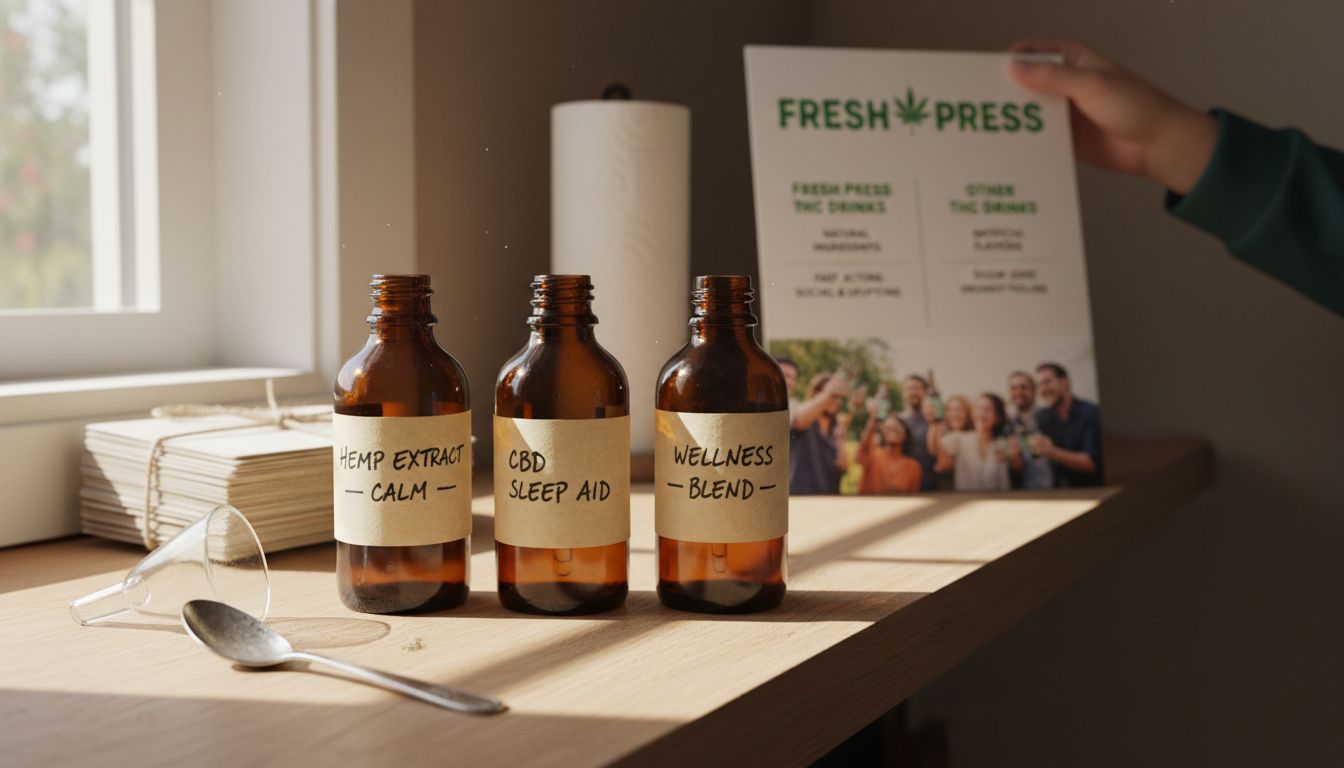
Alcohol-based tinctures remain the most traditional form, utilizing high-proof alcohol as a solvent to extract cannabinoids and plant compounds efficiently. These extracts typically have a longer shelf life and more potent concentration compared to alternative methods. In contrast, glycerin-based tinctures provide a sweeter, alcohol-free option that appeals to individuals seeking a milder taste and gentler extraction process. Understanding the nuanced differences between cannabinoid compounds helps consumers make more informed selections aligned with their wellness goals.
The key differences among hemp tincture types extend beyond their preparation method and include critical factors such as:
- Cannabinoid spectrum (full-spectrum, broad-spectrum, isolate)
- Extraction method (alcohol, CO2, ethanol)
- Concentration of active compounds
- Flavor profile
- Intended therapeutic effect
Modern hemp tincture production has evolved to offer increasingly sophisticated extraction techniques, allowing consumers to select products tailored to specific wellness objectives. By understanding these nuanced variations, individuals can choose hemp tinctures that best complement their personal health and lifestyle needs.
How Hemp Tinctures Are Made and Used
Cannabis tincture production represents a sophisticated extraction process that transforms raw hemp plant material into concentrated wellness supplements. The manufacturing process involves carefully selecting high-quality hemp plants and utilizing specialized extraction techniques to preserve the plant’s most beneficial compounds. Typically, manufacturers employ methods like ethanol extraction, CO2 extraction, or alcohol-based maceration to isolate and concentrate the desired cannabinoids and terpenes.
The extraction journey begins with selecting premium hemp cultivars rich in beneficial compounds. Solvent selection plays a critical role in determining the tincture’s final quality and potency. Hemp infusion techniques allow manufacturers to create products with varying cannabinoid profiles, targeting specific wellness objectives. Ethanol and high-proof alcohol remain the most common solvents, efficiently pulling out cannabinoids, flavonoids, and terpenes while ensuring a clean, potent final product.
Hemp tinctures offer versatile consumption methods that cater to individual preferences and wellness goals. Users typically administer tinctures through these primary approaches:
- Sublingual absorption (placed under the tongue)
- Mixed into beverages
- Added to food recipes
- Incorporated into topical preparations
- Direct oral consumption
Each application method provides unique absorption rates and potential benefits, allowing consumers to customize their hemp tincture experience based on personal wellness objectives and lifestyle preferences. Modern hemp tincture production continues to evolve, offering increasingly sophisticated and targeted supplement options for health-conscious individuals seeking natural wellness solutions.
Legal Status of Hemp Tinctures in the U.S.
Hemp’s legal landscape represents a complex regulatory framework that has transformed dramatically in recent years. The pivotal 2018 Farm Bill established a critical distinction between hemp and marijuana, defining hemp as cannabis containing less than 0.3% THC and effectively legalizing its production, sale, and consumption at the federal level. This landmark legislation opened unprecedented opportunities for hemp-derived products, including tinctures, while simultaneously creating a nuanced regulatory environment for manufacturers and consumers.
The legal status of hemp tinctures varies significantly across different states, requiring consumers to navigate a complex patchwork of regulations. Hemp lifestyle considerations now include understanding local and state-specific guidelines that can impact product availability and usage. While federal law permits hemp-derived products with minimal THC content, individual states maintain the authority to establish more restrictive regulations, creating potential variations in legal accessibility.
Key legal considerations for hemp tincture consumers include:
- Federal THC concentration limits (0.3% or less)
- State-specific regulatory frameworks
- Product testing and certification requirements
- Age restrictions for purchase
- Potential workplace and travel restrictions
Consumers must remain informed about evolving regulations and approach hemp tincture purchases with careful consideration of local laws. The dynamic nature of cannabis legislation means that legal interpretations can change rapidly, underscoring the importance of staying current with both federal and state guidelines surrounding hemp-derived products.
Potential Risks, Benefits, and What to Avoid
Hemp tinctures offer a promising wellness supplement with nuanced considerations for responsible consumption. Potential benefits include supporting stress reduction, promoting relaxation, and potentially addressing mild inflammation. These natural extracts can provide subtle support for overall well-being, though individual experiences may vary significantly based on personal physiology and product quality.
Understanding the role of cannabinoids in wellness requires careful navigation of potential risks and responsible usage guidelines. Users should be aware of potential side effects such as drowsiness, potential interactions with medications, and individual sensitivity to hemp compounds. Consulting with healthcare professionals before incorporating hemp tinctures into wellness routines remains crucial for safe and effective use.
Key considerations for hemp tincture consumers include:
- Start with low dosages and gradually increase
- Purchase from reputable, third-party tested sources
- Understand personal health conditions and potential interactions
- Monitor individual body responses
- Be aware of potential workplace or legal restrictions
Responsible consumption involves understanding personal wellness goals, potential limitations, and maintaining open communication with healthcare providers. Hemp tinctures represent a nuanced wellness option that requires informed, mindful approach to maximize potential benefits while minimizing potential risks.
Discover the Power of Hemp Tinctures for Your Wellness Journey
Navigating hemp tinctures can feel overwhelming with so many myths and types to consider. Whether you seek stress relief, enhanced relaxation, or natural support for your body, understanding the right tincture for your needs is key. At 23State.com, we simplify your search by offering a carefully curated selection of high-quality hemp-derived products crafted to deliver potent wellness benefits without the confusion.
Explore our premium hemp-infused selections designed to align with your unique wellness goals. With transparent third-party testing and a variety of cannabinoid profiles, you can feel confident choosing products tailored just for you. Don’t wait to experience the natural balance and therapeutic potential of hemp tinctures. Visit 23State.com today and take the next step toward holistic wellness with expertly crafted hemp solutions.
Frequently Asked Questions
What is a hemp tincture?
Hemp tinctures are concentrated liquid extracts made from hemp plant compounds. They often combine hemp extract with a carrier liquid, like alcohol or glycerin, for easy absorption and wellness support.
How are hemp tinctures made?
Hemp tinctures are made through various extraction methods, such as ethanol or CO2 extraction, which isolate and concentrate cannabinoids and terpenes from raw hemp plants to create potent wellness products.
What are the different types of hemp tinctures?
There are several types of hemp tinctures, primarily categorized by their extraction methods: alcohol-based tinctures, glycerin-based tinctures, and CO2-extracted tinctures. Each type offers distinct flavors, absorption rates, and therapeutic potentials.
What are the potential benefits of using hemp tinctures?
Hemp tinctures may offer various wellness benefits, including stress reduction, relaxation promotion, and mild anti-inflammatory effects. However, individual experiences can vary based on product quality and personal physiology.
