

Finding natural ways to manage stress and enhance your routine can feel endless with so many options on the market. For many American adults pursuing holistic wellness, hemp-derived cannabis products offer a personalized path beyond conventional solutions. Discover how these versatile, plant-based choices support relaxation, balance, and overall lifestyle enhancement through their unique blend of cannabinoids and wellness benefits.
Table of Contents
- Defining Cannabis in Holistic Wellness
- Hemp-Derived Product Types and Features
- Wellness Benefits: Stress Relief and Beyond
- 2026 Legal Changes Impacting Access
- Safety, Risks, and Common Misconceptions
Key Takeaways
| Point | Details |
|---|---|
| Understanding Cannabis | Cannabis contains various cannabinoids, such as THC and CBD, which influence mood and health outcomes. Recognizing strain differences (Sativa, Indica, Hybrid) aids users in selecting suitable products. |
| Consumption Methods | Different methods (smoking, edibles, tinctures, topicals) affect absorption rates and therapeutic benefits. Choosing the right consumption method aligns with individual wellness goals. |
| Wellness Benefits | Cannabis offers a range of health benefits, including stress reduction, pain management, and sleep enhancement. Users should consult healthcare professionals for personalized recommendations. |
| Legal Considerations | The legal landscape for cannabis is evolving, with increased access and regulatory standardization. Staying informed about local laws is crucial for safe consumption. |
Defining Cannabis in Holistic Wellness
Cannabis represents a complex botanical substance with profound implications for holistic wellness strategies. Understanding its multifaceted nature requires exploring its chemical composition, potential therapeutic applications, and nuanced interactions within human physiological systems.
At its core, cannabis is a plant containing numerous cannabinoids - chemical compounds that interact uniquely with the human body. Cannabis research demonstrates that these compounds, particularly THC and CBD, can substantially influence mood, perception, and potential health outcomes. The plant contains multiple strains with distinctly different characteristics:
- Sativa: Typically associated with energizing effects
- Indica: Generally linked to relaxation and sedation
- Hybrid: Combines characteristics from multiple strain types
Modern holistic wellness perspectives view cannabis not as a singular substance, but as a sophisticated botanical with potential therapeutic applications. Understanding cannabinoid differences reveals the nuanced ways these compounds interact with human biological systems.
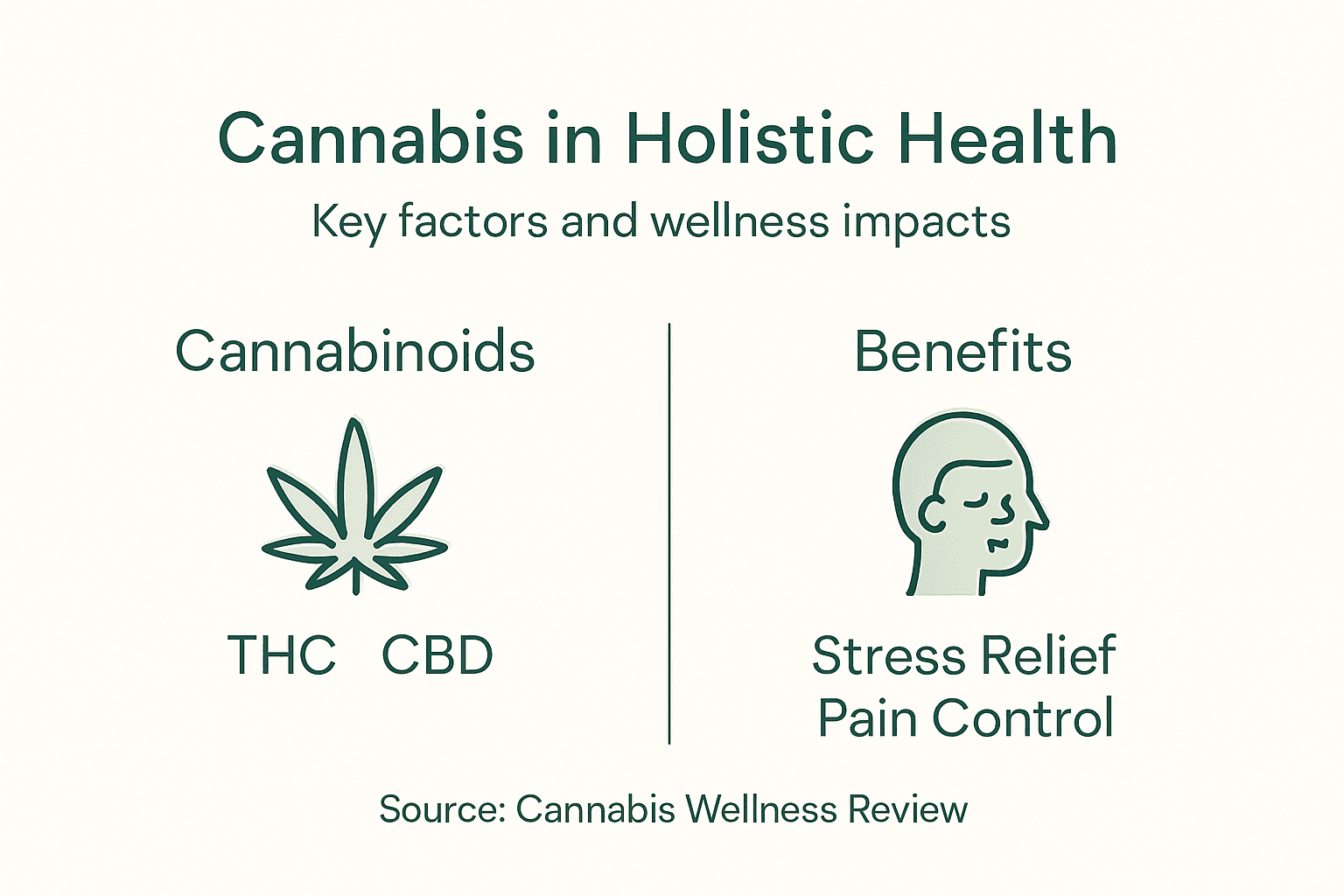
Cannabis consumption methods vary widely, including smoking, vaping, tinctures, edibles, and topical applications. Each method offers unique absorption rates and potential health benefits, allowing individuals to customize their wellness approach. The plant’s versatility makes it a compelling option for those seeking natural alternatives to traditional medical interventions.
Here’s a comparison of cannabis consumption methods and their key attributes:
| Method | Onset Time | Duration of Effects | Typical Usage Scenario |
|---|---|---|---|
| Smoking/Vaping | 5-15 minutes | 1-3 hours | Rapid relief, acute symptoms |
| Edibles | 30-90 minutes | 4-8 hours | Long-lasting effect, discreet |
| Tinctures | 15-45 minutes | 2-4 hours | Controlled dosing, flexibility |
| Topicals | Variable | Localized, up to hours | Targeted relief, non-psychoactive |
Pro tip: Consult healthcare professionals and start with low dosages when exploring cannabis as part of your holistic wellness journey.
Hemp-Derived Product Types and Features
Hemp-derived products represent a diverse and sophisticated category of wellness solutions, offering multiple consumption methods and potential health benefits. Cannabis product composition reveals complex interactions between cannabinoids, terpenoids, and flavonoids that contribute to their unique therapeutic potential.
The primary hemp-derived product categories include:
- Oils and Tinctures: Concentrated liquid extracts absorbed sublingually
- Edibles: Infused foods and beverages offering controlled dosing
- Topical Applications: Creams, lotions, and balms for localized relief
- Smokable Flowers: Traditional inhalation method with immediate effects
- Capsules and Softgels: Precise, standardized dosage options
Modern hemp products are engineered with specific wellness goals in mind. Hemp-infused product varieties offer targeted approaches for stress management, pain relief, sleep enhancement, and overall holistic wellness. Cannabinoid concentrations vary significantly between product types, allowing consumers to customize their therapeutic experience.
Consumption methods dramatically influence absorption rates and physiological impacts. Topical applications provide localized relief, while ingestible products offer systemic effects. Understanding these nuanced differences empowers individuals to select products aligned with their specific wellness objectives.
Pro tip: Always start with low dosages and consult healthcare professionals when integrating hemp-derived products into your wellness routine.
Wellness Benefits: Stress Relief and Beyond
Cannabis health benefits extend far beyond traditional stress management, offering a holistic approach to wellness that addresses multiple physiological systems. The plant’s complex chemical composition provides nuanced therapeutic potential for individuals seeking natural health solutions.
Key wellness benefits of cannabis include:
- Stress Reduction: Modulating neurotransmitter responses
- Pain Management: Addressing chronic and neuropathic discomfort
- Anxiety Mitigation: Supporting mental health equilibrium
- Sleep Enhancement: Regulating sleep-wake cycles
- Inflammation Reduction: Supporting cellular recovery processes
Understanding the psychological impacts of cannabis reveals complex interactions between cannabinoids and human neurological systems. While individual responses vary, emerging research suggests potential benefits for mental and physical wellness that extend beyond traditional pharmaceutical interventions.

Cannabis represents a sophisticated wellness tool that interacts dynamically with individual physiological systems. Different consumption methods and cannabinoid profiles offer targeted approaches for personalized health optimization, empowering individuals to customize their wellness strategies.
Pro tip: Consult healthcare professionals and conduct careful personal research to understand how cannabis might complement your unique wellness journey.
2026 Legal Changes Impacting Access
Cannabis legalization trends reveal a transformative landscape for cannabis access across the United States in 2026. The regulatory environment continues to evolve, with significant implications for consumers, healthcare providers, and wellness enthusiasts seeking alternative health solutions.
Key legal developments include:
- Medical Cannabis: 38 states now permit medical use
- Recreational Access: 24 states authorize non-medical consumption
- Regulatory Standardization: Increased federal oversight
- Research Expansion: Enhanced funding for cannabis studies
- Age and Purchase Restrictions: Refined legal frameworks
Cannabis research and policy suggest a nuanced approach to regulation that balances public health concerns with individual wellness options. The emerging legal framework aims to provide safe, controlled access while supporting ongoing scientific investigation into cannabis’s potential therapeutic applications.
The shifting legal landscape reflects changing public perceptions and a more sophisticated understanding of cannabis’s role in holistic health. Consumers can expect more transparent regulations, improved product safety standards, and expanded research opportunities that will continue to shape cannabis accessibility and usage.
Pro tip: Stay informed about your local cannabis laws and consult legal professionals to understand specific regulations in your state.
Safety, Risks, and Common Misconceptions
Cannabis consumption risks extend beyond simplistic perceptions, requiring nuanced understanding of potential physiological and psychological impacts. Responsible engagement demands comprehensive awareness of both therapeutic potential and inherent health considerations.
Common misconceptions about cannabis include:
To help clarify common misunderstandings, here’s a summary table highlighting cannabis misconceptions vs. facts:
| Misconception | Reality | Health Implication |
|---|---|---|
| Cannabis is non-addictive | Can cause dependence in some users | Monitor frequency and dosage |
| No cognitive effects | THC may impair memory and coordination | Avoid high doses, especially for youth |
| All products are equivalent | Effects differ by method and cannabinoid content | Select products by need |
| Uniform legal status | Laws vary widely by state | Stay updated on local laws |
- Addiction Myth: Believing cannabis is entirely non-addictive
- Health Impact: Underestimating potential cognitive effects
- Dosage Misunderstanding: Assuming all consumption methods are equivalent
- Legal Complexity: Overlooking varying state-level regulations
- Medical Application: Generalizing therapeutic potential
Safe cannabis consumption requires careful consideration of individual health factors, product quality, and personal tolerance levels. Users must recognize that THC affects brain functions related to memory, coordination, and judgment, potentially creating complex physiological interactions.
Modern cannabis research emphasizes personalized approaches, recognizing that individual responses vary significantly. Understanding potential risks, maintaining open communication with healthcare providers, and practicing informed consumption are critical strategies for responsible cannabis engagement.
Pro tip: Always purchase from licensed sources, start with low dosages, and monitor your body’s unique response to cannabis products.
Enhance Your Holistic Wellness Journey with Targeted Cannabis Solutions
Many individuals exploring the role of cannabis in holistic health face the challenge of finding high-quality, hemp-derived products that truly align with their wellness goals. Whether your focus is stress relief, pain management, or enhancing overall balance, understanding the nuanced effects of cannabinoids like CBD and CBG is essential. Our curated collection offers thoughtfully crafted options tailored to support your unique health journey with transparency and potency.
Discover the benefits of specific cannabinoids through our premium CBD and CBG product lines designed for personalized wellness outcomes. Each product is designed to integrate seamlessly into your lifestyle, empowering you to take control of your health with confidence and care.
Ready to explore the possibilities for your well-being? Visit 23state.com today and take advantage of exclusive offers including free shipping and special discounts. Start your path toward holistic health with trusted products that prioritize quality and your unique needs.
Frequently Asked Questions
What are the main cannabinoids found in cannabis, and how do they affect wellness?
Cannabis contains several cannabinoids, with THC and CBD being the most prominent. THC is known for its psychoactive effects and potential for pain relief, while CBD is non-psychoactive and is often used for anxiety reduction, stress relief, and inflammation management.
What are the different types of cannabis consumption methods and their effects?
Cannabis can be consumed in various forms such as smoking, vaping, edibles, tinctures, and topicals. Each method has a different onset time and duration of effects: smoking/vaping offers rapid relief, edibles provide longer-lasting effects, tinctures allow for flexible dosages, and topicals deliver localized relief without psychoactive effects.
How can cannabis help with stress and anxiety management?
Cannabis can modulate neurotransmitter responses, potentially leading to stress reduction and anxiety mitigation. The chemical compounds found in cannabis interact uniquely with the body’s endocannabinoid system, helping to promote a sense of calm and balance in mental health.
Are there any safety risks associated with cannabis use?
Yes, cannabis consumption can come with risks, including potential dependence, cognitive impairment, and varied legal statuses. It’s essential to monitor dosage, avoid high concentrations, particularly for inexperienced users, and consult healthcare professionals for personalized advice.
