

Think hemp seed oil and CBD oil are the same? Most people do, and it’s costing them real results. Hemp ingredients promise skin transformation, but confusion about what they actually contain leaves shoppers guessing. This guide cuts through the noise to reveal how hemp truly works in skincare, what each ingredient delivers, and how to choose products that match your skin’s needs. Let’s end the confusion and get you the benefits you’re after.
Table of Contents
- Introduction To Hemp In Skincare
- Key Chemical Components In Hemp Relevant To Skin Health
- How Hemp Works In Skincare: Mechanisms Of Action
- Hemp Seed Oil Vs CBD Oil Vs Full-Spectrum Hemp Extracts: What’s The Difference?
- Scientific Evidence Of Hemp’s Efficacy For Skin Conditions
- Common Misconceptions About Hemp In Skincare
- Practical Guide: How To Select And Use Hemp Skincare Products
- Conclusion: Integrating Hemp Into Your Skincare Routine
- Explore Quality Hemp Products At 23rd State
Key takeaways
| Point | Details |
|---|---|
| Hemp seed oil and CBD oil differ chemically | Hemp seed oil contains essential fatty acids with an optimal omega-6 to omega-3 ratio for barrier repair, while CBD oil delivers anti-inflammatory cannabinoids. |
| CBD reduces acne significantly | Topical CBD reduces acne lesions by 30% over 12 weeks by controlling sebum and inflammation. |
| Hemp products are safe for most skin types | Hemp skincare has under 1% allergic reaction incidence, making it suitable for sensitive skin with proper patch testing. |
| Full-spectrum extracts offer synergistic benefits | Combining cannabinoids, terpenes, and fatty acids creates enhanced anti-inflammatory and antioxidant effects for comprehensive skin wellness. |
| Product selection depends on specific skin concerns | Match ingredient type to your needs: hemp seed oil for hydration, CBD oil for inflammation, full-spectrum for holistic improvement. |
Introduction to hemp in skincare
Hemp belongs to the Cannabis sativa plant family, but it’s legally and chemically distinct from marijuana. The 2018 Farm Bill defined hemp as cannabis containing less than 0.3% THC, the psychoactive compound. This distinction matters because hemp skincare products won’t get you high or cause intoxication.
Skincare brands extract ingredients from different parts of the hemp plant. Seeds yield hemp seed oil rich in fatty acids, while flowers and leaves provide CBD oil and other cannabinoids. Understanding this difference helps you decode product labels and choose what your skin actually needs.
Hemp skincare is booming because consumers want natural, plant-based solutions. The clean beauty movement drives demand for ingredients that deliver results without harsh synthetics. Hemp checks both boxes, offering proven benefits backed by botanical science.
Here’s what you’ll find labeled as hemp in skincare:
- Hemp seed oil: pressed from seeds, high in omega fatty acids
- CBD oil: extracted from flowers and leaves, rich in cannabinoids
- Full-spectrum hemp extract: combines cannabinoids, terpenes, and plant compounds
- Hemp protein: rarely used in topicals, more common in supplements
The biggest misconception? That all hemp products contain CBD or cause psychoactive effects. Hemp seed oil typically contains no cannabinoids, while CBD-rich products deliver therapeutic compounds without THC’s high. Knowing the difference between hemp and marijuana prevents confusion and helps you select products confidently. When you understand hemp-derived cannabinoids, label reading becomes straightforward.
Key chemical components in hemp relevant to skin health
Hemp’s skin benefits stem from distinct bioactive compounds that work through specific mechanisms. Each component targets different aspects of skin health, from hydration to inflammation control.
Hemp seed oil’s essential fatty acids, especially omega-6 and omega-3, strengthen the skin barrier and lock in moisture. These lipids mimic your skin’s natural oils, absorbing quickly without clogging pores. The ideal 3:1 omega-6 to omega-3 ratio matches what dermatologists recommend for optimal barrier function.
CBD stands out for its anti-inflammatory action through cytokine modulation. When applied topically, CBD interacts with skin cell receptors to reduce inflammatory signals. This mechanism calms redness, soothes irritation, and helps manage conditions like acne and eczema.
Terpenes add another layer of benefit. Beta-caryophyllene acts as a CB2 receptor agonist, enhancing cannabinoid effects while providing its own anti-inflammatory properties. This synergy amplifies results beyond what isolated compounds deliver alone.
Hemp also packs antioxidants that neutralize free radicals from UV exposure and pollution. These protective compounds prevent oxidative damage that accelerates aging and compromises skin health.
Pro Tip: Full-spectrum products combining fatty acids, cannabinoids, and terpenes deliver more comprehensive benefits than single-ingredient formulas. The compounds work together synergistically for better results.
Understanding hemp safety and how to compare hemp products ensures you choose quality formulations. Learning about hemp’s broader role in lifestyle helps you appreciate its versatility beyond skincare.
How hemp works in skincare: mechanisms of action
Hemp ingredients don’t just sit on your skin’s surface. They penetrate and interact with cellular pathways to produce measurable physiological changes.
CBD modulates inflammatory cytokines, reducing pro-inflammatory signals by up to 50%. When inflammation triggers redness or breakouts, CBD interrupts that cascade at the cellular level. It binds to receptors that regulate immune response, dialing down overactive inflammation without suppressing necessary healing processes.
Hemp oil’s antioxidant capacity reaches 60% free radical scavenging in laboratory tests. Free radicals from sun exposure and environmental stressors damage cell membranes and DNA. Hemp’s antioxidants donate electrons to neutralize these unstable molecules, preventing the chain reactions that cause premature aging.
Terpenes enhance these effects through the endocannabinoid system. Beta-caryophyllene selectively activates CB2 receptors found throughout skin tissue. This activation regulates inflammation, pain perception, and immune function at the local level.
The synergy matters more than individual compounds. When cannabinoids and terpenes work together, they create an entourage effect where combined benefits exceed the sum of isolated parts. This explains why full-spectrum extracts often outperform CBD isolates in real-world use.
“CBD can reduce pro-inflammatory cytokines by up to 50%, calming irritated skin.”
Your skin’s endocannabinoid system maintains balance between cell growth, immune response, and barrier integrity. Hemp-derived cannabinoids support this system when it becomes dysregulated by stress, aging, or environmental damage. Think of it as providing the building blocks your skin needs to self-regulate more effectively.
Hemp seed oil vs CBD oil vs full-spectrum hemp extracts: what’s the difference?
Confusion around hemp ingredients creates real problems when shopping. Each type offers distinct benefits, and choosing wrong means missing the results you want.
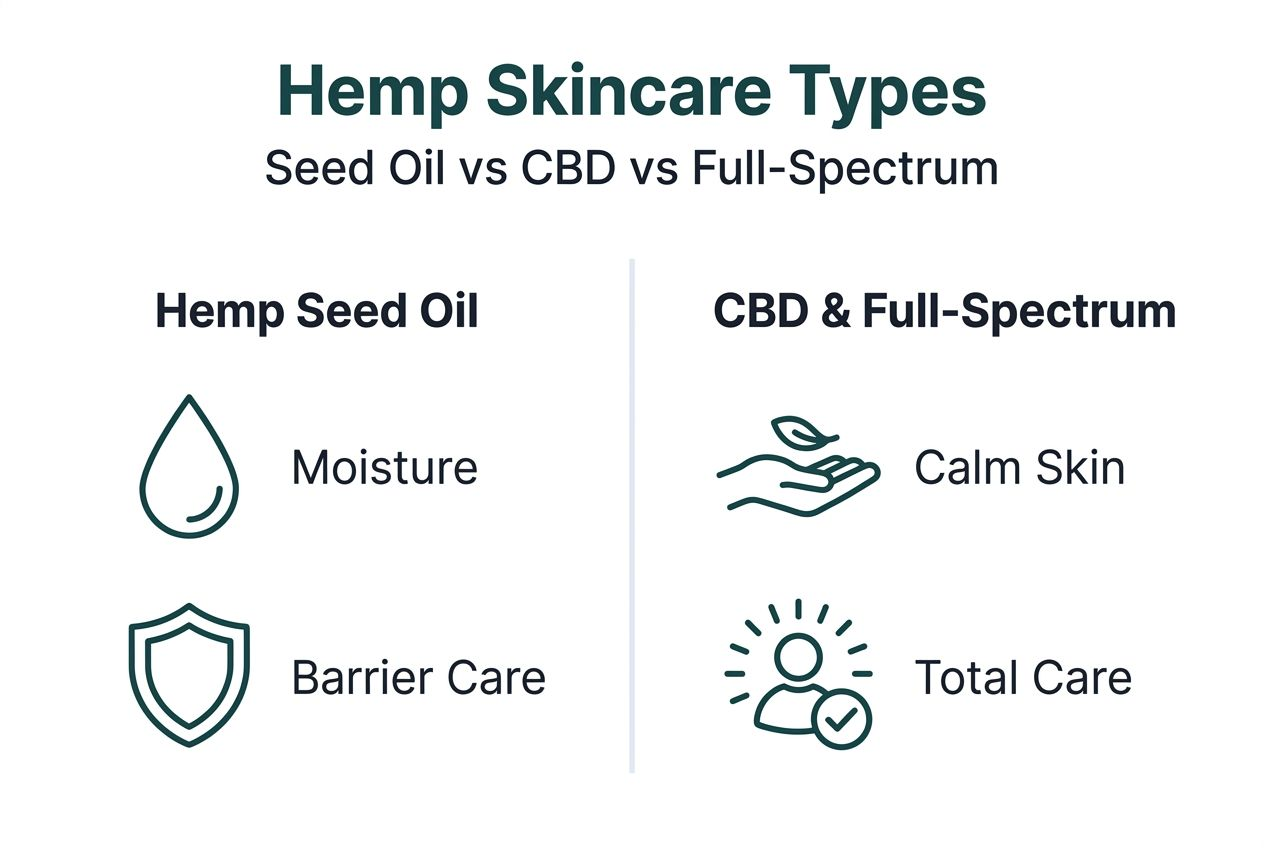
Hemp seed oil comes from pressed seeds and delivers primarily fatty acids. It contains minimal to no cannabinoids, making it excellent for moisturizing and barrier support but lacking anti-inflammatory cannabinoid effects. Think of it as a superior carrier oil with skin-nourishing lipids.
CBD oil extracts cannabinoids from flowers and leaves. It concentrates therapeutic compounds like cannabidiol while containing little to no fatty acids. This makes it powerful for targeting inflammation, acne, and irritation but less effective for basic hydration needs.
Full-spectrum hemp extract combines everything: cannabinoids from flowers, terpenes, and beneficial plant compounds. Some formulations also include hemp seed oil for added fatty acids. This comprehensive approach delivers synergistic benefits across multiple skin concerns simultaneously.
| Ingredient Type | Source | Main Components | Primary Benefits | Best For |
|---|---|---|---|---|
| Hemp seed oil | Seeds | Omega-3, omega-6 fatty acids | Hydration, barrier repair | Dry skin, moisturizing |
| CBD oil | Flowers, leaves | Cannabidiol, minor cannabinoids | Anti-inflammatory, sebum control | Acne, redness, irritation |
| Full-spectrum extract | Whole plant | Cannabinoids, terpenes, fatty acids | Comprehensive skin support | Multiple concerns, synergistic effects |
Pro Tip: For maximum skin benefits, choose full-spectrum extracts that combine cannabinoid activity with fatty acid nourishment. The synergy produces better results than single-ingredient products.
Understanding the difference between hemp and CBD oil prevents buyer’s remorse. When you know what full-spectrum means, label claims become transparent instead of confusing.
Scientific evidence of hemp’s efficacy for skin conditions
Clinical research validates what hemp enthusiasts have claimed for years. Studies demonstrate measurable improvements across multiple skin concerns.
Topical CBD reduces acne lesions by 30% over 12 weeks in controlled trials. Participants applied CBD formulations twice daily, experiencing decreased sebum production and fewer inflammatory breakouts. The mechanism works through sebocyte regulation and anti-inflammatory pathways simultaneously.
Laboratory testing confirms hemp oil’s 60% free radical scavenging capacity, protecting cultured skin cells from oxidative damage. This antioxidant power translates to real protection against environmental stressors that accelerate visible aging.
Safety data shows hemp skincare causes allergic reactions in under 1% of users. This low incidence makes hemp suitable for sensitive skin types when proper patch testing precedes full application. The natural origin and fatty acid composition contribute to this excellent tolerance profile.
| Study Focus | Key Finding | Clinical Significance |
|---|---|---|
| Acne treatment | 30% reduction in lesions over 12 weeks | Comparable to conventional treatments without harsh side effects |
| Antioxidant protection | 60% free radical scavenging in vitro | Prevents oxidative damage from UV and pollution |
| Safety profile | <1% allergic reaction incidence | Suitable for most skin types including sensitive |
| Inflammation reduction | Up to 50% decrease in cytokine markers | Effective for redness, irritation, and inflammatory conditions |
Evidence-backed benefits include:
- Significant inflammation reduction through cytokine modulation
- Sebum control that prevents pore clogging and breakouts
- Enhanced hydration from fatty acid barrier support
- Antioxidant protection against premature aging
- Minimal side effects compared to conventional treatments
The research supports hemp’s safety profile while demonstrating real efficacy. This combination makes hemp a compelling option for evidence-based skincare routines.
Common misconceptions about hemp in skincare
False beliefs about hemp create unnecessary hesitation. Let’s correct the most damaging misconceptions blocking smart product choices.
Hemp seed oil generally contains no cannabinoids like CBD or THC. The seeds lack the glandular structures that produce these compounds. If you want cannabinoid benefits, hemp seed oil alone won’t deliver them. Check labels for CBD content specifications.
Hemp skincare won’t get you high or cause psychoactive effects. Legal hemp products are non-psychoactive and safe, containing less than 0.3% THC by law. This trace amount, applied topically, cannot produce intoxication or appear on drug tests.
Concerns about THC content stem from confusion between hemp and marijuana. They’re the same plant species but legally and chemically different. Hemp’s low THC levels make it impossible to experience psychoactive effects, regardless of application method.
Product labeling inconsistencies do create legitimate confusion. Some brands use “hemp” to mean hemp seed oil, while others refer to CBD-rich extracts. Reading ingredient lists and asking for certificates of analysis clarifies exactly what you’re buying.
Key distinctions that matter:
- Hemp seed oil hydrates but lacks cannabinoids
- CBD oil delivers therapeutic cannabinoids without significant fatty acids
- Full-spectrum extracts combine both for comprehensive benefits
- Legal hemp contains under 0.3% THC and cannot cause intoxication
- Topical application prevents systemic absorption that could affect drug tests
Understanding hemp safety eliminates unfounded fears. The science supports hemp as a safe, effective skincare ingredient when you choose quality products from transparent brands.
Practical guide: how to select and use hemp skincare products
Knowing hemp’s benefits means nothing if you choose the wrong product. This step-by-step approach ensures your purchase matches your skin’s actual needs.
-
Identify your primary skin concern first. Dryness responds best to hemp seed oil’s fatty acids. Acne and inflammation need CBD’s anti-inflammatory action. Multiple concerns benefit from full-spectrum extracts.
-
Check the ingredient list for specific hemp components. “Hemp extract” is vague; look for “hemp seed oil,” “CBD,” or “full-spectrum hemp extract.” Concentration matters, with 100-500mg CBD per ounce showing effectiveness in studies.
-
Verify third-party testing through certificates of analysis. Reputable brands provide lab results confirming cannabinoid content and absence of contaminants like pesticides and heavy metals.
-
Consider formulation compatibility with your current routine. Hemp oils work well under moisturizers or mixed with serums. CBD concentrates can replace targeted treatments for acne or redness.
-
Start with lower concentrations if you have sensitive skin. Begin with 100-200mg CBD formulations and increase gradually while monitoring your skin’s response.
-
Apply hemp products to clean, slightly damp skin for better absorption. The moisture helps lipophilic compounds penetrate more effectively.
-
Use consistently for at least 4-6 weeks before judging results. Clinical studies showing acne reduction used 12-week protocols with twice-daily application.
Pro Tip: If you have sensitive skin, start with lower concentration hemp products and patch test for 24-48 hours before full-face application.
The hemp product selection guide provides detailed comparison frameworks. Learning about essential product features prevents costly mistakes and ensures you invest in formulations that deliver real results.
Conclusion: integrating hemp into your skincare routine
Hemp earns its place in modern skincare through proven mechanisms and clinical validation. The bioactive compounds, fatty acids, cannabinoids, and terpenes work synergistically to reduce inflammation, control sebum, protect against oxidative damage, and strengthen skin barriers.
Evidence-based product selection starts with understanding ingredient differences. Hemp seed oil, CBD oil, and full-spectrum extracts serve distinct purposes. Match your choice to specific skin concerns for targeted results.
Misconceptions about psychoactivity and safety hold many back from trying hemp skincare. The science confirms both efficacy and excellent tolerance across most skin types. Start with quality products, patch test properly, and give formulations adequate time to work.
Your skin’s endocannabinoid system already regulates inflammation and barrier function. Hemp ingredients simply support what your body does naturally, enhancing skin’s ability to maintain balance and health.
Explore quality hemp products at 23rd State
Ready to experience hemp’s benefits beyond skincare? 23rd State offers carefully curated hemp-derived products that support overall wellness and lifestyle enhancement.

Our commitment to quality and transparency ensures you receive products backed by third-party testing and full-spectrum formulations. Whether you’re exploring hemp for wellness or seeking premium infused experiences, 23rd State provides trusted options.
Discover how FRESH PRESS THC Pear Cider delivers refreshing flavor with quality hemp-derived compounds. Explore our full range to find products that complement your wellness journey with the same plant-based benefits you’ve learned about today.
FAQ
What hemp skincare products are best for dry skin?
Hemp seed oil’s essential fatty acids provide superior hydration for dry skin types. Look for formulations combining hemp seed oil with other emollients like shea butter or ceramides. Avoid products containing alcohol or harsh surfactants that counteract hemp’s moisturizing benefits.
Can hemp skincare products cause allergic reactions?
Hemp skincare causes allergic reactions in under 1% of users, making it generally safe for most skin types. Always patch test new products on your inner forearm for 24-48 hours before full application. Discontinue use if redness, itching, or irritation develops.
How does CBD in hemp skincare reduce acne?
CBD reduces acne lesions by 30% through decreased sebum production and anti-inflammatory action. It regulates sebocytes that produce excess oil while calming inflammatory cytokines that worsen breakouts. Clinical studies used twice-daily application over 12 weeks for optimal results.
Is there a difference between hemp oil and CBD oil for skincare?
Hemp seed oil comes from seeds and contains primarily fatty acids with minimal cannabinoids. CBD oil extracts cannabinoids from flowers and leaves, delivering anti-inflammatory compounds. For comprehensive benefits, choose full-spectrum extracts that combine both ingredient types.
How long does it take to see results from hemp skincare?
Most users notice initial improvements in hydration within 1-2 weeks. Anti-inflammatory and acne benefits typically appear after 4-6 weeks of consistent use. Clinical studies demonstrating significant acne reduction used 12-week protocols with twice-daily application for best results.
