

TL;DR:
- Healthy lifestyle checklists translate broad wellness goals into manageable daily habits. They focus on evidence-based components like hydration, nutrition, movement, sleep, and stress relief to support overall health.
Healthy lifestyle checklists are practical tools that translate broad wellness goals into manageable daily actions, helping you build consistent habits that support your physical, mental, and emotional health. Think of them less as rigid to-do lists and more as a personal wellness framework, one that keeps you grounded on busy Tuesdays and celebratory Saturdays alike. The best checklists draw from evidence-based guidelines, including recommendations from the NIDDK and the Dietary Guidelines for Americans, to give your routine real structure. When you design yours thoughtfully, a daily health habits checklist becomes one of the most underrated tools in your wellness kit.
1. What are the essential components of a healthy lifestyle checklist?
The strongest healthy lifestyle checklists share a common backbone: a small set of evidence-based habits covering movement, nutrition, hydration, sleep, and stress relief. These categories are not arbitrary. They reflect the pillars most consistently linked to long-term health outcomes by major health authorities.
Here are the core habit categories to build your checklist around:
- Hydration: Aim for at least 8 cups of water daily, adjusting for activity level and climate.
- Balanced nutrition: Follow the Dietary Guidelines for Americans, which recommend added sugars and saturated fat each below 10% of daily calories and sodium below 2,300 mg per day.
- Aerobic movement: The NIDDK recommends 150–300 minutes of moderate aerobic activity weekly, spread across at least 3 days.
- Muscle-strengthening: Include resistance or bodyweight exercises at least 2 days per week.
- Sleep routine: Consistent sleep and wake times anchor your body’s natural rhythm.
- Stress relief: Even 5 minutes of deep breathing, journaling, or a short walk counts.
- Oral care: Brushing and flossing daily is a simple habit with outsized long-term health returns.
Starting with every category at once is a recipe for burnout. Research shows that focusing on 3 core habits first, such as water intake, a short walk, and consistent sleep, builds the support structure that makes everything else easier to add later.
Pro Tip: Pick your “core three” habits and commit to them for 30 days before adding anything new. Momentum is built in layers, not all at once.
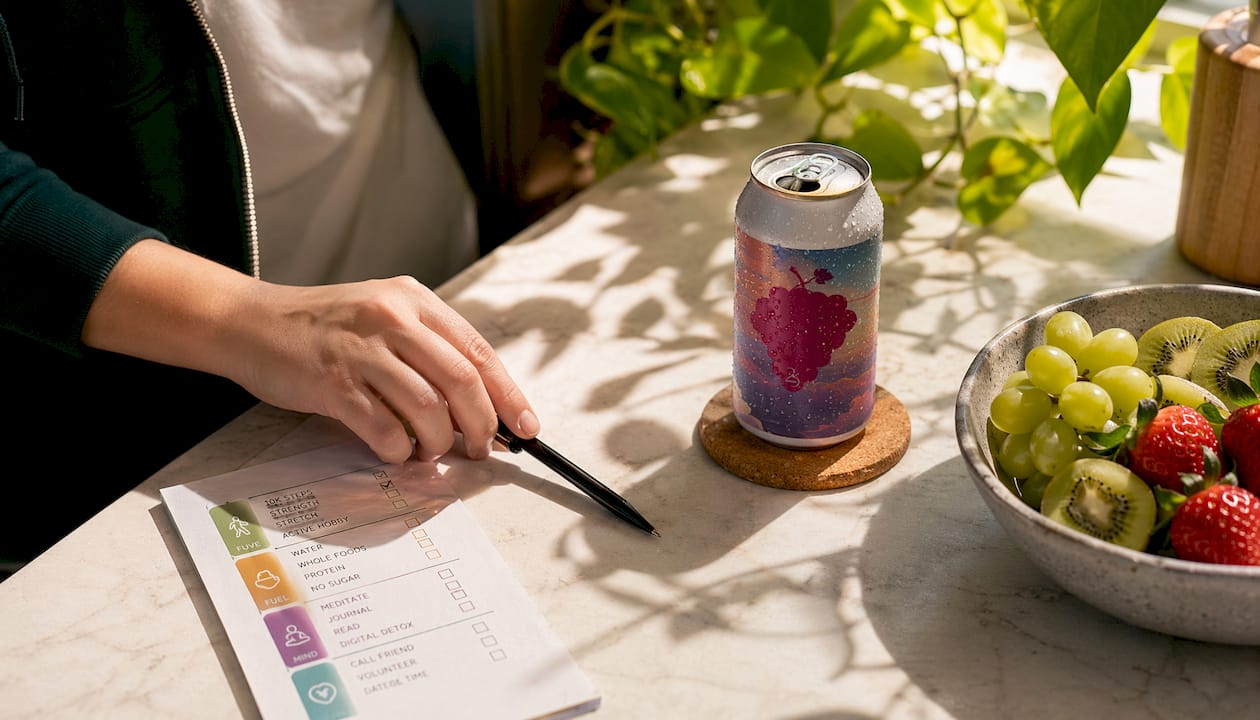
Habit stacking is the technique that makes checklist habits actually stick. You anchor new behaviors to existing routines, like drinking a glass of water right after you brew your morning coffee. The new habit rides the existing one into your day without requiring extra willpower.
2. How to customize and adapt your checklist for real-life challenges
A healthy living checklist fails the moment it becomes a source of guilt. The most effective approach treats your checklist as a flexible framework, not a pass/fail exam. Life is unpredictable, and your checklist should bend without breaking.
Flexible scoring is the key mindset shift. A 10-minute walk still counts. Half a glass of water before bed still counts. Treating checklists as flexible frameworks rather than all-or-nothing systems directly addresses the high dropout rates that plague rigid wellness routines.
Common pitfalls to watch for:
- Rigid perfectionism: Skipping the whole day because you missed one item is the fastest path to quitting.
- Overloading your list: More than 7 items per day creates decision fatigue, not motivation.
- Ignoring weekly patterns: One hard day does not define your week. Context matters.
- Forgetting to update: A checklist from january may not serve you well in july. Review and refresh seasonally.
Separate your checklist into two tiers: daily non-negotiables (hydration, movement, sleep) and weekly add-ons (meal prep, longer workouts, a social connection). This structure gives you a reliable daily anchor while leaving room for life to happen.
Pro Tip: Schedule a 10-minute weekly review every Sunday evening. Look at what you completed, what you skipped, and why. Adjust one item at a time, not five.
Habit stacking works especially well for customization. If you already make tea every morning, stack your 5-minute stretch right after. If you always watch TV after dinner, stack a short walk before you sit down. You are not adding new time to your day. You are using the time you already have more intentionally.
3. Which tools and methods best support healthy lifestyle checklist tracking?
The right tracking tool is the one you will actually use. Fancy apps mean nothing if a sticky note on your bathroom mirror works better for your brain.
- Printed checklists: A simple one-page printout posted somewhere visible, like your fridge or desk, works for adults who prefer analog systems. No battery required.
- Habit tracking apps: Apps like Habitica, Streaks, and Google Fit each offer different approaches. Habitica gamifies habits with points and rewards. Streaks focuses on building unbroken chains. Google Fit tracks movement automatically.
- Nutrition logs: MyFitnessPal remains one of the most widely used tools for tracking food intake against the Dietary Guidelines for Americans targets.
- Journals: A dedicated wellness journal lets you combine habit tracking with reflection, which adds emotional context that apps often miss.
- Notes apps: Apple Notes or Google Keep work well for a quick, always-accessible digital checklist that syncs across devices.
Weekly progress reviews consistently outperform daily obsessive tracking for long-term motivation. Daily tracking can amplify emotional distress when you miss a checkbox. Weekly reviews give you the bigger picture, which is almost always more encouraging.
Positive reinforcement matters more than most people realize. Non-food rewards, like a new book, a relaxing bath, or a fun evening with friends, reinforce habit completion without undermining your nutrition goals. Celebrating small wins releases dopamine, which literally makes your brain want to repeat the behavior.
4. How do healthy lifestyle checklists enhance wellness in daily living?
Well-designed wellness routines do something quietly powerful. They automate your healthiest choices so you spend less mental energy deciding and more energy actually living. Checklists reduce cognitive burden by turning healthy choices into low-effort, automatic behaviors over time.
The timeline for habit formation is longer than most people expect. Research shows that structured routines reduce stress by 20% and that habits typically reach autopilot around the 3-month mark. Noticeable mood improvements tend to appear within 2–4 weeks of consistent practice. That is a realistic and genuinely encouraging timeline.
“The goal of a healthy lifestyle checklist is not perfection. It is to make your best choices easier and your worst choices less automatic. When your environment and your habits align, wellness stops feeling like work and starts feeling like who you are.”
Checklists also support weight management by keeping nutrition and movement habits visible and consistent, without requiring constant willpower. The structure itself does a lot of the heavy lifting. When you check off your water intake and your evening walk, you are reinforcing an identity: you are someone who takes care of themselves.
At 23rd State, the wellness philosophy is exactly this: joyful, manageable routines that fit your real life. A good night’s sleep is on every smart checklist, and so is making space for the moments that feel good. A cannabis beverage like Blush Crush, enjoyed mindfully as part of an evening wind-down, fits naturally into a lifestyle that values both health and pleasure. It is not a replacement for your wellness habits. It is a complement to them.
Key Takeaways
The most effective healthy lifestyle checklists are flexible, evidence-based frameworks that automate healthy choices and build lasting habits through consistency, not perfection.
| Point | Details |
|---|---|
| Start with three core habits | Focus on water, movement, and sleep before adding more items to your checklist. |
| Use evidence-based targets | Aim for 150–300 minutes of aerobic activity weekly and keep sodium below 2,300 mg daily. |
| Embrace flexible scoring | Partial completions count. A rigid all-or-nothing mindset drives dropout, not results. |
| Review weekly, not daily | Weekly progress reviews reduce emotional distress and give better context for adjustment. |
| Stack habits onto existing routines | Anchoring new habits to existing behaviors improves adoption without requiring extra time. |
What I’ve learned from building real wellness routines
Checklists changed how I think about health, but not in the way I expected. The biggest lesson was not about which habits to add. It was about letting go of the idea that a missed day means a failed week.
The adults who stick with wellness routines long-term are not the ones with the most disciplined checklists. They are the ones who treat their checklist like a compass, not a scorecard. They check in, adjust, and keep moving. Imperfection is not the enemy of progress. Quitting is.
The other thing I have noticed: the best routines leave room for joy. A checklist that is all discipline and no delight will not last. The most sustainable wellness habits I have seen include things that feel good, not just things that are good for you. That might be a morning stretch you actually enjoy, a meal you genuinely love, or an evening ritual that signals your body it is time to relax. 23rd State’s Blush Crush fits that spirit perfectly. It is not about indulgence over health. It is about building a life where both coexist.
— Leah Kollross, founder, 23rd State
Blush Crush and the art of the intentional evening
Your checklist does not clock out at 5:00 PM. The evening hours are where your wellness routine either holds together or falls apart, and what you reach for matters.
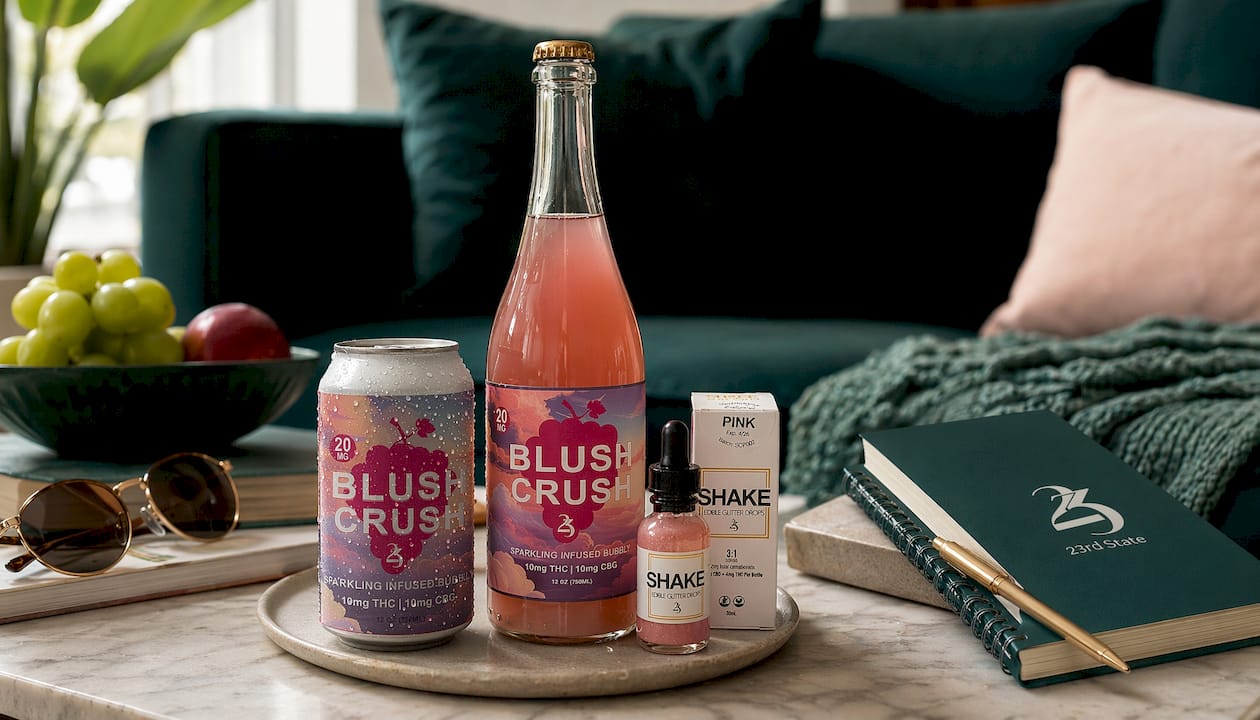
23rd State’s Blush Crush is a hemp-derived THC cannabis beverage designed for exactly this moment. It is light, bright, and crafted for adults who want a mindful way to wind down without reaching for something that leaves them feeling foggy the next morning. Pair it with your evening checklist items, a short walk, a few minutes of quiet, a consistent bedtime, and you have a ritual that feels as good as it is good for you. If you want to try a few flavors before committing, the Blush Crush bundle is the easy way to explore the full lineup.
FAQ
What should a healthy lifestyle checklist include?
A solid checklist covers hydration, balanced nutrition, aerobic movement, sleep, and stress relief. The NIDDK recommends 150–300 minutes of moderate aerobic activity weekly as a baseline for healthy adults.
How many habits should I track on my checklist each day?
Start with 3 core habits to build momentum without burnout. Research shows that tracking too many habits at once leads to dropout, not progress.
How long does it take for checklist habits to become automatic?
Habits typically reach autopilot around the 3-month mark, with noticeable mood improvements appearing within 2–4 weeks of consistent practice.
Should I track my checklist daily or weekly?
Weekly reviews outperform daily obsessive tracking for long-term motivation. Daily tracking can amplify distress over missed items, while weekly reviews provide better context and encouragement.
Can a cannabis beverage fit into a healthy lifestyle checklist?
Yes, when enjoyed mindfully and in moderation as part of an intentional evening routine. Hemp-derived THC beverages like 23rd State’s Blush Crush complement wellness habits rather than replace them, with no medical claims implied.
