

What does hemp packaging actually tell you?
Hemp packaging is the full picture: the label, the material, the regulatory marks, and the certifications that together tell you exactly what’s inside and whether it’s worth your trust. Once you know what to look for, reading a hemp product label takes about thirty seconds. Here’s what every well-made package should show you at a glance.
Key elements to scan for immediately:
- Ingredient source: Does it say hemp-derived or cannabis sativa? That distinction matters legally and experientially.
- Cannabinoid profile: Full-spectrum, broad-spectrum, or isolate. Each delivers a different experience.
- THC and CBD content: Listed as mg per serving for edibles and drinks, or as a percentage for flower and concentrates.
- Dosage and serving size: How much is one serving, and how many servings are in the package?
- Warning statements: Required language about age restrictions, impairment, and keeping products away from children.
- Batch or lot number: Your traceability link to lab results and production records.
- Sustainability or certification marks: BPI, FSC, or compostability symbols with real standards behind them.
- QR code or web link: Connects you to the Certificate of Analysis (COA) and pesticide disclosure.
If a package is missing several of these, that’s your first signal to pause.
How do you read ingredient sources and cannabinoid profiles?
The single most confusing part of any cannabis product label is the ingredient source. Hemp and marijuana both come from the cannabis sativa plant, but they are legally distinct. Under the 2018 Farm Bill, hemp is defined as cannabis containing no more than 0.3% THC on a dry weight basis. Anything above that threshold is classified as marijuana and regulated differently. When a label says “hemp-derived,” it’s telling you the source meets that federal standard.
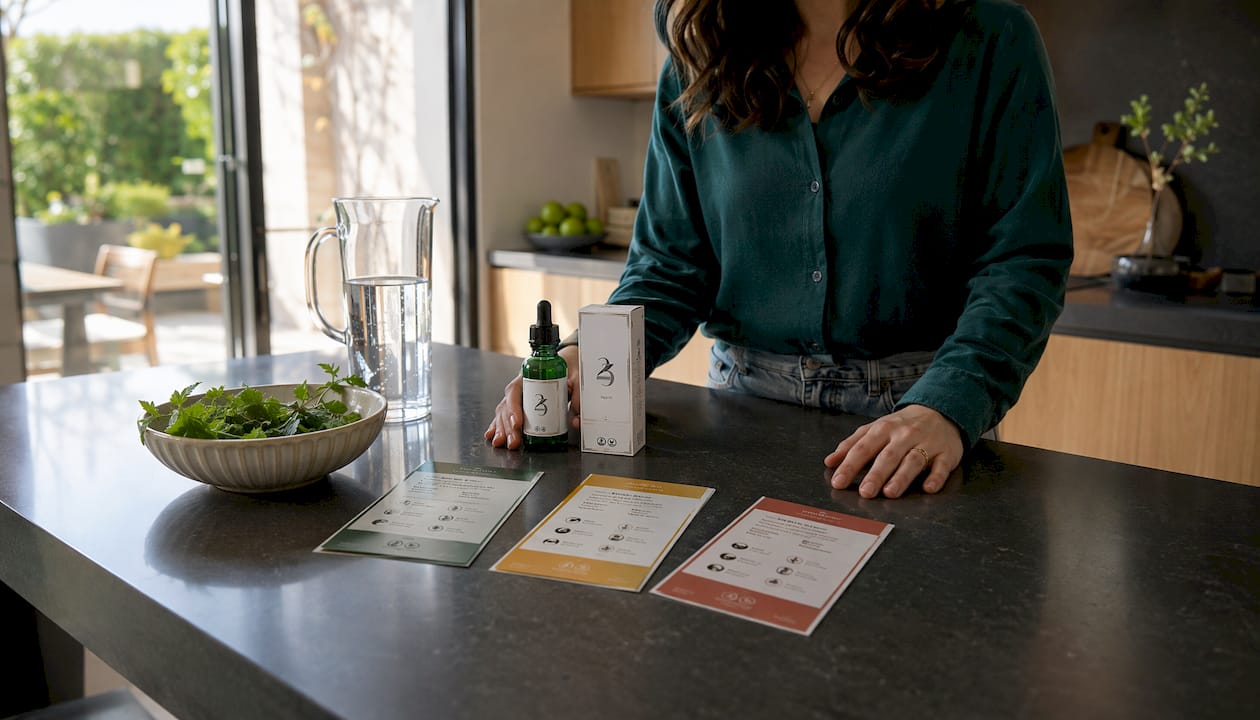
Cannabinoid profile terms are where things get a little more layered. “Full-spectrum” means the extract contains the full range of cannabinoids, terpenes, and flavonoids found in the plant, including trace THC. “Broad-spectrum” typically means THC has been removed while other cannabinoids remain. “Isolate” means a single cannabinoid, usually CBD, extracted on its own. For a deeper look at what these profiles mean for your experience, full-spectrum hemp explained is worth a read before you buy.
What to check on the label:
- The phrase “hemp extract” or “hemp-derived cannabinoids” confirms the legal source.
- Look for the specific cannabinoids listed: CBD, CBG, CBN, delta-9 THC.
- Edibles and beverages list THC in mg per serving. For example, some state rules limit edibles to low milligram amounts of THC per serving and per package, a useful benchmark even in other states.
- Flower and concentrates list cannabinoid content as a percentage. Most cannabis flower has moderate to high THC levels; concentrates typically have higher THC percentages.
- Avoid any label that makes explicit medical or health claims. Per FDA guidance, those claims signal an unapproved drug product.
What do sustainability certifications on hemp packaging actually mean?
Not every green label is created equal. “Eco-friendly” and “natural” are marketing words with no legal definition. The certifications that carry real weight are the ones backed by third-party testing against published standards.
Certifications worth trusting:
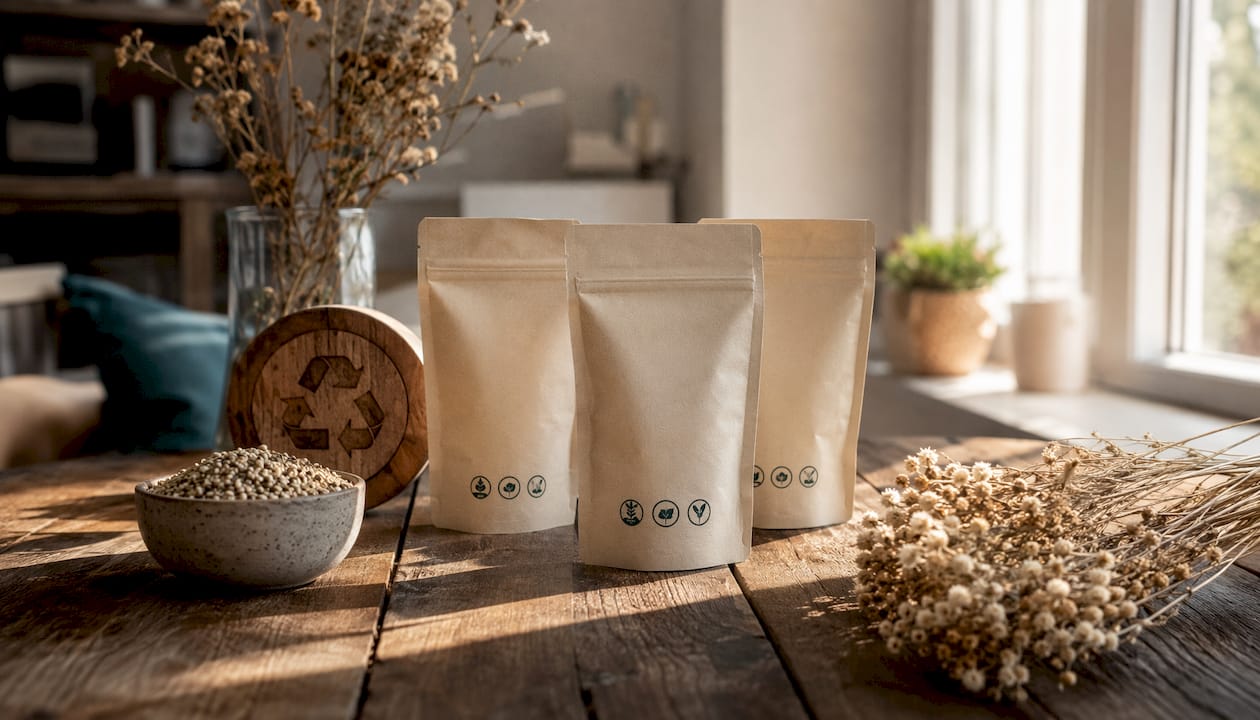
- BPI (Biodegradable Products Institute): Verifies that a product meets ASTM D6400 or ASTM D6868 standards for commercial compostability. ASTM D6400 covers compostable plastics; D6868 covers compostable coatings on paper or other substrates.
- FSC (Forest Stewardship Council): Confirms that paper or fiber components come from responsibly managed forests.
- OK Compost: A European certification also recognized in the US for home or industrial compostability.
One trap brands fall into: showing a compostability certification for the raw resin or fiber, but not for the finished package with its inks, coatings, and laminates. The FTC Green Guides require that environmental claims apply to the whole product, not just one component. California’s SB 343 goes further, requiring that recyclability claims be backed by real-world access data covering at least 60% of the population.
If a package says “compostable” with no certification mark, ask for the substantiation. Legitimate brands can point you to their testing dossier. For more on evaluating environmental claims on hemp products, organic hemp certification breaks down what the labels actually promise.
What does US law require on hemp product labels?
Federal and state regulations set a floor for what must appear on any legal hemp product sold in the United States. The FDA treats hemp-derived products under the same framework as other regulated food and supplement items, which means the labeling rules are specific and non-negotiable.
Required label elements under US regulatory guidance:
- Total THC and CBD content: Must appear clearly on the principal display panel.
- Ingredient list: Listed in descending order by weight. Edibles must include allergens.
- Net quantity: Weight or volume of the product.
- Manufacturer name and address: Including city, state, and ZIP code.
- Warning statements: Age restriction (21+), impairment caution, and “keep out of reach of children.” For edibles, a caution that intoxicating effects may be delayed by two or more hours is required in many states.
- Child-resistant and tamper-evident packaging: Required for products containing THC above trace levels.
- Solvent disclosure: If extraction used ethanol, butane, or other solvents, the label must say so. Products labeled “solvent-free” or “solventless” are indicating a different production method.
- Batch or lot number: Links the product to its production record and lab results.
- Pesticide and additive disclosure: Often provided via QR code or web link rather than printed in full on the label.
The FDA explicitly prohibits unsubstantiated medical claims on hemp product labels. A label that promises to treat, cure, or prevent any condition is a regulatory red flag. For a full overview of what legal compliance looks like in practice, picking legal hemp covers the key checkpoints.
How do you interpret potency, dosage, and lab testing on hemp packaging?
Potency numbers are where a lot of first-time buyers get tripped up. The total cannabinoid content printed on a package sounds impressive, but the number that actually governs your experience is the mg per serving, not the total per package.
For hemp beverages and edibles, read the serving size first, then the mg of THC or CBD per serving. A drink with 5 mg THC per can delivers a very different experience than one with 10 mg, even if the total package content looks similar. Some products also note formulation details like nano-emulsification, a process that breaks cannabinoids into smaller particles for faster absorption. That detail on a label tells you onset may be quicker than a standard oil-based product.
What a strong COA (Certificate of Analysis) confirms:
- Actual cannabinoid content matches what the label claims.
- Absence of heavy metals, pesticides, residual solvents, and microbial contaminants.
- The testing lab is accredited and independent, not run by the brand itself.
- The batch number on the COA matches the batch number on your package.
Brands increasingly link to lab results via QR codes, making it easy to pull up the full COA on your phone before you buy. If a brand doesn’t offer that access, that’s worth noting. Transparency at this level is now a baseline expectation, not a bonus feature.
Pro Tip: Scan the QR code before you open the package. If the COA batch number doesn’t match what’s printed on your product, contact the brand directly before consuming.
Smart shopping advice from 23rd State
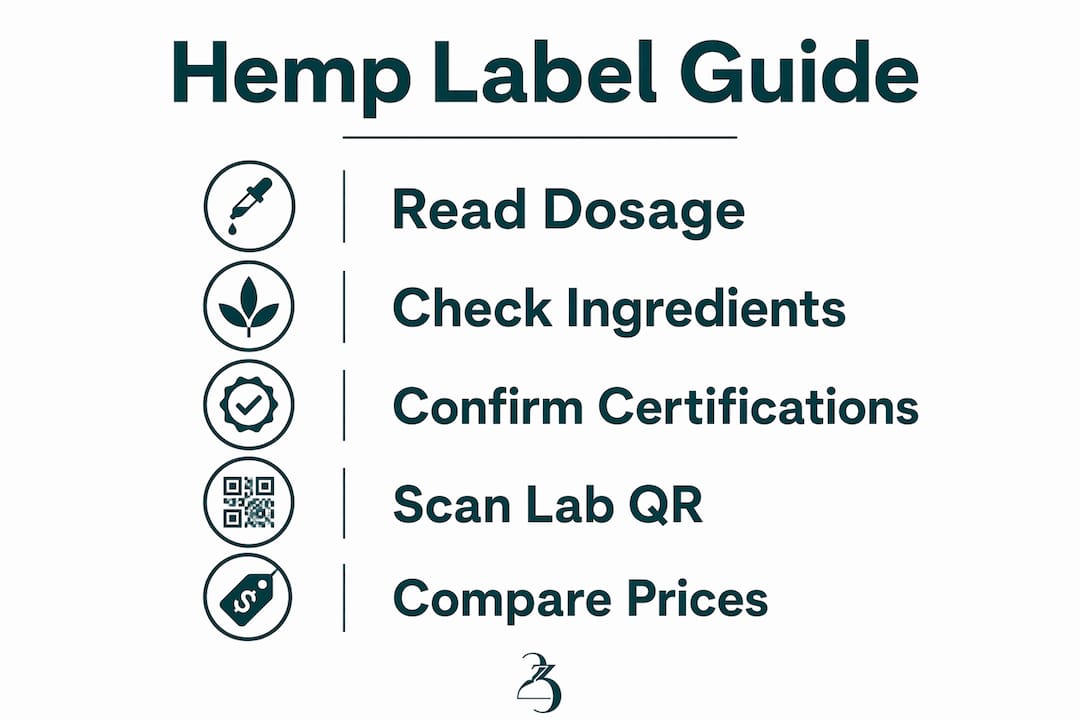
Reading labels well is a skill, and it gets faster every time. Here’s a quick checklist for evaluating any hemp product before it goes in your cart.
- Certifications first: Look for BPI, FSC, or ASTM-verified compostability marks. Vague “eco” language without a certification symbol means nothing.
- Cannabinoid profile clarity: Full-spectrum, broad-spectrum, or isolate should be stated plainly, not buried in fine print.
- Dosage per serving: Confirm the mg per serving before comparing products. Total package content is a distraction.
- Lab access: A QR code linking to a current COA is the gold standard. No link, no transparency.
- Batch number: Present on every compliant product. Use it to verify lab results and check freshness.
- No medical claims: Any label promising therapeutic outcomes is a compliance problem, not a selling point.
23rd State builds every product with this checklist in mind. The SHAKE Emerald drops, SHAKE Cosmo in pink, and SHAKE 24k in gold each carry clear dosage information, transparent ingredient sourcing, and lab-tested cannabinoid content. They’re the kind of products that make label reading easy because the brand did the work upfront. For a broader look at how packaging affects your experience from first glance to last sip, cannabis packaging and safety is a great next read.
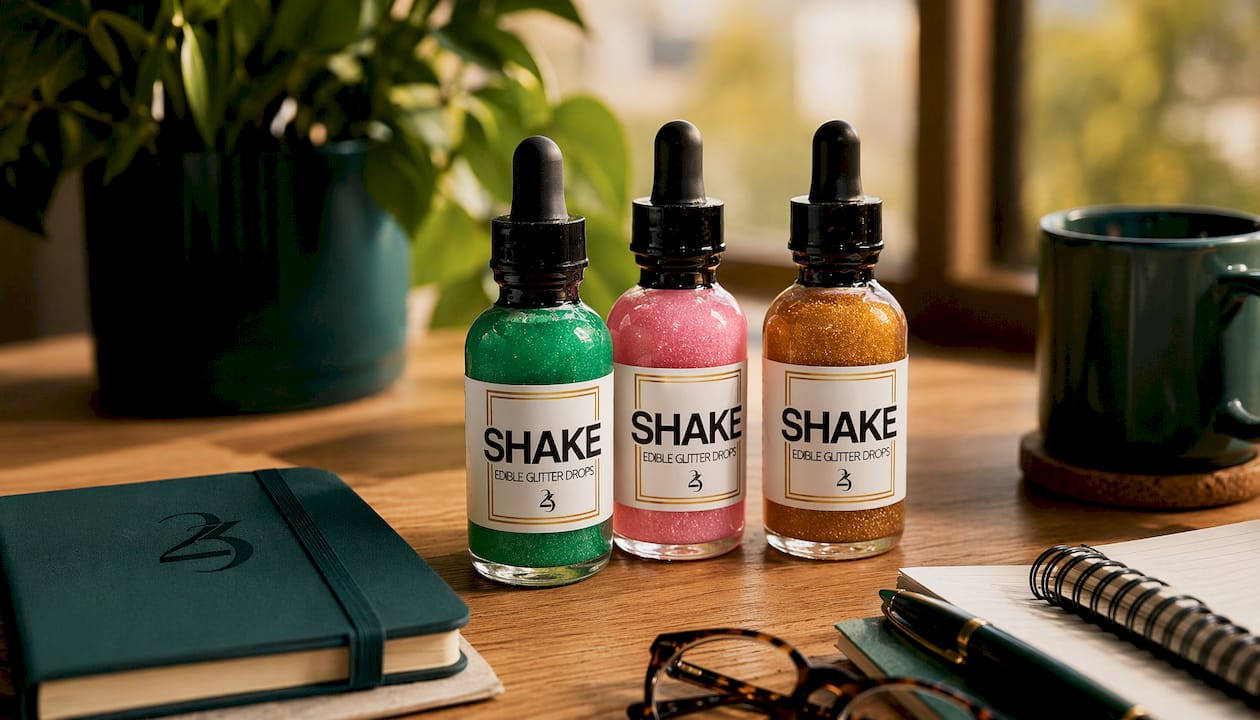
Ready to crack one open with confidence? Start with a SHAKE drop and taste what transparent, well-labeled hemp looks like in practice.
Key Takeaways
Hemp packaging labels contain everything you need to make a safe, informed choice, but only if you know which numbers and marks actually matter.
| Point | Details |
|---|---|
| Read mg per serving first | Total package cannabinoid content is less useful than the mg per serving for gauging your experience. |
| Verify certifications | BPI and FSC marks confirm third-party validation; vague “eco-friendly” language does not. |
| Check the COA batch number | The batch number on your product must match the Certificate of Analysis to confirm lab results apply to your specific item. |
| Hemp vs. marijuana source | Hemp is legally defined as cannabis with no more than 0.3% THC on a dry weight basis under the 2018 Farm Bill. |
| Medical claims are a red flag | FDA prohibits unsubstantiated health claims on hemp labels; any such claim signals a compliance problem. |
FAQ
What is the legal THC limit for hemp products in the US?
Under the 2018 Farm Bill, hemp is defined as cannabis containing no more than 0.3% THC on a dry weight basis. Products exceeding that threshold are classified as marijuana under federal law.
How do you find a hemp product’s lab results?
Most compliant hemp products include a QR code or web address on the label linking to the Certificate of Analysis (COA). You can also request lab results from the retailer by providing the batch number printed on the package.
What does “full-spectrum” mean on a hemp label?
Full-spectrum means the extract contains the full range of cannabinoids, terpenes, and flavonoids from the plant, including trace amounts of THC. Broad-spectrum typically has THC removed, while isolate contains a single cannabinoid only.
Are compostability claims on hemp packaging reliable?
Only when backed by a recognized certification like BPI or an ASTM D6400 or D6868 verified mark. Unverified “compostable” claims may not apply to the finished package, especially if it includes coatings, inks, or laminates not covered by the certification.
What warning statements are required on hemp product labels?
Required warnings typically include age restriction (21+), a caution against operating a vehicle while impaired, a reminder to keep products away from children, and for edibles, a notice that effects may be delayed by two or more hours.
