

TL;DR:
- Cannabis packaging protects potency, ensures safety, and communicates brand trust.
- Safety features like tamper-evident seals and child-resistant closures are essential for consumer protection.
- Sustainability innovations are gaining momentum, emphasizing eco-friendly and minimal packaging options.
Cannabis packaging does far more than hold a product. The right design protects potency, signals trustworthiness, and quietly shapes how you feel about what’s inside before you even open it. Tamper-evident features like shrink bands and break tabs are now standard safety tools, while plain packaging has been shown to meaningfully shift health outcomes. And as the industry matures, sustainability is moving from a nice-to-have to a real expectation. This article walks you through what today’s best cannabis packaging actually does, why it matters for your wellness and experience, and what innovations are worth paying attention to.
Table of Contents
- Understanding the basics: Why cannabis packaging matters
- Safety first: Features that protect consumers and build trust
- Experience matters: Packaging’s influence on perception, usability, and appeal
- Sustainability and innovation: Reducing environmental footprint in cannabis packaging
- What most people miss about cannabis packaging
- Explore sustainable and safe cannabis solutions
- Frequently asked questions
Key Takeaways
| Point | Details |
|---|---|
| Safety features matter | Tamper-evident and child-resistant packaging boost product safety and trust. |
| Plain packaging reduces appeal | Simplified packaging can improve health warnings and help prevent misuse. |
| Sustainability drives innovation | Eco-friendly materials and designs are shaping the future of cannabis packaging. |
| Consumer experience counts | Thoughtful packaging enhances usability and enjoyment while supporting compliance. |
Understanding the basics: Why cannabis packaging matters
Think about the last time you picked up a cannabis product. Chances are, the packaging was the first thing that caught your eye, and the last thing standing between you and what’s inside. That’s a lot of responsibility for a container.
Cannabis packaging carries a unique set of demands that most other consumer goods simply don’t face. It has to:
- Preserve freshness and potency by blocking light, moisture, and oxygen
- Meet strict legal requirements for child resistance and tamper-evidence
- Display mandated health warnings in a clear, readable format
- Communicate brand identity without crossing into youth-targeted design
- Support safe storage to prevent accidental ingestion or degradation
These aren’t just nice features. They’re often legal requirements, and getting them wrong can mean product recalls, fines, or real harm to consumers.
Freshness matters more than most people realize. Cannabinoids like THC and CBD are sensitive to UV light and humidity. A poorly sealed package can degrade a product’s potency in days. Airtight, opaque containers with moisture-control inserts are now considered baseline quality for premium cannabis.
“Packaging is not just a vessel. It’s a communication tool, a safety mechanism, and a brand statement all at once.”
On the compliance side, cannabis product safety standards vary by state, but the core requirements around child resistance and tamper-evidence are nearly universal. Brands that treat these as checkboxes rather than genuine design priorities tend to produce packaging that’s frustrating to open, hard to reseal, and less effective at communicating safety.
The good news is that thoughtful packaging design can satisfy all of these needs at once. When safety features are integrated elegantly rather than bolted on as afterthoughts, the result is a product that feels premium, trustworthy, and genuinely cared for. That’s the baseline every cannabis brand should be aiming for.
Safety first: Features that protect consumers and build trust
Safety in cannabis packaging isn’t abstract. It shows up in very specific design choices that either work or don’t.
Tamper-evident features are your first line of defense. Shrink bands, seals, and break tabs give you immediate visual confirmation that a product hasn’t been opened or altered before it reached you. This matters enormously for edibles and tinctures, where tampering could go unnoticed without these cues.
| Feature | Purpose | Common formats |
|---|---|---|
| Shrink bands | Seal cap to container | Bottles, jars |
| Break tabs | Signal first-open event | Pouches, lids |
| Induction seals | Airtight tamper evidence | Tinctures, oils |
| Child-resistant closures | Prevent accidental access | All formats |
Child-resistant (CR) packaging is legally required across most regulated cannabis markets. CR designs use mechanisms like push-and-turn caps, squeeze-and-pull closures, or multi-step opening sequences that are genuinely difficult for young children to navigate. The challenge for brands is making these features effective without making them so frustrating that adults give up and store products unsafely.
Here’s where it gets interesting. Research shows that plain packaging improves recall of health warnings and reduces the product’s overall appeal, particularly among younger audiences. Standardized fonts, neutral colors, and prominent warning labels make the safety information harder to ignore.
Some practical things to look for when evaluating cannabis packaging safety:
- Does the closure require two distinct motions to open?
- Is there a visible tamper indicator on first use?
- Are health warnings printed in a legible font size (not buried in fine print)?
- Is the package resealable to prevent accidental spills or exposure?
Pro Tip: If you’re buying cannabis products online, check whether the brand’s cannabis packaging compliance guide is publicly available. Brands that are transparent about their compliance process tend to take safety more seriously across the board.
The best safety packaging feels almost invisible in use. It does its job without making you feel like you’re defusing a bomb every time you want to enjoy your product. That balance between protection and usability is what separates thoughtful design from compliance theater. Staying current with wellness cannabis trends can help you spot brands that are genuinely raising the bar.
Experience matters: Packaging’s influence on perception, usability, and appeal
Here’s something worth sitting with: two products with identical formulas can feel completely different based solely on how they’re packaged. Packaging shapes your expectations, and expectations shape your experience.
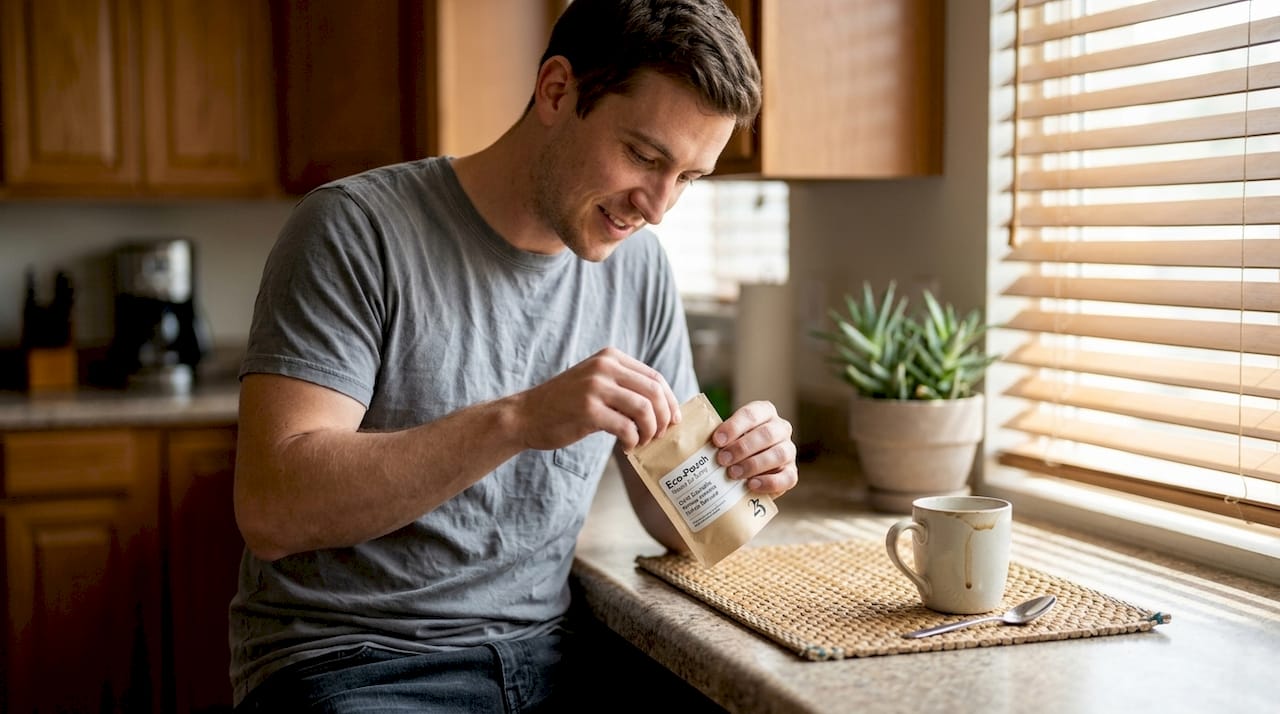
The science backs this up. Plain packaging boosts health warning recall by 47% and measurably reduces product appeal. That’s not just a regulatory win. It’s a signal that design choices carry real psychological weight.
| Packaging element | Consumer impact |
|---|---|
| Matte finish | Perceived as premium, sophisticated |
| Bold color branding | Higher shelf appeal, stronger recall |
| Plain/standardized design | Better health warning retention |
| Resealable closure | Improved freshness, user satisfaction |
| Clear dosing info | Increased confidence, responsible use |
For wellness-focused consumers, usability is everything. You want packaging that:
- Opens cleanly without tearing or spilling
- Reseals securely to maintain freshness between uses
- Displays dosing information prominently and clearly
- Feels good in hand without being wasteful or oversized
- Communicates ingredients in plain, readable language
Branding plays a role too, but it’s a balancing act. Vibrant, eye-catching design builds brand recognition and shelf presence. But overly flashy packaging that mimics candy or snack foods raises legitimate concerns about youth appeal. The most respected brands in the space are finding ways to be visually distinctive while keeping their aesthetic intentional and adult-oriented.
Pro Tip: Pay attention to how a brand uses color and typography on its packaging. Brands that invest in clean, legible design usually invest the same care in their formulations. Explore cannabis wellness packaging trends to see what’s setting the standard right now.
Freshness is another underrated experience factor. Nitrogen-flushed pouches, UV-blocking glass, and humidity-control inserts all extend shelf life and protect flavor profiles. For flower and edibles especially, these details make a noticeable difference in quality. Check out hemp packaging insights for a closer look at how top brands are handling freshness innovation.
Sustainability and innovation: Reducing environmental footprint in cannabis packaging
The cannabis industry generates a surprising amount of packaging waste. Between compliance requirements, freshness needs, and branding demands, products often end up wrapped in layers of plastic that aren’t recyclable in standard municipal programs. That’s starting to change.
Here are the most promising sustainable packaging innovations gaining traction right now:
- Bioplastics made from corn starch or sugarcane offer similar barrier properties to conventional plastics but break down far more readily in composting environments.
- Recycled and FSC-certified paper is being used for outer boxes and inserts, reducing virgin material use without sacrificing print quality.
- Compostable pouches made from plant-based films are replacing single-use plastic bags for flower and edibles.
- Refillable glass containers allow brands to offer take-back programs where packaging is cleaned and reused rather than discarded.
- Minimal packaging design strips away unnecessary layers, using only what’s required for safety and freshness.
- Plant-based inks replace petroleum-derived printing inks, reducing chemical contamination in the recycling stream.
The challenge is that sustainability and compliance don’t always align neatly. Child-resistant closures, for example, often require specific plastic mechanisms that aren’t available in compostable materials yet. Packaging innovation is actively working to close this gap, but it takes time and investment.
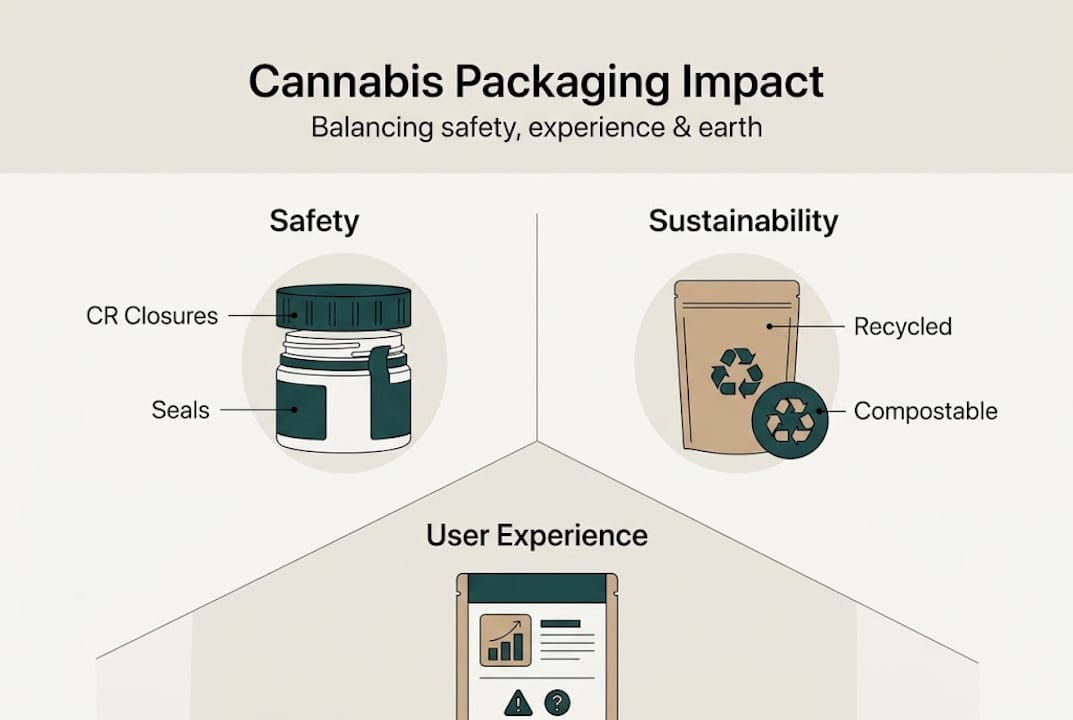
Research confirms that eco-friendly packaging integration with compliance requirements is achievable and increasingly expected by consumers. Brands that figure this out early are building real loyalty with health-conscious buyers who care about more than just what’s in the package.
Pro Tip: When shopping for cannabis products, look for brands that list their packaging materials on their website or product pages. Transparency here is a strong signal of overall brand integrity.
Small choices add up. Choosing brands that use recycled materials, minimal packaging, or take-back programs is a meaningful way to align your purchasing with your values without sacrificing quality or safety.
What most people miss about cannabis packaging
Most packaging conversations focus on compliance. Does it have a CR closure? Is the warning label big enough? Those questions matter, but they miss something bigger.
The real story is that packaging is a leverage point for consumer empowerment. When done right, it doesn’t just protect you from harm. It actively supports responsible use. Clear dosing windows, resealable designs, and honest labeling give you the information and tools to make intentional choices every time.
Here’s the uncomfortable truth: heavy-handed regulation sometimes pushes brands toward packaging that technically complies but practically fails. Overly complex CR closures get bypassed. Warning labels in tiny fonts get ignored. Excessive plastic wrapping gets thrown away without a second thought.
The brands getting it right are the ones treating packaging as a wellness tool, not just a legal obligation. They’re asking how design can reinforce mindful consumption, reduce waste, and build genuine trust. That perspective, grounded in safety standards and consumer respect, is what separates good packaging from great packaging. Consumer demand is driving this shift faster than regulation ever could.
Explore sustainable and safe cannabis solutions
If this article sparked something for you, good. Packaging is one of those details that quietly defines your entire product experience, and you deserve brands that take it seriously.
At 23rd State, we think about these things intentionally. Our products are designed with safety, freshness, and your wellness in mind, from the formulations inside to the packaging outside. Want to go deeper? Browse our learn about cannabis safety standards resource to understand exactly what responsible cannabis packaging looks like in practice. Because when you know what to look for, you make better choices, and better choices feel better.
Frequently asked questions
What makes cannabis packaging different from other industries?
Cannabis packaging must meet strict safety regulations like child resistance and tamper-evidence, unlike most consumer products. Shrink bands, seals, and break tabs are compliance requirements specific to cannabis that go well beyond standard consumer goods packaging.
How does plain packaging affect health and appeal?
Plain packaging improves health warning recall by 47% and reduces product appeal, promoting safer and more informed consumption habits.
What are the most sustainable packaging options for cannabis?
Bioplastics, recycled paper, compostables, and refillable containers are considered the most eco-friendly innovations in cannabis packaging today. Industry movement toward eco-friendly materials is accelerating as consumer demand for sustainability grows.
Why is child-resistant packaging required for cannabis?
Child-resistant packaging prevents accidental ingestion and satisfies legal safety requirements across regulated cannabis markets. Legal mandates for CR features are among the most consistent compliance requirements in the industry.
