

Finding trustworthy cannabis wellness products can feel overwhelming for many American adults, especially with over 60 percent of users now prioritizing lab-tested quality. With new THC and CBG-infused options emerging everywhere from Minnesota to South Carolina to Texas, understanding cannabis product safety standards is essential to protecting your health. Discover how clear standards, strict testing, and transparent labeling give you confidence and peace of mind in choosing products that meet your safety expectations.
Table of Contents
- Defining Cannabis Product Safety Standards
- Key Types of Cannabis-Derived Products
- Lab Testing and Quality Assurance Methods
- State Laws Governing Product Safety
- Labeling, Packaging, and Consumer Risks
Key Takeaways
| Point | Details |
|---|---|
| Cannabis Safety Standards are Essential | Rigorous safety standards ensure consumer protection and product quality by regulating chemical composition and contaminant levels. |
| Diverse Cannabis Product Types | Cannabis products range from plant materials to advanced extracts, each requiring specific regulatory focus to meet consumer needs. |
| Importance of Lab Testing | Third-party lab testing is vital for verifying safety, potency, and the absence of contaminants in cannabis products. |
| Regulatory Variations Across States | Cannabis product regulations differ significantly among states, making consumer awareness crucial for compliance and safety. |
Defining Cannabis Product Safety Standards
Cannabis product safety standards represent a critical framework for ensuring consumer protection and product quality in an evolving regulatory landscape. Cannabis brand standards are designed to establish rigorous guidelines that safeguard consumer health while maintaining product integrity across production, testing, and distribution processes.
The safety standards for cannabis products encompass multiple essential dimensions, including chemical composition, manufacturing practices, contaminant screening, and potency verification. The FDA’s regulatory approach emphasizes comprehensive evaluation of cannabis and cannabis-derived products to protect public health. These standards typically require manufacturers to demonstrate:
- Consistent chemical composition
- Absence of harmful microbiological contaminants
- Accurate THC and CBD concentration labeling
- Rigorous production hygiene protocols
- Third-party laboratory testing verification
Implementing robust safety standards involves sophisticated testing protocols that screen for potential hazards like pesticide residues, heavy metals, microbial contamination, and precise cannabinoid concentration. Advanced analytical techniques such as high-performance liquid chromatography and mass spectrometry enable precise product assessment, ensuring consumers receive safe, accurately labeled cannabis products.

Pro Safety Tip: Always verify a cannabis product’s third-party laboratory test results and Certificate of Analysis before consumption, confirming its safety, potency, and compliance with established quality standards.
Key Types of Cannabis-Derived Products
Cannabis-derived products represent a diverse and evolving landscape of wellness and recreational offerings. Types of cannabis products range from traditional plant materials to sophisticated extracted formulations, each designed to meet specific consumer preferences and therapeutic needs.
The primary categories of cannabis-derived products include plant materials and extracted compounds. According to cannabis research evidence, these products manifest in multiple consumption formats:
-
Flower/Plant Material
- Raw cannabis buds
- Smokable dried herb
-
Concentrates
- Oils
- Resins
- Waxes
-
Consumable Products
- Edibles
- Tinctures
- Capsules
-
Inhalable Products
- Vape cartridges
- Disposable vapes
- Pre-rolled joints
Modern cannabis product development has expanded to include advanced formulations containing specific cannabinoid profiles. Research indicates the emergence of products featuring unique compounds like Delta-8 THC, Delta-9 THC, THC-P, and HHC, each offering distinct physiological interactions and potential effects.
Here’s a summary of how different cannabis product types align with consumer usage and regulatory considerations:
| Product Type | Typical Consumer Use | Common Regulation Focus |
|---|---|---|
| Flower/Plant Material | Smoking or vaping | Potency and contaminant limits |
| Concentrates | Dabbing or vaping | Solvent residue screening |
| Edibles | Oral ingestion | Accurate dosing and labeling |
| Vape Products | Inhalation | Additive and safety testing |
Pro Product Selection Tip: Always review the comprehensive cannabinoid profile and third-party lab testing results before selecting a cannabis-derived product to ensure alignment with your wellness goals and personal comfort level.
Lab Testing and Quality Assurance Methods
Lab testing and quality assurance represent critical components in ensuring the safety and reliability of cannabis-derived products. Beyond THC insights highlight the complexity of evaluating these sophisticated wellness offerings through rigorous scientific methodologies.
The comprehensive clinical framework for cannabis product evaluation involves multiple sophisticated testing protocols. Clinical assessment standards emphasize several key dimensions of quality control:
-
Cannabinoid Profiling
- Precise THC/CBD concentration measurement
- Identification of minor cannabinoid percentages
- Consistency verification
-
Contaminant Screening
- Pesticide residue detection
- Heavy metal analysis
- Microbiological contamination testing
-
Potency Verification
- Accurate labeling confirmation
- Batch-to-batch consistency evaluation
Quality management systems integrate advanced analytical techniques including high-performance liquid chromatography, mass spectrometry, and gas chromatography to ensure product integrity. The Good Manufacturing Practice Standards mandate comprehensive traceability protocols, enabling manufacturers to track products from initial cultivation through final distribution.
Explore how common cannabis testing methods contribute to product safety and quality assurance:
| Testing Method | Purpose | Impact on Product Safety |
|---|---|---|
| High-Performance Liquid Chromatography | Measures cannabinoid levels | Ensures accurate potency labeling |
| Gas Chromatography | Analyzes volatile compounds | Detects residual solvents |
| Mass Spectrometry | Identifies contaminants | Prevents exposure to toxins |
| Microbial Assays | Screens for pathogens | Reduces microbiological risks |
Pro Testing Tip: Request and review the Certificate of Analysis for any cannabis product, focusing on third-party laboratory test results that confirm cannabinoid content, purity, and absence of potential contaminants.
State Laws Governing Product Safety
Navigating the complex landscape of cannabis product safety requires a deep understanding of state-specific regulatory frameworks. Lifestyle cannabis products demonstrate significant variation in legal requirements across different jurisdictions, making consumer awareness crucial.
State regulations for cannabis product safety encompass multiple critical dimensions. Connecticut’s cannabis safety legislation exemplifies the comprehensive approach many states are adopting, with stringent requirements designed to protect consumer health:
-
Product Testing Mandates
- Mandatory third-party laboratory screening
- Comprehensive chemical composition analysis
- Contaminant detection protocols
-
Packaging Standards
- Child-resistant container requirements
- Clear potency labeling
- Warning statement specifications
-
Distribution Controls
- Age verification procedures
- Licensed retailer restrictions
- Tracking and traceability systems
The regulatory landscape continues to evolve, with states implementing increasingly sophisticated quality control measures. These regulations aim to establish consistent standards that protect consumers by ensuring product safety, accurate labeling, and transparent manufacturing processes across different cannabis-derived product categories.
Pro Legal Awareness Tip: Always verify the current cannabis product safety regulations in your specific state, as legal requirements can change rapidly and vary significantly between different jurisdictions.
Labeling, Packaging, and Consumer Risks
Labeling and packaging play pivotal roles in mitigating potential risks associated with cannabis products. Cannabis lifestyle products demand meticulous attention to communicating critical safety information to consumers.
The regulatory framework for cannabis product communication emphasizes comprehensive consumer protection. FDA guidance on cannabis product documentation highlights essential labeling requirements designed to minimize potential consumer risks:
-
Mandatory Label Components
- Total cannabinoid concentration
- Precise THC/CBD percentages
- Batch and production dates
- Recommended serving sizes
-
Risk Communication Elements
- Potential side effect warnings
- Storage recommendations
- Age restriction notices
- Impairment advisory statements
-
Packaging Safety Features
- Child-resistant mechanisms
- Tamper-evident seals
- Opaque, light-protective containers
- Clear dosage instructions
Comprehensive packaging strategies aim to protect vulnerable populations, particularly children and individuals unfamiliar with cannabis products. Advanced labeling techniques provide transparent, scientifically accurate information that enables consumers to make informed decisions about product consumption and potential interactions.
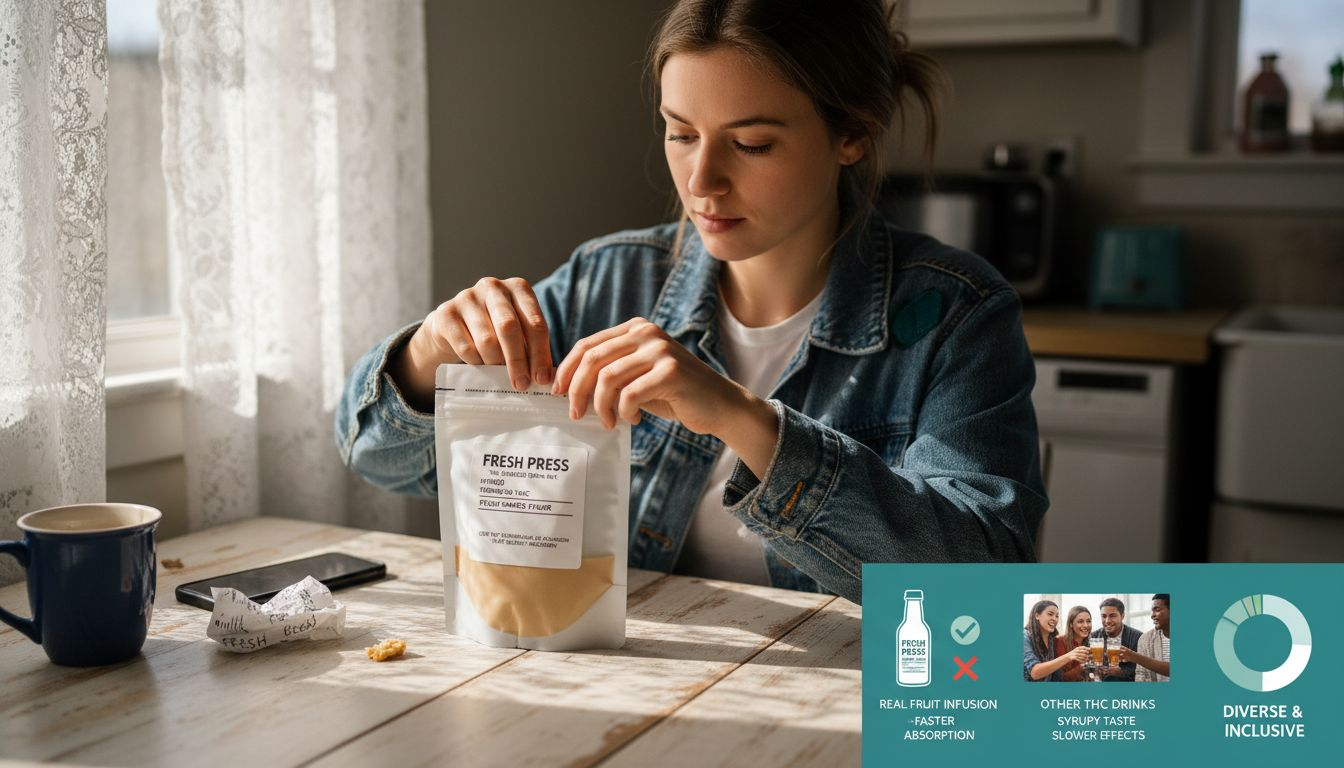
Pro Safety Awareness Tip: Always carefully read the entire product label, paying special attention to dosage recommendations, potential interactions, and storage instructions before consuming any cannabis-derived product.
Experience Trusted Quality With Every Cannabis Product
Ensuring cannabis product safety means prioritizing purity, potency, and transparent lab testing. This article highlights the importance of third-party testing, accurate labeling, and contaminant screening that protect your wellness journey. At 23State, we recognize that quality matters for your health and enjoyment. Our carefully curated selections of THC and CBD products undergo rigorous quality assurance processes so you can feel confident in every purchase.
Discover premium hemp-derived cannabis products that align with the highest safety standards at 23state.com. Act now to elevate your lifestyle with products crafted for consistency and purity. Shop today and enjoy exclusive offers, free shipping, and expert support on your path to safe, reliable cannabis experiences.
Frequently Asked Questions
What are cannabis product safety standards?
Cannabis product safety standards are guidelines established to ensure consumer protection and product quality, covering aspects like chemical composition, contaminant screening, manufacturing practices, and potency verification.
Why is third-party lab testing important for cannabis products?
Third-party lab testing verifies whether cannabis products meet safety and quality standards, ensuring they are free from harmful contaminants and accurately labeled for potency and composition.
How can consumers verify the safety of a cannabis product?
Consumers can verify the safety of a cannabis product by checking the Certificate of Analysis, which includes third-party lab test results confirming cannabinoid content and the absence of contaminants.
What labeling information is crucial for cannabis products?
Essential labeling information includes total cannabinoid concentration, specific THC and CBD percentages, batch dates, recommended serving sizes, and safety warnings to inform consumers about potential risks.
