

Finding a safe, high-quality THC-infused drink as an alternative to alcohol can be challenging for the health-focused American living in the Southern United States. With more adults ditching traditional cocktails, the demand for premium hemp and CBG wellness products continues to rise. Over sixty percent of American consumers are exploring cannabis-based options for targeted wellness benefits. This guide explains what sets an expertly designed cannabis feature apart, helping you make smarter choices for your wellbeing.
Table of Contents
- Defining A Cannabis Feature In Product Design
- Types Of Cannabis Features In Hemp Products
- How Cannabis Features Influence User Experience
- Legal And Safety Standards For Cannabis Features
- Common Risks And Consumer Mistakes
Key Takeaways
| Point | Details |
|---|---|
| Understand Cannabis Features | Cannabis product design depends on chemical profiles, bioavailability, and user experience to achieve specific wellness outcomes. |
| Emphasize Lab Testing | Always request detailed lab reports to verify the chemical profile and therapeutic benefits of cannabis products. |
| Be Aware of Risks | Educate yourself on potential risks and common consumer mistakes to ensure safe cannabis use. |
| Check Regulatory Standards | Verify that cannabis products comply with safety regulations, including potency testing and contaminant screening. |
Defining a Cannabis Feature in Product Design
Designing cannabis products involves strategic considerations that go beyond aesthetic appeal. At its core, a cannabis feature represents a deliberate, scientifically informed approach to creating products that deliver precise wellness outcomes. Understanding cannabinoid profiles and their potential impacts requires a comprehensive analysis of chemical composition, extraction methods, and intended therapeutic or recreational goals.
Product design in the cannabis industry centers on three fundamental elements: chemical profile, bioavailability, and user experience. Manufacturers must carefully balance cannabinoid ratios, considering factors like THC and CBD concentrations, terpene combinations, and potential synergistic effects. This nuanced approach ensures that each product can be tailored to specific wellness objectives such as stress reduction, sleep enhancement, or pain management.
The technical aspects of cannabis product design extend beyond chemical composition. Designers must also consider dosage precision, consumption method, onset time, and duration of effects. For instance, a cannabis beverage might prioritize rapid absorption and consistent dosing, while an edible might focus on prolonged, steady release. These design considerations directly influence how effectively the product can meet user needs and expectations.
Pro tip: When exploring cannabis products, always request detailed lab testing results to understand the precise chemical profile and potential therapeutic benefits.
Types of Cannabis Features in Hemp Products
Hemp products encompass a diverse range of features that distinguish their potential wellness applications. Scientific research reveals multiple distinct categories of cannabis features, each offering unique benefits and targeted therapeutic potential. These features range from chemical composition to physical attributes, providing consumers with sophisticated options for personalized health support.
The primary types of cannabis features in hemp products can be categorized into several key domains. Chemical features include cannabinoid profiles like CBD and THC concentrations, terpene compositions, and minor cannabinoid ratios. Physical features involve extraction methods, product form (such as oils, edibles, or topicals), and bioavailability. Nutritional features encompass protein content, essential fatty acids, and potential metabolic benefits. Functional features focus on specific wellness outcomes like stress reduction, sleep improvement, or pain management.
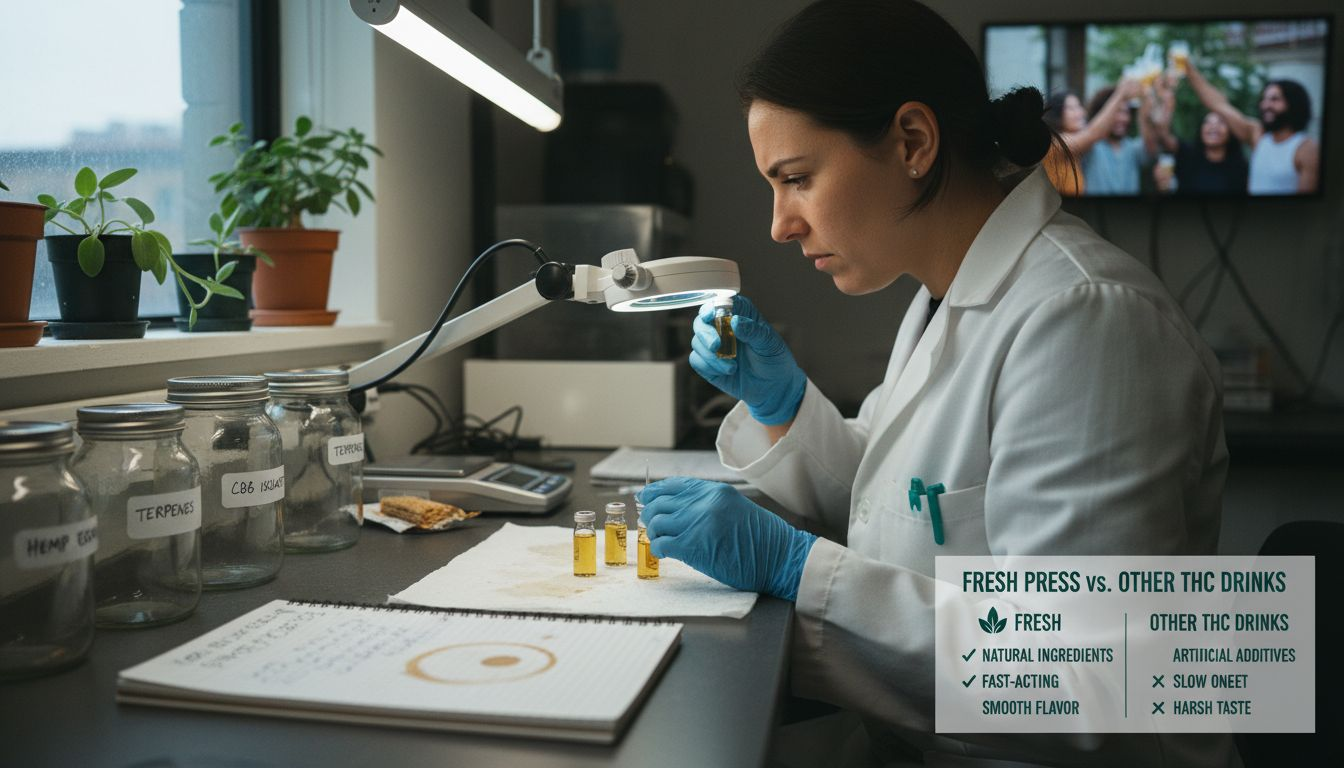
Beyond basic categorization, hemp product features are increasingly sophisticated. Manufacturers now develop products with precise molecular targeting, allowing consumers to select items that address specific health goals. Some products combine multiple feature types—for example, a CBD tincture might simultaneously offer chemical wellness support, high bioavailability, and nutritional supplementation. This multidimensional approach transforms cannabis products from simple supplements to complex wellness solutions.
Pro tip: When exploring hemp products, examine the detailed lab report to understand the comprehensive feature profile and potential health interactions.
How Cannabis Features Influence User Experience
The interaction between cannabis features and individual user experience is complex and multifaceted. Neurological research demonstrates how specific product characteristics directly impact cognitive and emotional responses, revealing that cannabis features are far more than simple chemical compositions. These features act as intricate molecular blueprints that shape everything from mood and perception to physical sensation and mental clarity.
Key cannabis features influencing user experience include potency levels, cannabinoid ratios, terpene profiles, and delivery methods. THC concentration, for instance, dramatically affects intensity of psychoactive effects, while CBD ratios can modulate anxiety and relaxation responses. Terpene combinations contribute unique sensory experiences, potentially influencing emotional states and therapeutic outcomes. Delivery mechanisms—whether through inhalation, oral consumption, or topical application—further customize how these molecular features interact with individual body chemistry.
User experience is also profoundly shaped by individual physiological differences and personal wellness goals. Some consumers seek targeted relief from specific conditions, while others prioritize recreational enjoyment or subtle mood enhancement. Modern cannabis product design recognizes this complexity, developing increasingly sophisticated features that allow precise customization. By understanding these nuanced interactions, consumers can select products that align more closely with their personal health objectives and desired experiential outcomes.
Here’s a comparison of how different cannabis product features relate to popular user wellness goals:
| Feature Type | Wellness Goal | Key Attribute |
|---|---|---|
| High CBD Content | Stress reduction | Low psychoactivity |
| Indica-dominant Blend | Sleep improvement | Calming terpene profile |
| Rapid Onset Edibles | Pain management | Fast-acting formulation |
| High Bioavailability | Mood enhancement | Efficient absorption method |
| Balanced THC:CBD | Cognitive clarity | Modulated psychoactive effect |
Pro tip: Start with low-dosage products and carefully track your individual response to understand how specific cannabis features uniquely affect your personal wellness experience.
Legal and Safety Standards for Cannabis Features
Navigating the complex landscape of cannabis regulation requires understanding intricate legal and safety standards that govern product development. Comprehensive federal guidelines outline specific requirements for cannabis product manufacturing, testing, and distribution, establishing critical frameworks for consumer protection and product reliability. These standards address everything from chemical composition to labeling accuracy, ensuring that cannabis features meet rigorous public health criteria.
Key legal standards focus on several critical dimensions of cannabis product safety. Potency testing represents a primary regulatory concern, with mandated limits on THC concentration to prevent potential adverse effects. Manufacturers must implement robust tracking systems that document product origins, chemical profiles, and production processes. Contaminant screening is equally crucial, requiring extensive testing for pesticides, heavy metals, microbial impurities, and residual solvents. Each jurisdiction may impose additional localized requirements, creating a complex regulatory environment that demands meticulous compliance.

The evolving legal landscape surrounding cannabis features reflects ongoing scientific research and public health considerations. Regulatory bodies continuously refine standards to balance consumer access with safety protections. This dynamic approach means that cannabis product designers must remain adaptable, maintaining comprehensive documentation and proactively anticipating potential regulatory shifts. Transparency becomes a fundamental principle, with detailed labeling and comprehensive testing reports serving as critical components of responsible product development.
Below is a summary of major cannabis safety and quality standards for consumers to verify:
| Standard | Purpose | What to Check |
|---|---|---|
| Potency Testing | Prevent overconsumption | THC/CBD concentrations |
| Contaminant Screening | Ensure absence of toxins | Lab report findings |
| Label Accuracy | Provide transparent info | Batch & ingredient list |
| Certificate of Analysis | Confirm regulatory compliance | Up-to-date certificate |
Pro tip: Always request and review the most recent Certificate of Analysis for any cannabis product to verify its compliance with current legal and safety standards.
Common Risks and Consumer Mistakes
Comprehensive health research reveals multiple critical risks associated with cannabis consumption, highlighting the importance of educated and responsible product engagement. Consumer mistakes often stem from misunderstandings about product potency, interaction effects, and individual physiological responses. These risks range from short-term cognitive impairment to potential long-term health complications, making informed decision making crucial for safe cannabis use.
Common consumer mistakes include underestimating product strength, improper dosage calculation, and failing to understand personal tolerance levels. Some individuals mistakenly consume high-potency products without considering their individual metabolic differences, leading to unexpected adverse reactions. Mixing cannabis with alcohol or other substances dramatically increases potential risks, potentially causing unpredictable cognitive and physical responses. Particularly dangerous scenarios emerge when consumers fail to recognize delayed onset times for edible products, leading to accidental overconsumption.
Psychological risks represent another critical area of concern for cannabis consumers. Individuals with pre-existing mental health conditions may experience heightened vulnerability to mood disorders, anxiety, or temporary psychosis when using certain cannabis products. Young adults and adolescents face additional neurological risks, as cannabis can potentially interfere with brain development and cognitive function. Understanding personal health history, consulting healthcare professionals, and starting with low-dosage products become essential strategies for minimizing potential negative outcomes.
Pro tip: Start with micro-doses, wait a minimum of two hours between consumption, and document your individual responses to understand your unique physiological reaction to cannabis products.
Unlock Targeted Wellness with Precision Cannabis Features
If you are looking to optimize your cannabis experience for wellness goals like stress relief, sleep support, or mood enhancement the key lies in understanding product features and their effects. This article highlighted the importance of cannabinoid ratios, terpene profiles, and bioavailability to shape your personal results. At 23State.com we provide carefully curated options in our CBG and THC collections designed to match specific therapeutic needs with premium quality and transparent testing.
Explore our range of handcrafted cannabis products that harness these vital cannabis features to deliver consistent, powerful wellness benefits. Visit https://23state.com now to discover trusted formulations tailored for you. Take control of your health journey today by choosing products built on science and crafted for your lifestyle.
Frequently Asked Questions
What are cannabis features and why are they important for wellness?
Cannabis features refer to specific attributes like cannabinoid profiles, bioavailability, and delivery methods that influence the product’s effects and potential health benefits. Understanding these features is crucial for selecting products that align with personal wellness goals.
How do cannabinoid ratios affect the effects of cannabis products?
Cannabinoid ratios, such as the balance of THC and CBD, significantly impact the psychoactive effects and therapeutic outcomes of cannabis products. For example, high CBD content typically results in lower psychoactivity and may promote relaxation, while higher THC levels can produce more intense psychoactive experiences.
What role do terpenes play in the user experience of cannabis products?
Terpenes are aromatic compounds found in cannabis that contribute to the product’s scent and flavor, and they may also enhance therapeutic effects. Different terpene combinations can influence mood and perception, providing unique sensory experiences that complement cannabinoid effects.
Why is it important to review lab testing results for cannabis products?
Lab testing results provide detailed information on the chemical composition, contaminants, and potency of cannabis products. Reviewing these results ensures that consumers understand what they are ingesting, allowing for informed decisions and enhanced safety while using cannabis products.
