

Finding reliable hemp extraction products can feel overwhelming for many American adults committed to wellness. The surge in premium cannabis options and plant-based supplements has brought countless choices to Midwest shelves, yet up to 60 percent of consumers remain uncertain about the safety and purity of infused extracts. This article uncovers how hemp extraction works, gives you the facts on methods, and shares what sets top wellness products apart so you can choose the right options for your health goals.
Table of Contents
- Hemp Extraction Defined And Debunked
- Extraction Methods: CO₂, Ethanol, Solventless
- Safety, Purity, And Quality Considerations
- Legal Rules For Hemp Extraction In The U.S.
- Real Wellness Benefits Of Extracted Hemp
Key Takeaways
| Point | Details |
|---|---|
| Hemp Extraction Process | Hemp extraction isolates beneficial compounds from the hemp plant through methods like CO₂ and ethanol extraction, focusing on therapeutic potential. |
| Quality Control Importance | Comprehensive testing for cannabinoid content and contaminants is essential to ensure the safety and integrity of hemp extracts. |
| Legal Regulatory Framework | The 2018 Farm Bill redefined hemp, establishing guidelines for cultivation and extraction that manufacturers must navigate to ensure compliance. |
| Wellness Benefits of Hemp | Hemp extracts provide nutritional value and potential physiological benefits, including support for gut health and stress management without psychoactive effects. |
Hemp Extraction Defined and Debunked
Hemp extraction is a sophisticated process of isolating specific beneficial compounds from the hemp plant, transforming raw botanical material into concentrated wellness resources. Hemp extraction methods involve carefully removing cannabinoids, terpenes, and other bioactive elements using advanced technological approaches.
The core objective of hemp extraction centers on concentrating plant compounds while preserving their natural therapeutic potential. Different extraction techniques like CO2 extraction, ethanol extraction, and oil-based methods allow manufacturers to isolate specific compounds with varying levels of precision. These methods essentially act as refined filtering systems, pulling out targeted molecules that contribute to potential wellness benefits.
Understanding hemp extraction requires recognizing its legal and botanical context. Hemp is botanically distinct from marijuana, containing less than 0.3% THC and grown primarily for industrial and wellness purposes. The extraction process transforms hemp’s raw plant material into concentrated forms that can be integrated into supplements, foods, and wellness products. This intricate process involves selecting specific plant parts and using precise techniques to draw out desired compounds.
Pro tip: When exploring hemp extracts, always verify the extraction method and source to ensure you’re getting a high-quality, scientifically processed product that maintains the plant’s natural integrity.
Extraction Methods: CO₂, Ethanol, Solventless
CO₂ extraction represents the gold standard in hemp compound isolation, utilizing advanced technological processes that transform carbon dioxide into a powerful extraction solvent. Supercritical CO₂ extraction operates at specific temperature and pressure conditions, allowing for precise and clean cannabinoid separation without introducing harmful chemical residues.
Ethanol extraction offers an alternative method with its own unique advantages. This technique involves using high-grade alcohol to pull cannabinoids and terpenes from plant material, creating concentrated extracts that can be further refined. While effective, ethanol extraction requires additional processing steps to ensure product purity and remove potential solvent traces. Manufacturers must carefully control temperature and duration to maintain the extract’s therapeutic potential.
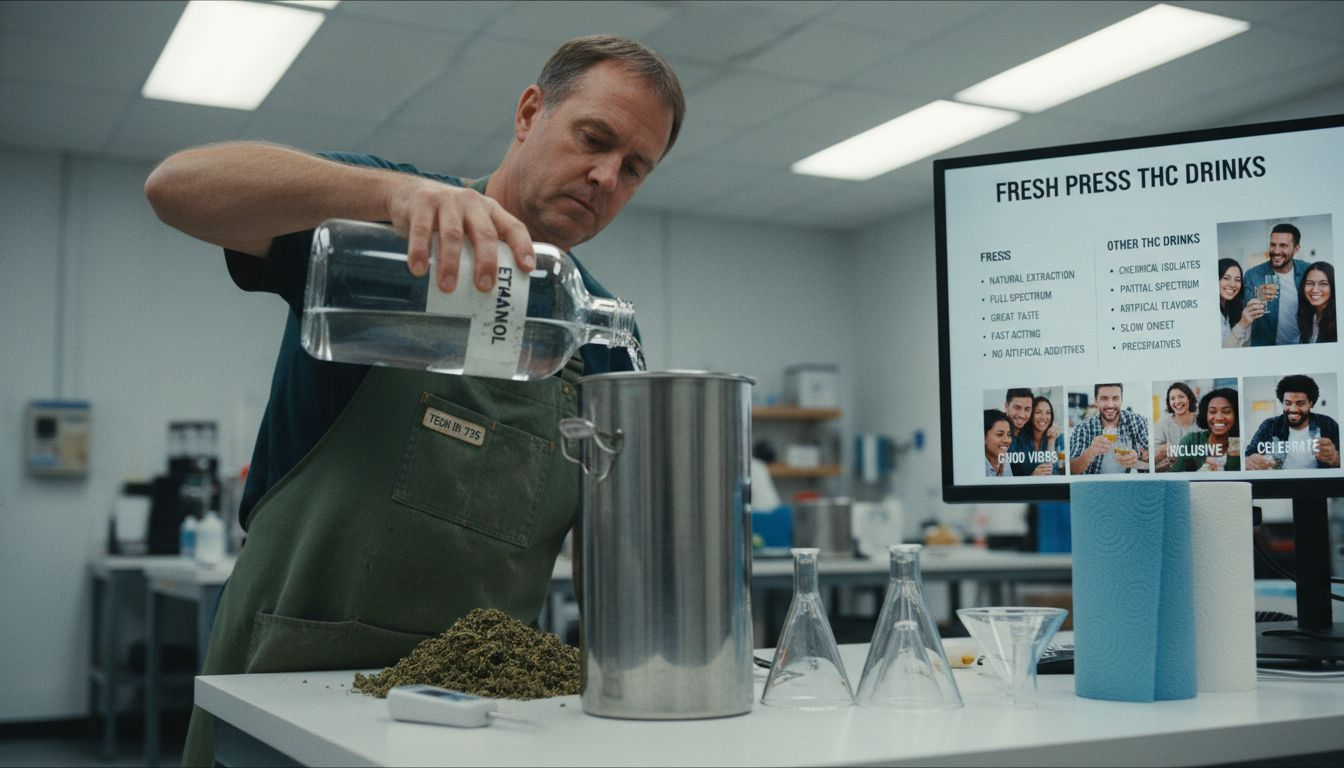
Solventless extraction emerges as a cutting-edge technique for health-conscious consumers seeking the most natural processing methods. Mechanical extraction techniques like rosin pressing utilize heat and pressure to isolate plant compounds without introducing any external solvents. This method preserves the plant’s original molecular structure, producing concentrates that retain a fuller spectrum of native cannabinoids and terpenes.
Pro tip: When selecting hemp extracts, prioritize products that clearly communicate their extraction method and demonstrate third-party lab testing to ensure maximum purity and potency.
Here is a comparison of the main hemp extraction methods and their impact on purity and product characteristics:
| Extraction Method | Purity Level | Residual Solvents | Cannabinoid Spectrum |
|---|---|---|---|
| CO₂ Extraction | Very high | None | Broad to full spectrum |
| Ethanol Extraction | High (after refining) | Possible trace amounts | Broad spectrum |
| Solventless (Rosin) | Clean and natural | None | Full native spectrum |
Safety, Purity, and Quality Considerations
Quality control in hemp extraction represents a critical process for ensuring consumer safety and product integrity. Industry quality standards mandate comprehensive testing protocols that verify cannabinoid content, confirm legal THC limits, and screen for potential contaminants like pesticides, heavy metals, and residual solvents.
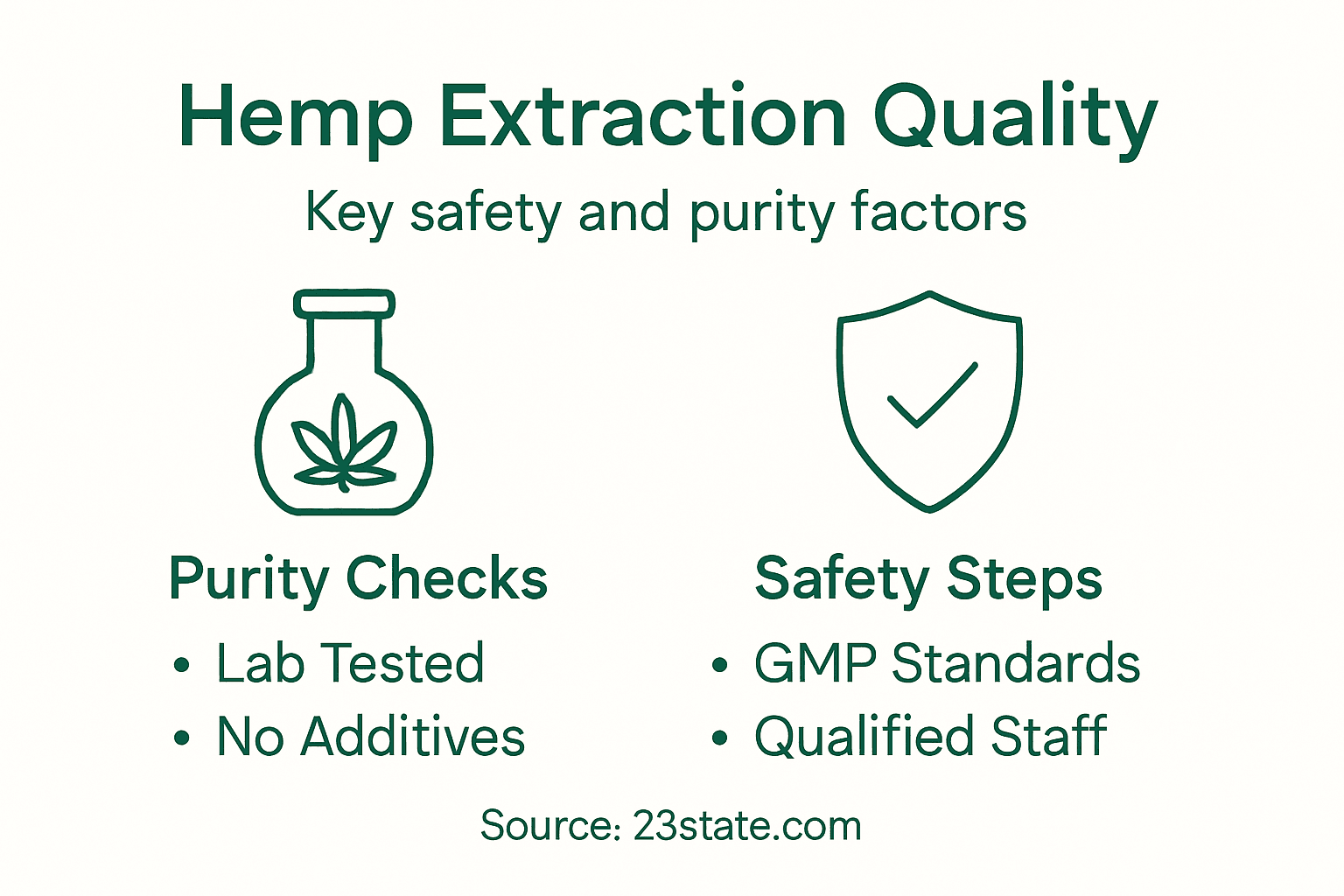
Manufacturers must navigate a complex landscape of regulatory requirements designed to protect consumer health. This involves implementing rigorous testing procedures that examine multiple aspects of hemp extracts, including microbial load, elemental impurities, and solvent residues. Third-party laboratory verification plays a crucial role in validating product claims and ensuring that hemp extracts meet stringent purity benchmarks. These comprehensive assessments help distinguish high-quality, professionally processed extracts from potentially substandard alternatives.
Hemp extract quality control extends beyond laboratory testing to encompass agricultural practices, harvesting techniques, and processing methodologies. Good agricultural collection practices ensure that hemp plants are cultivated in environments free from contamination, using sustainable farming techniques that minimize exposure to harmful chemicals. Transparency in production becomes a key indicator of a manufacturer’s commitment to delivering safe, reliable wellness products.
Pro tip: Always request and review detailed third-party lab testing certificates before purchasing hemp extracts, focusing on comprehensive contaminant screening and precise cannabinoid profiling.
Summarizing essential safety and quality checks for reliable hemp extracts:
| Quality Factor | Importance for Consumers | Example Verification Method |
|---|---|---|
| Cannabinoid Content | Ensures desired potency | Third-party lab certificate |
| THC Compliance | Legal and safety assurance | Regulatory test reports |
| Contaminant Screening | Prevents health risks | Heavy metal and pesticide panels |
| Source Transparency | Confirms responsible farming | Manufacturer disclosures |
Legal Rules for Hemp Extraction in the U.S.
Hemp extraction regulations in the United States underwent a transformative shift with the 2018 Farm Bill, which legally redefined hemp as Cannabis sativa L. containing no more than 0.3 percent delta-9 tetrahydrocannabinol (THC). This landmark legislation removed hemp from the Controlled Substances Act, creating a new regulatory framework for hemp cultivation and extraction.
The Domestic Hemp Production Program establishes comprehensive guidelines for hemp producers, mandating strict licensing, testing, and compliance protocols. Producers must navigate a complex regulatory landscape that involves obtaining licenses from state or tribal authorities, submitting to regular THC concentration testing, and maintaining meticulous documentation of their agricultural practices. USDA hemp production oversight ensures that producers adhere to national standards, with licenses subject to periodic renewal and modification based on ongoing compliance assessments.
Federal regulatory agencies maintain significant control over hemp-derived products. The Food and Drug Administration (FDA) retains authority to regulate the marketing of hemp extracts, particularly restricting their classification as dietary supplements or food additives without specific approvals. This regulatory approach reflects an ongoing effort to balance consumer safety with the expanding hemp industry, creating a nuanced legal environment that requires careful navigation by manufacturers and consumers alike.
Pro tip: Always verify current state and federal regulations before purchasing or producing hemp extracts, as legal frameworks continue to evolve rapidly.
Real Wellness Benefits of Extracted Hemp
Hemp extraction offers a comprehensive approach to wellness through its unique nutritional profile and bioactive compounds. Hemp dietary benefits reveal a remarkable nutritional powerhouse containing complete proteins, essential fatty acids, and a diverse range of vitamins and minerals that support overall bodily functions. The protein composition of hemp includes all essential amino acids, making it a superior plant-based nutritional source for individuals seeking balanced dietary supplementation.
Beyond nutritional value, hemp extracts demonstrate promising potential for supporting physiological systems. Gut microbiome health represents a critical area of emerging research, with hemp seed components showing significant potential in promoting microbial diversity and digestive wellness. The specific compounds found in hemp hulls can encourage beneficial bacterial growth, potentially contributing to improved metabolic and immune system functioning.
Cannabidiol (CBD), a prominent compound in hemp extracts, has garnered substantial attention for its potential wellness applications. Research suggests CBD may help support homeostasis, potentially reducing inflammation and supporting stress management without producing psychoactive effects. The holistic nature of hemp extracts allows for a multifaceted approach to wellness, integrating nutritional support with potential physiological balance mechanisms.
Pro tip: Consider incorporating hemp-based supplements gradually into your wellness routine, starting with low doses and consulting healthcare professionals to understand individual potential benefits.
Discover Pure Wellness Through Expertly Extracted Hemp Products
Understanding the complexities of hemp extraction is essential to truly appreciate the quality and effectiveness of hemp-derived wellness solutions. The article highlights critical concerns such as purity levels, extraction methods like CO2 and ethanol, and the importance of third-party lab testing to ensure safe, potent, and contaminant-free products. If you are seeking cannabinoid-rich supplements that uphold these rigorous standards, your search ends here.
At 23state.com we specialize in premium hemp and CBG-infused products crafted through scientifically advanced extraction processes. Our carefully curated selection emphasizes transparency, quality, and natural integrity to enhance your lifestyle and wellness journey. Whether you want to explore broad or full spectrum options or need hemp-based edibles and accessories, we bring you trusted choices that connect botanical excellence with modern living.
Ready to elevate your wellness routine with expertly extracted hemp?

Explore our collection now at 23state.com and experience the benefits of pure, high-quality hemp extracts with confidence. Don’t wait — start your journey toward natural balance and vitality today!
Frequently Asked Questions
What are the main methods of hemp extraction?
Hemp extraction methods include CO₂ extraction, ethanol extraction, and solventless extraction techniques like rosin pressing. Each method has its own advantages in terms of purity and cannabinoid profile.
How does the extraction method affect the purity of hemp extracts?
Different extraction methods impact the purity levels of hemp extracts. CO₂ extraction offers very high purity with no residual solvents, while ethanol extraction provides high purity after refining. Solventless methods tend to be clean and maintain a full spectrum of cannabinoids.
What should I look for when choosing hemp extracts?
When selecting hemp extracts, prioritize products that clearly state their extraction method and provide third-party lab testing results. This ensures you are getting a high-quality product that maintains the plant’s natural integrity and therapeutic potential.
What are the wellness benefits of using hemp extracts?
Hemp extracts offer various wellness benefits, including supporting gut health, providing essential fatty acids and complete proteins, and potentially aiding in stress management and inflammation reduction due to the presence of cannabinoids like CBD.
