

Most American adults exploring hemp-derived edibles are surprised to learn that more than two-thirds of users report different effects from full-spectrum products compared to single compounds. Understanding what makes these experiences unique is crucial for anyone seeking safer wellness or elevated recreation. This article uncovers how the entourage effect shapes your edible choices, helping you make informed decisions in today’s urban wellness landscape.
Table of Contents
- What Is The Entourage Effect In Edibles
- How Cannabis Compounds Interact In Edibles
- Different Edible Types And Their Benefits
- Legal Status And Safety Guidelines In The U.S.
- Comparing Entourage Effect With Single Compounds
Key Takeaways
| Point | Details |
|---|---|
| Entourage Effect | Cannabinoids and terpenes work synergistically in edibles, creating enhanced therapeutic and recreational experiences. |
| Compound Interactions | Cannabinoids like THC, CBD, CBN, and CBG modulate each other’s effects, leading to unique experiences based on their interactions. |
| Edible Types | Different edible types, such as baked goods and tinctures, have varying absorption rates and benefits, allowing consumers to choose based on individual preferences. |
| Legal and Safety Considerations | Understanding local laws and practicing safe storage and dosing are crucial for responsible consumption of cannabis edibles. |
What Is the Entourage Effect in Edibles
The entourage effect represents a fascinating phenomenon in cannabis science where multiple compounds work together synergistically to create more powerful therapeutic and recreational experiences. Unlike single-compound consumption, this effect suggests that cannabinoids, terpenes, and other plant molecules interact in complex ways that amplify their individual properties.
At its core, the entourage effect demonstrates how cannabinoids interact within the body’s endocannabinoid system through intricate molecular partnerships. When consuming edibles, this means that THC doesn’t work alone - it’s accompanied by other cannabinoids like CBD, CBN, and CBG, along with aromatic terpenes that modify and enhance the overall experience. These compounds communicate with our body’s receptors simultaneously, potentially producing more nuanced and balanced effects than isolated cannabinoids.
Research indicates that terpenes play a crucial role in this interaction. These essential oils not only contribute distinctive flavors and aromas but also potentially modulate how cannabinoids bind to receptors. For instance, myrcene might increase THC’s ability to cross the blood-brain barrier, while limonene could contribute mood-elevating properties. This complex interplay means that two edibles with identical THC percentages could deliver remarkably different experiences based on their specific chemical compositions.
Pro tip: When selecting edibles, look for products that highlight their full spectrum of cannabinoids and terpenes rather than focusing solely on THC content.
How Cannabis Compounds Interact in Edibles
Cannabis compounds create a complex molecular dance within edibles, where cannabinoids and terpenes interact in nuanced and powerful ways. Understanding how these compounds metabolize through the liver reveals the intricate mechanism behind the entourage effect. Unlike smoking or vaping, edibles transform THC through metabolic processes that fundamentally alter its interaction with the body’s receptors.
The primary interaction occurs between cannabinoids like THC, CBD, CBN, and CBG, which bind to different receptor sites in the endocannabinoid system. These compounds don’t just work independently - they communicate and modulate each other’s effects. For example, CBD can potentially mitigate some of THC’s more intense psychoactive properties, while terpenes like myrcene might enhance absorption and influence the overall experiential profile of the edible.
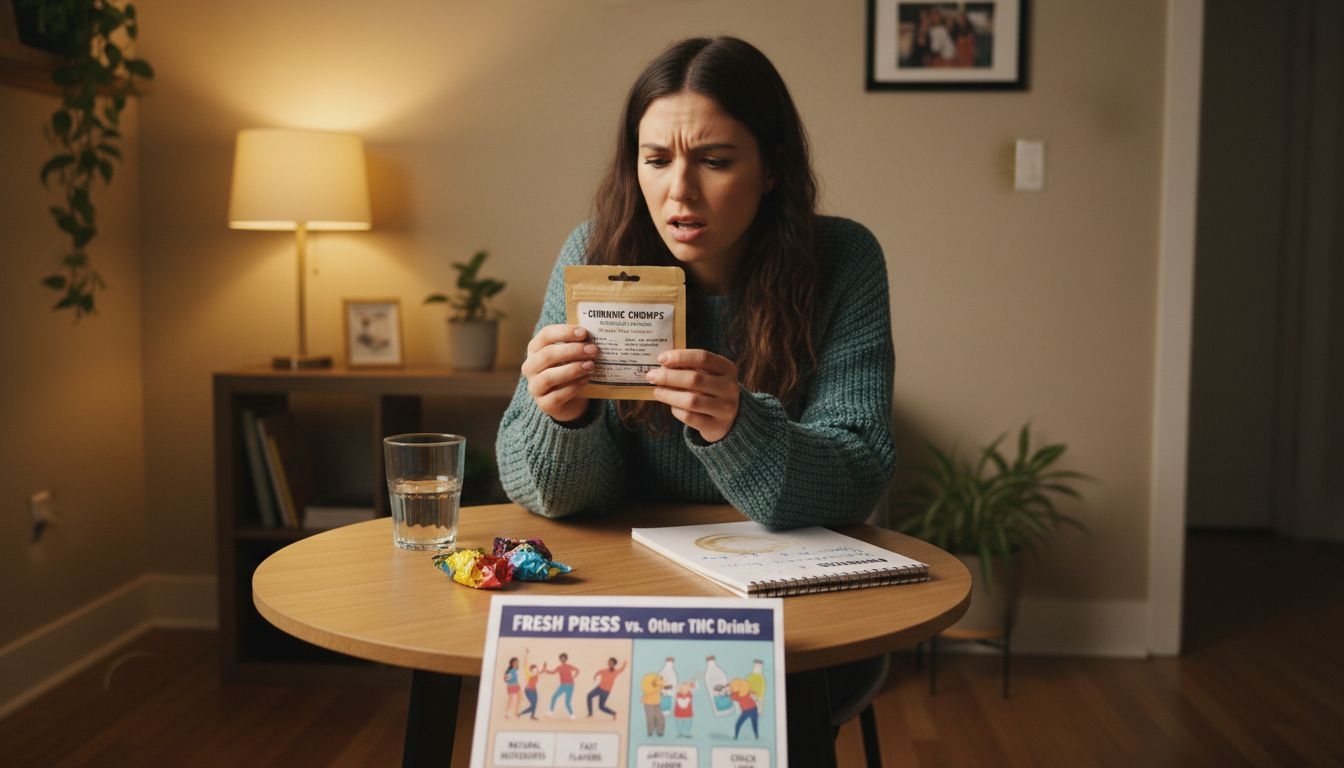
Terpenes play a particularly fascinating role in this interaction. These aromatic compounds do more than provide flavor - they act as molecular conductors, potentially influencing how cannabinoids are absorbed and processed. Some terpenes can increase cell membrane permeability, allowing cannabinoids to interact more effectively with the body’s receptors. This means that two edibles with identical THC content could produce dramatically different experiences based on their specific terpene composition.
The metabolic journey of cannabis compounds in edibles is uniquely complex. When consumed orally, THC is processed through the liver, converting to 11-hydroxy-THC - a compound that crosses the blood-brain barrier more efficiently than standard THC. This transformation explains why edibles often produce more intense and longer-lasting effects compared to other consumption methods.
Pro tip: Always start with a low dose and wait at least 90 minutes before consuming more, as edible effects can take significantly longer to manifest compared to other cannabis consumption methods.
Here’s a summary of how key cannabis compounds interact in edibles:
| Compound | Role in Edibles | Effect on Experience |
|---|---|---|
| THC | Primary psychoactive agent | Euphoria, strong effects |
| CBD | Modulates THC, wellness | Reduces anxiety, balance |
| CBN | Sedative properties | Promotes calm, sleep |
| CBG | Supports other cannabinoids | May boost effects, focus |
| Terpenes | Influence absorption & flavor | Enhances mood, absorption |
Different Edible Types and Their Benefits
Cannabis edibles offer a diverse landscape of consumption methods, each with unique characteristics and potential benefits. Marijuana edibles range from traditional food products to innovative delivery systems that cater to different preferences and wellness goals. The variety allows consumers to customize their experience based on desired onset, duration, and specific therapeutic outcomes.
The primary categories of edibles include food-based products, capsules, tinctures, and lozenges. Baked goods and candies typically provide a slower, more prolonged effect as they must pass through the digestive system. In contrast, tinctures and sublingual products offer faster absorption directly through the mouth’s mucous membranes, creating a more rapid onset of effects. This diversity means users can select an edible type that aligns perfectly with their individual needs and lifestyle.
Each edible type brings unique advantages to the cannabis consumption experience. Gummies and chocolates provide consistent dosing and discretion, while capsules offer precise medical-style measurement. Drinks and liquid tinctures can be easily integrated into daily routines, providing quick and controllable experiences. Savory edibles like infused nuts or crackers appeal to those seeking alternatives to sweet options, demonstrating the incredible versatility of cannabis-infused products.
The absorption and metabolization of different edible types vary significantly. Oral consumption through the digestive system transforms THC into 11-hydroxy-THC, a compound that produces more intense and longer-lasting effects compared to other consumption methods. This metabolic transformation explains why edibles can provide such a distinctly powerful experience, making them an attractive option for both recreational and therapeutic users.
Pro tip: Choose your edible type based on your desired experience, starting with low doses and paying close attention to how different formats impact your personal response.
Comparison of major edible types and their benefits:
| Edible Type | Absorption Speed | Best For |
|---|---|---|
| Baked Goods | Slow, digestive system | Long-lasting relief |
| Tinctures | Fast, sublingual | Quick onset, flexibility |
| Gummies/Candies | Moderate, consistent | Discreet, easy dosing |
| Capsules | Slow, precise | Medical use, accuracy |
Legal Status and Safety Guidelines in the U.S.
Navigating the complex landscape of cannabis edibles requires understanding the intricate legal framework across the United States. Cannabis edible regulations vary dramatically between states, creating a patchwork of legal considerations for consumers, with some regions allowing recreational use while others maintain strict medical-only or prohibition policies. This complex regulatory environment means responsible consumers must stay informed about their local laws and potential legal implications.
Safety guidelines for cannabis edibles focus heavily on preventing accidental ingestion and managing potential health risks. The unpredictable nature of edible potency demands careful approach, particularly concerning storage and consumption. Recommended practices include keeping products in original, clearly labeled packaging, storing them securely away from children and pets, and understanding that edibles can have delayed and potentially more intense effects compared to other cannabis consumption methods.
Unique risks associated with cannabis edibles differentiate them from other consumption methods. Unlike inhaled cannabis, edibles metabolize differently in the body, creating longer-lasting and potentially more powerful experiences. This metabolic difference means users must be extraordinarily cautious about dosing, waiting periods between consumption, and understanding individual tolerance levels. The CDC emphasizes the importance of start low and go slow approach, particularly for new or infrequent consumers.
The legal landscape continues to evolve, with more states considering medical and recreational cannabis legalization. Consumers must remain vigilant about changing regulations, potential federal interactions with state laws, and the importance of purchasing from licensed, regulated dispensaries. Understanding local laws, potential workplace restrictions, and interstate travel considerations becomes crucial for responsible cannabis edible consumption.
Pro tip: Always verify your local cannabis laws, purchase only from licensed dispensaries, and keep edibles in child-resistant, original packaging to ensure both legal compliance and safety.
Comparing Entourage Effect With Single Compounds
Scientific research suggests that whole-plant cannabis compounds offer more comprehensive benefits compared to isolated single compounds like pure THC or CBD. The entourage effect represents a sophisticated molecular interaction where multiple cannabinoids and terpenes work synergistically, creating a more nuanced and potentially more effective therapeutic experience than individual compounds could achieve alone.
Isolated cannabinoids like pure THC or CBD have specific, targeted effects, but they lack the complex interactions found in full-spectrum extracts. For instance, while pure THC might produce psychoactive experiences, the presence of complementary compounds like CBD can potentially moderate those effects, reducing anxiety or mitigating intense psychological responses. Terpenes further enhance this interaction by influencing how cannabinoids bind to receptors, potentially improving absorption and modulating overall physiological responses.
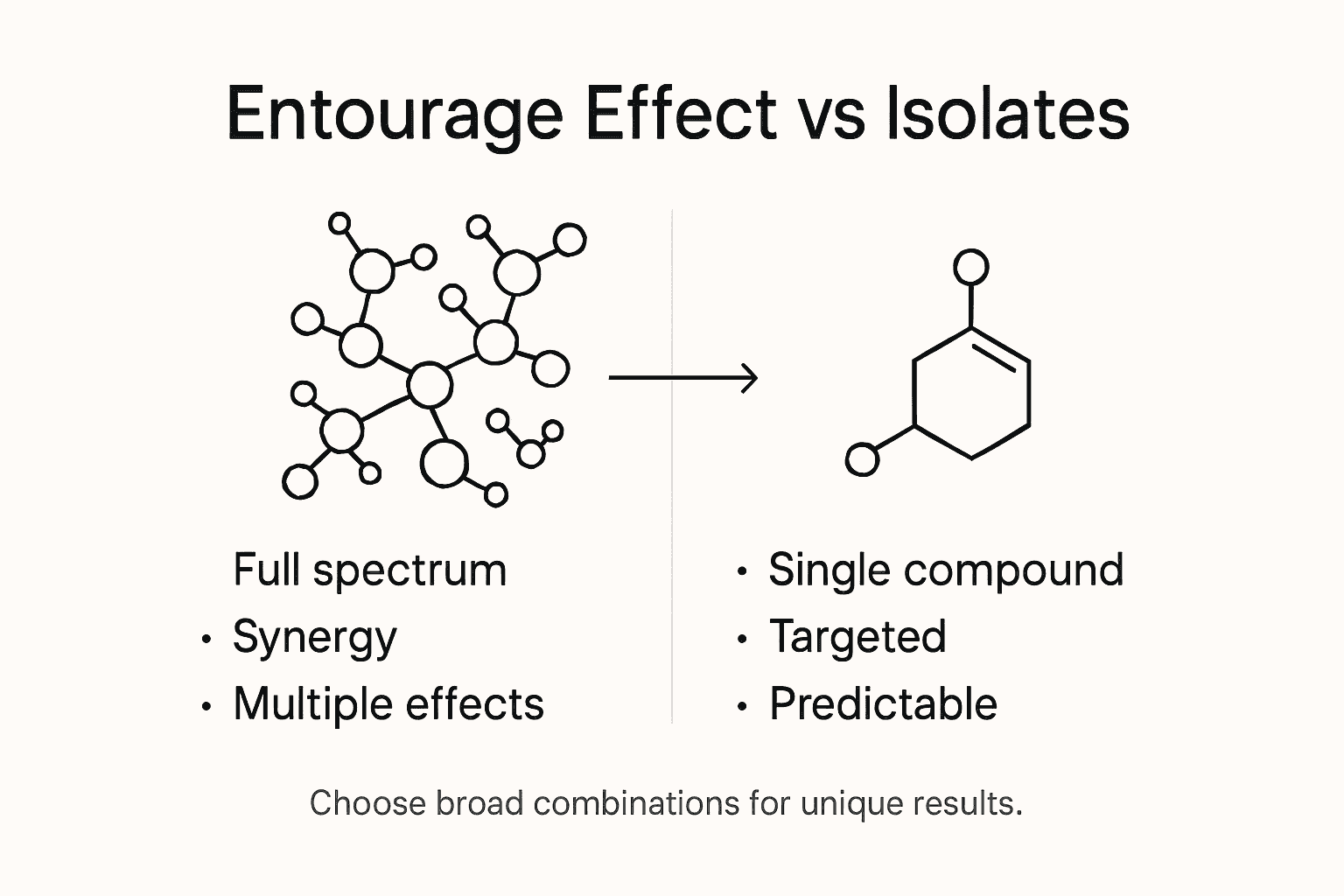
The biochemical complexity of the entourage effect challenges traditional pharmaceutical approaches of single-molecule interventions. Where isolated compounds provide linear, predictable effects, whole-plant extracts demonstrate a more dynamic, adaptive interaction within the body’s endocannabinoid system. This means that two edibles with identical THC percentages could produce dramatically different experiences based on their specific compound profiles, highlighting the intricate nature of cannabis interactions.
Researchers continue exploring how different cannabinoid and terpene combinations might unlock unique therapeutic potentials. Some early studies indicate that certain compound combinations could provide enhanced relief for conditions like chronic pain, anxiety, and inflammation, suggesting that the whole is indeed greater than the sum of its parts. This emerging understanding challenges previous reductionist views of cannabis as a simple, single-compound intervention.
Pro tip: When selecting cannabis products, prioritize full-spectrum or whole-plant extracts that preserve the natural compound diversity over isolated cannabinoid formulations.
Unlock the Full Power of Edibles with the True Entourage Effect
Understanding the entourage effect reveals that the key to an elevated edible experience lies not just in THC but in the rich synergy of cannabinoids and terpenes working together. If you want a more balanced and tailored experience, focusing on products that embrace this full spectrum of cannabis compounds is essential. Many edibles fail to deliver effects beyond isolated cannabinoids, leaving you wondering why the experience feels incomplete or inconsistent.
Explore our curated collections like THC Drink Bundles and SHAKE designed to harness this complex interaction for a nuanced and enjoyable impact. For those seeking calming and sleep-friendly options featuring sedative cannabinoids, check out our CBN selection. These thoughtfully crafted products offer precisely what this article highlights: the enhanced effects born from true cannabinoid and terpene synergy.
Take control of your edible experience today with high-quality, full-spectrum options only at 23state.com. Don’t settle for single compound products when your wellness and recreational journey deserves more. Shop now to feel the difference that the entourage effect brings and elevate your lifestyle with trusted hemp-derived cannabis goods.
Frequently Asked Questions
What is the entourage effect in cannabis edibles?
The entourage effect refers to the phenomenon where multiple compounds in cannabis, such as cannabinoids and terpenes, work together synergistically to enhance their therapeutic and recreational effects, resulting in a more balanced and nuanced overall experience.
How do cannabinoids and terpenes interact in edibles?
Cannabinoids like THC and CBD interact within the body’s endocannabinoid system, binding to various receptors. Terpenes play a significant role by potentially influencing cannabinoid absorption and effects, making the experience of edibles unique based on their specific chemical compositions.
What are the benefits of using full-spectrum edibles compared to isolates?
Full-spectrum edibles contain a wide range of cannabinoids and terpenes that work together, often providing more comprehensive effects. In contrast, isolated compounds like pure THC or CBD might produce specific effects but can lack the enhanced interactions found in whole-plant extracts.
Why do edibles produce different effects despite having the same THC content?
Different effects can occur due to variations in the specific combinations of cannabinoids and terpenes present in each edible. Compounds can modulate each other’s effects, and the presence of terpenes can influence how cannabinoids are absorbed and processed in the body.
