

Confusion about hemp remains common, with many American adults unsure how full-spectrum products differ from marijuana. This matters for health-focused southerners seeking natural wellness options, as understanding the real facts behind full-spectrum hemp clears up lingering myths and highlights how these products may support wellbeing and recreational enjoyment.
Table of Contents
- Full-Spectrum Hemp Explained And Common Myths
- Comparing Full-Spectrum, Broad-Spectrum, And Isolates
- Key Plant Compounds In Full-Spectrum Products
- Federal And State Legal Standards For Full-Spectrum Hemp
- Wellness And Recreational Uses Of Full-Spectrum Hemp
- Risks, Side Effects, And What To Avoid
Key Takeaways
| Point | Details |
|---|---|
| Full-Spectrum Hemp | Contains a wide variety of cannabinoids and compounds, providing a synergistic therapeutic effect known as the entourage effect. |
| Extract Types | Full-spectrum, broad-spectrum, and isolates each have distinct characteristics, with full-spectrum being the most comprehensive in terms of therapeutic benefits. |
| Legal Regulations | Federal and state regulations define hemp and its THC limits, impacting the production and legal status of full-spectrum products. |
| Health Considerations | Consumers should consult healthcare professionals before using full-spectrum hemp products, especially if they have pre-existing conditions or are on medication. |
Full-spectrum hemp explained and common myths
Hemp represents a fascinating plant with widespread misconceptions about its nature and potential. Unlike high potency marijuana, hemp contains minimal psychoactive compounds and offers remarkable versatility across multiple industries. This plant variety belongs to Cannabis sativa and differs from its more potent cannabis varieties because the parent lineage is selected from cultivars with minimal levels of THC and higher levels of minor cannabinoids like CBD.
Full-spectrum hemp refers to plant extracts containing the complete range of cannabinoids, terpenes, and beneficial compounds naturally found in hemp. These extracts include trace amounts of THC (under 0.3%), CBD, minor cannabinoids like CBG, THC-V, CBC and CBN, and essential plant molecules that work synergistically. This comprehensive chemical profile creates what researchers call the entourage effect, where compounds enhance each other’s therapeutic potential.
Common myths about hemp persist despite growing scientific understanding. Many people incorrectly believe hemp produces significant psychoactive effects. In reality, hemp is a sustainable crop with strict regulatory controls limiting its THC content. Hemp cultivation focuses on industrial uses, wellness applications, and sustainable production across textiles, nutrition, and wellness sectors, as well as more recreational uses like beverages and edibles.
Pro tip: When exploring full-spectrum hemp products, always verify third-party lab testing to understand the exact cannabinoid composition and ensure quality standards.
Comparing full-spectrum, broad-spectrum, and isolates
The hemp extract landscape offers three primary product types, each with unique characteristics and potential benefits. Full-spectrum CBD extracts contain the complete range of hemp compounds, including trace amounts of THC, minor cannabinoids, terpenes, and flavonoids. This comprehensive profile enables the entourage effect, where different plant molecules work synergistically to enhance overall therapeutic potential.
Broad-spectrum extracts represent a middle ground between full-spectrum and isolate products. These formulations remove detectable THC while preserving other beneficial cannabinoids and plant compounds. This approach allows consumers to experience multiple hemp molecules without risking potential psychoactive effects or concerns about THC-related drug testing. Broad spectrum extracts maintain most of the plant’s natural therapeutic properties while offering increased legal and professional flexibility.
In contrast, CBD isolates are the most refined hemp extract, containing 99% pure cannabidiol without any additional compounds. Isolates appeal to individuals seeking a targeted, THC-free experience or those with sensitivity to other cannabinoids. However, they lack the comprehensive benefits associated with full-spectrum extracts, as the isolated CBD molecule does not benefit from the synergistic interactions found in whole-plant extracts.
Pro tip: Consider your personal wellness goals, potential drug testing requirements, and sensitivity to cannabinoids when selecting between full-spectrum, broad-spectrum, and isolate hemp extracts.
Here’s a quick comparison of primary hemp extract types and their key features:
| Extract Type | THC Content | Cannabinoids & Terpenes | Typical Usage Scenario |
|---|---|---|---|
| Full-Spectrum | Trace (under 0.3%) | Wide variety included | Seeking maximal entourage effect |
| Broad-Spectrum | None (undetectable) | Most, minus THC | Avoiding THC but desiring synergy |
| CBD Isolate | None (zero THC) | Pure CBD only | Targeted, THC-free consumption |
Key plant compounds in full-spectrum products
Full-spectrum hemp represents a complex botanical treasure trove containing over a thousand unique metabolites. The cannabinoid profile serves as the foundation, featuring primary compounds like CBD and trace amounts of THC, alongside minor cannabinoids such as CBG and CBN. These molecules interact synergistically, creating what researchers call the entourage effect, which enhances the overall therapeutic potential of hemp extracts.

Beyond cannabinoids, full-spectrum products are rich in additional bioactive compounds that contribute to their holistic benefits. Terpenes provide distinctive aromatic characteristics and potential wellness advantages, while flavonoids offer powerful antioxidant properties. Hemp extracts contain remarkable phenolic antioxidants including hydroxycinnamic acid amides, which support cellular health and may help combat oxidative stress. These diverse plant molecules work together to create a more comprehensive and potentially more effective wellness experience.
The intricate composition of full-spectrum products extends to additional compounds like alkaloids, phenolic acids, and essential fatty acids. Each molecule plays a unique role in the overall effectiveness of hemp extracts, contributing to a nuanced and complex botanical profile. This diversity explains why full-spectrum products are often considered more potent and beneficial compared to isolated cannabinoid extracts, as the combination of compounds can produce more pronounced therapeutic effects.
Pro tip: Examine product lab reports to understand the specific compound profile and ensure you’re selecting a high-quality full-spectrum hemp extract with a diverse range of beneficial plant molecules.
Federal and state legal standards for full-spectrum hemp
Federal regulations define hemp as a distinct agricultural commodity with strict guidelines governing its production and distribution. The pivotal 2018 Farm Bill established a clear legal framework, specifying that hemp must contain less than 0.3% THC on a dry weight basis to maintain its legal status. This precise definition creates a critical distinction between hemp and marijuana, enabling farmers and manufacturers to produce full-spectrum products within a regulated environment.
State-level regulations add another layer of complexity to hemp production. While federal standards provide a baseline, individual states can implement additional requirements or restrictions. Some states maintain more stringent testing protocols, licensing procedures, or cultivation limitations beyond the federal mandates. Hemp production requires careful navigation of both federal and state regulatory landscapes, with compliance depending on a comprehensive understanding of evolving legal standards.
The regulatory framework continues to develop, with ongoing discussions about intoxicating hemp derivatives and potential future legislation. The USDA oversees the Domestic Hemp Production Program, which establishes comprehensive guidelines for cultivation, testing, and reporting. Manufacturers and consumers must stay informed about these dynamic regulations, as changes can significantly impact the legal status and availability of full-spectrum hemp products.
Pro tip: Always verify the current legal status of full-spectrum hemp products in your specific state, as regulations can change rapidly and vary significantly between jurisdictions.
Wellness and recreational uses of full-spectrum hemp
Full-spectrum hemp offers remarkable wellness potential across multiple lifestyle categories. The holistic compounds in hemp extracts interact with the body’s endocannabinoid system, potentially supporting stress reduction, sleep quality, and overall physical balance. Wellness enthusiasts appreciate its natural approach to managing everyday challenges, from mild anxiety to muscular discomfort, without the psychoactive effects associated with marijuana.
Topical applications represent a significant avenue for hemp’s wellness benefits. Hemp-derived products like skincare formulations leverage the plant’s anti-inflammatory and antioxidant properties to nourish and protect skin. These extracts can help balance skin oils, reduce irritation, and support the body’s natural healing processes. Beyond skincare, full-spectrum hemp finds applications in nutritional supplements, offering potential benefits for immune function, metabolic health, and cellular recovery.
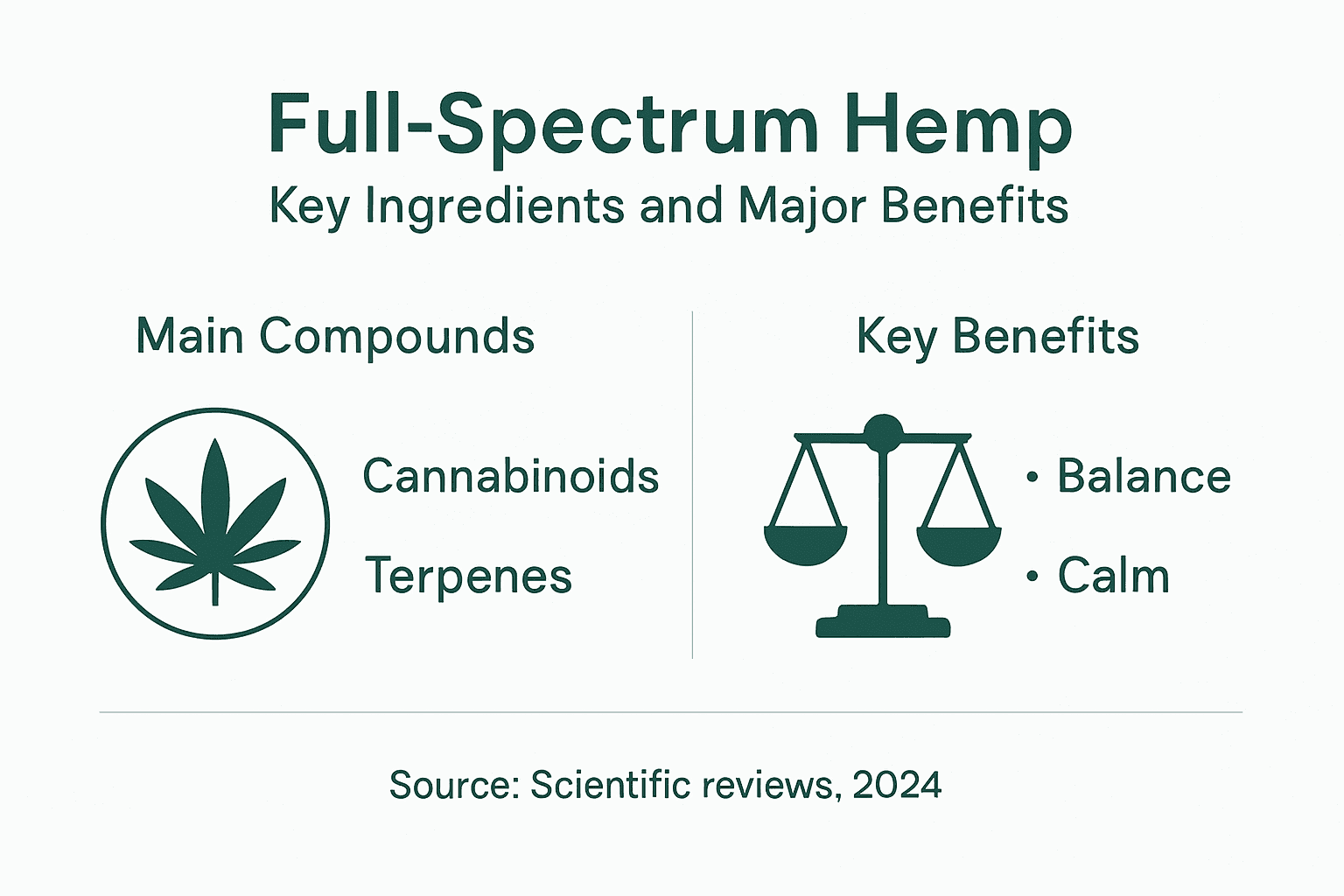
Recreational uses of full-spectrum hemp continue to evolve, with consumers exploring innovative ways to incorporate these extracts into social and personal wellness routines. From relaxation beverages to fitness recovery supplements, the versatility of hemp allows for creative integration into modern lifestyles. The subtle, non-intoxicating nature of these products makes them appealing to individuals seeking natural alternatives to traditional recreational substances.
Pro tip: Start with low dosages of full-spectrum hemp products and gradually adjust to understand your individual response and optimal wellness benefits.
The following table summarizes common wellness and recreational applications of full-spectrum hemp:
| Application Area | Benefits Offered | Typical Product Formats |
|---|---|---|
| Stress & Sleep | May reduce anxiety, aid sleep | Oil, capsules, edibles |
| Skincare/Topical | Soothes skin, reduces redness | Creams, lotions, balms |
| Nutrition | Supports metabolic wellness | Gummies, tinctures, softgels |
| Recreational Use | Relaxation, social enjoyment | Beverages, wellness supplements |
Risks, side effects, and what to avoid
Intoxicating hemp-derived products carry potential health risks that consumers must carefully understand. While full-spectrum hemp offers numerous wellness benefits, certain populations should exercise heightened caution. Individuals with pre-existing health conditions, those taking prescription medications, pregnant or breastfeeding women, and young adults may experience more pronounced side effects or interactions.
The potential side effects of full-spectrum hemp can include mild to moderate symptoms such as drowsiness, changes in appetite, potential liver stress, and temporary mood variations. CBD products may cause unexpected interactions with other medications, making it crucial to consult healthcare professionals before incorporating these extracts into your wellness routine. Some individuals might experience digestive discomfort, slight changes in blood pressure, or temporary fatigue during initial usage.
To minimize potential risks, consumers should prioritize high-quality, third-party tested full-spectrum hemp products from reputable sources. Avoid purchasing from unverified vendors, and be wary of products with unclear ingredient lists or inconsistent THC concentrations. Understanding proper dosage, starting with low amounts, and monitoring your body’s response are essential strategies for safe consumption. Always verify the legal status of hemp products in your specific jurisdiction and remain informed about potential regulatory changes.
Pro tip: Maintain a detailed wellness journal documenting your full-spectrum hemp product usage, tracking dosage, timing, and any physiological responses to help personalize your experience.
Unlock the Full Potential of Full-Spectrum Hemp Today
Understanding the powerful entourage effect and the complex blend of cannabinoids, terpenes, and flavonoids in full-spectrum hemp is only the first step toward enhancing your wellness journey. If you are looking for trusted, high-quality hemp-derived products that deliver natural stress relief, improved sleep, and skin nourishment without unwanted psychoactive effects, you need options crafted with care and transparency. Avoid the confusion of inconsistent products by choosing offerings that highlight third-party lab testing and diverse cannabinoid profiles.

Explore our curated selection of full-spectrum hemp-infused goods and discover how you can benefit from the complete botanical synergy crafted for your lifestyle at 23rd State. Whether you seek effective wellness boosters like our hemp-based edibles or premium CBG and THC blends, every product is designed to support your health naturally and safely. Take advantage of our current promotions, including discounts and free shipping, to start your transformation now. Visit 23State and embrace the unparalleled potential of full-spectrum hemp in your daily routine.
Frequently Asked Questions
What is full-spectrum hemp?
Full-spectrum hemp refers to hemp extracts that contain the complete range of cannabinoids, terpenes, and beneficial compounds naturally found in the hemp plant, including trace amounts of THC (under 0.3%). This comprehensive profile allows for the entourage effect, enhancing the therapeutic potential of the product.
How does full-spectrum hemp differ from broad-spectrum and isolate products?
Full-spectrum products include all cannabinoids and compounds in the hemp plant, while broad-spectrum products contain most cannabinoids except for THC. CBD isolates are the purest form, containing 99% pure CBD without additional compounds, but they lack the benefits provided by the synergy of multiple plant molecules found in full-spectrum and broad-spectrum products.
What are the wellness benefits of using full-spectrum hemp?
Full-spectrum hemp may support stress reduction, improve sleep quality, and promote overall physical balance. It is also used in topical applications for its anti-inflammatory properties and in nutritional supplements aimed at enhancing immune and metabolic health.
Are there any risks or side effects associated with full-spectrum hemp?
Yes, potential side effects can include drowsiness, changes in appetite, liver stress, and temporary mood variations. It is crucial for individuals with pre-existing health conditions or those taking medications to consult with a healthcare professional before using full-spectrum hemp products.
