

Most adults are surprised to learn that cannabis flower now contains up to four times more THC than American strains from the 1980s, making potency and quality a serious concern in Texas. While many people hope for natural wellness solutions, myths about safety and legal status often cloud judgment. This guide brings clarity on cannabis flower’s true properties, product sourcing, and the unique challenges Texans face in an evolving market.
Table of Contents
- Cannabis Flower Defined And Common Myths
- Main Cannabis Flower Types And Strains
- Key Features: Cannabinoids, Terpenes, Potency
- Legal Status Of Cannabis Flower In Texas
- Risks, Safety, And Product Quality Tips
Key Takeaways
| Point | Details |
|---|---|
| Cannabis Flower Characteristics | Cannabis flower is the raw bud from female cannabis plants, containing cannabinoids like THC and CBD, which can have therapeutic and intoxicating effects. Understanding strain characteristics is essential for responsible consumption. |
| Strain Types and Effects | Cannabis is categorized into Indica, Sativa, and Hybrid strains, each providing unique effects and benefits, making it important to know specific strain details for personal use. |
| Legal Status in Texas | Texas has restrictive cannabis laws, allowing only low-THC medical products under specific conditions, while recreational use remains illegal; users must be cautious about legal implications. |
| Safety and Quality Assurance | Consumers should prioritize cannabis products with third-party lab testing to ensure safety from contaminants and accuracy of cannabinoid content, supporting informed consumption decisions. |
Cannabis flower defined and common myths
Cannabis flower represents the raw, unprocessed buds harvested from female cannabis plants containing various cannabinoids like THC and CBD. Exploring cannabis research reveals these plant parts contain complex chemical compounds responsible for both therapeutic and intoxicating effects.
Contrary to popular misconception, cannabis is not a harmless substance. Potency and chemical composition vary significantly between different cannabis strains, challenging the myth that all cannabis products produce identical experiences. Modern research indicates THC concentrations have increased dramatically over recent decades, potentially amplifying potential risks for users. These variations mean understanding specific strain characteristics becomes crucial for responsible consumption.
Common myths about cannabis frequently misrepresent its biological and psychological impacts. Many people incorrectly believe cannabis is completely non-addictive or without potential negative health consequences. National drug policy research demonstrates that prolonged use can lead to dependency, impact mental health, and potentially cause cognitive changes, especially among younger users.
Pro tip: Always consult medical professionals and verify local regulations before considering cannabis use, as individual physiological responses and legal restrictions can vary widely.
Main cannabis flower types and strains
Cannabis flowers are classified into three primary categories: Indica, Sativa, and Hybrid strains, each offering unique characteristics and effects. Cannabis strain classifications reveal these varieties differ significantly in their chemical composition, growth patterns, and potential therapeutic applications.
Indica strains typically feature broader leaves and shorter, bushier plant structures. They are renowned for producing deeply relaxing, sedative effects that can help manage pain, reduce anxiety, and promote sleep. In contrast, Sativa strains grow taller with narrower leaves and tend to deliver more cerebral, energizing experiences that may enhance creativity and focus. Hybrid strains represent intentional crossbreeding between Indica and Sativa plants, designed to balance or customize specific cannabinoid and terpene profiles.
Strain development techniques demonstrate remarkable complexity in cannabis cultivation. Breeders carefully select parent plants to develop strains with targeted characteristics, considering factors like THC and CBD concentrations, terpene profiles, and potential medicinal or recreational effects. These deliberate breeding strategies have produced hundreds of unique cannabis varieties, each with nuanced properties that cater to diverse user preferences and needs.
Pro tip: Research specific strain details and consult knowledgeable professionals to understand how different cannabis flower types might interact with your individual physiology and wellness goals.
Here’s a quick comparison of major cannabis flower strain categories and their primary attributes:
| Strain Type | Leaf Shape & Size | Main Effects | Best Suited For |
|---|---|---|---|
| Indica | Broad, short | Deep relaxation, sedation | Pain, anxiety, sleep support |
| Sativa | Narrow, tall | Energizing, cerebral | Creativity, focus, daytime use |
| Hybrid | Mixed features | Balanced or customized | Flexible, diverse needs |
Key features: cannabinoids, terpenes, potency
Cannabis is a complex botanical composition containing over 500 chemical compounds, with cannabinoid research revealing more than 120 unique cannabinoids that interact with the human body’s endocannabinoid system. The two most prominent cannabinoids, THC (tetrahydrocannabinol) and CBD (cannabidiol), play crucial roles in determining the plant’s overall effects, with THC primarily responsible for psychoactive experiences and CBD associated with potential therapeutic benefits.
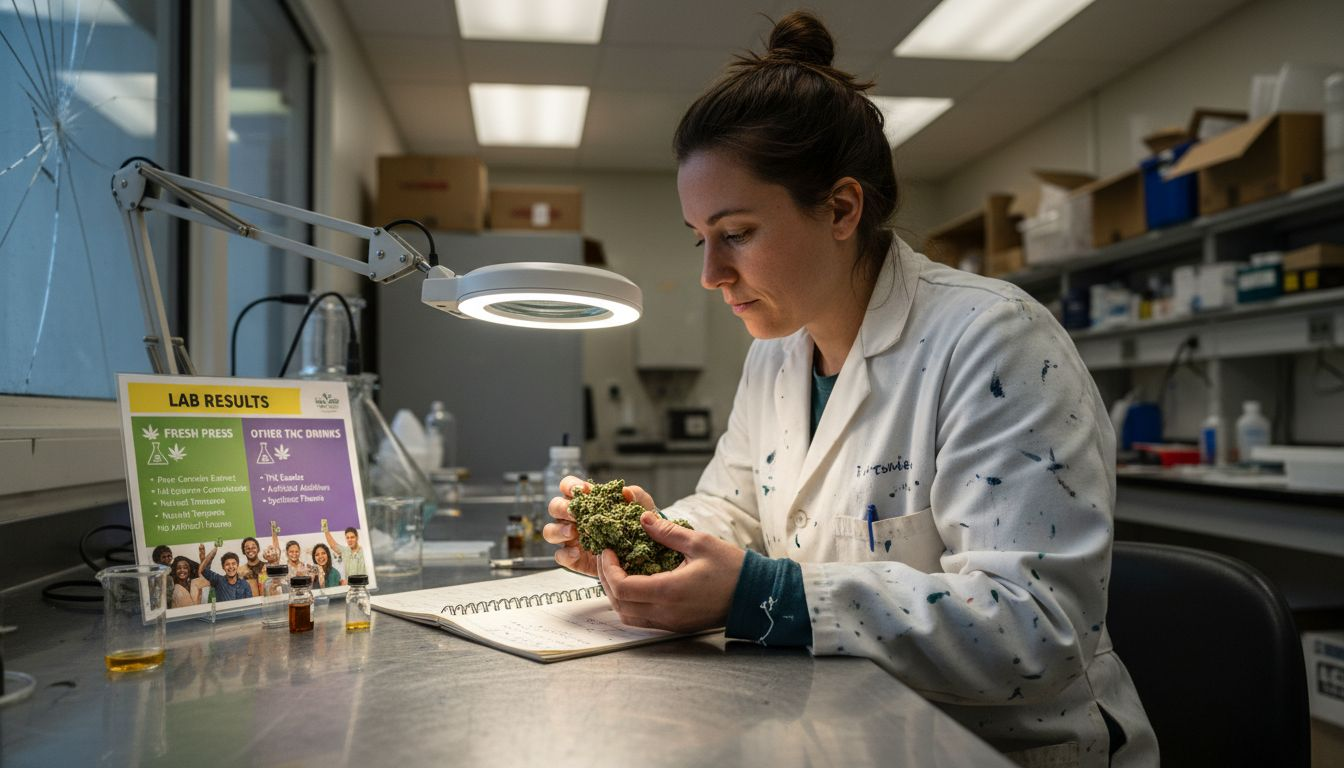
Terpenes represent another critical component in cannabis flower composition, contributing not just to the plant’s distinctive aroma but also potentially modifying cannabinoid interactions. These aromatic compounds create what researchers call the ‘entourage effect,’ where different chemical elements work synergistically to produce nuanced physiological responses. Some terpenes may enhance relaxation, while others might promote alertness, demonstrating the intricate chemical complexity within cannabis flowers.
Cannabis chemical composition shows that potency is primarily measured by THC concentration, which has significantly increased in modern cannabis strains. This rising potency presents both opportunities and challenges, as higher THC levels can produce more intense effects but also potentially increase risks associated with consumption. Understanding the precise balance of cannabinoids and terpenes becomes essential for responsible and informed cannabis use.
Pro tip: Request laboratory testing results or certificates of analysis when purchasing cannabis flower to understand precise cannabinoid and terpene profiles for more informed consumption decisions.
Legal status of cannabis flower in Texas
Texas maintains some of the most restrictive cannabis laws in the United States, with limited medical marijuana regulations governing cannabis use. The state’s Compassionate Use Program (CUP) allows only extremely low-THC cannabis products, specifically those containing less than 0.5% THC, for patients with select qualifying medical conditions such as intractable epilepsy, terminal cancer, and multiple sclerosis.
Under current Texas law, recreational cannabis flower remains completely illegal. The state’s medical marijuana program is notably narrow in scope, prohibiting traditional smoking methods and restricting prescription to non-inhalation forms like oral tablets, tinctures, and oils. Patients cannot obtain traditional cannabis flower, and physicians must carefully document that potential medical benefits definitively outweigh any associated risks before prescribing low-THC medication.
Texas medical cannabis regulations emphasize strict control and limited accessibility. Individuals found possessing cannabis flower outside the extremely narrow medical exemption can face significant legal consequences, including potential misdemeanor or felony charges depending on the quantity and specific circumstances. The state’s approach contrasts sharply with more progressive cannabis jurisdictions, maintaining a conservative stance on cannabis consumption and distribution.
Pro tip: Always verify current legal status with local authorities and consult a legal professional before considering any cannabis-related activities in Texas.
Risks, safety, and product quality tips
Cannabis flower safety begins with understanding potential microbial contamination risks. Cannabis testing methods have evolved to detect critical contaminants like yeasts, molds, pesticides, and heavy metals that could compromise consumer health. Comprehensive testing protocols help ensure cannabis products meet stringent quality standards, protecting users from potential harmful substances that might otherwise go undetected.
Quality assessment involves multiple layers of scientific evaluation. Laboratories analyze cannabinoid potency, terpene profiles, and potential contaminants to provide consumers with transparent information about product composition. Key quality indicators include consistent THC and CBD concentrations, absence of harmful chemical residues, and verification of microbial safety. Consumers should prioritize products from manufacturers who provide detailed laboratory testing results and demonstrate commitment to rigorous quality control.
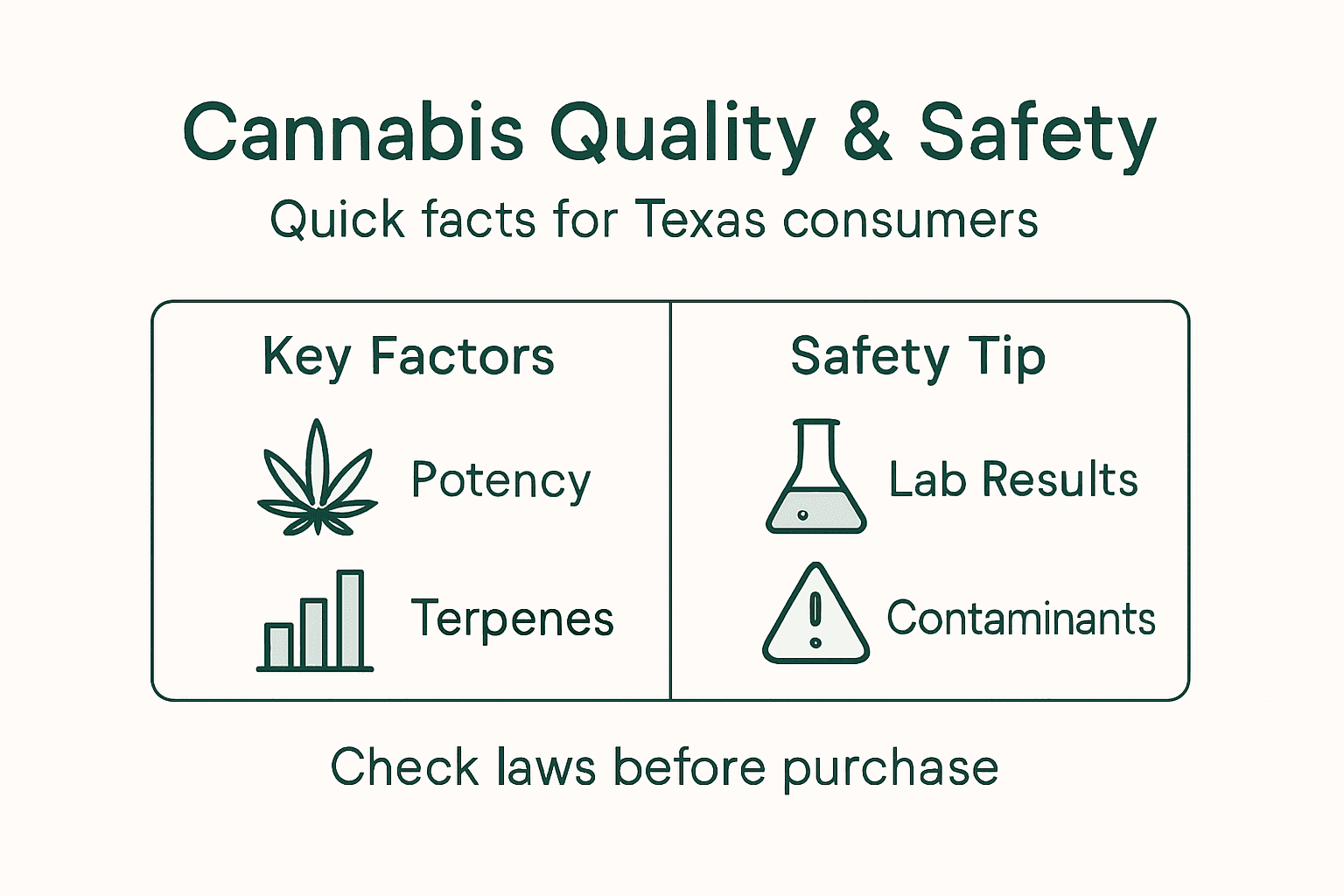
Microbial detection techniques play a crucial role in identifying potential health risks in cannabis flower. Advanced testing methods can quickly enumerate potential harmful microorganisms, helping producers maintain high safety standards. Reputable cannabis providers invest in sophisticated testing technologies that go beyond basic compliance, ensuring products meet the highest safety benchmarks.
Pro tip: Always request and review third-party laboratory testing certificates before purchasing cannabis flower, examining detailed reports for comprehensive quality and safety information.
For reference, here is an overview of common cannabis flower contaminants and their health risks:
| Contaminant Type | Example | Potential Health Impact |
|---|---|---|
| Microbial | Mold, yeast | Allergies, infections |
| Chemical | Pesticides | Toxic reactions, nausea |
| Heavy Metals | Lead, mercury | Organ damage, neurological issues |
Discover Quality Hemp-Derived Cannabis Products You Can Trust in Texas
Navigating Texas cannabis laws and ensuring product safety can be overwhelming. This article highlights the challenges of limited legal access, variable THC potency, and the importance of lab-tested cannabis flower free from contaminants. If you seek reliable, hemp-derived alternatives designed to enhance your wellness and lifestyle without legal hassle, exploring trusted products is essential. Understanding cannabinoid profiles and terpenes helps you make informed choices that align with your goals for relaxation, focus, or creativity.
Experience the premium selection at 23state.com offering handcrafted hemp-based products like THC and CBG-infused items accompanied by detailed quality assurances. Our range caters to consumers looking for responsible enjoyment within the current Texas legal framework.
Ready to elevate your cannabis experience with products designed for quality, safety, and lifestyle enhancement?

Explore the finest hemp options now at 23state.com and discover how our curated collections such as Shake and Blush Crush can complement your wellness journey. Don’t wait to embrace premium, lab-tested cannabis products that fit within your state’s guidelines and deliver the effects you desire.
Frequently Asked Questions
What are the main effects of cannabis flower?
Cannabis flower can produce a variety of effects depending on the strain type. Indica strains typically provide deep relaxation and sedation, making them suitable for pain and anxiety relief. Sativa strains, on the other hand, are known for their energizing and cerebral effects, enhancing creativity and focus. Hybrid strains offer a balance between the two, catering to diverse user needs.
How does THC concentration affect cannabis flower potency?
THC concentration is a key measure of cannabis flower potency. Higher THC levels generally lead to more intense psychoactive effects. However, increased potency can also elevate the risk of negative responses, such as anxiety or paranoia, making it important for users to understand the THC levels in the strains they consume.
What is the legal status of cannabis flower in Texas?
In Texas, cannabis flower is illegal for recreational use. The state permits limited medical cannabis access under the Compassionate Use Program, allowing only low-THC products for patients with specific qualifying medical conditions. Traditional cannabis flower cannot be prescribed, and strict regulations govern its medical use.
How can I ensure the quality of cannabis flower?
To ensure the quality of cannabis flower, always request third-party laboratory testing results that provide detailed information about cannabinoid potency, terpene profiles, and potential contaminants like pesticides and molds. Look for products that meet rigorous quality control standards to minimize health risks associated with cannabis consumption.
