

Over half of American adults are now curious about cannabis edibles, but few realize how important decarboxylation is to their experience. This chemical process, often overlooked, determines whether an edible will actually provide psychoactive effects or remain mild and inactive. By understanding what sets decarb and non-decarb edibles apart, you can make more thoughtful choices about potency, wellness benefits, and overall satisfaction with every bite.
Table of Contents
- Decarb Vs Non-Decarb Edibles Explained
- How Decarboxylation Changes Edible Effects
- Types Of Edibles: Active Vs Inactive THC/CBD
- Legal And Safety Differences In The U.S.
- Choosing The Right Edible For Wellness Goals
Key Takeaways
| Point | Details |
|---|---|
| Decarboxylation is Crucial | Heat transforms THCA into active THC, enabling psychoactive effects. Without decarboxylation, cannabis edibles may not deliver desired experiences. |
| Effects Vary Significantly | Decarboxylated edibles provide strong psychoactive effects, while non-decarboxylated options yield minimal impact, suitable for mild wellness support. |
| Importance of Precision | Ensuring accurate temperature and duration during preparation maximizes cannabinoid activation and potency. |
| Regulatory Landscape Matters | Legal requirements for cannabis edibles differ greatly between states, impacting safety, potency, and legality of products. |
Decarb vs Non-Decarb Edibles Explained
Cannabis consumption involves understanding a critical transformation process known as decarboxylation, which dramatically impacts how your body experiences THC. Raw cannabis contains THCA, a non-psychoactive compound that requires heat to convert into the familiar THC molecule responsible for cannabis’s signature effects.
Decarboxylation is essentially a chemical reaction where heat removes a carboxyl group from THCA, transforming it into active THC. This means that simply eating raw cannabis will not produce the intoxicating effects many consumers seek. The process requires specific temperature and duration - typically around 220-245 degrees Fahrenheit for approximately 30-45 minutes - to effectively activate the cannabinoids.
When comparing decarbed versus non-decarbed edibles, the difference is substantial. Non-decarbed products will feel remarkably different, often producing minimal psychoactive impact. In contrast, properly decarboxylated cannabis delivers the full spectrum of potential therapeutic and recreational experiences. The heat-activated compounds interact more effectively with the body’s endocannabinoid system, allowing for more predictable and intense effects.
Pro Tip: Precision Matters: When preparing homemade edibles, use an oven thermometer to ensure consistent, accurate temperatures during the decarboxylation process to maximize cannabinoid activation and potency.
Note on THC Effects: Understanding the science behind decarboxylation helps consumers make more informed choices about their cannabis experience, recognizing that raw plant material differs significantly from heat-activated products.
Here’s a comparison of decarboxylated versus non-decarboxylated edibles to help guide your consumption choices:
| Aspect | Decarboxylated Edibles | Non-Decarboxylated Edibles |
|---|---|---|
| Psychoactive Effects | Strong, pronounced | Minimal to none |
| Main Active Compounds | THC, CBD | THCA, CBDA |
| Common Use | Recreation, medical relief | Mild wellness support |
| Onset & Potency | Predictable, potent | Unpredictable, weak |
| Preparation Method | Heat-activated | No heat applied |
How Decarboxylation Changes Edible Effects
Understanding the science behind decarboxylation reveals why this process is crucial for experiencing the full potential of cannabis edibles. Cannabis preparation techniques fundamentally transform the plant’s chemical composition, turning raw plant material into a potent consumable product that delivers predictable effects.
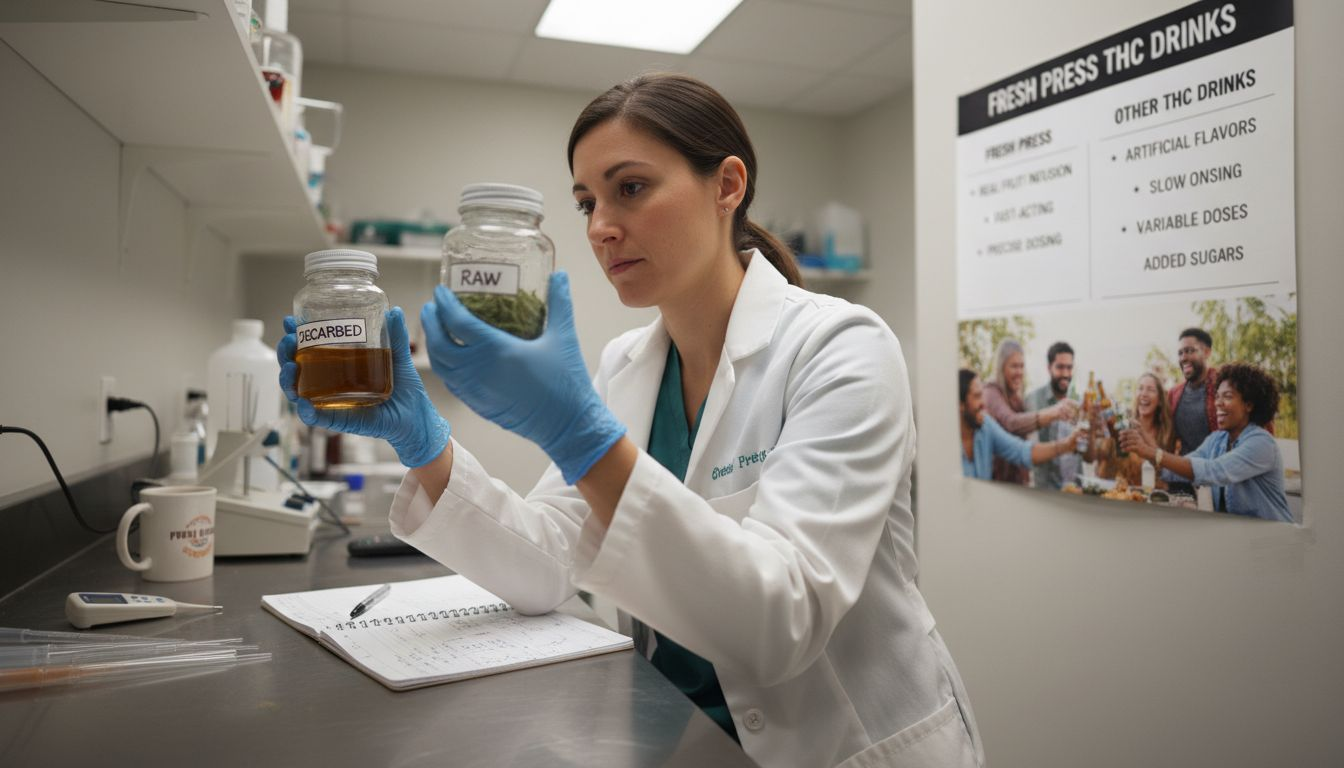
The decarboxylation process is essentially a chemical activation method that transforms non-psychoactive cannabinoid acids into their active molecular forms. When cannabis is raw, THCA exists in a state that cannot interact effectively with the human endocannabinoid system. By applying controlled heat - typically around 220-245 degrees Fahrenheit for 30-45 minutes - the molecular structure changes, removing a carboxyl group and converting THCA into THC, the compound responsible for cannabis’s characteristic psychoactive and therapeutic effects.
For consumers, this means that non-decarboxylated edibles will produce dramatically different experiences compared to properly activated products. Improperly prepared cannabis edibles might feel weak, inconsistent, or completely inactive. Precise temperature control and duration are critical factors in maximizing cannabinoid potency, ensuring that the final product delivers the intended therapeutic or recreational outcomes. Professional and home cannabis chefs must understand these scientific principles to create reliable, high-quality edible experiences.
Pro Tip: Temperature Precision: Invest in a reliable digital oven thermometer and use a low, consistent heat setting to prevent cannabinoid degradation during the decarboxylation process, preserving the maximum potential of your cannabis ingredients.
Learn More: Exploring how to compare THC edibles can help you understand the nuanced differences in cannabis product preparation and experience.
Types of Edibles: Active vs Inactive THC/CBD
Cannabinoid edibles represent a complex spectrum of products ranging from completely inactive to highly potent experiences. Edible preparation techniques fundamentally transform the chemical composition of cannabis, determining whether consumers will experience psychoactive effects or more subtle wellness benefits.
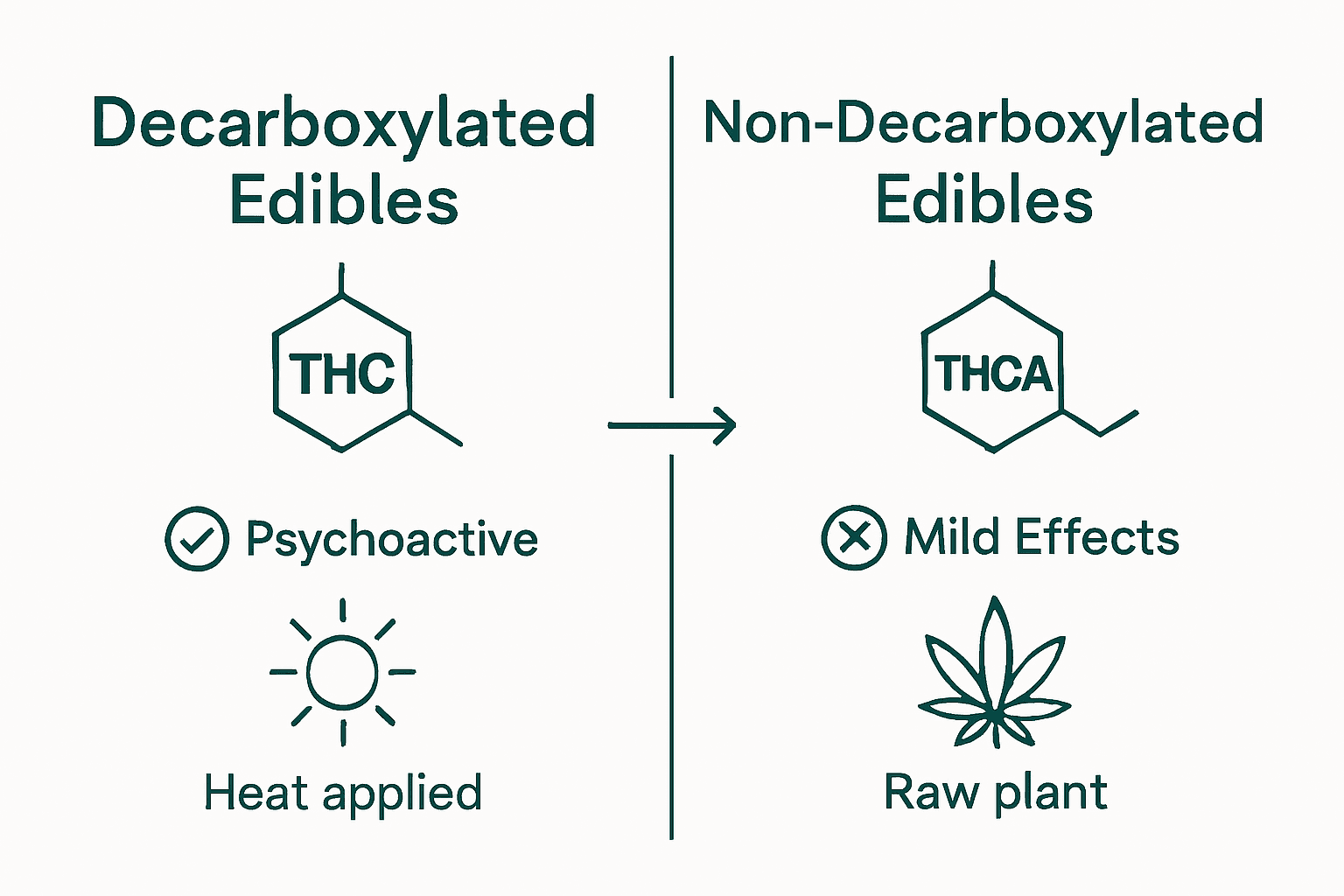
The primary distinction between active and inactive edibles lies in the molecular state of cannabinoids. Inactive forms like THCA and CBDA exist in raw cannabis and cannot directly interact with the human endocannabinoid system. When heat is applied during decarboxylation, these compounds transform into their active counterparts - THC and CBD - which can produce therapeutic or recreational effects. Interestingly, recent scientific evidence suggests that cannabinoid acids might offer unique biological benefits, potentially providing therapeutic applications even in their non-decarboxylated state.
The table below summarizes how THC and its precursor interact in the body:
| Compound | Psychoactive? | Interacts with Endocannabinoid System | Key Benefits |
|---|---|---|---|
| THCA | No | Poor interaction | Potential neuroprotection |
| THC | Yes | Strong interaction | Euphoria, symptom relief |
For consumers, understanding these distinctions is crucial. Non-decarboxylated edibles typically provide minimal psychoactive experiences, making them suitable for individuals seeking subtle wellness benefits. Conversely, fully activated THC edibles deliver more pronounced effects, targeting recreational and medicinal needs. The preparation method, temperature, and duration of heat exposure directly impact the final product’s potency and potential therapeutic value.
Pro Tip: Cannabinoid Consciousness: Always verify the preparation method and decarboxylation status of your edibles to ensure you’re consuming the type of product that aligns with your desired experience and wellness goals.
Explore More: Understanding the difference between THC and CBD can help you make more informed choices about your cannabis consumption.
Legal and Safety Differences in the U.S.
The legal landscape for cannabis edibles varies dramatically across the United States, creating a complex regulatory environment that consumers must carefully navigate. State-specific manufacturing regulations play a critical role in determining the safety and legality of cannabis-infused products, with each jurisdiction implementing unique requirements for production and distribution.
In states where cannabis is legally permitted, rigorous safety protocols govern edible manufacturing. Professional facilities must adhere to strict food safety standards, requiring manufacturers to complete specialized training and obtain specific licenses. These regulations aim to protect consumer health by ensuring proper handling, dosage consistency, and contamination prevention. Some states, like Colorado, mandate comprehensive food safety courses for cannabis product manufacturers, demonstrating the industry’s commitment to maintaining high-quality production standards.
Consumers must understand that legal differences extend beyond manufacturing requirements. Potency limits, packaging regulations, and permitted THC concentrations vary significantly between states. Some regions allow only medical cannabis edibles, while others permit recreational use. This patchwork of regulations means that a product legally purchased in one state might be considered illegal in another, creating potential legal risks for uninformed consumers who travel or transport cannabis products across state lines.
Pro Tip: Legal Awareness: Always research current local cannabis laws before purchasing or consuming edibles, as regulations can change rapidly and vary dramatically between different jurisdictions.
Learn More: Understanding the difference between THC and CBD can provide additional context for navigating cannabis regulations.
Choosing the Right Edible for Wellness Goals
Navigating the world of cannabis edibles requires a nuanced understanding of how different cannabinoid states can support various wellness objectives. For consumers seeking specific health benefits, the molecular form of cannabinoids plays a crucial role, with non-decarboxylated and decarboxylated products offering distinct therapeutic potential.
Interestingly, scientific research suggests that non-activated cannabinoid acids might provide unique biological benefits beyond traditional expectations. THCA, for instance, has shown promising potential in addressing neurodegenerative conditions like Huntington’s disease and metabolic disorders. This means wellness-focused consumers aren’t limited to only decarboxylated products, but can explore a broader spectrum of cannabis experiences tailored to specific health goals.
When selecting edibles for wellness, consider your desired outcomes. Those seeking mild relaxation or subtle therapeutic effects might prefer non-decarboxylated or low-THC options. Conversely, individuals managing more intense symptoms might opt for fully activated THC products. Factors like personal tolerance, specific health conditions, and lifestyle should guide your selection, ensuring you choose an edible that aligns perfectly with your wellness journey.
Pro Tip: Personalized Wellness Approach: Consult with healthcare professionals or cannabis specialists to develop a personalized edible strategy that matches your unique health objectives and biochemical needs.
Explore More: Discover innovative cannabis ingredients transforming wellness experiences to expand your understanding of targeted cannabinoid consumption.
Unlock the Full Potential of Your Edibles Experience with 23State
Struggling to choose between decarboxylated and non-decarboxylated edibles? Understanding the science behind cannabinoid activation can be confusing but is essential for achieving the effects you desire. Whether you seek potent recreational highs or gentle wellness benefits, selecting the right product makes all the difference. At 23rd State, we understand your need for clear choices and top-quality cannabis-infused options designed to match your lifestyle and goals.
Explore our expertly crafted THC Drink Bundles and SHAKE collection for perfectly activated products that deliver consistent potency and unforgettable effects. If you prefer subtle, wellness-focused experiences, check out our CBN offerings to find gentle, non-intoxicating solutions. Visit 23rd State today to discover premium hemp-derived edibles made with care and precision. Don’t settle for uncertainty when you can confidently enhance your cannabis journey with products tailored to your needs. Shop now and experience the difference heat-activated cannabis can make.
Frequently Asked Questions
What is the difference between decarb and non-decarb edibles?
Decarb edibles are made from cannabis that has undergone decarboxylation, activating THC and producing strong psychoactive effects. In contrast, non-decarb edibles contain raw cannabis components like THCA, which offer minimal to no psychoactive effects.
How does decarboxylation affect THC potency?
Decarboxylation enhances THC potency by converting THCA into the active form, THC. This process requires heat, typically around 220-245 degrees Fahrenheit for 30-45 minutes, allowing the cannabinoids to interact effectively with the body’s endocannabinoid system.
Can non-decarboxylated edibles provide any benefits?
Yes, non-decarboxylated edibles, which contain THCA and CBDA, may offer subtle wellness benefits. Recent studies suggest these compounds might provide unique biological advantages, such as neuroprotection.
How should I prepare cannabis for edibles to ensure they are potent?
To maximize potency, ensure proper decarboxylation by using an oven thermometer to maintain a consistent temperature and heating for the recommended duration. This ensures cannabinoids are activated effectively for your edibles.
