

More than 30 percent of american cannabis consumers now report using concentrates, making cannabis wax one of the fastest-growing trends in the industry. This potent form delivers exceptionally high THC levels that far exceed those found in traditional cannabis flower, offering powerful effects that attract both experienced and curious users. With diverse options and strict safety regulations shaping the american market, understanding cannabis wax helps consumers make informed choices about potency, safety, and the variety of experiences this unique concentrate offers.
Table of Contents
- Defining Cannabis Wax And Core Properties
- Popular Types Of Cannabis Wax Explained
- How Cannabis Wax Is Extracted And Used
- U.S. Laws And Safety Considerations
- Risks, Benefits, And Common Alternatives
Key Takeaways
| Point | Details |
|---|---|
| High Potency | Cannabis wax contains THC levels of 60-80%, offering a concentrated experience for users. |
| Varieties of Wax | Different types of cannabis wax, such as shatter, budder, and live resin, provide distinct textures and sensory experiences. |
| Extraction Process | The production of cannabis wax involves butane hash oil extraction, which requires careful handling to ensure safety and quality. |
| Safety Considerations | Consumers should purchase from licensed manufacturers and start with low doses to avoid adverse effects. |
Defining Cannabis Wax and Core Properties
Cannabis wax is a potent marijuana concentrate characterized by its unique soft, malleable texture and remarkably high THC concentration. Derived through specialized extraction techniques, this concentrated form represents one of the most powerful cannabis products available in modern markets.
Produced using solvent-based extraction methods, cannabis wax typically emerges through butane hash oil (BHO) processing, resulting in a substance that ranges from light yellow to dark amber in color. The extraction process involves carefully separating cannabinoids and terpenes from plant material, creating a product with THC levels dramatically higher than traditional cannabis flower - often between 60-80%.
The physical characteristics of cannabis wax make it distinctly different from other concentrates. Unlike solid shatter or liquid oils, wax maintains a unique semi-solid, waxy consistency that can vary from crumbly to extremely sticky. Extractors often manipulate the final texture through techniques like whipping, which can transform the concentrate into a lighter, fluffier substance known as budder. These variations provide consumers with multiple consumption options and sensory experiences.
Key properties of cannabis wax include:
- Extremely high potency (60-80% THC)
- Malleable, soft texture
- Multiple consistency variations
- Rapid cannabinoid absorption
- Concentrated form of cannabis compounds
Understanding the complexities of cannabinoid extraction helps consumers appreciate the sophisticated process behind creating this remarkable cannabis concentrate.
Popular Types of Cannabis Wax Explained
Cannabis wax comes in several distinctive varieties, each offering unique characteristics that cater to different consumer preferences and consumption styles. Understanding the nuanced differences between these types can help enthusiasts make more informed choices about their cannabis concentrates.
Shatter represents one of the most visually striking wax types, characterized by its translucent, glass-like appearance that literally shatters when handled. This concentrate is renowned for its brittle texture and incredibly high potency. Conversely, budder offers a dramatically different experience - with a soft, creamy consistency reminiscent of actual butter, this wax type is produced through a specialized whipping technique that aerates the concentrate during extraction.
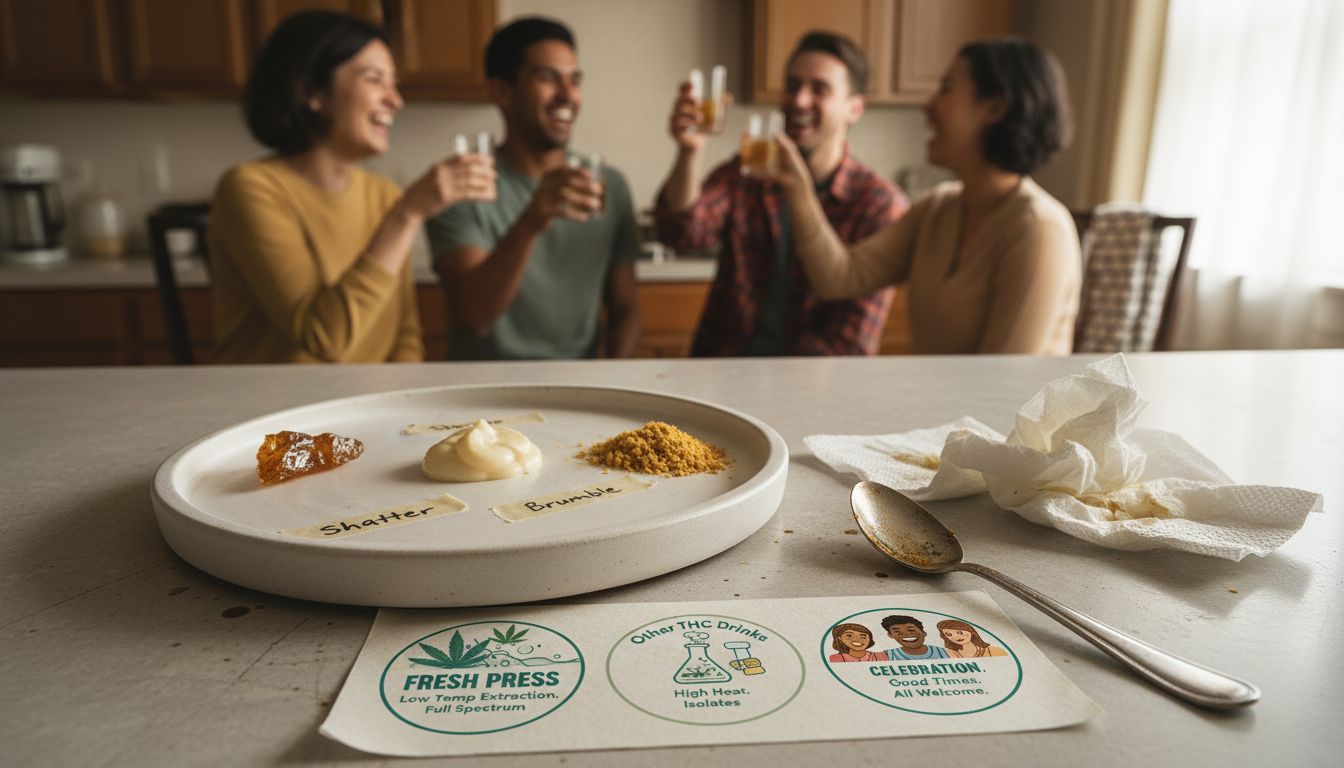
Other popular wax varieties include crumble, which features a dry, easily breakable texture perfect for precise dosing, and sugar wax, which boasts a granular, sugar-like consistency that provides unique tactile and consumption experiences. Live resin stands out as a particularly premium option, extracted from fresh, flash-frozen cannabis plants to preserve the most delicate cannabinoid and terpene profiles.
Key characteristics of different cannabis wax types include:
- Shatter: Glass-like, translucent, brittle texture
- Budder: Soft, creamy, whipped consistency
- Crumble: Dry, easily breakable concentrate
- Sugar Wax: Granular, sugar-like texture
- Live Resin: Extracted from fresh, frozen plants
Each wax type offers unique potency levels and sensory experiences, allowing cannabis consumers to explore a wide range of consumption methods tailored to their individual preferences.
How Cannabis Wax Is Extracted and Used
Cannabis wax extraction is a sophisticated process that transforms raw cannabis plant material into a concentrated, potent substance. Cannabis shake processing techniques share some similarities with wax extraction, though the methods are uniquely specialized for concentrate production.
The most common extraction method involves butane hash oil (BHO) extraction, where cannabis flowers are placed in a tube-shaped vessel and subjected to high-pressure butane solvent. This process meticulously pulls out cannabinoids and terpenes from the plant material. During extraction, manufacturers carefully control temperature and pressure to ensure maximum compound extraction while minimizing potential solvent contamination. The butane is then carefully evaporated, leaving behind a concentrated cannabis extract that can be further manipulated through specific techniques.
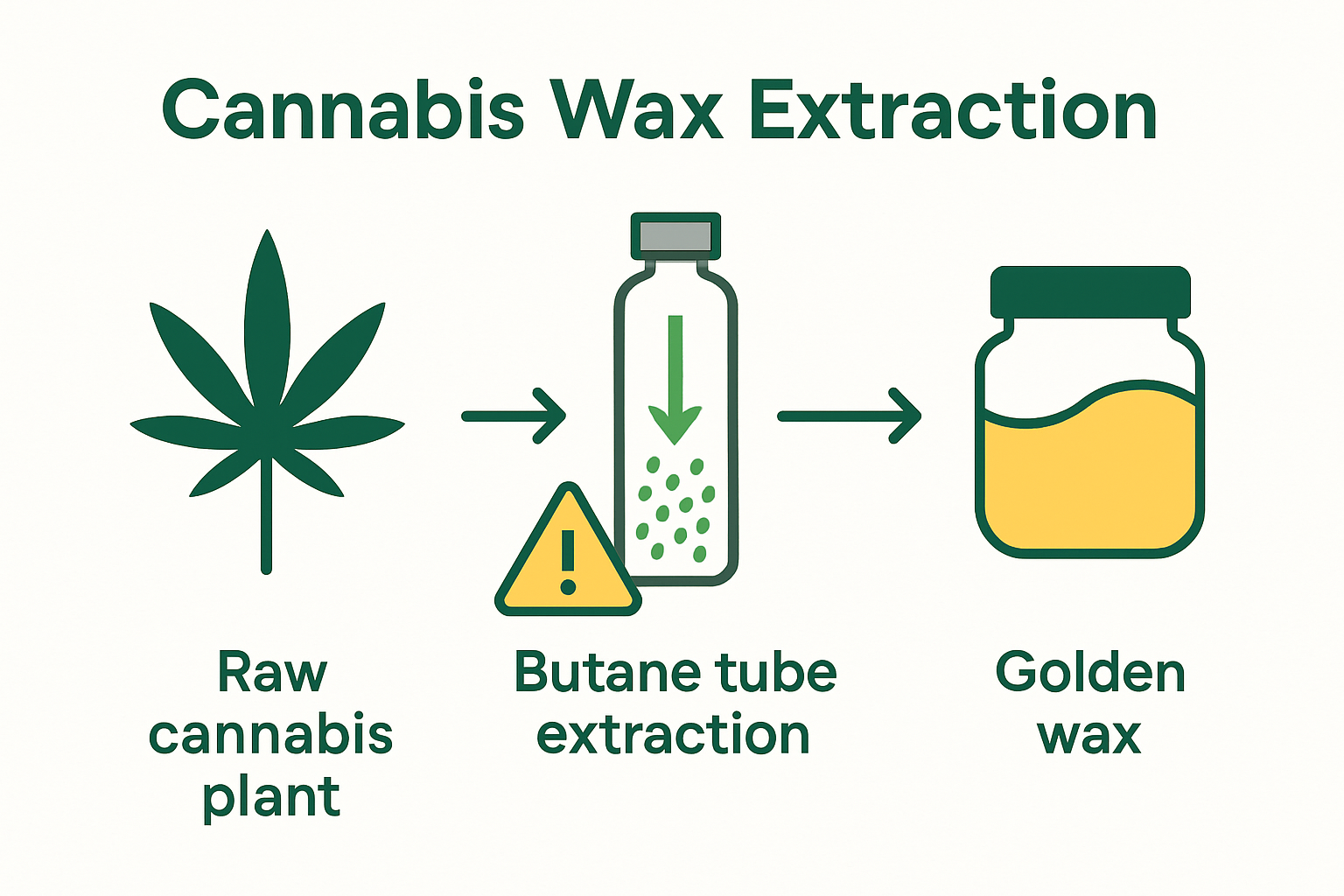
Manufacturers can modify the final product’s consistency through different post-extraction techniques. By agitating the extract, they can create a waxy texture; alternatively, allowing the concentrate to cool without manipulation results in a glass-like shatter. These nuanced processing methods enable producers to create various cannabis wax types, each with distinct characteristics and consumption experiences.
Key steps in cannabis wax extraction include:
- Selecting high-quality cannabis plant material
- Using pressurized butane as a solvent
- Carefully extracting cannabinoids and terpenes
- Purging residual solvents through precise heating
- Manipulating extract consistency through agitation techniques
Consumers should always purchase cannabis wax from licensed, professional manufacturers who follow strict safety and quality control protocols to ensure a pure, safe product.
U.S. Laws and Safety Considerations
Navigating the legal landscape of cannabis wax requires careful understanding of complex and evolving regulations. Cannabis laws continue to change dramatically across different states, creating a nuanced environment for consumers and producers.
As of late 2023, the legal status of cannabis wax varies significantly across the United States. Non-medical cannabis use is currently legalized in 24 states, with an additional 7 states having decriminalization policies that reduce penalties for possession. The federal landscape is also shifting, with the U.S. Department of Justice initiating rulemaking to potentially reschedule cannabis from Schedule I to Schedule III of the Controlled Substances Act.
Safety considerations for cannabis wax extend beyond legal compliance. Consumers should prioritize purchasing from licensed manufacturers who follow rigorous extraction and quality control standards. Potential risks include solvent contamination, incorrect dosage, and unexpected potency levels. Responsible use involves understanding personal tolerance, starting with minimal quantities, and consuming in a safe, controlled environment.
Key safety and legal considerations include:
- Verify local state regulations before purchasing or consuming
- Purchase only from licensed, professional manufacturers
- Start with low doses and understand personal tolerance
- Store cannabis wax securely and away from children
- Avoid operating machinery or driving while under the influence
As cannabis regulations continue to evolve, staying informed about local laws and prioritizing personal safety remains paramount for responsible consumption.
Risks, Benefits, and Common Alternatives
Cannabis wax represents a complex product with significant potential benefits and notable risks that consumers must carefully understand. Delta-8 alternatives offer different consumption experiences for those seeking nuanced cannabinoid interactions.
The primary benefits of cannabis wax include rapid onset of effects and extremely high potency, making it particularly appealing for experienced users seeking intense therapeutic or recreational experiences. However, these advantages come with substantial risks. Improper extraction processes can introduce harmful solvent residues, while over-consumption may lead to significant adverse effects such as extreme anxiety, paranoia, or temporary cognitive impairment.
Consumers have several alternative cannabis concentrates to consider beyond traditional wax. Distillates provide highly refined extracts with concentrated cannabinoid profiles, while isolates offer pure forms of specific cannabinoids like CBD or THCA. These alternatives cater to different preferences, providing more controlled and potentially safer consumption methods compared to traditional cannabis wax.
Key risks and benefits comparison: Benefits:
- Rapid effect onset
- High cannabinoid concentration
- Potential therapeutic applications
Risks:
- Potential solvent contamination
- High risk of overconsumption
- Possible psychological side effects
- Complex extraction requirements
Responsible consumption involves understanding personal tolerance, starting with minimal quantities, and selecting high-quality products from licensed manufacturers.
Discover Safe and Premium Cannabis Wax Options Tailored for You
Navigating the complexities of cannabis wax can be overwhelming with its high potency and varied extraction methods. If you are seeking safe, high-quality concentrates that deliver consistent effects and wellness benefits, 23State.com is your trusted partner. We understand your need for purity and precision in products like budder, shatter, and live resin, ensuring you experience cannabis wax with confidence.

Take control of your cannabis journey today by exploring our handcrafted hemp-derived products at 23State.com. Benefit from our commitment to licensed manufacturing, rigorous quality checks, and exclusive offers that encourage responsible use. Start with confidence and choose from our curated selection designed to match your lifestyle and preferences. Don’t wait—visit 23State.com now and elevate your cannabis experience with products that prioritize safety, potency, and wellness.
Frequently Asked Questions
What is cannabis wax?
Cannabis wax is a potent marijuana concentrate characterized by a soft, malleable texture and high THC concentration, often between 60-80%. It is derived through specialized extraction methods, primarily butane hash oil (BHO) processing.
What are the different types of cannabis wax?
Cannabis wax comes in various types, including shatter (brittle and glass-like), budder (soft and creamy), crumble (dry and easily breakable), sugar wax (granular and sugar-like), and live resin (extracted from fresh, frozen plants), each offering unique characteristics and consumption experiences.
How is cannabis wax extracted?
Cannabis wax is typically extracted using butane hash oil (BHO) methods, where high-pressure butane is applied to cannabis flowers. This process carefully extracts cannabinoids and terpenes from the plant, and the butane is then purged to leave behind a concentrated extract.
What are the safety considerations for using cannabis wax?
When using cannabis wax, it’s important to purchase from licensed manufacturers who adhere to safety standards. Consumers should understand their personal tolerance, start with low doses, and avoid driving or operating machinery while under the influence.
