

Most american consumers have only heard about CBD and THC, yet over 100 cannabinoids exist in cannabis with unique effects. Among them, CBG isolate stands out for its purity and scientific intrigue. As interest in minor cannabinoids grows, understanding how CBG isolate is sourced and refined gives people new options for wellness and research. This guide brings clarity to CBG’s creation, differences from CBD, practical uses, and safety—helping you make informed choices about this emerging american trend.
Table of Contents
- What Is CBG Isolate And How Is It Made
- Key Differences Between CBG And CBD
- Benefits And Practical Uses Of CBG Isolate
- Legal Status And Regulatory Guidelines In The U.S.
- Possible Risks, Side Effects, And Safe Usage Tips
Key Takeaways
| Point | Details |
|---|---|
| Understanding CBG Isolate | CBG isolate is a highly concentrated, non-psychoactive cannabinoid derived from cannabis, requiring sophisticated extraction methods for purity. |
| Unique Properties | CBG has distinct properties such as antibacterial effects and potential neuroprotective characteristics, differentiating it from CBD. |
| Health Applications | CBG isolate shows promise in inflammation management, antibacterial defense, and dermatological health, presenting targeted wellness opportunities. |
| Regulatory Landscape | The legal status of CBG isolate is complex, with ongoing scrutiny and regulations that require informed consumer choices and manufacturer compliance. |
What Is CBG Isolate and How Is It Made
Cannabinoid science continues to evolve, and CBG isolate represents a cutting-edge extraction of a fascinating minor cannabinoid. Derived from Cannabis sativa, CBG (cannabigerol) is a non-psychoactive compound that serves as a foundational molecule in cannabinoid production. Unlike its more famous cousins THC and CBD, CBG exists in very low concentrations in most cannabis plants, making its isolation a sophisticated scientific process.
The creation of CBG isolate involves several intricate steps. Initially, processors identify cannabis strains with higher cannabigerol acid (CBGA) content, as CBGA is the primary precursor for multiple cannabinoids. Through a specialized extraction process, manufacturers use advanced techniques like CO2 extraction or ethanol-based methods to separate CBG from plant materials. These methods involve carefully controlled temperatures and pressures to preserve the cannabinoid’s delicate molecular structure while removing unwanted plant compounds.
Understanding the nuanced differences between cannabinoids becomes crucial when exploring CBG, and readers can gain deeper insights by reviewing our understanding of minor cannabinoids. The purification process transforms raw plant extract into a pure, crystalline form of CBG through additional refinement techniques such as winterization and chromatography. These methods ensure that the final CBG isolate contains an extremely high concentration of the target cannabinoid - often 95% purity or higher - making it a potent and versatile compound for various applications.
The scientific complexity of CBG isolate production highlights why this cannabinoid remains less common than CBD. Researchers must carefully manipulate plant genetics and extraction parameters to maximize CBG yields. Early harvest of cannabis plants, when CBGA levels are highest, combined with specialized breeding techniques, represents the most promising approach for generating meaningful quantities of this intriguing cannabinoid. As cultivation and extraction technologies continue advancing, CBG isolate is poised to become an increasingly significant component of cannabinoid research and wellness products.
Key Differences Between CBG and CBD
Cannabigerol (CBG) and cannabidiol (CBD) represent two fascinating yet distinctly different compounds within the cannabinoid family. While both are non-psychoactive and derived from Cannabis sativa, their molecular structures and interactions with the human body reveal profound variations. CBD has gained widespread recognition for its potential wellness benefits, whereas CBG remains a relatively unexplored minor cannabinoid with emerging scientific interest.
The fundamental differences between these cannabinoids become evident in their receptor interactions and physiological mechanisms. CBG acts as a partial agonist at CB1 and CB2 receptors, creating more direct engagement with the endocannabinoid system. In contrast, CBD demonstrates a low affinity for these receptors, functioning more as an indirect modulator. This nuanced variation explains why CBG exhibits unique properties, such as pronounced antibacterial effects against challenging pathogens like methicillin-resistant Staphylococcus aureus (MRSA) and potential neuroprotective characteristics not consistently observed with CBD.
From a biochemical perspective, CBG serves a critical role as a precursor molecule in cannabinoid synthesis. While CBD represents a more mature, refined cannabinoid, CBG exists as a foundational compound from which other cannabinoids are generated. This structural relationship means that CBG concentrations naturally decrease as cannabis plants mature and other cannabinoids develop. Researchers have discovered that CBG’s molecular profile allows for potentially distinct therapeutic applications, including targeted neurological support and antimicrobial interventions that differentiate it from the more extensively studied CBD.
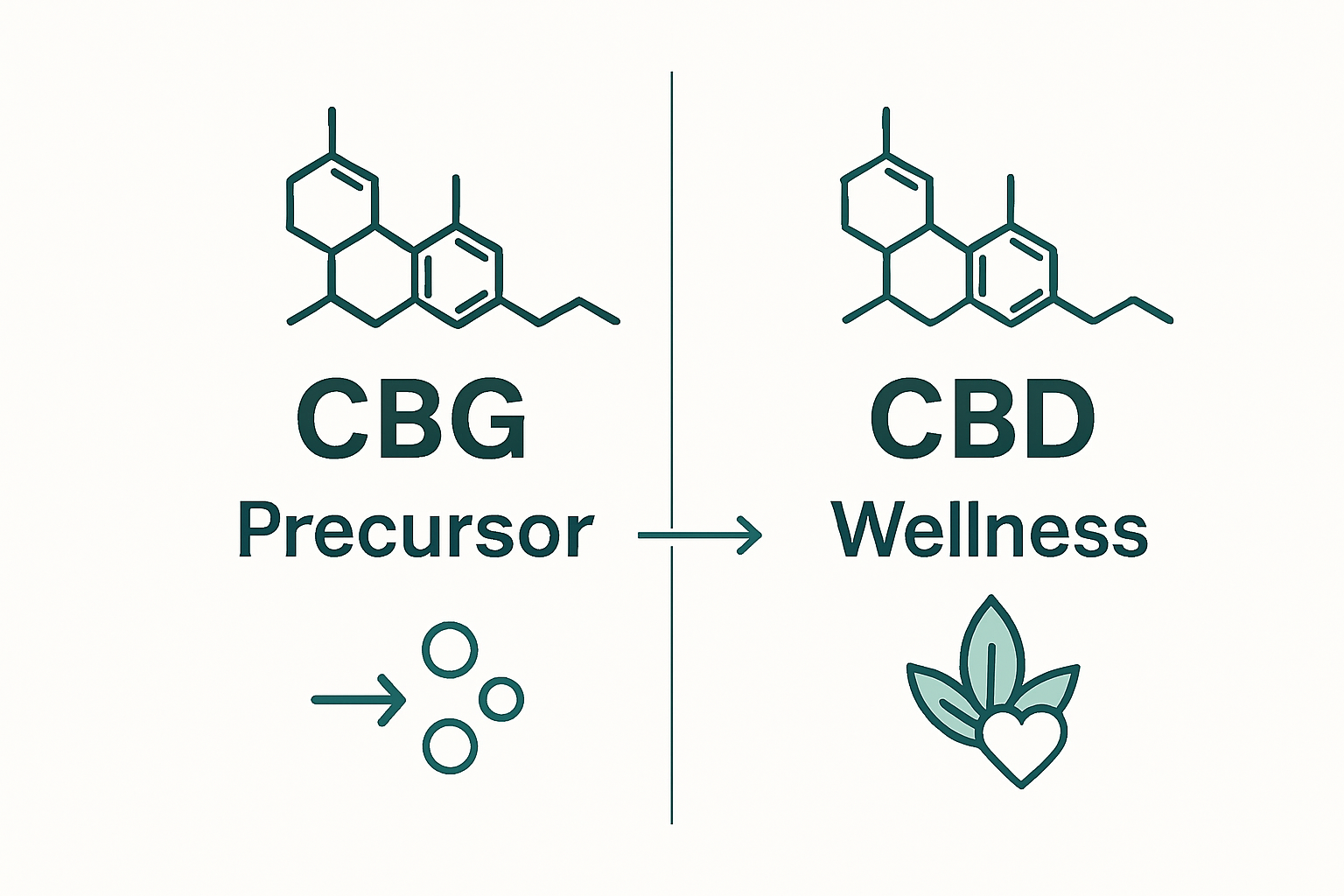
The scientific community continues to unravel the complex characteristics of these cannabinoids, with emerging research suggesting that CBG might offer unique advantages in specific wellness contexts. Early studies indicate promising potential for CBG in areas like inflammation management, neuroprotection, and antimicrobial defense. While CBD remains more accessible and widely utilized, CBG represents an exciting frontier in cannabinoid research, promising novel insights into natural compounds’ intricate mechanisms of interaction with human physiological systems.
Benefits and Practical Uses of CBG Isolate
CBG isolate represents a promising frontier in cannabinoid wellness, offering a concentrated and versatile compound with potential therapeutic applications across multiple health domains. Unlike more familiar cannabinoids, CBG isolate provides a targeted approach to addressing specific wellness challenges, making it an intriguing option for individuals seeking alternative natural support strategies. Its pure, isolated form allows for precise dosing and focused therapeutic interventions.
Researchers have uncovered remarkable wellness applications for CBG-infused products, particularly in areas of inflammation management and targeted health support. Clinical investigations have demonstrated CBG’s potential in addressing complex health conditions, including inflammatory bowel disease and neurodegenerative disorders. The compound exhibits extraordinary antibacterial properties, especially against challenging pathogens like methicillin-resistant Staphylococcus aureus (MRSA), suggesting powerful antimicrobial potential that extends beyond traditional treatment approaches.
Beyond its systemic health benefits, CBG isolate shows exceptional promise in dermatological applications. In vitro studies have revealed its capacity to regulate key skin health markers, indicating potential improvements in skin condition and cellular regeneration. The compound’s anti-inflammatory properties make it particularly interesting for individuals managing skin-related challenges, offering a natural alternative to traditional topical treatments. Its molecular structure allows for targeted interactions with skin cells, potentially supporting healing and protective mechanisms.

Practical applications of CBG isolate span multiple wellness domains, from potential neurological support to immune system modulation. Users might incorporate CBG isolate through various delivery methods, including sublingual tinctures, topical applications, and specialized wellness formulations. While research continues to explore its full potential, early scientific evidence suggests CBG could represent a significant breakthrough in natural compound therapy, offering nuanced support for complex physiological systems with minimal side effects.
Legal Status and Regulatory Guidelines in the U.S.
The legal landscape surrounding cannabinoid products remains complex and continually evolving, with CBG isolate existing in a nuanced regulatory environment. While hemp-derived cannabinoids have gained increased acceptance, federal and state regulations create a multifaceted framework that consumers and businesses must carefully navigate. The 2018 Farm Bill opened significant pathways for hemp-derived compounds, but comprehensive regulatory clarity continues to develop.
The FDA maintains strict oversight of cannabis and cannabis-derived products, including those containing CBG. Currently, CBG is not approved as a pharmaceutical drug, which means its inclusion in food, beverages, and dietary supplements remains subject to rigorous regulatory scrutiny. Manufacturers must adhere to complex guidelines, ensuring product safety, accurate labeling, and compliance with federal and state regulations. This regulatory landscape requires companies to maintain transparent production processes and substantiate health claims with scientific evidence.
State-level regulations introduce additional complexity to CBG isolate’s legal status. While some states have embraced hemp-derived cannabinoid products, others maintain more restrictive approaches. Consumers and businesses must remain informed about local jurisdictional variations, as legal interpretations can differ significantly between states. Factors such as THC concentration, extraction methods, and intended product use play crucial roles in determining regulatory compliance. Some states require specific testing, labeling, and licensing procedures for cannabinoid products, creating a challenging environment for manufacturers and distributors.
Navigating the legal landscape demands ongoing vigilance and proactive compliance strategies. Responsible CBG isolate manufacturers must stay current with federal and state regulatory developments, implement robust quality control measures, and maintain transparent communication with regulatory bodies. Consumers should prioritize purchasing from reputable sources that demonstrate commitment to legal compliance, third-party testing, and product safety. As research continues and regulatory frameworks evolve, the legal status of CBG isolate will likely become more defined, offering greater clarity for both businesses and consumers interested in exploring its potential wellness applications.
Possible Risks, Side Effects, and Safe Usage Tips
CBG isolate represents an emerging wellness compound with promising potential, yet responsible usage requires understanding its safety profile and potential interactions. While early research indicates a generally favorable safety spectrum, consumers should approach CBG supplementation with informed caution and personalized consideration. Individual physiological responses can vary, making educated and mindful consumption critical.
Research demonstrates that drink enhancers and wellness supplements require careful evaluation, and CBG is no exception. Topical applications have shown remarkable dermatological safety, with studies indicating no evidence of cytotoxicity, mutagenicity, or skin sensitization. The compound appears hypoallergenic and non-irritating, suggesting broad tolerability. However, comprehensive clinical trials are still needed to fully understand potential long-term effects and medication interactions.
Individuals considering CBG isolate should follow several critical safety guidelines. First, consult healthcare professionals before incorporating CBG, especially for those with pre-existing medical conditions or concurrent medication regimens. Start with low doses and gradually increase, monitoring your body’s response. Potential mild side effects might include temporary drowsiness, changes in appetite, or subtle digestive adjustments. Individuals should discontinue use and seek medical advice if unexpected reactions occur. Pregnant or nursing individuals, as well as those with complex medical histories, should exercise additional caution and seek professional medical guidance.
Quality and sourcing remain paramount when exploring CBG isolate. Prioritize products from reputable manufacturers that provide transparent third-party lab testing, demonstrating cannabinoid content, purity, and absence of contaminants. Look for detailed certificates of analysis, understand extraction methods, and verify the product’s compliance with current regulatory standards. By maintaining an informed, cautious approach and selecting high-quality products, consumers can more safely explore the potential wellness benefits of CBG isolate while minimizing potential risks.
Discover the Power of Pure CBG Isolate for Your Wellness Journey
If you are seeking a natural way to support inflammation management, skin health, or neurological wellness, exploring premium CBG isolate products is a smart step. This article highlighted how CBG isolate offers unique benefits through its concentrated purity and targeted interaction with the endocannabinoid system. By choosing high-quality options, you can experience potent therapeutic potential without unwanted additives or uncertainty about sourcing.
Explore our curated collection of CBG products at 23rd State and find premium hemp-derived options made with precision and care. Take advantage of our current promotions and free shipping offers to elevate your wellness routine now. Visit 23rd State today to shop with confidence and unlock the benefits that CBG isolate can provide for your body and mind. Don’t wait to make natural support a part of your lifestyle.
Frequently Asked Questions
What is CBG isolate and how is it made?
CBG isolate is a concentrated form of cannabigerol, a non-psychoactive cannabinoid derived from Cannabis sativa. It is made through advanced extraction processes that separate CBG from plant materials, achieving high purity levels.
What are the potential benefits of CBG isolate?
CBG isolate may offer various wellness benefits, including inflammation management, neuroprotective effects, and antibacterial properties, particularly against pathogens like MRSA. It also shows promise in improving skin health and supporting complex physiological systems.
How should I use CBG isolate?
CBG isolate can be consumed in various forms, such as sublingual tinctures, capsules, or topical applications. It’s advisable to start with a low dose and gradually increase while monitoring your body’s response.
Are there any side effects or risks associated with CBG isolate?
While CBG isolate is generally considered safe, potential side effects may include drowsiness, appetite changes, or digestive adjustments. Consulting a healthcare professional before use, particularly for individuals with underlying conditions, is recommended.
