

Nearly 90 percent of American consumers say transparency matters when choosing botanical wellness products. As interest in unique cannabis compounds grows, high-CBG flower is capturing attention for its distinct properties and origins. This emerging option stands apart for its non-psychoactive effects and specialized breeding, offering insight into how cannabinoids can impact personal wellness choices now shaping the American market.
Table of Contents
- High-CBG Flower Explained: Core Compounds and Origins
- How High-CBG Differs From CBD and THC Flower
- Wellness Benefits and Common Uses for CBG Flower
- Legal Status and Safety of High-CBG Flower in the U.S.
- What to Look For When Buying High-CBG Flower
Key Takeaways
| Point | Details |
|---|---|
| High-CBG Flower Characteristics | Non-psychoactive and requires early harvesting for maximum CBG potency. |
| Unique Interactions | High-CBG interacts differently with the endocannabinoid system compared to THC and CBD. |
| Wellness Potential | CBG shows promise for neurological health, mood regulation, and anti-inflammatory properties. |
| Legal Considerations | Legal status varies by state; understanding local regulations is crucial for consumers. |
High-CBG Flower Explained: Core Compounds and Origins
Cannabinoids are complex botanical compounds that continue to fascinate researchers and wellness enthusiasts. Cannabigerol (CBG) stands out as a particularly intriguing molecule, often referred to as the “mother cannabinoid” because it serves as the genetic precursor for many other cannabinoids. Researchers have identified CBG as a foundational compound that transforms into other cannabinoids like THC and CBD during the cannabis plant’s growth cycle.
Understanding CBG’s origins requires diving into plant biochemistry. Cannabis plants synthesize CBG through a precise molecular process involving cannabigerolic acid (CBGA), which occurs during the early flowering stage. Cultivators focused on high-CBG flower use specialized breeding techniques to maximize CBG content by harvesting plants before CBGA converts into other cannabinoid structures. This strategic approach allows for concentrated CBG extraction and preservation.
The potential of high-CBG flower extends beyond its molecular complexity. Unlike THC, CBG is non-psychoactive, making it an attractive option for individuals seeking potential wellness benefits without intoxicating effects. Cultivators now develop specialized cannabis strains that maintain higher percentages of CBG, representing a significant advancement in cannabinoid research and product development. By understanding the nuanced differences between cannabinoids like CBG and CBD, consumers can make more informed choices about their botanical wellness journey.
Key characteristics of high-CBG flower include:
- Non-psychoactive molecular structure
- Early harvest requirement for maximum potency
- Potential alternative for wellness-focused consumers
- Represents cutting-edge cannabinoid breeding techniques
How High-CBG Differs From CBD and THC Flower
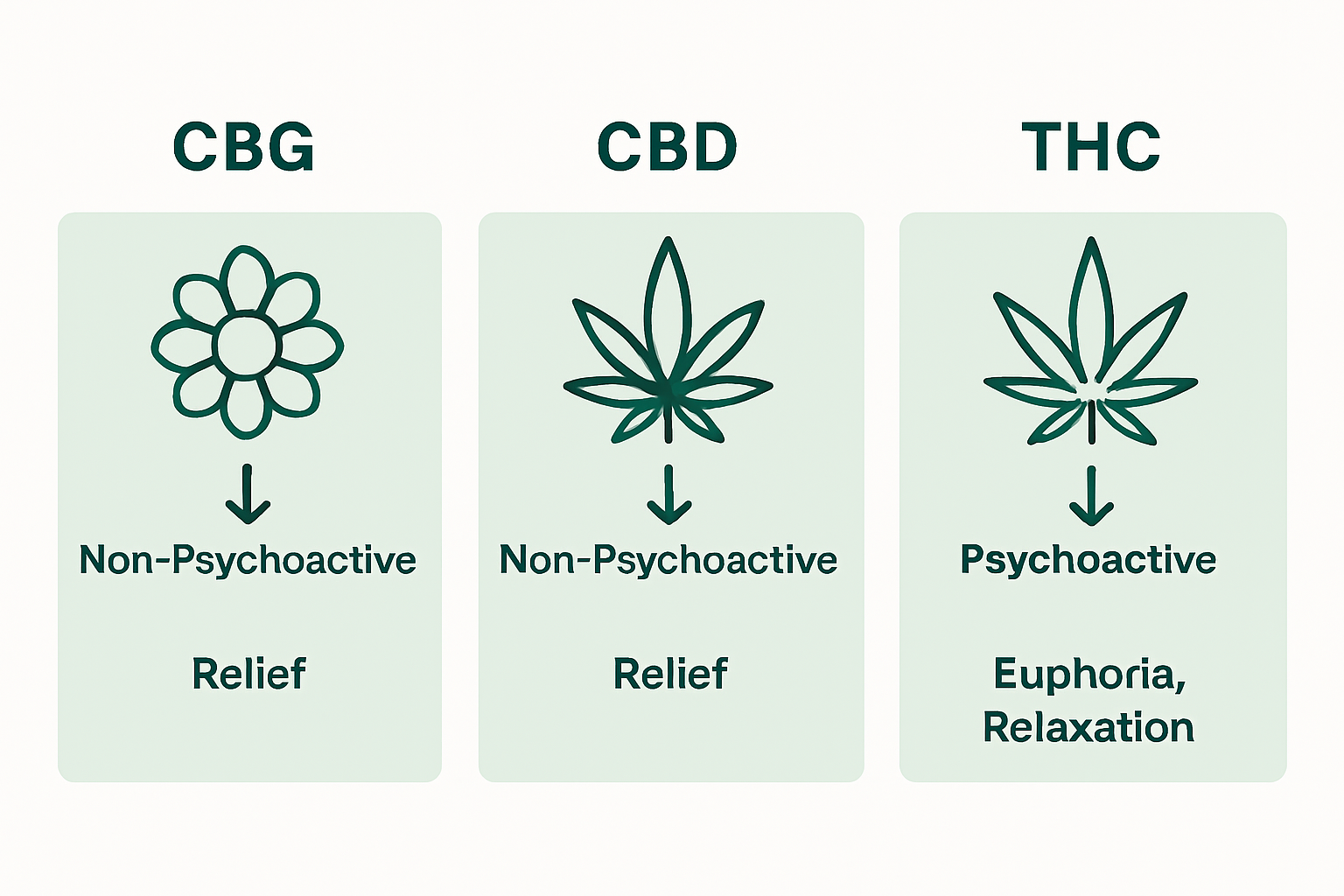
Cannabis enthusiasts and wellness seekers often wonder about the unique characteristics that set different cannabinoid flowers apart. High-CBG flower represents a distinctive category within the cannabis spectrum, offering fundamentally different properties compared to traditional THC and CBD-dominant varieties. Unlike THC and CBD, CBG interacts uniquely with the body’s endocannabinoid system, binding directly to CB1 and CB2 receptors and potentially influencing physiological processes in ways that set it apart from its more well-known cannabinoid cousins.
Selective breeding techniques have enabled the development of cannabis strains with higher CBG concentrations, creating a product that diverges significantly from standard THC or CBD flowers. Where THC produces psychoactive effects and CBD offers non-intoxicating modulation, CBG provides a unique molecular profile that remains entirely non-psychoactive. This makes high-CBG flower an intriguing option for consumers seeking botanical compounds without the traditional cannabis experience.

The molecular distinctions between these cannabinoid varieties extend beyond their immediate effects. THC flower typically induces euphoria and altered perception, while CBD flower promotes relaxation without intoxication. High-CBG flower, by contrast, represents a cutting-edge exploration of cannabis’s therapeutic potential. Emerging research suggests minor cannabinoids like CBG might offer distinct wellness benefits, positioning it as an exciting frontier in botanical wellness.
Key comparative features include:
- THC Flower: Psychoactive, produces euphoric effects
- CBD Flower: Non-psychoactive, promotes relaxation
- High-CBG Flower: Non-psychoactive, unique receptor interaction
- Represents advanced cannabinoid breeding and research
Wellness Benefits and Common Uses for CBG Flower
High-CBG flower represents an exciting frontier in botanical wellness, offering potential therapeutic applications that extend far beyond traditional cannabis consumption. Preliminary research indicates CBG may possess remarkable neuroprotective properties, suggesting potential benefits for individuals managing neurodegenerative conditions. These emerging findings highlight CBG’s unique molecular profile and its potential to support neurological health in ways distinct from other cannabinoids.
Preclinical studies have revealed promising avenues for CBG’s therapeutic potential, particularly in managing specific health challenges. The compound demonstrates potential for reducing intraocular pressure, which could be significant for individuals managing glaucoma. Additionally, CBG’s interaction with the endocannabinoid system suggests potential mood-regulating effects, offering hope for those exploring natural approaches to anxiety and depression management.
Beyond its neurological and mood-related potential, CBG flower shows promise in several wellness domains. Researchers have observed potential anti-inflammatory and antibacterial properties that could make it a versatile botanical supplement. The non-psychoactive nature of CBG makes it an appealing option for individuals seeking wellness support without the intoxicating effects associated with THC.
Common wellness applications for CBG flower include:
- Supporting neurological health
- Managing potential mood fluctuations
- Exploring natural anti-inflammatory options
- Providing non-intoxicating botanical wellness support
Legal Status and Safety of High-CBG Flower in the U.S.
High-CBG flower occupies a complex legal landscape in the United States, with regulations varying dramatically across different states and jurisdictions. The legal status of cannabis products remains challenging due to inconsistent testing standards and regulatory frameworks, creating significant uncertainty for businesses and consumers alike. Federal and state laws continue to evolve, making it critical for individuals to stay informed about the current legal requirements surrounding hemp and cannabis products.
Safety considerations for high-CBG flower are paramount, with regulatory bodies increasingly focused on ensuring product quality and consumer protection. State-level legislation, such as proposed regulations in Connecticut, demonstrates the ongoing efforts to clarify the legal status of hemp-derived products. These regulatory discussions highlight the complex challenges of balancing consumer access with appropriate oversight, particularly for emerging cannabinoid products like high-CBG flower.
Consumers should approach high-CBG flower with an informed perspective, understanding that legal interpretations can differ significantly between jurisdictions. While hemp-derived products containing less than 0.3% THC are federally legal under the 2018 Farm Bill, individual states maintain the right to implement more restrictive regulations. Navigating the complex landscape of cannabis product regulations requires careful attention to local and state-specific guidelines.
Key legal considerations for high-CBG flower include:
- Federal hemp regulations (0.3% THC threshold)
- State-specific cannabis and hemp laws
- Importance of third-party laboratory testing
- Potential variations in local regulatory interpretations
What to Look For When Buying High-CBG Flower
High-CBG flower represents a sophisticated botanical product that requires careful selection and discernment. Third-party laboratory testing is crucial for verifying the cannabinoid profile and ensuring product quality, allowing consumers to confirm the actual CBG content and compliance with legal THC thresholds. Potential buyers should prioritize comprehensive lab reports that provide detailed insights into the flower’s chemical composition, purity, and potential contaminants.
Transparency in sourcing and cultivation practices becomes a critical factor when selecting high-CBG flower. Reputable producers will offer comprehensive information about the strain’s genetic lineage, growing conditions, and extraction methods. Consumers should seek brands that provide clear documentation about their hemp’s origin, cultivation techniques, and processing standards to ensure a high-quality, safe product.
Navigating the high-CBG flower market requires an understanding of key selection criteria. Consumers interested in exploring cannabinoid wellness options can benefit from understanding product nuances, including potency, terpene profiles, and potential therapeutic applications. Factors like organic cultivation, sustainable farming practices, and detailed product traceability can help distinguish premium high-CBG flower from lower-quality alternatives.
Key considerations when purchasing high-CBG flower include:
- Comprehensive third-party laboratory testing results
- Detailed strain genetics and origin information
- Transparent cultivation and processing methods
- Clear documentation of cannabinoid content
- Understanding of potential wellness applications
Discover the Power of High-CBG Flower for Wellness and Beyond
If you are seeking a non-psychoactive botanical solution that supports neurological health and mood balance high-CBG flower may be exactly what you need. This unique cannabinoid interacts differently with the body’s receptors offering potential anti-inflammatory and neuroprotective benefits without the intoxicating effects found in THC. For those wanting to explore cutting-edge cannabinoid wellness options explore our curated selection of premium CBG products crafted with transparency and quality in mind.
Ready to elevate your wellness routine with high-CBG flower crafted for purity and potency Visit 23rd State today and take advantage of our latest offerings including hemp-derived infused items designed to fit your lifestyle. Explore our full range of CBD and CBN products as well for a complete cannabinoid experience. Act now to discover handcrafted botanical solutions that make a real difference.
Frequently Asked Questions
What is high-CBG flower?
High-CBG flower is a type of cannabis that has been specifically bred to contain higher levels of cannabigerol (CBG), a non-psychoactive cannabinoid known for its potential wellness benefits.
How does high-CBG flower differ from high-THC and high-CBD flower?
High-CBG flower differs from high-THC and high-CBD varieties in that it is non-psychoactive and interacts uniquely with the endocannabinoid system, potentially providing distinct therapeutic effects without the intoxicating experience associated with THC.
What are the potential wellness benefits of high-CBG flower?
High-CBG flower may offer several wellness benefits, including neuroprotective properties, potential mood regulation, and anti-inflammatory and antibacterial effects, making it a versatile option for those seeking natural alternatives for various health challenges.
What should I look for when purchasing high-CBG flower?
When purchasing high-CBG flower, it’s important to seek third-party laboratory testing results for cannabinoid content, understand the strain’s genetics and origin, and ensure transparency in cultivation and processing methods to guarantee product quality.
