

Most American consumers underestimate how complex cannabis sales truly are. With more than 75% of United States jurisdictions enforcing unique rules and compliance standards, misconceptions and outdated beliefs can quickly lead to costly mistakes. Getting the facts straight about cannabis commerce not only helps you avoid legal trouble but also empowers you to make smarter, safer choices in an industry shaped by rapid change and evolving regulations.
Table of Contents
- Defining Cannabis Sale And Common Misconceptions
- Types Of Cannabis Sales And Distribution Models
- Legal Regulations For Cannabis Transactions
- Taxes And Financial Impact On Buyers And Sellers
- Risks, Penalties, And Safe Purchasing Practices
Key Takeaways
| Point | Details |
|---|---|
| Understanding Cannabis Sales | Cannabis sales vary by jurisdiction and are not solely recreational; they include medical and wellness products. |
| Legal Compliance Is Essential | Businesses must navigate intricate regulations, including age verification and product restrictions, to ensure lawful operations. |
| Financial Considerations | High taxes and compliance costs significantly impact pricing for both buyers and sellers in the cannabis market. |
| Safe Purchasing Practices | Consumers should prioritize licensed dispensaries and stay informed about local laws to minimize legal and health risks. |
Defining Cannabis Sale and Common Misconceptions
A cannabis sale represents a legally regulated transaction involving cannabis products, which can vary dramatically depending on jurisdiction, type of product, and consumer demographics. Understanding these sales requires navigating complex legal frameworks that differ substantially across regions. Cannabis regulations have evolved significantly, moving from strict prohibition to nuanced frameworks allowing medical and recreational consumption.
Common misconceptions about cannabis sales often stem from outdated information and cultural stereotypes. Many people incorrectly assume all cannabis transactions are illegal or exclusively recreational. However, modern cannabis commerce encompasses multiple categories: medical cannabis, hemp-derived products, recreational marijuana, and wellness-oriented cannabinoid offerings. The Utah Department of Health highlights that misconceptions about cannabis usage persist, noting that contrary to popular belief, only a small percentage of teens regularly use marijuana.
The legal landscape of cannabis sales is characterized by intricate compliance requirements. Different states and jurisdictions maintain unique regulations regarding:- Age restrictions- Purchase quantities- Product types permitted- Licensing requirements for sellers- Tax structures- Documentation needed for transactions
Understanding these nuanced regulations helps consumers and businesses navigate the complex world of cannabis commerce responsibly. By recognizing the legal distinctions and staying informed about evolving standards, individuals can make educated decisions about cannabis purchases while remaining compliant with local laws.
Types of Cannabis Sales and Distribution Models
Cannabis sales and distribution models are complex systems regulated by intricate legal frameworks that vary significantly across different jurisdictions. Cannabis business licenses represent the foundational structure through which legal cannabis commerce operates, encompassing multiple specialized categories that define how products move from cultivation to consumer.
The primary distribution models in the cannabis industry typically include:
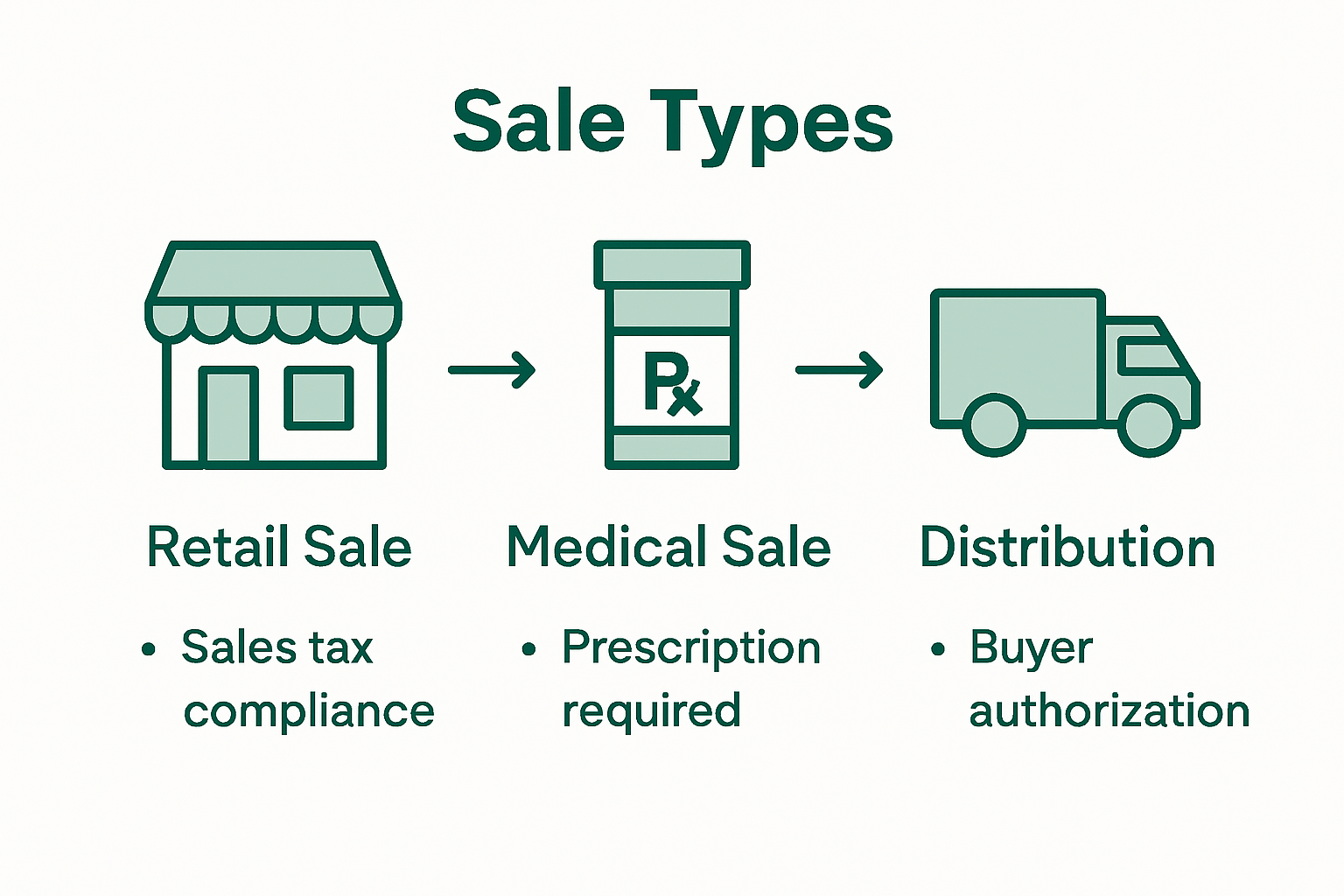
- Direct Retail Sales: Consumers purchase products directly from licensed dispensaries
- Medical Cannabis Distribution: Specialized channels for patients with specific health recommendations
- Wholesale Distribution: Licensed businesses purchasing large quantities for subsequent resale
- Online Sales: Digital platforms enabling regulated cannabis product purchases
- Event-Based Sales: Temporary cannabis commerce during approved community or industry events
Each distribution model carries unique regulatory requirements and compliance standards. Businesses must navigate complex licensing procedures, track inventory meticulously, and adhere to strict age verification protocols. The cannabis brand ecosystem plays a crucial role in shaping these distribution channels, influencing consumer perception and market dynamics.
Understanding these distribution models requires recognizing the nuanced legal landscape that governs cannabis commerce. Successful navigation demands comprehensive knowledge of local regulations, robust compliance infrastructure, and adaptive business strategies that can respond to the rapidly evolving cannabis marketplace.
Legal Regulations for Cannabis Transactions
Cannabis transactions are governed by a complex web of federal, state, and local regulations that create a challenging landscape for businesses and consumers. Online cannabis shopping represents one of the most regulated commercial spaces, requiring strict adherence to multiple legal frameworks that vary dramatically between jurisdictions.
Key legal considerations for cannabis transactions include:
- Age Verification: Mandatory checks to ensure purchasers are 21 or older
- Quantity Limitations: Strict controls on purchase volumes
- Product Potency Restrictions: Mandated THC concentration limits
- Payment Method Constraints: Limited banking and financial transaction options
- Documentation Requirements: Comprehensive record-keeping for each sale
The regulatory environment demands meticulous compliance across multiple dimensions. Businesses must navigate intricate licensing procedures, maintain rigorous tracking systems, and implement robust age and identity verification protocols. Home cultivation regulations further illustrate the complexity of cannabis legal frameworks, with each jurisdiction establishing unique rules governing personal production and consumption.

Successful cannabis transactions require a nuanced understanding of evolving legal landscapes. Consumers and businesses must remain adaptable, continuously educating themselves about shifting regulations, potential legal risks, and the importance of responsible consumption within defined legal boundaries.
Taxes and Financial Impact on Buyers and Sellers
The cannabis market represents a complex economic ecosystem with significant financial implications for both buyers and sellers. Purchase behaviors at medical marijuana dispensaries reveal intricate spending patterns, with consumers demonstrating considerable variation in transaction values and product selections.
Key financial considerations in cannabis transactions include:
- Excise Taxes: Typically ranging from 10-37% depending on jurisdiction
- State Sales Taxes: Additional percentage-based charges
- Local Municipal Taxes: Supplementary local government levies
- Licensing Fees: Substantial costs for businesses entering the market
- Compliance Expenses: Significant overhead for regulatory adherence
Cannabis market product trends demonstrate evolving consumer preferences, with traditional dried flower sales gradually declining as sophisticated product categories emerge. This shift impacts pricing structures, taxation models, and overall market economics. Businesses must navigate complex financial landscapes characterized by high tax rates, limited banking access, and stringent regulatory requirements.
The financial ecosystem of cannabis commerce demands strategic financial planning. Buyers must budget for premium pricing driven by extensive taxation, while sellers must develop resilient business models that can absorb significant regulatory and tax-related expenses. Understanding these economic dynamics becomes crucial for sustainable participation in this rapidly transforming marketplace.
Risks, Penalties, and Safe Purchasing Practices
Navigating the cannabis marketplace requires a comprehensive understanding of potential risks and legal consequences associated with purchasing and consuming cannabis products. Medical cannabis usage guidelines emphasize the critical importance of responsible consumption and awareness of potential health implications.
Key safety considerations and risks include:
- Legal Consequences: Potential criminal charges for non-compliant purchases
- Health Risks: Potential addiction and developmental impacts
- Age Verification Penalties: Strict legal consequences for underage purchases
- Product Quality Risks: Potential exposure to contaminated or mislabeled products
- Financial Risks: Potential banking and employment complications
Misconceptions about medical cannabis highlight the nuanced landscape of cannabis consumption. Users must exercise extreme caution, understanding that while cannabis offers potential benefits, improper use can lead to significant personal and legal challenges. Proper dosing, medical supervision, and comprehensive product research become essential strategies for mitigating potential risks.
Safe purchasing practices demand a proactive approach. Consumers should prioritize licensed dispensaries, verify product authenticity, understand local regulations, maintain personal privacy, and approach cannabis consumption with informed, responsible decision-making. By implementing these strategies, individuals can minimize potential legal, health, and financial risks associated with cannabis transactions.
Discover Safe and Compliant Cannabis Shopping for Your Wellness
Navigating the complexities of cannabis sales can feel overwhelming with all the legal nuances, age restrictions, and product varieties. Whether you are seeking THC for recreational enjoyment or CBD products for wellness support, understanding the right purchase channels and compliant options is key to a safe and satisfying experience. Avoid common pitfalls related to licensing, product authenticity, and legal restrictions by choosing a trusted source.
Explore our curated collection of high-quality, hemp-derived products at 23rd State where transparency and compliance matter. From premium THC infused selections to soothing CBD offerings, every purchase is designed to enhance your lifestyle responsibly. Act now to enjoy exclusive promotions including free shipping and discounts. Visit us today and shop confidently knowing you are supported every step of the way.
Frequently Asked Questions
What constitutes a cannabis sale?
A cannabis sale is a legally regulated transaction involving cannabis products, encompassing different categories like medical cannabis, recreational marijuana, and hemp-derived products.
What are the primary types of cannabis transactions?
The primary types of cannabis transactions include direct retail sales from licensed dispensaries, medical cannabis distribution channels, wholesale distribution, online sales, and event-based sales.
What are the legal regulations affecting cannabis transactions?
Key legal regulations for cannabis transactions include age verification requirements, quantity limitations on purchases, product potency restrictions, payment method constraints, and mandatory documentation requirements.
How do taxes impact cannabis sales for buyers and sellers?
Taxes significantly affect the cannabis market, with excise taxes ranging from 10-37%, state sales taxes, local municipal taxes, and high compliance expenses for businesses, impacting pricing and consumer purchasing behavior.
