

Shopping for hemp wellness products in American online stores has never been more convenient. With over 60 percent of adults now preferring digital purchases, health-conscious buyers in South Carolina and the wider Southeast enjoy easy access to premium hemp-derived goods and THC-infused beverages. This shift matters for those who want transparency, variety, and tested quality, all at their fingertips. Discover what makes the online hemp marketplace a trusted resource for modern American wellness seekers.
Table of Contents
- What E-Commerce Means For Hemp Sales
- Key Hemp Product Categories Online
- Navigating Federal And State Hemp Laws
- How E-Commerce Expands Consumer Access
- Risks, Compliance, And Market Challenges
Key Takeaways
| Point | Details |
|---|---|
| E-Commerce Transforms Access | E-commerce has revolutionized consumer access to hemp wellness products, eliminating traditional retail barriers and enabling convenient online purchases from home. |
| Regulatory Challenges Exist | Navigating the complex legal landscape of federal and state hemp regulations requires vigilance from both consumers and businesses to ensure compliance and legal use. |
| Education Builds Consumer Confidence | Providing transparent, detailed product information and third-party lab testing results enhances consumer trust and informed purchasing decisions. |
| Market Inclusivity Growth | Online platforms foster broader market inclusivity, connecting a diverse range of hemp producers with wellness-focused consumers across various regions. |
What E-Commerce Means for Hemp Sales
E-commerce has radically transformed how hemp wellness products reach consumers, creating unprecedented opportunities for direct market engagement. The digital marketplace allows hemp brands to bypass traditional retail limitations, connecting producers directly with interested customers through sophisticated online platforms.
The digital hemp marketplace offers several critical advantages. Consumers can now browse comprehensive product selections, read detailed descriptions, access third-party lab testing results, and make informed purchases from the comfort of their homes. This transparency and convenience have dramatically shifted purchasing behaviors, with online platforms providing educational resources that help demystify hemp wellness products and build consumer confidence.
Online sales channels have become especially crucial given the complex regulatory landscape surrounding hemp products. E-commerce enables brands to quickly adapt to changing market conditions, adjust pricing strategies, and reach niche consumer segments more effectively than traditional brick-and-mortar retail models. The digital platform also allows for more personalized marketing approaches, targeting specific wellness demographics with precision.
Pro tip: When exploring hemp product e-commerce, always verify the website’s lab testing documentation and look for clear ingredient transparency before making a purchase.
Key Hemp Product Categories Online
E-commerce has revolutionized hemp product availability, creating diverse online marketplaces that cater to wellness enthusiasts. Hemp product categories now span a comprehensive range of consumer needs, from therapeutic supplements to lifestyle accessories, transforming how customers discover and purchase hemp-derived goods.
The primary online hemp product categories include CBD hemp oils, which dominate the digital marketplace. These products target specific wellness applications like pain management and anxiety relief. Additionally, consumers can now easily purchase hemp-derived items such as:
- Nutritional hemp seeds
- Hemp-based food and beverages
- Personal care products
- Hemp fiber textiles
- Pharmaceutical-grade hemp extracts
The digital landscape allows niche and mainstream hemp products to reach targeted consumer segments with unprecedented efficiency. Online platforms enable detailed product categorization and distribution, providing transparent information about sourcing, cannabinoid content, and potential wellness benefits. This approach empowers consumers to make informed purchasing decisions directly from their homes.

Here’s a summary of how major online hemp product categories differ:
| Category | Common Uses | Typical Form | Key Buyer Concern |
|---|---|---|---|
| CBD Oils | Wellness support | Tinctures, capsules | Potency and lab results |
| Nutritional Hemp Seeds | Nutrition, cooking | Raw, roasted, powder | Protein content, sourcing |
| Hemp-based Food/Beverages | Functional foods | Snacks, drinks, supplements | Flavor profile, purity |
| Personal Care Products | Skin and body care | Topicals, creams, balms | Ingredients, allergen info |
| Hemp Fiber Textiles | Apparel, home goods | Clothing, bags, paper | Sustainability, durability |
| Pharma-grade Extracts | Targeted medical uses | Isolates, refined extracts | Purity, compliance standards |
Pro tip: When exploring online hemp product categories, always review third-party lab testing results and verify the product’s specific cannabinoid profile before making a purchase.
Navigating Federal and State Hemp Laws
The hemp industry exists in a complex legal landscape that requires careful navigation by businesses and consumers alike. Recent legislative proposals aim to remove significant barriers for hemp producers, particularly for fiber and grain hemp sectors, creating both opportunities and challenges for online retailers and consumers.
Federal regulations continue to evolve, with key considerations for hemp e-commerce including:
- THC concentration limits (typically 0.3% or less)
- Interstate commerce restrictions
- State-specific licensing requirements
- Compliance with FDA guidelines for hemp-derived products
- Tracking and documentation standards
E-commerce platforms must develop robust compliance strategies to address the intricate web of state and federal regulations. Each state maintains unique hemp laws, which can dramatically impact online sales, product availability, and shipping capabilities. Businesses must remain vigilant, continuously monitoring legislative changes and adapting their operations to maintain legal compliance and consumer trust.
Consumers exploring hemp products online should understand that legal interpretations can vary significantly between jurisdictions. While federal guidelines provide a baseline, state-level regulations can impose additional restrictions or create unique market dynamics that affect product availability and purchasing options.
Pro tip: Always verify the current legal status of hemp products in your specific state before making an online purchase, as regulations can change rapidly.
How E-Commerce Expands Consumer Access
E-commerce has transformed consumer access to hemp wellness products, creating unprecedented opportunities for individuals to discover and purchase hemp-derived items from the comfort of their homes. Online platforms eliminate traditional retail barriers, enabling consumers to explore extensive product selections that were previously unavailable or difficult to access.
The digital marketplace offers several key advantages for hemp product consumers:
- Comprehensive product information and detailed descriptions
- Third-party lab testing results readily available
- User reviews and ratings
- Convenience of home delivery
- Access to specialized or niche hemp products
- Ability to compare products and prices instantly
Online hemp retailers have become particularly crucial for consumers in regions with limited physical retail options. E-commerce platforms support broader market inclusivity, allowing small and large hemp producers to connect directly with wellness-focused buyers nationwide, effectively democratizing access to high-quality hemp products.
The digital shopping experience also empowers consumers through enhanced transparency. Detailed product descriptions, ingredient lists, sourcing information, and comprehensive educational resources help buyers make informed decisions about their hemp wellness purchases, creating a more educated and confident consumer base.
Pro tip: When exploring online hemp product platforms, always cross-reference product information, verify third-party lab testing, and read multiple user reviews to ensure you’re making an informed purchase.
Risks, Compliance, and Market Challenges
The hemp industry confronts complex operational and regulatory risks that demand strategic navigation from e-commerce businesses and consumers. Regulatory uncertainty remains a persistent challenge, with significant variations in compliance enforcement across different states creating a challenging landscape for hemp product retailers.
Key market challenges for hemp e-commerce include:
- Inconsistent state-level regulatory frameworks
- Potential legal ambiguities in product classification
- Fluctuating market demand
- Quality control and standardization issues
- Consumer trust and product verification
- Financial service restrictions
E-commerce platforms must develop robust risk management strategies that address multiple dimensions of complexity. This involves maintaining rigorous quality control processes, ensuring comprehensive product testing, and providing transparent documentation that meets evolving legal standards. Businesses must remain agile, continuously adapting to shifting regulatory environments while maintaining consumer confidence.
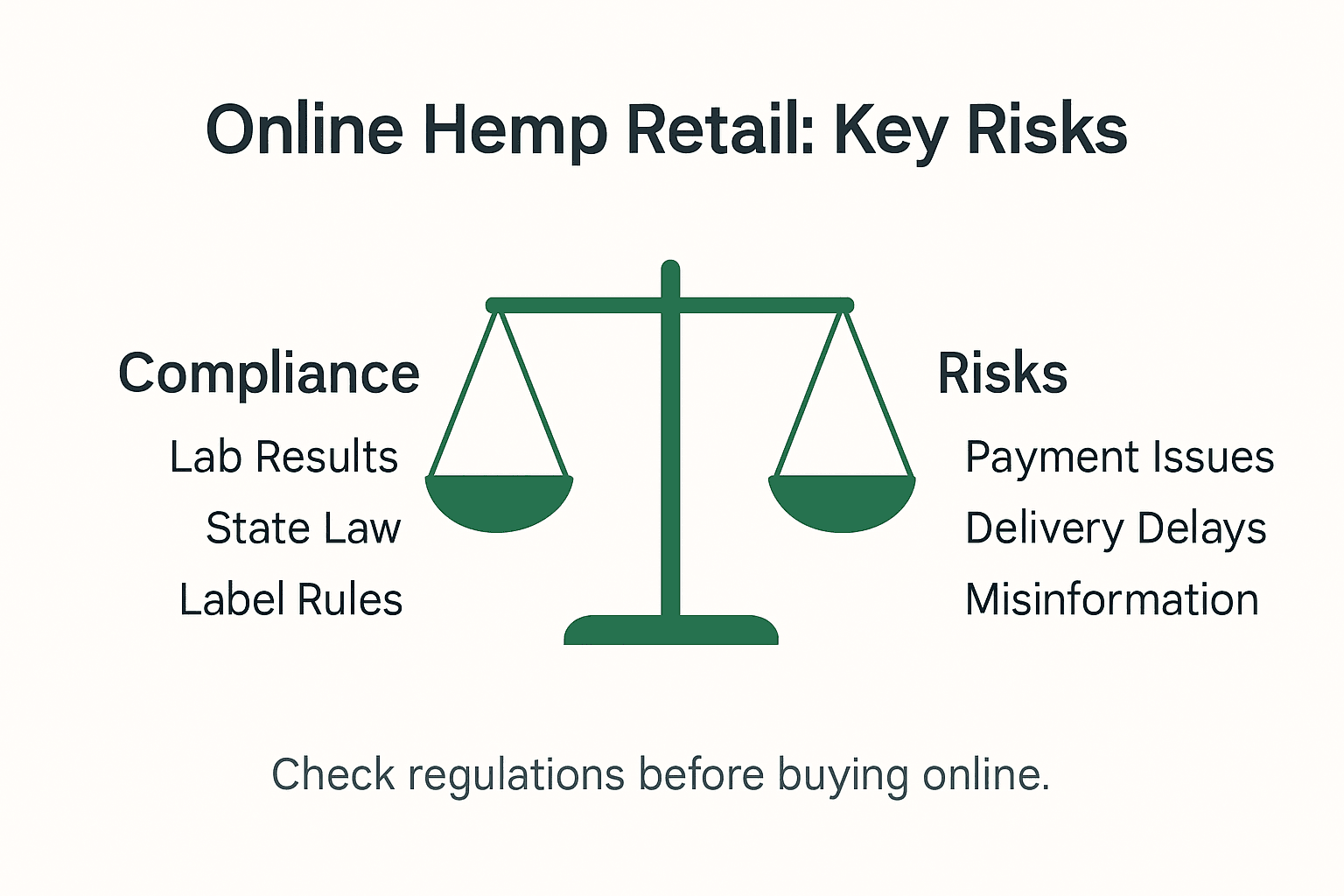
This table highlights major compliance risks for hemp e-commerce operations:
| Risk Area | Description | Potential Impact |
|---|---|---|
| Varying State Laws | Different regulations by state | Limited sales or shipping bans |
| Product Classification | Unclear definitions across jurisdictions | Risk of product removal |
| Quality Control | Inconsistent standards and lab testing | Consumer distrust, recalls |
| Financial Restrictions | Difficulty accessing payment processors | Limited payment options |
The hemp market’s maturation requires sophisticated approaches to compliance and risk mitigation. Companies must invest in legal expertise, develop comprehensive monitoring systems, and create transparent communication channels that help consumers understand product origins, testing protocols, and potential wellness benefits. Building trust through education and accountability becomes a critical competitive advantage in this dynamic marketplace.
Pro tip: Prioritize working with hemp e-commerce platforms that provide comprehensive third-party lab testing results and clear, transparent product documentation to minimize your personal risk.
Discover Trusted Hemp Wellness Products with Confidence
Navigating the complex world of hemp e-commerce can be challenging. The article highlights key issues such as regulatory uncertainty, product transparency, and the need for reliable third-party lab testing. At 23rd State, we understand these concerns and provide solutions that empower you to make informed decisions while exploring quality hemp products. Whether you seek wellness support or lifestyle enhancement our curated collections like CBD and CBG offer a wide range of tested, handcrafted options designed to meet your specific needs.
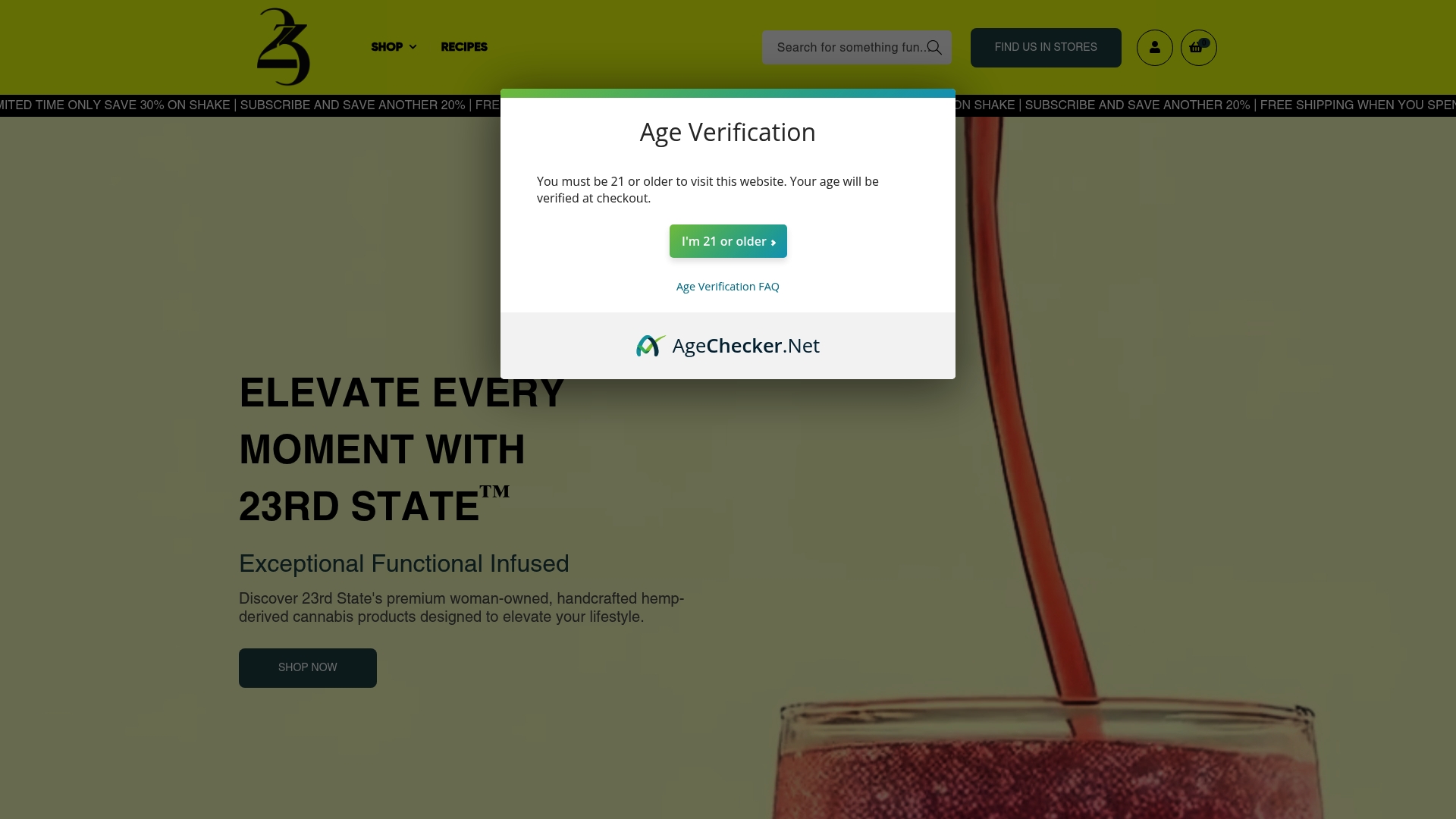
Take control of your hemp experience today by choosing a trusted platform that prioritizes transparency and compliance. Visit 23rd State now to explore premium hemp-derived products backed by thorough lab testing and discover exclusive offers that make wellness accessible. Don’t wait to elevate your routine with safe and effective hemp solutions from sources you can trust.
Frequently Asked Questions
What are the benefits of purchasing hemp products online?
Purchasing hemp products online offers benefits such as comprehensive product information, availability of third-party lab testing results, user reviews, and the convenience of home delivery. Consumers can also access niche products that may not be available locally.
How can I ensure the quality of hemp products when buying online?
To ensure quality, always verify third-party lab testing results, check for ingredient transparency, and review user ratings and feedback. This comprehensive approach helps you make informed purchasing decisions regarding hemp products.
What are the primary categories of hemp products available through e-commerce?
The primary categories of hemp products available online include CBD hemp oils, nutritional hemp seeds, hemp-based food and beverages, personal care products, hemp fiber textiles, and pharmaceutical-grade hemp extracts, each targeting specific wellness needs.
How does e-commerce affect the accessibility of hemp wellness products?
E-commerce significantly enhances accessibility by eliminating traditional retail barriers. It allows consumers to explore extensive product selections, including specialized items, while also enabling small and large producers to connect directly with buyers nationwide.
