

TL;DR:
- A CBD wellness checklist helps individuals choose quality products, build consistent routines, and time intake effectively. It emphasizes verifying batch-specific lab results, choosing proper extraction methods, and calculating cost per milligram for trustworthy use. Consistent daily dosing aligned with the body’s rhythms, combined with safe habits like sleep hygiene and movement, enhances overall wellness and efficacy.
A CBD wellness checklist is a structured personal tool that helps you select quality products, build consistent dosing habits, and time your intake for real results. Without one, most adults cycle through products randomly and never give CBD a fair shot. The good news: a clear checklist built around product quality verification, batch-specific Certificates of Analysis (CoAs), and biology-informed timing turns guesswork into a routine you can actually feel. This guide walks you through every item worth putting on yours.
1. What product quality criteria should be on your CBD wellness checklist?
Product quality is the foundation of any CBD health checklist. A product that looks premium on the outside can still be underdosed, contaminated, or misleadingly labeled.
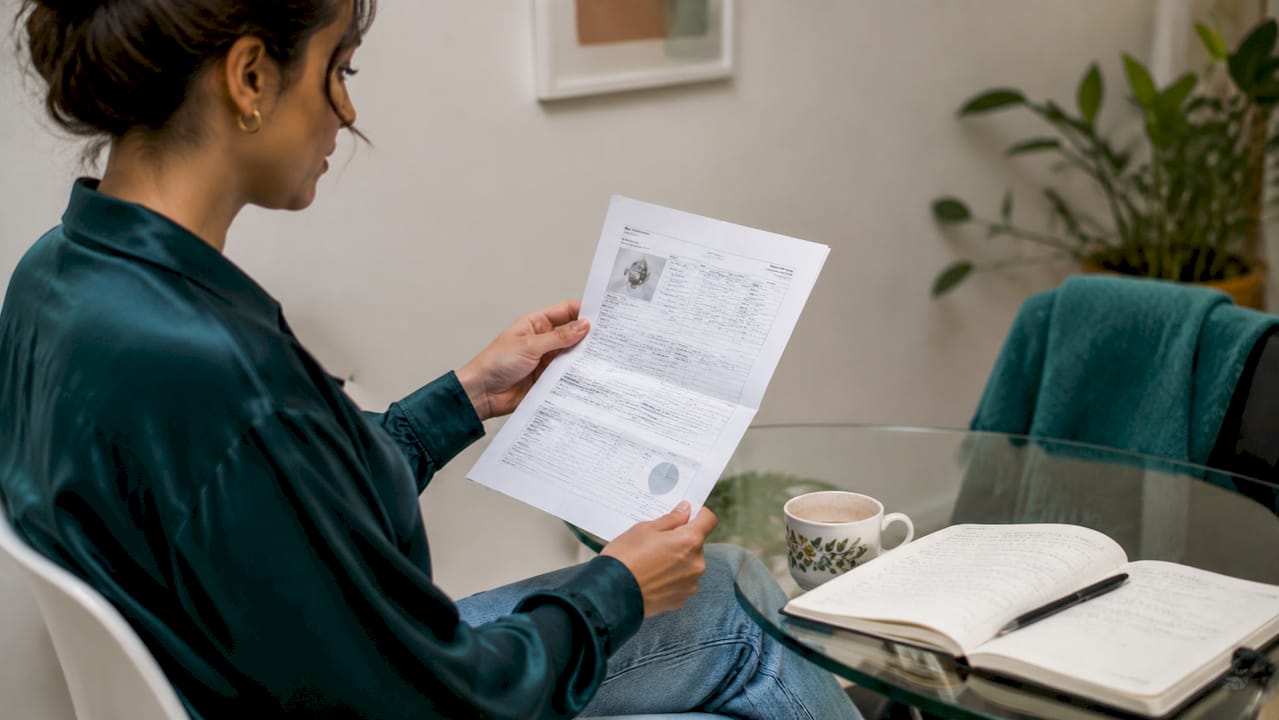
Batch-specific third-party lab results (CoAs) are the primary quality marker. Batch-specific CoAs from independent labs verify that the actual CBD concentration matches what the label claims and confirm the absence of pesticides, heavy metals, and residual solvents. As of 2026, this is the non-negotiable quality standard. If a brand cannot produce a current CoA for the exact batch you are buying, skip it.
Extraction method matters. CO2 extraction is the preferred method for clean CBD extracts. It preserves cannabinoids precisely and leaves no residual solvents behind. Most reputable brands use supercritical CO2 extraction, and they say so clearly on their website or packaging.
Know your spectrum. Full-spectrum CBD contains trace THC and other cannabinoids that work together in what researchers call the “entourage effect.” Broad-spectrum removes THC while keeping other cannabinoids. Isolate is pure CBD with nothing else. Your choice depends on your goals and your sensitivity to THC.
Calculate cost per milligram. Cost per mg of CBD is the only honest way to compare products. Divide the total price by the total milligrams of CBD in the package. A $60 bottle with 1,500 mg costs $0.04 per mg. A $40 bottle with 300 mg costs $0.13 per mg. The cheaper bottle is actually three times more expensive per dose.
| Quality Criteria | What to Look For |
|---|---|
| Lab testing | Batch-specific CoA from an independent, accredited lab |
| Extraction method | Supercritical CO2 preferred |
| Cannabinoid spectrum | Full-spectrum, broad-spectrum, or isolate based on your goals |
| Cost efficiency | Calculate price per mg, not price per bottle |
| Label accuracy | CBD concentration must match CoA results |
Pro Tip: Ask the brand directly for the CoA that matches the lot number printed on your product. Legitimate brands respond quickly. Slow or vague responses are a red flag.
2. How to build consistent and personalized CBD dosing habits for wellness
Consistent daily dosing builds therapeutic benefits far better than sporadic use. Think of CBD the way you think about a daily vitamin: the cumulative effect is the point, not any single dose.
The most common beginner mistake is dose-chasing. That is when you increase your CBD amount too quickly after not feeling immediate effects. Dose-chasing makes it nearly impossible to identify your minimum effective dose. It also wastes product and money.
Follow these steps to build a dosing habit that actually works:
- Start low. Begin with 10–25 mg of CBD per day, depending on your body weight and sensitivity. This gives your endocannabinoid system (ECS) time to respond without overwhelming it.
- Hold your dose for at least one week. Resist the urge to increase after two or three days. Your ECS needs time to register the change.
- Adjust in small increments. If you feel no effect after seven days, increase by 5–10 mg. Repeat the hold period before adjusting again.
- Track everything. Write down your dose, the time you took it, what you ate beforehand, and how you felt two hours later. A simple notes app works fine.
- Identify your minimum effective dose. The goal is the lowest dose that produces your desired effect, not the highest you can tolerate.
Consistent daily use produces noticeable sleep quality improvements within 1–2 weeks and stress resilience within 4–6 weeks. That timeline only works if you stay consistent. Missing days resets your progress more than most people realize.
Pro Tip: Keep a dedicated CBD journal for the first 30 days. Note your mood, sleep quality, and stress level each morning. Patterns become obvious fast, and you will know exactly when your routine is working.
3. What timing strategies optimize CBD’s interaction with your body’s natural rhythms?
The endocannabinoid system has a natural daily rhythm, and taking CBD at consistent times supports building stable ECS tone better than irregular timing. Timing is as critical as dosage. Here is how to structure your CBD wellness plan across the day.
- Morning (baseline support): A morning dose of CBD, taken with breakfast, builds your foundational ECS tone. This is not about feeling a buzz. It is about steady, cumulative support for mood and focus throughout the day.
- Afternoon (situational calm): A sublingual tincture taken under the tongue works within 15–45 minutes, making it ideal for pre-meeting nerves or a stressful afternoon. Keep a small bottle in your bag for these moments.
- Evening (relaxation and sleep transition): An evening dose taken 60–90 minutes before bed supports the wind-down process. Gummies or capsules work well here because their slower onset aligns with your natural sleep preparation window.
- With food: Taking CBD with a fat-containing meal improves absorption. Avocado, olive oil, or even a handful of nuts alongside your dose makes a real difference in bioavailability.
The ECS does not respond well to on-demand, acute CBD use. It requires gradual tone-building over several weeks to produce meaningful wellness effects. Treating CBD like a daily ritual, not a rescue remedy, is what separates people who feel results from those who give up after two weeks.
For a deeper look at structuring your day around cannabis wellness, the cannabis wellness routines guide at 23rd State breaks down morning, afternoon, and evening formats with specific product suggestions.
4. How to safely integrate CBD with other wellness habits
CBD works best as part of a broader self-care practice, not as a standalone fix. Pairing it with complementary habits amplifies the effect of both.
- Adaptogens: Ashwagandha and rhodiola are well-studied adaptogens that support stress response. Many adults find that combining a morning CBD dose with an adaptogen supplement creates a noticeably calmer baseline.
- Sleep hygiene: CBD supports relaxation, but it works better when paired with consistent sleep and wake times, a dark room, and no screens for 30 minutes before bed.
- Breathwork and movement: Even 10 minutes of diaphragmatic breathing or a short walk after your CBD dose can amplify the calming effect. The ECS responds positively to physical activity.
Safety comes first on any CBD lifestyle checklist. CBD is generally well-tolerated, with mild side effects like dry mouth or mild drowsiness in some adults. The more important caution is drug interactions. CBD can interact with medications metabolized by the liver, including blood thinners and certain antidepressants. Consult your healthcare provider before starting CBD if you take any prescription medications.
The FDA approves CBD only for specific epilepsy treatments. General wellness uses lack broad regulatory backing, and results vary by individual. That means any brand claiming CBD “cures” or “treats” a condition is making an illegal health claim. Stick to brands that communicate benefits honestly and point you to their lab results instead of miracle promises.
Hemp-derived CBD products are federally legal in the United States under the 2018 Farm Bill, but state regulations vary. Check your local laws before purchasing, especially for products that contain any THC.
5. What formats and product forms should be on your CBD wellness checklist?
Choosing the right format is a practical part of any CBD wellness guide. The format you pick determines how fast you feel effects, how long they last, and how easy the product fits into your day.
- Sublingual tinctures: Onset in 15–45 minutes. Best for situational relief or when you need a predictable, fast response. Place drops under your tongue and hold for 60 seconds before swallowing.
- Gummies and capsules: Onset in 30–120 minutes. Best for evening routines or sustained daily support. Easy to dose consistently because each piece contains a fixed amount.
- Topicals: Localized effect with minimal systemic absorption. Best for muscle soreness or skin-focused self-care. Do not expect a topical to affect your mood or sleep.
- Inhalation (vape or flower): Fastest onset, shortest duration. Not ideal for wellness routines focused on sustained daily support.
- Cannabis beverages: Onset similar to edibles, but often faster due to nanoemulsion technology. A great social format that fits naturally into Friday wind-downs, brunches, or celebrations.
| Format | Onset Time | Best Use Case |
|---|---|---|
| Sublingual tincture | 15–45 minutes | Situational calm, fast relief |
| Gummies or capsules | 30–120 minutes | Daily routine, sleep support |
| Topical | 15–30 minutes (local) | Muscle soreness, skin care |
| Cannabis beverage | 20–60 minutes | Social settings, relaxed evenings |
Products with adjustable or clearly labeled doses give you the most control. Avoid any format where the CBD content per serving is vague or unlisted. Transparency in dosing is a direct reflection of brand quality.
For personalized dosing guidance matched to your format of choice, the hemp CBD dosing guide at 23rd State is a practical next read.
Key takeaways
A successful CBD wellness checklist combines verified product quality, consistent daily dosing, biology-aligned timing, and safe integration with complementary habits to produce real, sustainable results.
| Point | Details |
|---|---|
| Verify product quality | Always request a batch-specific CoA from an independent lab before buying. |
| Dose consistently | Start at 10–25 mg daily and hold each dose for at least one week before adjusting. |
| Time your intake | Morning for baseline support, afternoon for situational calm, evening for sleep. |
| Calculate cost per mg | Divide total price by total mg of CBD to find the true value of any product. |
| Pair with wellness habits | Combine CBD with adaptogens, sleep hygiene, and movement for stronger results. |
Why a checklist changed how I think about CBD
Most adults approach CBD the same way they approach a new supplement: buy something that looks good, try it for a few days, and decide it does not work. That cycle repeats until they give up entirely. The checklist approach breaks that pattern because it forces patience and specificity at every step.
What I find most interesting is how much the ECS rewards routine. It is not a system that responds to urgency. It responds to consistency, the way a garden responds to regular watering rather than a single flood. Adults who treat their CBD routine like a daily ritual, with the same product, the same dose, and the same timing, report results that feel almost unremarkable because they become the new normal. That is exactly the point.
The checklist also takes the anxiety out of product selection. When you know what to look for, a CoA becomes a quick two-minute check rather than an intimidating document. Calculating cost per mg takes 30 seconds. These small habits add up to real confidence, and confident adults stick with their routines long enough to feel the results.
Celebrate the small wins. Sleeping a little better after two weeks is worth noticing. Feeling less reactive on a stressful Tuesday is worth writing down. CBD wellness is not a dramatic transformation. It is a quiet, joyful upgrade to your daily life, and a good checklist is what makes it stick.
— Leah Kollross, founder, 23rd State
23rd State’s CITRA STASH: a checklist-ready pick
Ready to put your CBD wellness plan into practice with a product that checks every box?
23rd State’s CITRA STASH is built for adults who want quality, clarity, and a little brightness in their routine. It delivers a clean, citrus-forward experience with transparent dosing and the kind of craftsmanship that makes your checklist easy to fill out. 23rd State publishes lab results, lists cannabinoid content clearly, and keeps the ingredient list honest. Whether you are new to hemp-derived products or refining a routine you already love, CITRA STASH fits naturally into morning rituals, afternoon resets, and laid-back evening wind-downs. See the full product details and order CITRA STASH directly from 23rd State.
FAQ
What is a CBD wellness checklist?
A CBD wellness checklist is a personal reference tool covering product quality verification, dosing strategy, timing, and safety precautions. It helps adults build a consistent, effective CBD routine from the start.
How long does it take for CBD to produce wellness effects?
Consistent daily use produces noticeable sleep improvements within 1–2 weeks and stress resilience within 4–6 weeks. Results require daily consistency, not occasional use.
What is the best starting dose for CBD wellness?
Most adults start with 10–25 mg of CBD per day and hold that dose for at least one week before adjusting. Starting low and adjusting slowly prevents dose-chasing, the most common beginner mistake.
How do I know if a CBD product is high quality?
Request a batch-specific Certificate of Analysis from an independent lab. The CoA should confirm CBD concentration, confirm the absence of contaminants, and match the lot number on your product.
Can I take CBD with other medications?
CBD can interact with medications metabolized by the liver. Always consult your healthcare provider before adding CBD to your routine if you take any prescription medications.
