

TL;DR:
- Cannabinoids modulate inflammation, pain, and neuroprotection via the body’s endocannabinoid system.
- CBD promotes tissue repair, reduces inflammation, and supports neural recovery without psychoactive effects.
- Personalized use and lifestyle integration are key for effective cannabinoid-based recovery strategies.
Most people still picture cannabinoids as purely recreational. That image is shifting fast. Cannabinoids, via CB1 and CB2 receptors, modulate inflammation, neuroprotection, and pain pathways in ways that have real clinical weight. From muscle repair to neurological healing to substance use support, the science is pointing toward a much bigger story. This article breaks down exactly how major and minor cannabinoids contribute to recovery and overall wellness, with practical insights you can actually use.
Table of Contents
- Understanding cannabinoids and the endocannabinoid system
- Anti-inflammatory and regenerative properties of CBD
- Cannabinoids in managing pain and neurological recovery
- Support for substance use recovery and holistic wellness
- Our perspective: The nuanced path to recovery and wellness with cannabinoids
- Explore evidence-based wellness with 23rd State
- Frequently asked questions
Key Takeaways
| Point | Details |
|---|---|
| Cannabinoids aid healing | Cannabinoids like CBD and CB2 agonists actively reduce inflammation and support tissue recovery. |
| Pain and neurological support | Evidence shows clinical benefits for chronic pain and neurological injury with both CBD and THC. |
| Wellness and substance use | Cannabinoids help manage cravings and boost overall wellness, though outcomes vary by person. |
| Personalization is crucial | Combining personalized cannabinoid regimens with lifestyle changes drives the best recovery results. |
| Safety requires awareness | Risks exist mainly with high-THC use; non-psychoactive options like CBD are generally safe. |
Understanding cannabinoids and the endocannabinoid system
With the purpose now clear, let’s build your foundational knowledge. Your body already runs a built-in cannabinoid network called the endocannabinoid system, or ECS. It regulates pain, inflammation, mood, sleep, and recovery at a cellular level. Think of it as your body’s internal thermostat, always working to keep things balanced.
The ECS operates through two primary receptors. CB1 receptors are concentrated in the brain and nervous system, influencing pain perception and mood. CB2 receptors are found mostly in immune tissues and play a major role in controlling inflammation and tissue repair. When you introduce cannabinoids, whether from hemp or cannabis, they interact with these receptors to support healing.
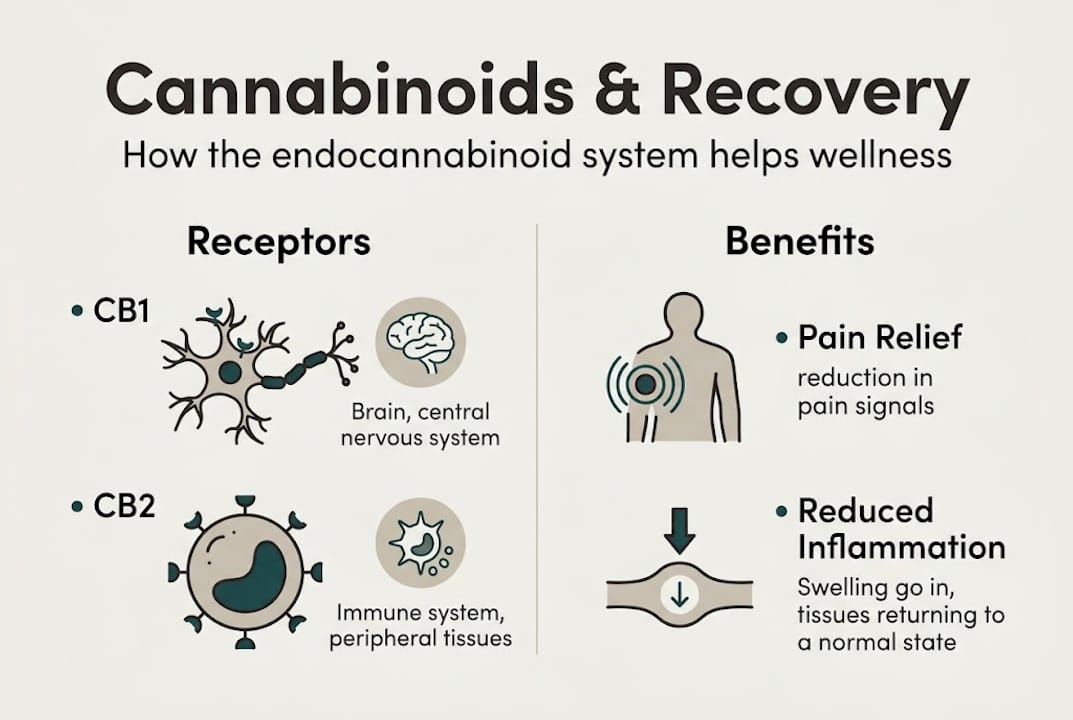
Endocannabinoids produced on-demand regulate homeostasis, and when the ECS is disrupted, it’s linked to chronic disease, persistent pain, and slower recovery. Supporting the ECS through cannabinoids is one of the most promising areas in modern wellness science.
Here’s a quick look at the most common cannabinoids and their primary recovery roles:
| Cannabinoid | Psychoactive? | Primary recovery role |
|---|---|---|
| THC | Yes | Pain relief, appetite, sleep |
| CBD | No | Anti-inflammation, neuroprotection |
| CBG | No | Antibacterial, neuroprotective |
| CBN | Mildly | Sleep support, sedation |
Key things to know about how cannabinoids work in recovery:
- They reduce pro-inflammatory cytokines that slow healing
- They protect neural tissue from oxidative stress
- They modulate pain signals without the risks tied to opioids
- They support sleep quality, which is critical for physical repair
Understanding hemp-derived cannabinoids gives you a real edge when choosing products that align with your recovery goals.
Anti-inflammatory and regenerative properties of CBD
Now that you understand how cannabinoids interact with your body, let’s explore how CBD in particular accelerates recovery. CBD is non-psychoactive, meaning you get the therapeutic benefits without any high. That makes it one of the most accessible tools in a wellness-focused lifestyle.
“CBD exhibits anti-inflammatory, antioxidant, and regenerative properties aiding neural and bone tissue recovery.”
What does that look like in practice? When you experience a sprain, strain, or soft tissue injury, your body floods the area with inflammatory signals. That inflammation is necessary at first, but when it lingers, it slows healing. CBD steps in by suppressing excess inflammatory response and reducing reactive oxygen species, the unstable molecules that damage cells during recovery.
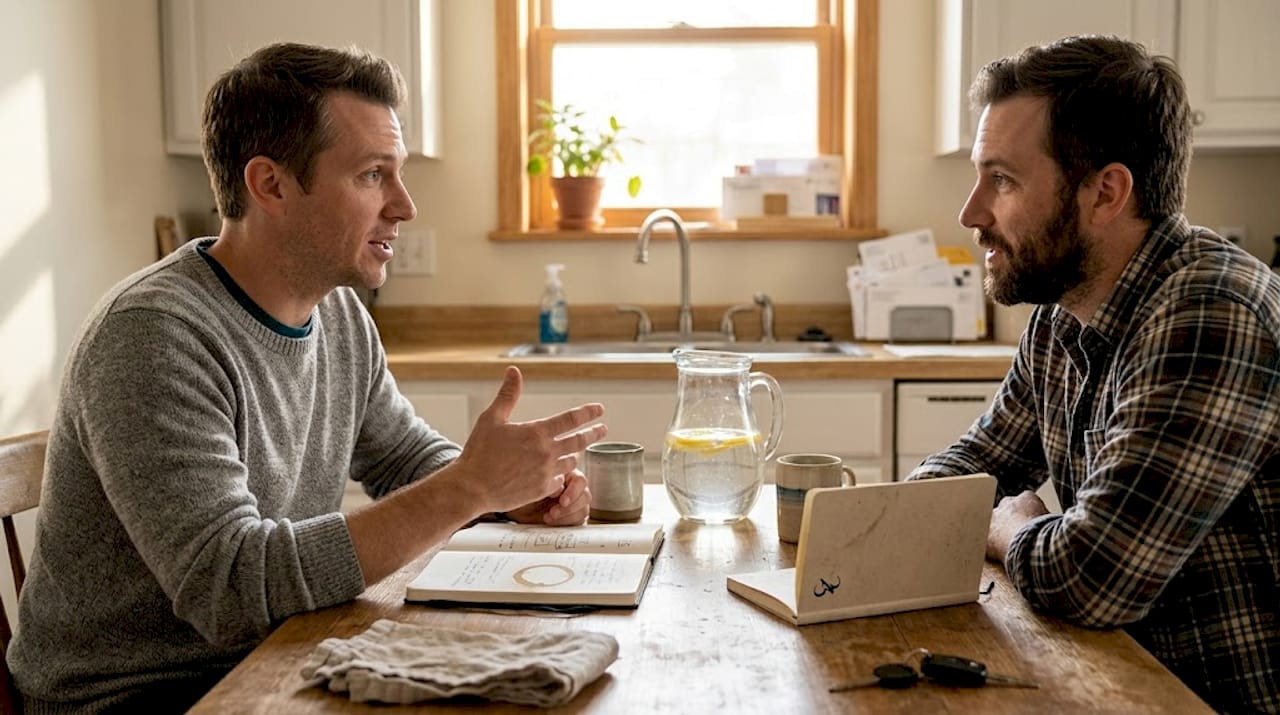
Research on CBD and wound healing shows it accelerates soft tissue repair through anti-inflammatory pathways and ROS reduction, with strong preclinical evidence and ongoing clinical trials.
Here’s where CBD shines in recovery contexts:
- Muscle recovery: Reduces delayed onset soreness and speeds tissue repair after intense exercise
- Nerve injuries: Supports neural regeneration and reduces neuropathic pain signals
- Bone healing: Early research suggests CBD may improve bone density and fracture repair
- Chronic inflammation: Helps manage ongoing conditions like arthritis without psychoactive effects
Pro Tip: If you’re using CBD for CBD for relaxation or recovery, consistency matters more than dose size. A steady daily routine tends to outperform sporadic high doses.
Clinical trials are still catching up to the preclinical excitement, but the trajectory is clear. CBD’s regenerative profile makes it one of the most versatile cannabinoids for anyone serious about recovery and wellness.
Cannabinoids in managing pain and neurological recovery
Healing is not just about tissues. Effective recovery includes pain management and neural function. This is where cannabinoids get genuinely exciting, and where the clinical data starts to stack up.
In a recent phase 3 trial, VER-01 reduced pain scores by 1.9 points on the NRS versus placebo in chronic lower back pain (p<0.001), and improved sensory impairment in chemotherapy-induced peripheral neuropathy by 10.4 points (p=0.044). Those are meaningful numbers for people who have tried everything else.
For neurological recovery specifically, CB2 receptor activation is one of the most promising targets. CB2 activation in TBI and MS promotes remyelination, reduces neuroinflammation, and shows motor and cognitive improvements in preclinical models.
Read my story about how my MS journey lead me to build 23rd State.
Here’s a practical comparison of cannabinoids for pain and recovery:
| Cannabinoid | Best for | Psychoactive? | Evidence level |
|---|---|---|---|
| THC | Acute pain, sleep disruption | Yes | Strong clinical |
| CBD | Neuropathic pain, inflammation | No | Strong preclinical, growing clinical |
| Full-spectrum | Chronic pain, complex conditions | Trace THC | Superior in benchmarks |
Steps to think through when choosing cannabinoids for pain:
- Identify your pain type (acute vs. chronic, neuropathic vs. inflammatory)
- Consider your sensitivity to psychoactive effects
- Review the difference between THC vs. CBD and how each fits your lifestyle
- Start low, track your response, and adjust gradually
- Consult a healthcare provider if you’re managing a diagnosed neurological condition
For a broader picture of how cannabinoids fit into modern wellness, cannabis education facts offer a solid foundation. The key takeaway here is that cannabinoids are not a one-size-fits-all solution, but matched thoughtfully to your needs, they can make a real difference.
Support for substance use recovery and holistic wellness
Beyond physical health, cannabinoids offer holistic support for wellness, including substance use recovery. This is one of the most nuanced and hopeful areas in current research.
CBD has shown real promise for people navigating alcohol use disorder (AUD) and opioid use disorder (OUD). CBD reduces alcohol intake with a standardized mean difference of 0.70 in preclinical studies, and lowers cravings and anxiety during withdrawal. Results for full abstinence are mixed, but the quality of life improvements are consistent.
For broader wellness, cannabinoids improve health-related quality of life short-term (Cohen’s d=0.30 in RCTs), support better sleep, and reduce opioid reliance. CB2 agonists and FAAH inhibitors are emerging as especially useful for non-psychoactive recovery support.
Here’s how cannabinoids fit into a holistic recovery lifestyle:
- Sleep: CBN and CBD both support deeper, more restorative sleep cycles
- Anxiety reduction: CBD calms the nervous system without sedation or dependency risk
- Opioid reduction: Cannabinoids may help lower opioid dosage needs during pain management
- Mood stabilization: Regular ECS support can smooth out emotional highs and lows
Pro Tip: Therapeutic synergy between CBD and THC is real. Full-spectrum extracts tend to outperform isolates in pain benchmarks, and lifestyle factors like diet and exercise actively enhance ECS function.
Minor cannabinoids like CBG and CBN are worth exploring too. Learn more about minor cannabinoids CBG and CBN and how they add unique layers to a recovery-focused routine.
Combining cannabinoids with intentional lifestyle choices, nutrition, movement, and stress management, creates a recovery ecosystem that’s genuinely more effective than any single approach. Explore cannabis for wellness and holistic cannabis outcomes to see how others are building this into their daily lives.
Our perspective: The nuanced path to recovery and wellness with cannabinoids
Here’s the honest take: cannabinoids are not a magic fix, and treating them like one is where most people go wrong. The clinical promise is real, but the results depend heavily on context, the cannabinoid you choose, how you use it, and what else you’re doing to support your body.
Personalization is everything. What works brilliantly for neuropathic pain may do little for acute muscle soreness. What helps one person sleep may leave another feeling groggy. CB2-mediated anti-inflammation and CB1 modulation of neurotransmission are distinct mechanisms, and so are the risks. High-THC products carry real psychosis risk for certain individuals, while CBD remains non-psychoactive with an excellent safety profile.
The best outcomes we see come from people who pair cannabinoid use with real lifestyle change and expert guidance. They’re not replacing therapy or medication; they’re adding a smart, intentional layer to their recovery. Check out THC safety and effects before diving into higher-potency products, especially if you’re new to the space. Informed use is always the most effective use.
Explore evidence-based wellness with 23rd State
Ready to take the next step in your own recovery or wellness with cannabinoids? The science is clear that intentional, informed use makes all the difference. Whether you’re curious about CBD for inflammation, exploring minor cannabinoids like CBG and CBN, or looking for full-spectrum options that match your lifestyle, having the right resources matters.
At 23rd State, we bring together premium hemp-derived products and education so you can make choices that actually align with your wellness goals. From handcrafted infused products to curated guides, everything is designed to support your journey. Discover more with 23rd State and find the cannabinoid approach that fits your life, your body, and your recovery rhythm.
Frequently asked questions
Which cannabinoids are best for inflammation and pain recovery?
CBD’s anti-inflammatory and antioxidant properties make it a top choice for tissue recovery, while full-spectrum extracts consistently outperform isolates in pain benchmarks thanks to the entourage effect.
How do cannabinoids support recovery from substance use disorders?
CBD lowers cravings and anxiety during withdrawal in both alcohol and opioid use disorders, though results for full abstinence vary by individual and context.
Can lifestyle changes enhance cannabinoid-based recovery?
Absolutely. Diet and exercise enhance ECS function, making cannabinoid therapy more effective when paired with consistent healthy habits.
Are there risks to using cannabinoids in recovery?
High-THC use raises psychosis risk in vulnerable individuals, so it’s worth starting with CBD or low-THC products and working with a healthcare provider when managing serious conditions.
