

TL;DR:
- Not all hemp products are created equal; organic hemp offers superior nutrition and environmental benefits. Organic farming produces cleaner, nutrient-dense hemp while supporting soil health and reducing carbon emissions. However, third-party testing remains essential to ensure safety regardless of certification.
Not all hemp is created equal. Walk into any wellness shop or scroll through your favorite online store, and you’ll find hemp products everywhere — seeds, oils, beverages, supplements. But here’s what most labels won’t tell you: the way hemp is grown makes an enormous difference in what ends up in your body and what it does to the earth. Understanding why organic hemp matters isn’t just a consumer trivia question. It’s the kind of knowledge that changes how you shop, what you feel, and how lightly you tread on this planet.
Table of Contents
- Key takeaways
- Organic hemp and your wellness routine
- Why organic hemp is sustainable
- Safety, certification, and what to look for
- Organic hemp vs conventional hemp
- How to add organic hemp to your daily life
- My honest take on organic hemp
- Try it yourself with 23state
- FAQ
Key takeaways
| Point | Details |
|---|---|
| Organic hemp boosts nutrition | Hemp seeds are a complete protein with all nine essential amino acids and an ideal omega-6 to omega-3 ratio. |
| Organic farming protects the earth | Hemp naturally suppresses weeds and sequesters CO2, making it one of the most eco-friendly crops available. |
| Certification has real limits | Organic labeling alone does not guarantee safety; third-party lab testing is still a must. |
| Organic outperforms conventional | Organic hemp skips toxic pesticides and herbicides, delivering cleaner, more nutrient-dense products than conventional alternatives. |
| You can celebrate with confidence | Knowing what’s in your hemp product means you can enjoy it as part of a joyful, intentional wellness routine. |
Organic hemp and your wellness routine
Let’s get straight to the good stuff. Hemp seeds are quietly one of the most nutritious foods you can add to your plate, and the organic version delivers that nutrition without chemical baggage. Hemp seeds contain all nine essential amino acids, making them a complete protein source. That’s rare in the plant world, and it matters whether you’re plant-based, protein-conscious, or just looking for something genuinely nourishing to sprinkle on your morning smoothie bowl.
The omega fatty acid profile is where organic hemp truly shines. Hemp seeds carry a near 3:1 ratio of omega-6 to omega-3 fatty acids, which nutrition researchers consider optimal for keeping inflammation in check. Most Western diets skew too heavily toward omega-6, which can fan the flames of chronic inflammation over time. Hemp helps rebalance that equation without requiring a complete dietary overhaul.
The organic hemp health benefits extend further when you factor in the full phytochemical profile. Full-spectrum hemp extracts contain cannabinoids, terpenes, and flavonoids that work together in what researchers call the entourage effect, potentially delivering richer wellness support than any single isolated compound could on its own. Think of it less like a single instrument and more like a whole band playing in sync.
Here’s a quick snapshot of what you’re getting when you reach for quality organic hemp:
- Complete protein with all essential amino acids for muscle repair and daily cellular function
- Balanced omega fatty acids to support a healthy inflammatory response
- Magnesium at meaningful levels (a 3-tablespoon serving can provide roughly 50% of your daily value, per ConsumerLab findings)
- Antioxidants and fiber to support gut health and immune function
- Zero psychoactive THC, so hemp seeds are safe for daily consumption with no intoxication risk
Pro Tip: Add two to three tablespoons of organic hemp seeds to your oatmeal, salad, or yogurt each morning. It takes seconds and quietly upgrades the nutritional value of almost any meal.
You can also explore more on the hemp wellness benefits that organic hemp supports as part of an everyday routine.
Why organic hemp is sustainable
Here’s a fact that tends to surprise people: hemp might be the most naturally low-maintenance crop on the planet. And when it’s grown organically, the environmental advantages stack up fast.
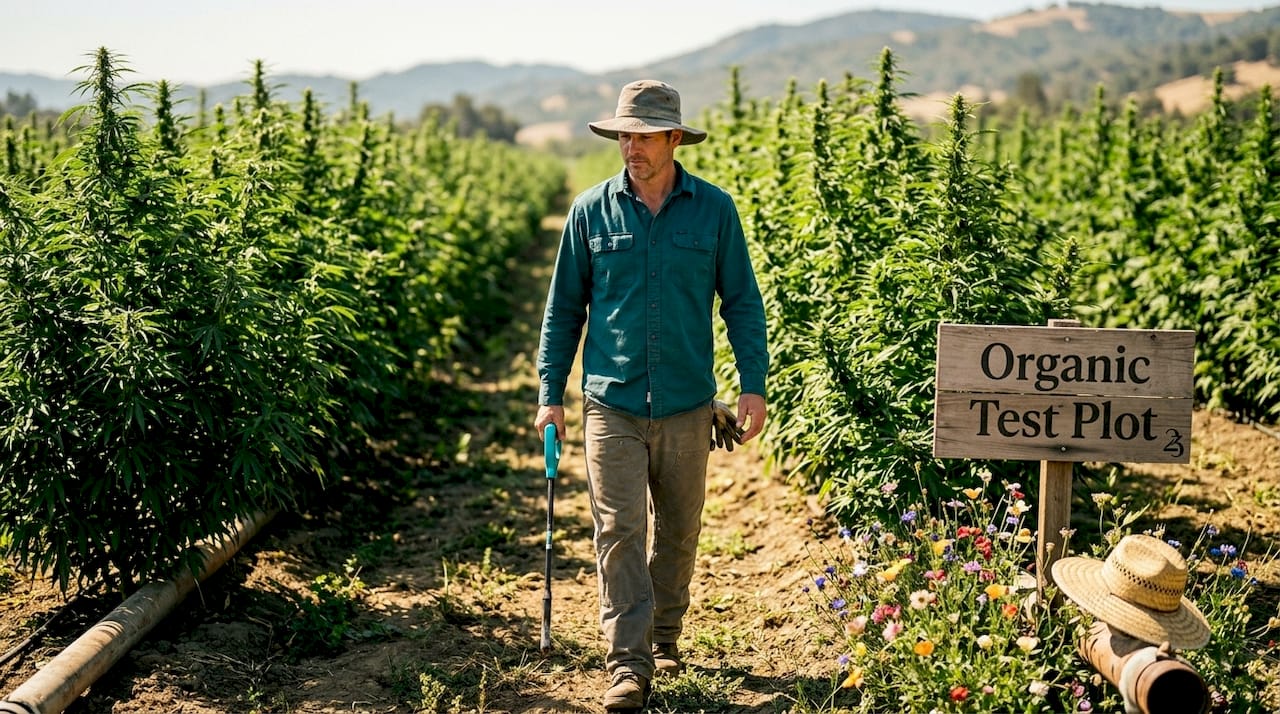
Hemp grows fast, produces significant biomass, and absorbs large amounts of CO2 from the atmosphere during its growth cycle. That makes it a genuine carbon sink, pulling greenhouse gases out of the air while it grows. Some researchers even point out that using hemp in products like hempcrete, bioplastics, and textiles can lock that captured carbon in place long-term, turning hemp fields into climate solutions rather than just crops.
Organic hemp farming also protects what’s underground. Conventional agriculture can strip soil of nutrients, introduce synthetic chemicals, and contribute to erosion and water runoff. Hemp farming, by contrast, improves soil quality, prevents erosion, and requires minimal pesticides, making it a near-ideal crop for regenerative agriculture.
Then there’s hemp’s almost magical ability to clean up contaminated land. Hemp is a phytoremediator, meaning it can pull heavy metals and toxins from polluted soil through its root system. Farmers in post-industrial regions have literally used hemp fields to rehabilitate damaged land.
“A growing movement supports organic hemp farming for sustainable industrial applications across Europe and beyond, with industries increasingly prioritizing hemp for environmental health and biodiversity.” — Hemp Gazette
One of the most underrated advantages is weed suppression. Hemp’s fast growth and dense foliage naturally suppress weeds, reducing the herbicide inputs required during cultivation. For organic farms, that means keeping the chemical slate clean from seed to harvest without sacrificing crop quality. That’s why is organic hemp sustainable isn’t just a talking point. It’s backed by the biology of the plant itself.
Safety, certification, and what to look for
Organic certification is a meaningful signal, but it’s not the whole story. This is where a lot of well-intentioned shoppers get tripped up, and it’s worth getting into the details.
When a hemp product carries a USDA Organic seal, it means the crop was grown without synthetic pesticides, herbicides, or GMO seeds. That’s a solid foundation. But organic certification alone does not guarantee product safety. Post-harvest handling, storage, and processing can introduce contaminants that the growing certification never addresses.
ConsumerLab testing found that some hemp seed products contained mold at levels nearly 3 to 9 times beyond accepted spoilage limits. These were products sitting on store shelves with clean-sounding labels. That finding isn’t meant to scare you off hemp. It’s meant to make you a smarter shopper.
Here’s how to evaluate any organic hemp product before you buy:
- Check for third-party lab testing. Look for a brand that publishes Certificates of Analysis (COA) from independent labs, not just internal quality checks.
- Read the COA for contaminants. A good COA covers pesticides, heavy metals, microbial contamination, and cannabinoid potency.
- Verify the organic certification source. USDA Organic is the gold standard in the U.S. Be cautious of self-applied “natural” or “clean” labels with no certification body listed.
- Don’t equate price with purity. High price does not always equal higher safety in organic hemp products. Some expensive products have failed testing, while more modestly priced options have passed.
- Look for traceability. Trustworthy brands can tell you where their hemp was grown and how it was processed.
| What organic certification covers | What it does NOT cover |
|---|---|
| Pesticide-free cultivation | Post-harvest mold or contamination |
| Non-GMO seed sourcing | Processing facility conditions |
| Soil quality standards | Heavy metal accumulation from soil |
| No synthetic herbicides | Cannabinoid potency accuracy |
Pro Tip: Before buying any hemp product, search the brand name plus “COA” online. Transparent brands make these documents easy to find. If you can’t locate one within two minutes, that’s useful information.
You can also reference this guide on picking legal hemp safely to sharpen your shopping instincts.
Organic hemp vs conventional hemp
When people ask “is organic hemp worth it,” they’re really asking whether the difference in cost translates to a meaningful difference in what they’re getting. The short answer: yes, and in more ways than most people realize.
| Feature | Organic hemp | Conventional hemp |
|---|---|---|
| Pesticide use | None (certified) | Synthetic pesticides common |
| Herbicide use | None; weed suppression is natural | Herbicides often applied |
| Soil health | Regenerative, erosion-resistant | Can degrade over multiple growing cycles |
| Nutrient density | Generally higher due to healthier soil | Variable; may be lower |
| Environmental impact | Low carbon footprint, biodiversity-friendly | Higher chemical runoff risk |
| Consumer safety | Cleaner baseline, but COA still needed | Higher contamination risk from residues |
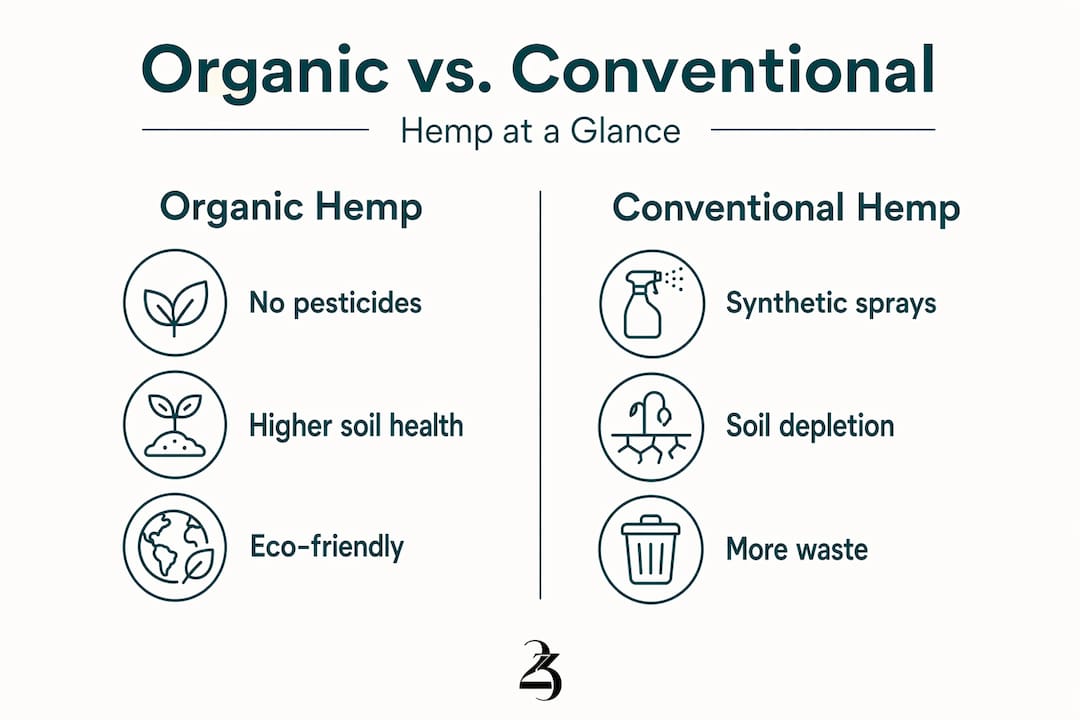
The advantages of organic hemp over conventional hemp aren’t just philosophical. Soil health directly influences the nutritional density of the crops grown in it. Plants pull their micronutrients from the ground, and chemically depleted soil yields nutritionally depleted plants. Organic cultivation, which builds and maintains soil through natural inputs, tends to produce hemp with a richer nutrient profile over time.
From an ethical standpoint, choosing organic hemp also sends a market signal. Industries focused on environmental health and biodiversity are increasingly demanding certified organic hemp as the standard, not the exception. Every purchase of organic hemp supports farming practices that prioritize the land for future generations.
How to add organic hemp to your daily life
Good news: working organic hemp into your routine doesn’t require a complete lifestyle reset. It’s actually one of the more flexible wellness ingredients out there.
- Sprinkle hemp seeds on everything. Oatmeal, avocado toast, salads, soups — hemp seeds have a mild, nutty flavor that pairs with almost anything.
- Use hemp seed oil as a finishing oil. Drizzle it over roasted vegetables or grain bowls. It has a low smoke point, so skip the sauté pan and use it cold or room-temperature.
- Try hemp-infused beverages. Whether you’re sober-curious or just looking for a chill evening wind-down, hemp-based drinks are a genuinely fun and intentional way to incorporate hemp into your self-care ritual.
- Store hemp seeds in the fridge. Their high fat content makes them prone to oxidation at room temperature. A sealed container in the fridge keeps them fresh and potent for months.
- Read the label for hemp content. Products vary wildly. Look for hemp seed oil or hemp extract listed as a primary ingredient, not a trace afterthought buried at the bottom of a long list.
Pro Tip: When shopping for hemp beverages, look for brands that list their hemp source and offer transparent lab results. That one extra step separates genuinely quality products from clever marketing.
Curious about how hemp seed oil specifically fits into all this? Check out the full breakdown of hemp seed oil nutrition to see how it compares to other oils in your pantry.
My honest take on organic hemp
I’ve watched the hemp space grow from a niche curiosity into a full-blown wellness category, and I’ll be straight with you: the noise around hemp can be exhausting. Every brand wants to tell you their product is the cleanest, the most natural, the most life-changing.
What I’ve actually learned is simpler. The importance of organic hemp comes down to two things: what goes into your body and what stays in the ground. When hemp is grown without synthetic inputs and processed with real transparency, you get a product that genuinely earns its place in your wellness routine. When it’s not, you’re paying for a label.
The part that excites me most right now is where organic hemp intersects with the cannabis beverage space. Hemp-derived THC drinks made with quality organic sourcing aren’t just a novelty. They’re a genuinely thoughtful way to enjoy a social or relaxing moment without the heavy calories of alcohol or the unpredictability of edibles. That combination of clean ingredients, intentional dosing, and real flavor? That’s where the category is going, and I’m here for it.
The future of organic hemp in wellness is bright. But only if consumers keep asking the right questions and brands keep answering them honestly.
— Leah Kollross, founder, 23rd State
Try it yourself with 23state
You’ve done the reading. Now here’s the fun part. At 23rd State, every product starts with the same commitment you just read about: quality sourcing, real transparency, and a genuine respect for what hemp can do when it’s grown and crafted right. Whether you’re reaching for a SHAKE for your Friday wind-down, a crisp FRESH PRESS for brunch with friends, or a rosy Blush Crush for something a little more celebratory, you’re getting hemp-infused beverages built for people who care about what’s in the can. Explore the full lineup and find your new go-to at 23state.com and taste what intentional hemp feels like.
FAQ
What does organic mean for hemp products?
Organic hemp is grown without synthetic pesticides, herbicides, or GMO seeds, using practices that protect soil health and reduce chemical runoff. The USDA Organic certification is the most recognized standard in the U.S.
Is organic hemp worth the extra cost?
Yes, for most consumers. Organic hemp typically delivers a cleaner nutritional profile and lower contamination risk, though you should still verify third-party lab results regardless of the price point.
Does organic hemp contain THC?
Hemp seeds contain no meaningful THC and carry no psychoactive risk, making them safe for daily use. Hemp-derived beverages and extracts may contain small, regulated amounts of THC depending on the product.
Why is organic hemp better for the environment?
Organic hemp farming improves soil quality, prevents erosion, and absorbs significant CO2 during growth, making it one of the most environmentally sound crops available without synthetic chemical inputs.
Can organic certification guarantee safety?
No. While organic certification sets important standards for how hemp is grown, third-party lab testing is still necessary to verify that the final product is free from mold, heavy metals, and other contaminants introduced after harvest.
