

TL;DR:
- A cannabis product selection workflow involves a structured process of evaluating potency, product type, cannabinoid ratios, and lab safety data to make confident choices.
- Utilizing tools like Certificates of Analysis and QR codes helps consumers verify product quality, freshness, and safety before purchase.
A cannabis product selection workflow is a structured, step-by-step decision process for choosing cannabis products that match your wellness goals or recreational vibe by evaluating potency, product type, cannabinoid ratios, and lab-tested safety data. Whether you’re winding down on a Friday with a cold hemp beverage or exploring the category for the first time, having a clear process turns a confusing dispensary menu into a confident, joyful choice. 23rd State’s lineup of hemp-derived beverages, including SHAKE, FRESH PRESS, and Blush Crush, makes a great benchmark for understanding how good product design supports smart selection. This guide walks you through every stage of the process so you can shop with clarity and celebrate with confidence.
What are the essential tools for a cannabis product selection workflow?
Before you pick a product, you need the right information in your hands. Think of this stage as gathering your ingredients before you cook. The cannabis category spans flower, tinctures, edibles, vapes, topicals, and beverages, and each format delivers cannabinoids differently, at different speeds, and with different intensities.
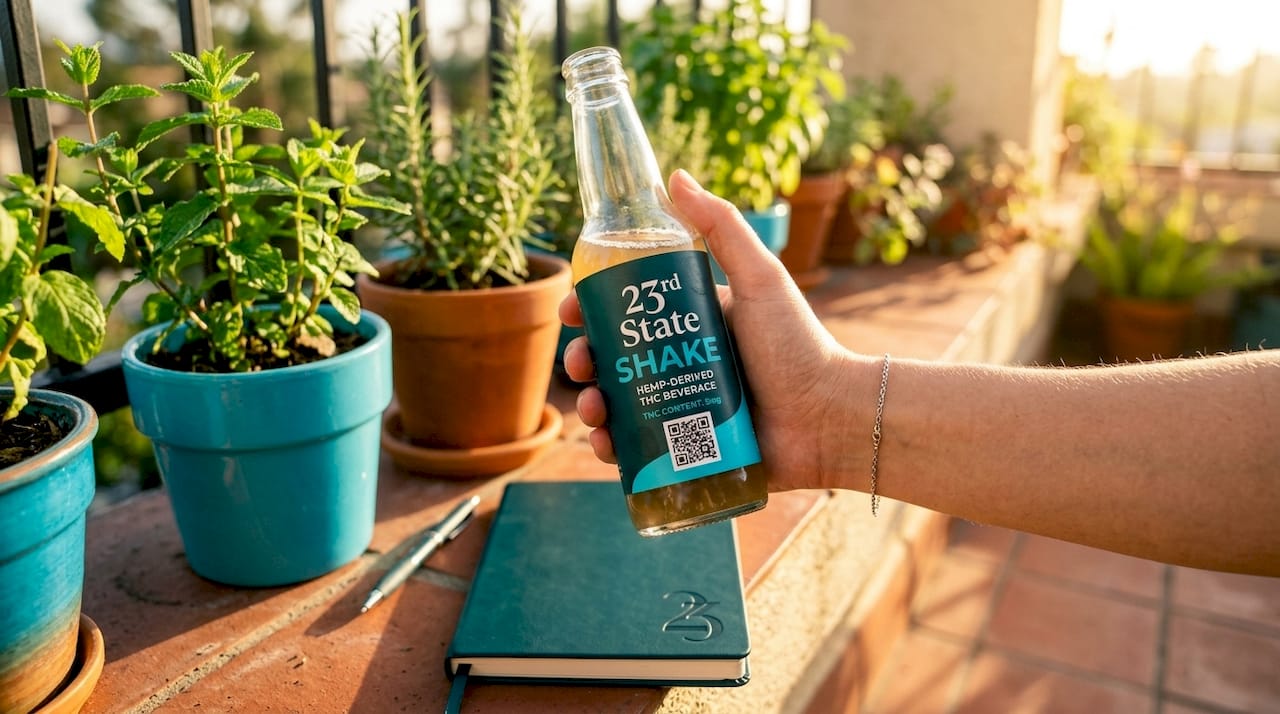
The two most important tools you can use are a Certificate of Analysis (COA) and the QR code printed on most modern cannabis labels. A COA is a lab report that confirms exactly what’s in the product: THC content, CBD content, terpene levels, and the absence of pesticides or heavy metals. Minnesota’s Office of Cannabis Management requires clear consumer-facing information on all packaging, which means reputable brands publish this data openly. If a product doesn’t have a scannable QR code linking to recent lab results, that’s a red flag worth noting.
Here’s what to gather before you start selecting:
- Product category knowledge: Know the difference between inhaled, ingested, and topical formats. Beverages and edibles have slower onset than vapes or flower.
- Basic cannabinoid literacy: THC drives the psychoactive experience through CB1 receptor interaction, while CBD is non-intoxicating and modulates THC’s impact. Knowing this ratio matters more than the strain name.
- A dosage baseline: Clinical guidance recommends starting at 2.5 mg THC for new or low-tolerance consumers, avoiding concurrent alcohol or sedatives.
- Dispensary staff access: A knowledgeable budtender or Patient Care Associate (PCA) can translate confusing menu abbreviations and point you toward products that fit your comfort level.
- A freshness check habit: COAs should ideally reflect lab testing within 6 months of the product’s current batch.
Pro Tip: Before your next dispensary visit or online order, screenshot the COA for any product you’re considering. Compare the lab date to today. If it’s older than six months, ask for a fresher batch or choose a different product.
How to read cannabis product labels and menus for informed selection
Reading a cannabis label is a skill, and once you have it, the whole category opens up. The label is your primary decision interface. Treat it like a nutrition facts panel crossed with a quality report card.
The most critical label elements, in order of importance, are:
- THC and CBD content in milligrams per serving. This tells you the actual dose you’ll consume, not just the percentage of the whole product. A beverage with 5 mg THC per can is a very different experience from one with 10 mg.
- Serving size and servings per container. Some products list cannabinoid content per 100g or per full package, which can be misleading. Always calculate the per-serving dose.
- Strain type or cannabinoid profile. Sativa, indica, and hybrid labels are increasingly considered oversimplified, but terpene profiles (like myrcene for relaxation or limonene for brightness) give you more reliable effect clues.
- Expiration or best-by date. Cannabinoid potency degrades over time. A product past its date may deliver less than the label promises.
- Batch number and QR code. Batch numbers enable traceability for quality control and recall management. Scan the QR code to pull the full COA.
Here’s a quick comparison of what strong versus weak label information looks like:
| Label Element | Strong Label | Weak Label |
|---|---|---|
| THC content | “5 mg THC per 12 oz serving” | “0.3% THC” only |
| Lab verification | QR code linking to current COA | No lab reference |
| Batch traceability | Printed batch number | No batch identifier |
| Expiration info | Clear best-by date | No date listed |
| Cannabinoid detail | THC + CBD + terpene breakdown | Strain name only |
One of the most common mistakes new consumers make is relying on strain names alone when choosing products. “Blue Dream” or “Gelato” tells you very little about the actual potency or effect you’ll experience from a specific batch. Cross-check the potency numbers and lab data every time.
Pro Tip: When reading a dispensary menu online, use the filter function to sort by THC mg per serving rather than by strain name. You’ll find products that match your dose target much faster.
What criteria and steps make up the step-by-step selection process?
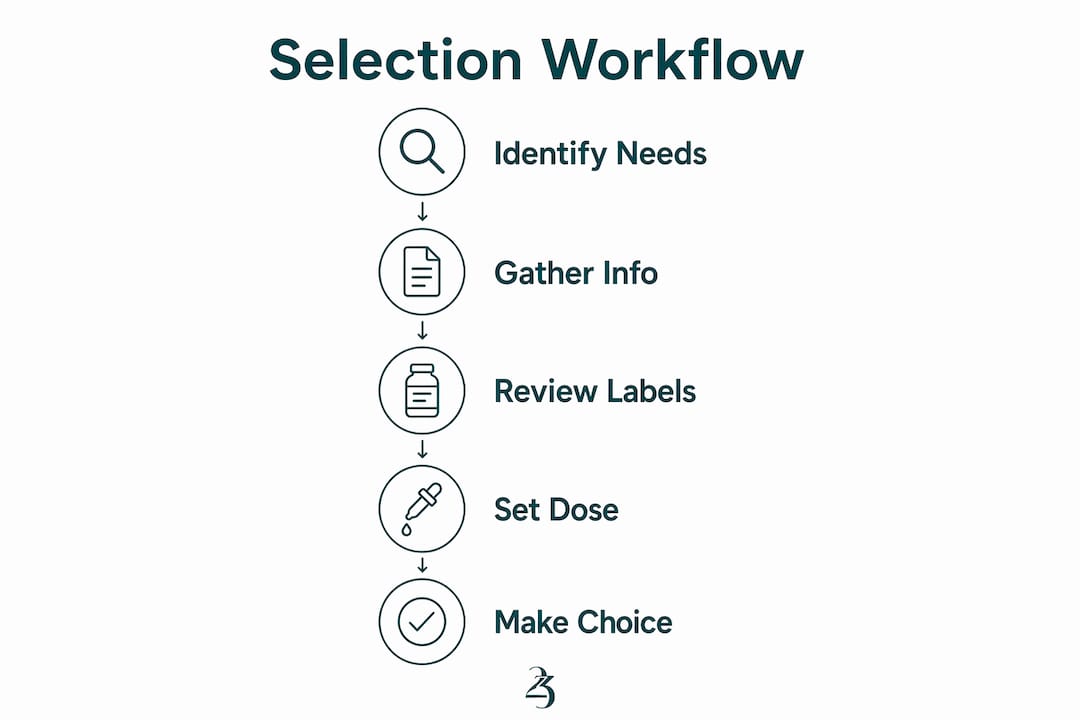
This is the heart of the cannabis product selection workflow, the actual decision sequence that takes you from “I want to feel good tonight” to “I’ll take this one.” Think of it as a six-step flow you can run through in about five minutes.
-
Define your desired effect or wellness goal. Are you after relaxation, social ease, creative energy, or sleep support? Your answer shapes every choice that follows. A mellow Friday wind-down calls for something different than a brunch with friends.
-
Choose your consumption method. Beverages and edibles offer a social, alcohol-free experience with a slower onset, typically 30 to 90 minutes. Vapes and flower act faster but require inhalation. Topicals stay local and don’t produce psychoactive effects. Match the format to your setting and comfort level.
-
Evaluate the cannabinoid ratio. THC and CBD ratios are the most reliable predictor of your experience. A 1:1 THC:CBD ratio tends to feel balanced and approachable. High-THC, low-CBD products are more intense. For new consumers, a lower THC ratio with meaningful CBD is a smart starting point.
-
Verify lab results and product freshness. Pull the COA via the QR code. Confirm the test date, the cannabinoid numbers match the label, and no contaminants are flagged. Check the batch number and expiration date.
-
Start low and titrate. Edibles and oral cannabis products show wide variability in absorption and onset, so the label dose is a starting estimate, not a guarantee. Begin with 2.5 to 5 mg THC and wait a full 90 minutes before considering more. Keep a simple session log: product name, dose, time, and how you felt.
-
Factor in your environment and social context. A product that’s perfect for solo relaxation may feel too intense at a crowded party. Consider who you’re with, where you are, and how much time you have before committing to a dose.
| Selection Factor | Low-Intensity Choice | Higher-Intensity Choice |
|---|---|---|
| THC dose | 2.5 to 5 mg | 10 mg or more |
| Onset speed | Beverage or edible (slow) | Vape or flower (fast) |
| THC:CBD ratio | 1:1 or CBD-dominant | High THC, low CBD |
| Setting | Social, public | Private, experienced |
How do dispensary workflows and compliance requirements impact your choices?
Real dispensary operations shape your options in ways most consumers never see. Behind every menu is a compliance system that determines which products are available, which batches are eligible for sale, and how staff can guide you.
Dispensary staff, often called Patient Care Associates or PCAs, align product selection to individual wellness plans and verify that every transaction meets state regulations. Their POS and inventory systems only surface state-eligible SKUs and batches, meaning compliance checks are built into the workflow before you ever see a product recommendation.
Here’s what this means for you as a consumer:
- Not every product on a brand’s website is available in every store. Batch restrictions and state licensing rules limit what’s on the shelf on any given day.
- Staff can clarify menu abbreviations and confusing labels. Asking dispensary staff about specific products is not just acceptable. It’s encouraged and often the fastest path to the right choice.
- Inventory systems affect freshness. A product that’s been sitting in a compliance hold may have an older lab date. Always ask when the current batch arrived.
- Hemp-derived products sold online, like those from 23rd State, operate under a different but equally rigorous framework. Federal hemp law and state-level hemp regulations govern these products, and reputable brands publish COAs proactively.
What are common mistakes to avoid when selecting cannabis products?
Even experienced consumers make these errors. Knowing them in advance saves you a frustrating session and helps you get more from every product you try.
- Choosing by strain name alone. “OG Kush” in one batch can be completely different from the next. Always cross-check potency and lab data rather than trusting the name.
- Skipping the lab results. A product without a recent COA is a product you can’t fully trust. Make verifying lab data a non-negotiable step.
- Ignoring onset time differences. Edibles and beverages take longer to kick in than inhaled products. Doubling your dose at the 30-minute mark because “nothing is happening” is the most common cause of an uncomfortable experience.
- Forgetting to log your sessions. A simple note on your phone with the product name, dose, and how you felt builds a personal reference that makes every future selection faster and more accurate.
- Overlooking the beverage category. Hemp-derived THC beverages like 23rd State’s SHAKE or FRESH PRESS offer precise, consistent dosing in a social format that’s easy to pace, making them one of the most beginner-friendly options in the cannabis product guide space.
Pro Tip: For your first few sessions with any new product, treat the label dose as a ceiling, not a target. Start at half the suggested serving and assess after 90 minutes.
“The best cannabis experience is the one you designed intentionally. A little patience and a little information go a long way toward a lot of joy.”
Key takeaways
A confident cannabis product selection workflow rests on three pillars: verified lab data, a clear sense of your desired effect, and a commitment to starting low and building from there.
| Point | Details |
|---|---|
| Start with lab verification | Always scan the QR code and review a current COA before purchasing any cannabis product. |
| Dose by milligrams, not strain | Focus on THC and CBD milligrams per serving rather than strain names or product branding. |
| Match format to setting | Choose beverages or edibles for social occasions; reserve faster-onset formats for experienced, private use. |
| Use dispensary staff actively | Ask staff to clarify menu labels, batch dates, and product suitability for your specific goals. |
| Log every session | Track product, dose, and effect to build a personal reference that improves every future selection. |
Why I think the workflow is actually the fun part
Here’s my honest take: most people treat product selection like a chore they want to get through as fast as possible. I used to do the same thing. Then I started treating the workflow as part of the ritual, and everything changed.
When I first tried 23rd State’s SHAKE alongside a few other hemp beverages on the market, the difference wasn’t just in the flavor (though the bright, citrusy profile is genuinely delightful). It was in how easy the selection process felt. The label was clear, the COA was one scan away, and the 5 mg dose was exactly where I wanted to start. Comparing that to products with vague potency ranges and no accessible lab data made the choice obvious.
The workflow isn’t a barrier between you and a good time. It’s the thing that makes the good time repeatable. Once you know what works for your body, your setting, and your mood, you stop second-guessing and start savoring. That’s the real payoff. Informed choices don’t just protect you. They make every session more enjoyable because you showed up prepared.
— Leah Kollross, founder, 23rd State
How 23rd State makes your selection process effortless
23rd State builds its hemp-derived beverages with the selection workflow in mind from the start. Every product in the lineup, SHAKE, FRESH PRESS, and Blush Crush, features transparent labeling with clear milligram dosing, accessible COAs, and consistent batch quality that makes the verification step genuinely quick.
SHAKE delivers a bright, sessionable 5 mg THC experience perfect for social settings. FRESH PRESS brings a crisp, clean profile for the wellness-minded sipper. Blush Crush offers a rosy, celebratory vibe for occasions that call for something a little more special. All three are crafted to make selecting cannabis products feel less like homework and more like the start of a great evening. Explore the full lineup at 23state.com and find your perfect match.
FAQ
What is a cannabis product selection workflow?
A cannabis product selection workflow is a step-by-step decision process for choosing cannabis products based on desired effects, cannabinoid ratios, consumption method, and lab-verified safety data. It helps consumers move from confusion to confident, intentional choices.
How do I know if a cannabis product is lab-tested?
Look for a QR code on the label that links to a Certificate of Analysis (COA). Minnesota’s Office of Cannabis Management requires consumer-facing safety information on all packaging, and reputable brands update their COAs within six months of each batch.
What dose of THC should a beginner start with?
Clinical guidance recommends starting at approximately 2.5 mg THC and waiting at least 90 minutes before considering more, especially with edibles or beverages that have variable absorption rates.
Why shouldn’t I choose cannabis products by strain name alone?
Strain names don’t reliably predict potency or effect because cannabinoid content varies by batch. Cross-checking THC and CBD milligrams per serving alongside a current COA gives you far more accurate information for informed product selection.
How are hemp-derived cannabis beverages different from other edibles?
Hemp-derived THC beverages like those from 23rd State offer precise, consistent dosing in a social, alcohol-free format. Compared to traditional edibles, beverages are easier to pace and share, though onset time is still slower than inhaled products, typically 30 to 90 minutes.
