

Many believe THC is highly addictive, but research shows only about 9% of users develop dependency, far lower than nicotine or alcohol. Understanding how THC affects your body, brain, and mood empowers you to use it responsibly for recreation or wellness. This guide explores THC’s biological mechanisms, dose-dependent effects, consumption methods, therapeutic benefits, common myths, and safety practices to help you make informed choices and optimize your experience.
Table of Contents
- Understanding Thc And Its Biological Mechanism
- Recreational Effects Of Thc: Dose-Dependent Outcomes
- Therapeutic And Wellness Benefits Of Thc
- How Thc Consumption Methods Affect Effects And Duration
- Common Misconceptions About Thc Effects
- Safety, Side Effects, And Responsible Usage Guidelines
- Explore Trusted Thc Products For Wellness And Recreation
Key takeaways
| Point | Details |
|---|---|
| Effects vary by dose and method | Low doses produce euphoria and relaxation; high doses increase anxiety risk. |
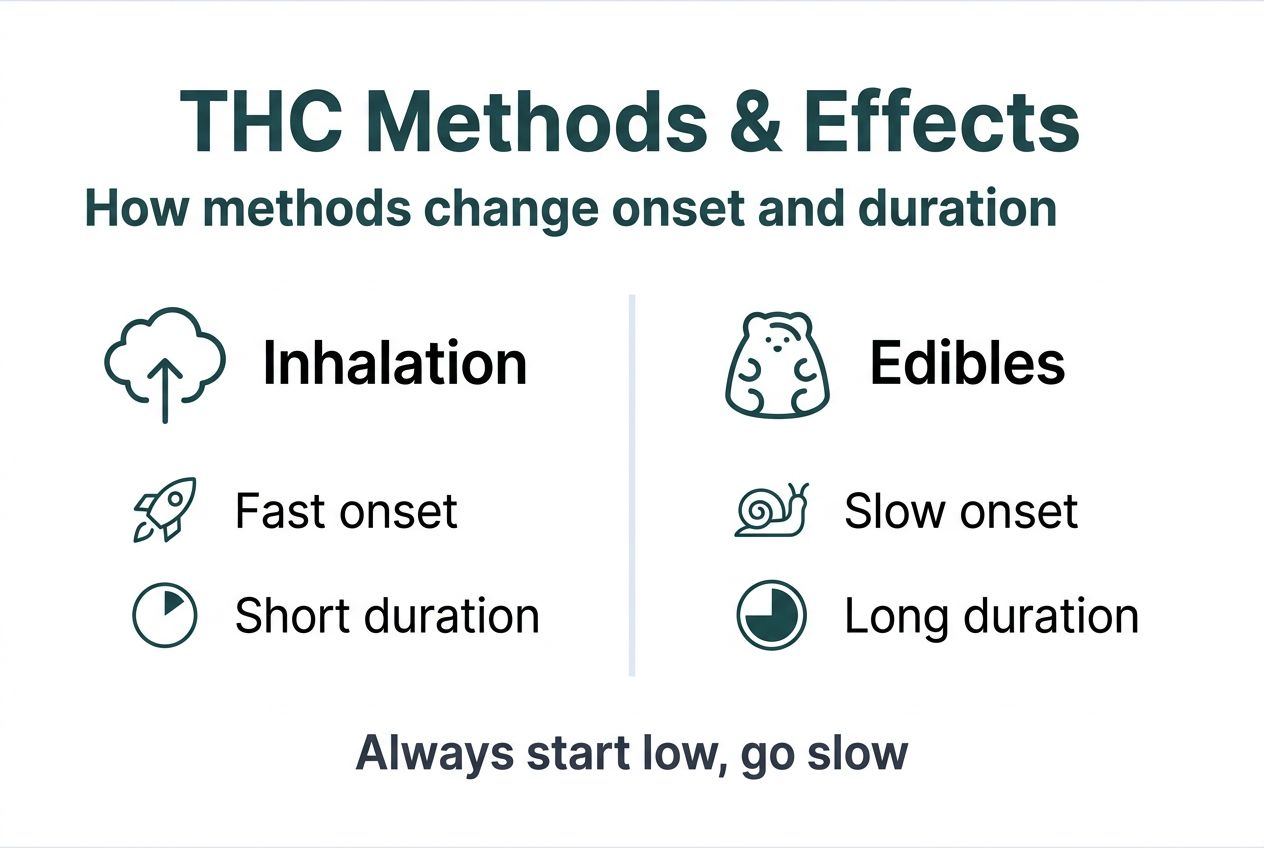
| Consumption timing differs | Inhalation acts in minutes with 1-3 hour effects; edibles take 30-90 minutes but last 4-12 hours. |
| Addiction risk is moderate | Only 9% of users develop cannabis use disorder, much lower than many substances. |
| Responsible dosing matters | Starting low and going slow reduces side effects and maximizes benefits. |
Understanding THC and its biological mechanism
THC produces its effects by binding to CB1 receptors concentrated in brain regions controlling memory, cognition, and coordination. These receptors are part of your endocannabinoid system, which naturally regulates mood, appetite, and pain perception. When THC binds to CB1 receptors, it modulates how your neurons release chemical messengers.
This interaction explains why THC alters your mental state. The compound increases dopamine release by 30% in the brain’s reward pathway, creating feelings of pleasure and euphoria. This dopamine surge is why many users report enhanced mood and sensory experiences. Your individual response depends on receptor density, metabolism speed, and prior cannabis exposure.
Understanding this biological foundation clarifies why effects differ dramatically between users and doses:
- CB1 receptor activation changes how your brain processes information and emotions
- Neurotransmitter modulation affects memory formation and attention span temporarily
- Dopamine pathway stimulation creates the characteristic THC high and relaxation
- Individual brain chemistry determines sensitivity and response intensity
“THC’s interaction with the endocannabinoid system is highly personalized. What feels relaxing at 5 mg for one person might cause anxiety in another, highlighting the importance of finding your optimal dose through careful experimentation.”
This scientific basis sets the stage for understanding how different doses and methods produce vastly different experiences.
Recreational effects of THC: dose-dependent outcomes
Recreational THC use typically aims for euphoria, relaxation, and enhanced sensory perception. Low to moderate doses induce these pleasant effects, while higher amounts increase risks of uncomfortable experiences. The sweet spot for most users falls between 2.5 and 10 mg of THC.
At these lower doses, you’ll likely experience heightened appreciation for music, food, and social interactions. Colors may seem more vibrant, and time perception often shifts. Many users report creative thinking and reduced stress. These positive effects make low-dose THC popular for social gatherings and recreational relaxation.
However, exceeding 10 mg significantly raises the probability of negative reactions, especially if you’re new to THC or sensitive to its effects:
- Anxiety and paranoia become more common at doses above 15 mg
- Short-term memory disruption intensifies with higher amounts
- Coordination and reaction time impairments increase proportionally
- Thought patterns may become racing or fragmented
Memory and attention issues from THC are temporary. Research shows these cognitive effects reverse after you stop using cannabis, with most functions returning to baseline within days to weeks. This reversibility means occasional recreational use doesn’t cause permanent brain damage when practiced responsibly.
Pro Tip: Start with 2.5 to 5 mg if you’re new to THC. Wait at least two hours before considering another dose, especially with edibles. This patience prevents the common mistake of consuming too much while waiting for effects to begin.
Your individual tolerance builds with regular use, meaning experienced users often need higher doses for the same effects. This tolerance reverses quickly with breaks, so periodic abstinence can reset your sensitivity and reduce consumption needs.
Therapeutic and wellness benefits of THC
Beyond recreation, THC offers several clinically supported wellness benefits. Pain relief stands as the most researched therapeutic application. THC activates CB1 receptors in pain-processing regions, reducing discomfort from conditions like neuropathy, arthritis, and migraines. The compound also demonstrates anti-inflammatory properties that contribute to pain reduction.

Mood enhancement represents another significant wellness benefit. While high doses can trigger anxiety, carefully measured THC can improve mood in people experiencing stress or mild depression. The key lies in finding your therapeutic window where benefits outweigh risks. Combining THC with CBD often produces superior results for anxiety relief compared to either compound alone.
Sleep improvement is frequently reported by THC users. Small doses may help you fall asleep faster and experience fewer nighttime awakenings. However, higher doses or chronic use can disrupt sleep architecture, particularly REM sleep. Moderation proves essential for sleep benefits.
The wellness advantages of THC extend to several areas:
- Appetite stimulation helps those struggling with eating disorders or chemotherapy side effects
- Muscle relaxation benefits people with spasticity or tension conditions
- Nausea reduction supports cancer patients and others with digestive issues
- Stress management provides relief from daily pressures when dosed appropriately
“The synergy between THC and CBD, known as the entourage effect, often produces better therapeutic outcomes than isolated compounds. CBD can moderate THC’s psychoactive intensity while preserving its pain-relieving and anti-inflammatory benefits.”
Understanding proper dosing and product selection maximizes these wellness benefits while minimizing unwanted psychoactive effects. Medical guidance helps identify the right ratios and amounts for your specific health goals.
How THC consumption methods affect effects and duration
Your chosen consumption method dramatically influences THC’s onset speed, intensity, and duration. Inhalation and oral ingestion produce fundamentally different experiences due to how your body processes THC. Understanding these differences helps you select the method matching your needs and schedule.
Inhaled THC from smoking or vaping reaches your bloodstream through lung tissue within seconds. Effects peak around 10 to 15 minutes and typically last one to three hours. This rapid onset allows precise dose control because you feel effects almost immediately. If you’ve consumed enough, you simply stop. This immediacy makes inhalation popular for experienced users seeking specific effect levels.
Edible THC follows a completely different pathway. After swallowing, THC travels through your digestive system to your liver, where enzymes convert it to 11-hydroxy-THC. This metabolite is more potent and longer-lasting than standard THC. Effects begin in 30 to 90 minutes and can persist four to 12 hours depending on dose, metabolism, and stomach contents.
| Method | Onset Time | Peak Effects | Duration | Dose Control |
|---|---|---|---|---|
| Inhalation | 2-10 minutes | 10-15 minutes | 1-3 hours | Excellent |
| Edibles | 30-90 minutes | 2-4 hours | 4-12 hours | Difficult |
| Tinctures (sublingual) | 15-45 minutes | 1-2 hours | 2-6 hours | Good |
The delayed onset with edibles creates a major overconsumption risk. Impatient users often take more before the first dose kicks in, leading to overwhelming effects hours later. This pattern accounts for most emergency room visits related to cannabis. Understanding THC drink onset timing prevents this common mistake.
Pro Tip: Never redose edibles within two hours of your initial consumption. Set a timer if needed. The effects will eventually arrive, and patience prevents uncomfortable experiences that could last half a day.
Choose inhalation when you want quick, controllable effects for a few hours. Select edibles when you prefer longer-lasting relief or recreation and can wait for onset. Your schedule, tolerance, and desired experience duration should guide this choice.
Common misconceptions about THC effects
Several persistent myths about THC create unnecessary fear and misinformation. Addressing these misconceptions with evidence helps you make rational decisions about use. The reality is more nuanced than both prohibitionists and enthusiasts often suggest.
The addiction myth tops the list of misunderstandings. While THC carries a 9% addiction risk, this pales compared to nicotine at 32%, alcohol at 15%, and opioids at 25%. Cannabis use disorder exists but develops in a minority of users, typically those consuming daily in large amounts. Most recreational users never develop dependency.
Fatal overdose represents another area of confusion. No documented deaths from THC overdose alone exist in medical literature. The lethal dose in humans remains theoretical because it’s impossibly high. Uncomfortable experiences like anxiety or paranoia occur with excessive consumption, but these resolve without medical intervention in almost all cases. This safety profile distinguishes THC from many legal substances.
Permanent brain damage fears lack scientific support. While THC temporarily impairs memory and cognition during intoxication, these effects reverse after cessation. Long-term heavy use in adolescents may affect development, but adult recreational use doesn’t cause lasting cognitive damage according to current research.
Anxiety reactions deserve clarification. New users experience anxiety 20 to 30% of the time, while regular users report under 10% incidence. This difference reflects tolerance development and learned dose management:
- Set and setting influence anxiety probability significantly
- Strain selection matters, with high-THC, low-CBD products increasing risk
- Individual predisposition to anxiety affects likelihood of negative reactions
- Proper dosing eliminates anxiety for most users
“The narrative that cannabis destroys motivation and productivity lacks empirical support. While acute intoxication impairs performance, sober functioning returns to baseline. Many successful professionals use THC recreationally without life disruption when consumed responsibly.”
Understanding these realities allows balanced risk assessment. THC isn’t harmless, but it’s far safer than many legal substances when used with knowledge and moderation.
Safety, side effects, and responsible usage guidelines
Responsible THC use requires understanding potential risks and following proven safety practices. The most serious concern is impaired driving. Driving impairment increases significantly above 7.5 mg THC, with reaction times and judgment suffering measurably. Lower doses show minimal impairment, but individual variation means you should never drive within four hours of inhaling or 12 hours of consuming edibles.
The “start low and go slow” principle forms the foundation of safe THC use. This approach means beginning with the minimum effective dose, typically 2.5 to 5 mg, and waiting adequate time before increasing. Patience prevents the overwhelming experiences that create negative associations and emergency room visits.
Monitoring your personal response helps identify your optimal dose range. Keep notes on amount consumed, method used, and effects experienced. This record reveals patterns and helps you dial in the perfect dose for your goals. What works for friends may not work for you due to metabolism and receptor differences.
Follow these numbered steps for responsible consumption:
- Start with 2.5 to 5 mg THC if you’re new or returning after a break
- Wait at least two hours with edibles or 30 minutes with inhalation before considering more
- Track your experiences in a simple journal or phone notes
- Increase doses by small increments of 2.5 mg if effects are insufficient
- Avoid mixing THC with alcohol or other substances initially
- Never consume before driving or operating machinery
- Store products securely away from children and pets
Understanding safe cannabis dosages prevents most negative experiences. Side effects like dry mouth, red eyes, and increased appetite are common but harmless. More concerning reactions like rapid heart rate or severe anxiety typically result from excessive doses.
Pro Tip: Have CBD on hand when trying new THC products or higher doses. CBD can moderate THC’s psychoactive effects if you become uncomfortable. Taking 10 to 20 mg of CBD may reduce anxiety and bring you down gently.
The difference between recreation and wellness use often lies in intention and dosing. Recreational use typically involves higher doses for pronounced psychoactive effects, while wellness applications use minimal amounts for therapeutic benefits without significant intoxication. Both approaches can be safe when practiced with knowledge and respect for THC’s power.
Explore trusted THC products for wellness and recreation
Now that you understand THC’s effects, mechanisms, and safety practices, finding quality products becomes your next step. 23rd State offers carefully curated THC items designed for both wellness and recreational users at all experience levels. Whether you’re seeking anxiety relief or recreational enjoyment, you’ll find products matched to your needs.
Explore 23rd State’s selection of hemp-derived THC products with transparent dosing information and quality testing. Each product provides clear cannabinoid content so you can apply the dosing principles covered in this guide. Expert guidance helps you choose the right items for your experience level and goals. Start your journey with confidence knowing you have access to reliable products and comprehensive dosage information supporting safe, enjoyable experiences.
FAQ
What are the primary recreational effects of THC?
THC typically produces euphoria, relaxation, and heightened sensory perception at low to moderate doses between 2.5 and 10 mg. Higher doses above 10 mg increase the risk of anxiety, paranoia, and temporary cognitive impairments, especially in new or sensitive users. Effects vary based on individual tolerance and consumption method.
How long do THC effects last depending on consumption method?
Inhaled THC acts within two to 10 minutes and effects last one to three hours. Edible THC takes 30 to 90 minutes to begin working but produces effects lasting four to 12 hours due to liver metabolism creating stronger metabolites. This timing difference significantly impacts dose control and user experience.
Is THC addictive or dangerous?
THC has a moderate addiction risk, with approximately 9% of users developing cannabis use disorder, substantially lower than nicotine, alcohol, or opioids. Fatal THC overdose is virtually nonexistent in medical literature. Most side effects like anxiety or dry mouth are mild and reversible with proper dosing and responsible use.
What are the best practices for safe THC consumption?
Start with low doses of 2.5 to 5 mg and increase gradually using the “start low and go slow” approach. Wait at least two hours before redosing with edibles to prevent overconsumption from delayed onset. Avoid driving after THC use, especially at doses above 7.5 mg, and never mix with alcohol initially. Track your experiences to find your optimal dose range.
