

THC affects each person differently, and the method you choose dramatically shapes your experience. Smoking delivers effects within minutes, while edibles can take over an hour but last much longer. Many newcomers expect consistent results across all products, only to find themselves caught off guard by varying onset times and intensities. This guide clarifies how THC works in your body, compares consumption methods, and helps you select quality hemp-derived products that match your wellness or recreational goals. You’ll learn to navigate the market confidently and use THC safely.
Table of Contents
- What Is THC And How Does It Work In The Body?
- Methods Of Consuming THC: How Consumption Changes Your Experience
- Benefits And Risks Of Hemp-Derived THC Products For Wellness And Recreation
- Choosing Quality THC Products And Finding Value Deals In 2026
- Explore Premium Hemp-Derived THC Products At 23rd State
Key takeaways
| Point | Details |
|---|---|
| Consumption method determines experience | Inhalation produces rapid effects while oral ingestion creates delayed but prolonged experiences. |
| THC interacts with your endocannabinoid system | This interaction produces both psychoactive sensations and potential therapeutic benefits. |
| Quality and safety matter significantly | Lab-tested products with transparent labeling ensure safer, more predictable experiences. |
| Dosage and setting influence outcomes | Starting low in comfortable environments reduces risks and enhances positive effects. |
What is THC and how does it work in the body?
THC, or delta-9-tetrahydrocannabinol, is the primary psychoactive compound in cannabis plants. When you consume THC, it binds to cannabinoid receptors throughout your body, particularly CB1 receptors in your brain and nervous system. This interaction affects the body by creating psychoactive and therapeutic effects that vary based on dose, method, and individual physiology.
Your endocannabinoid system regulates mood, appetite, pain sensation, and memory. THC mimics natural endocannabinoids, temporarily altering these functions. The result can include euphoria, relaxation, altered sensory perception, and changes in time perception. Some users also experience increased appetite, reduced nausea, or pain relief.
Hemp-derived THC products contain the same molecular structure as marijuana-sourced THC but come from plants with lower overall THC concentrations. Federal law permits hemp products containing less than 0.3% THC by dry weight, though many hemp-derived items use alternative cannabinoids or extraction methods to deliver psychoactive experiences within legal frameworks.
Common effects include:
- Euphoria and mood elevation
- Relaxation and stress reduction
- Altered sensory experiences
- Increased appetite
- Potential pain and nausea relief
- Temporary cognitive changes
Pro Tip: Individual responses to THC vary widely based on tolerance, body chemistry, and previous cannabis exposure. What feels mild to one person may overwhelm another, so personal experimentation with low doses helps you find your optimal range.
Understanding effects of THC explained helps you set realistic expectations and choose products aligned with your goals. Whether seeking relaxation after work or exploring recreational experiences with friends, knowing how THC functions in your body empowers smarter decisions.
Methods of consuming THC: How consumption changes your experience
The way you consume THC fundamentally alters when effects begin, how intense they feel, and how long they last. Inhalation leads to rapid onset while oral ingestion results in slower onset but potentially longer duration, creating distinct experiences from identical doses.
Inhalation methods include smoking and vaporizing. When you inhale THC, it enters your bloodstream through lung tissue within seconds. Effects typically peak within 10 to 30 minutes and last two to four hours. This rapid onset allows precise dose control since you feel results almost immediately and can stop once you reach your desired state.

Oral consumption encompasses edibles, capsules, and drinks. THC consumed orally passes through your digestive system and liver before reaching your bloodstream. This process converts THC into 11-hydroxy-THC, a more potent metabolite that produces stronger, longer-lasting effects. Onset typically occurs 30 minutes to two hours after consumption, with effects lasting four to eight hours or more.
Topical products deliver THC through skin absorption for localized effects without significant psychoactive experiences. These work well for targeted pain or inflammation relief but don’t produce the mental effects associated with other methods.
| Method | Onset Time | Duration | Pros | Cons |
|---|---|---|---|---|
| Inhalation | 2-10 minutes | 2-4 hours | Fast control, predictable | Lung irritation, shorter duration |
| Oral | 30-120 minutes | 4-8+ hours | Long-lasting, discreet | Delayed onset, harder to dose |
| Topical | 15-45 minutes | 2-4 hours | Localized relief, no high | Limited psychoactive effects |
Bioavailability, the percentage of THC that reaches your bloodstream, varies significantly. Inhalation offers 10 to 35% bioavailability, while oral consumption typically provides 4 to 12%. This explains why edible doses often seem lower in milligrams but produce stronger effects.
Pro Tip: New users should start with inhalation methods for easier dose control, then explore edibles once familiar with their THC tolerance. THC drink onset times require patience, as premature redosing causes uncomfortable intensity.
Understanding feeling from THC drinks helps set expectations for oral consumption. The delayed onset catches many off guard, leading to overconsumption when effects don’t appear immediately. Respecting each method’s unique timeline prevents negative experiences and maximizes enjoyment.
Benefits and risks of hemp-derived THC products for wellness and recreation
Hemp-derived THC serves both wellness and recreational purposes, offering potential benefits alongside important safety considerations. Hemp-derived THC products offer therapeutic benefits but must be used safely to avoid adverse effects and ensure positive experiences.
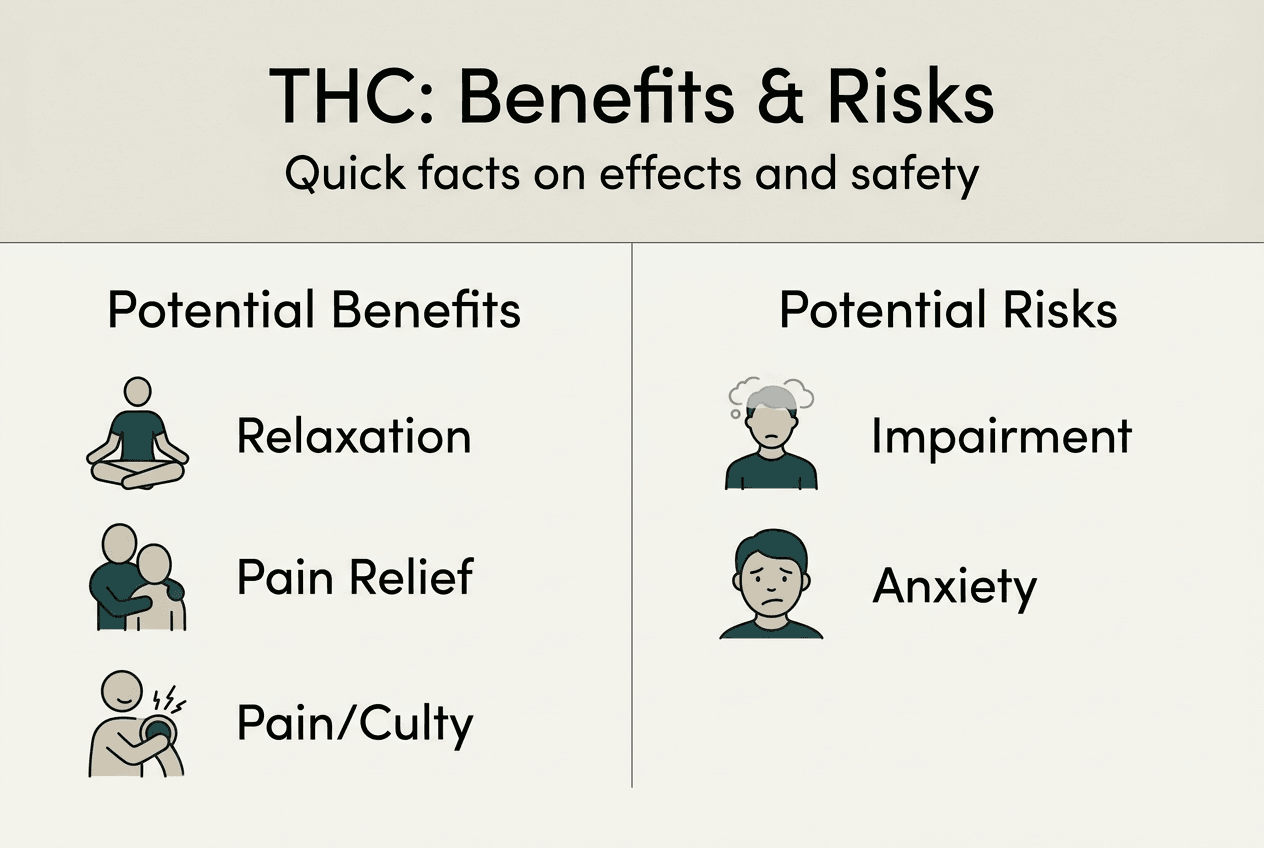
Many users turn to THC for stress management and relaxation. The compound’s interaction with your endocannabinoid system can reduce anxiety in moderate doses, though higher amounts may paradoxically increase nervousness. Sleep improvement represents another common motivation, as THC can shorten the time needed to fall asleep and alter sleep architecture.
Pain management drives significant wellness interest. THC shows promise for chronic pain, inflammation, and neuropathic discomfort. Some users find relief from migraines, arthritis, or injury-related pain through regular, controlled use. Nausea reduction benefits those undergoing chemotherapy or experiencing digestive issues.
Recreational use focuses on enjoyment, social connection, and novel experiences. THC enhances sensory perception, making music, food, and creative activities more engaging. Many appreciate the euphoric, giggly sensations that facilitate bonding with friends or simply unwinding after demanding weeks.
Potential risks require honest acknowledgment:
- Impaired cognitive function and reaction time during intoxication
- Short-term memory disruption
- Increased heart rate in some individuals
- Anxiety or paranoia, especially at high doses
- Tolerance development with regular use
- Potential dependency in susceptible individuals
- Legal uncertainties depending on location
“Responsible THC use means understanding your limits, choosing appropriate settings, and never operating vehicles or machinery while impaired. Start low, go slow, and prioritize safety over intensity.”
Safe practices include starting with 2.5 to 5 milligrams for oral products and taking single inhalations before waiting to assess effects. Avoid mixing THC with alcohol or other substances that compound impairment. Use in comfortable, familiar environments, especially when trying new products or higher doses.
THC benefits and safety tips emphasize the importance of informed decision-making. Understanding both advantages and risks allows you to maximize benefits while minimizing potential downsides through thoughtful consumption practices.
Choosing quality THC products and finding value deals in 2026
Navigating the hemp-derived THC market requires discernment, as product quality varies dramatically between brands. Identifying trustworthy sources and recognizing value opportunities ensures safer, more satisfying experiences without overspending.
Lab testing represents the gold standard for quality assurance. Reputable brands provide certificates of analysis from independent laboratories, confirming cannabinoid content, verifying THC levels, and screening for contaminants like pesticides, heavy metals, and residual solvents. These documents should be easily accessible on product pages or through QR codes on packaging.
Ingredient transparency separates quality brands from questionable operators. Clear labels listing all components, including carrier oils, flavorings, and additional cannabinoids, demonstrate respect for consumer awareness. Avoid products with vague ingredient lists or proprietary blends that obscure actual contents.
Potency accuracy matters significantly for consistent dosing. Quality products deliver the milligram amounts stated on labels, allowing reliable experience prediction. Inconsistent potency leads to unpredictable effects, making it impossible to find your optimal dose.
Steps for evaluating products:
- Verify third-party lab testing availability and review recent certificates
- Check ingredient lists for clarity and recognize any allergens or additives
- Research brand reputation through customer reviews and industry recognition
- Compare potency per serving across similar products to assess value
- Confirm appropriate storage and expiration date information
- Look for customer service accessibility and return policies
Trustworthiness indicators include established business histories, responsive customer support, educational resources on websites, and transparent manufacturing processes. Brands that invest in consumer education typically prioritize product quality over quick profits.
Pro Tip: Extremely low prices often signal compromised quality through inferior ingredients, inadequate testing, or inaccurate potency claims. Mid-range pricing from established brands usually offers the best balance of quality and value.
Finding deals without sacrificing quality involves subscribing to brand newsletters for exclusive promotions, following social media accounts announcing flash sales, and timing purchases around major shopping events. Many reputable brands offer bundle discounts, loyalty programs, or first-time customer incentives that reduce costs significantly.
Quality hemp-derived THC products combine rigorous testing, transparent practices, and fair pricing. Investing time in research upfront prevents disappointing purchases and ensures your wellness or recreational goals align with actual product performance.
Explore premium hemp-derived THC products at 23rd State
Now that you understand THC’s effects, consumption methods, and quality indicators, finding trusted sources becomes essential. 23rd State offers lab-tested, premium hemp-derived THC products designed for health-conscious adults seeking reliable wellness and recreational experiences.
Every product undergoes rigorous third-party testing to verify potency and purity, giving you confidence in what you consume. The online platform provides detailed product information, helping you make informed choices based on your specific goals and preferences. Regular promotions and value deals make premium quality accessible without compromising your budget. Explore 23rd State hemp-derived THC products to discover handcrafted, infused items that elevate your wellness routine or recreational moments with transparency and quality you can trust.
FAQ
What is the difference between hemp-derived THC and marijuana THC?
Hemp-derived THC and marijuana THC are chemically identical molecules, both delta-9-tetrahydrocannabinol. The distinction lies in the source plant and legal classification. Hemp plants contain 0.3% or less THC by dry weight under federal law, while marijuana plants typically have higher concentrations. Both produce the same psychoactive and therapeutic effects when consumed in equivalent doses.
How long does it take for THC drinks to kick in and how long do effects last?
THC in drinks has slower onset but longer-lasting effects due to oral ingestion and metabolism. Onset typically occurs 30 minutes to two hours after consumption, depending on stomach contents, metabolism, and individual physiology. Effects generally last four to eight hours, sometimes extending longer with higher doses. This delayed timeline requires patience to avoid accidental overconsumption. Learn more about THC drink onset and duration for safer experiences.
What are safe consumption tips for new THC users?
New users should start with 2.5 to 5 milligrams for edibles or one small inhalation, waiting at least two hours before considering additional doses. Use THC in comfortable, familiar environments with trusted companions when possible. Avoid mixing with alcohol or other substances, and never drive or operate machinery while impaired. Having snacks, water, and calming activities available helps manage any unexpected intensity.
Can THC help with anxiety or does it make it worse?
THC’s relationship with anxiety is dose-dependent and highly individual. Low to moderate doses may reduce anxiety for some users through endocannabinoid system interaction, promoting relaxation and stress relief. Higher doses often increase anxiety, paranoia, or racing thoughts, especially in sensitive individuals or uncomfortable settings. If anxiety management is your goal, start with minimal amounts and consider products with balanced CBD ratios, which may mitigate THC’s anxiogenic potential at higher doses.
