

You have probably heard conflicting claims about cannabis sativa and wondered what is fact versus fiction. Many people confuse sativa with indica or assume strain names predict effects, but modern science reveals a more nuanced picture. This guide cuts through the noise to explain what cannabis sativa really is, how its chemical profile determines benefits, and how you can use it safely for wellness and recreation. You will learn about its biology, evidence-based health effects, risks to watch for, and practical tips to incorporate cannabis sativa into your lifestyle confidently.
Table of Contents
- Key takeaways
- Understanding cannabis sativa: botany and history
- The evolving science: sativa, indica, and chemical profiles
- Health benefits and risks of cannabis sativa for wellness and recreation
- How to select and use cannabis sativa products safely for your wellness
- Explore cannabis sativa products and wellness resources at 23rd State
- FAQ
Key Takeaways
| Point | Details |
|---|---|
| Chemical profiles matter | Cannabinoid and terpene compositions determine effects more than strain names. |
| Lab testing transparency | Lab reports with precise cannabinoid percentages and terpene profiles help you select products that match your goals. |
| Ignore sativa indica labels | Modern cannabis varieties are hybrids and plant shape does not reliably predict effects. |
| Terpenes influence experience | Terpenes influence mood and energy, shaping how relaxing or energizing a product feels. |
| Safe dosing guidance | Start with low doses and consult healthcare providers, especially for vulnerable individuals or those with cardiovascular or mental health concerns. |
Understanding cannabis sativa: botany and history
Cannabis sativa is an annual dioecious herb native to Central Asia and Eurasia, growing up to 5 to 6 meters tall with palmately compound leaves used for fiber, seeds, medicine, and psychoactive properties. This towering plant features distinct narrow leaves with 3 to 15 lanceolate leaflets, setting it apart from its shorter, bushier relatives. Male and female flowers grow on separate plants, a characteristic that shaped traditional cultivation practices for thousands of years.
Historically, cannabis sativa served multiple essential roles across civilizations. Farmers cultivated hemp varieties for durable fiber used in rope, textiles, and paper production. The seeds provided a nutritious food source rich in protein and essential fatty acids. Traditional medicine systems employed cannabis preparations to treat pain, inflammation, and various ailments. Some cultures also used psychoactive varieties for spiritual rituals and recreation.
Modern cultivation diverges sharply from these traditional uses. Today, growers focus on two main categories: industrial hemp for fiber and seeds, and drug-type cannabis bred for high cannabinoid content. This shift reflects changing legal frameworks and consumer demand for wellness and recreational products.
Traditional versus modern cannabis sativa uses:
- Traditional hemp cultivation prioritized fiber strength and seed yield
- Modern drug-type varieties maximize THC or CBD content for therapeutic effects
- Industrial hemp contains less than 0.3% THC by dry weight
- Recreational and medicinal strains can contain 15% to 30% THC or higher
| Use Category | Traditional Focus | Modern Focus |
|---|---|---|
| Industrial hemp | Fiber for textiles, rope, paper; seeds for nutrition | Fiber for construction materials, biofuels; CBD extraction |
| Medicinal | Whole plant preparations for pain, inflammation | Standardized extracts with specific cannabinoid ratios |
| Recreational | Occasional ceremonial or social use | Consumer products with precise THC/CBD profiles |
The evolving science: sativa, indica, and chemical profiles
The popular indica and sativa labels you see in dispensaries primarily describe plant shape and geographic origin, not the effects you will experience. Modern cannabis varieties are hybrids with overlapping traits, making strict sativa versus indica categories scientifically unreliable for predicting how a product will make you feel. Decades of crossbreeding have blurred these distinctions to the point where morphology tells you almost nothing about effects.
What actually determines your experience? The answer lies in cannabinoid and terpene profiles. THC content drives psychoactive intensity, while CBD modulates those effects and provides its own therapeutic benefits. Terpenes add another layer of complexity, influencing mood, energy levels, and physical sensations. A product labeled sativa might relax you if it contains high myrcene levels, while an indica-labeled strain rich in limonene could energize you.
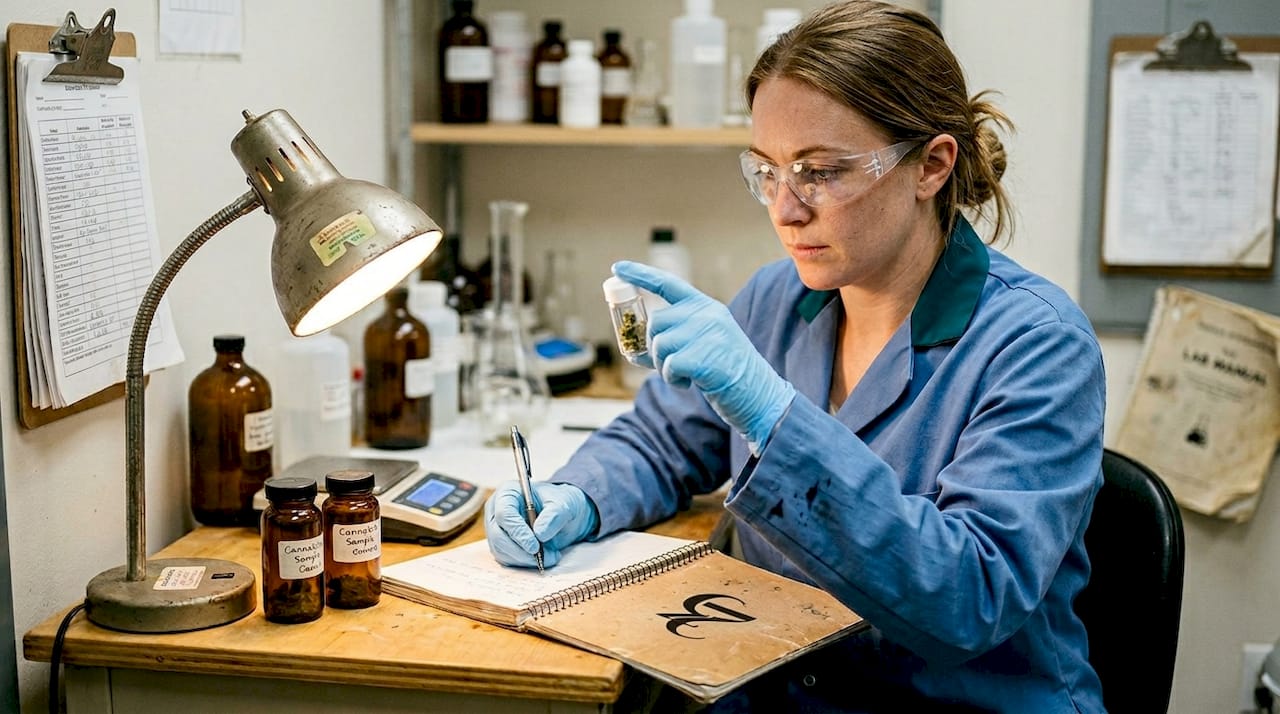
Understanding these chemical profiles empowers you to choose products that match your wellness goals. Lab-tested products display cannabinoid percentages and terpene compositions, giving you real data instead of marketing labels. This transparency lets you experiment systematically and find what works for your unique biology.
Key terpenes and their effects:
- Linalool promotes relaxation and may reduce anxiety
- Myrcene enhances sedation and pain relief
- Limonene elevates mood and energy
- Pinene improves focus and may counteract THC-induced memory impairment
| Cannabis Type | THC Content | CBD Content | Primary Use | Typical Terpene Profile |
|---|---|---|---|---|
| High-THC drug type | 15% to 30%+ | Under 1% | Recreation, pain relief | Variable; often myrcene-dominant |
| High-CBD drug type | Under 1% | 10% to 20% | Anxiety, inflammation | Often pinene or linalool-rich |
| Balanced hybrid | 5% to 15% | 5% to 15% | Versatile wellness | Mixed terpene profiles |
| Industrial hemp | Under 0.3% | 3% to 10% | Legal CBD products | Varies by cultivar |
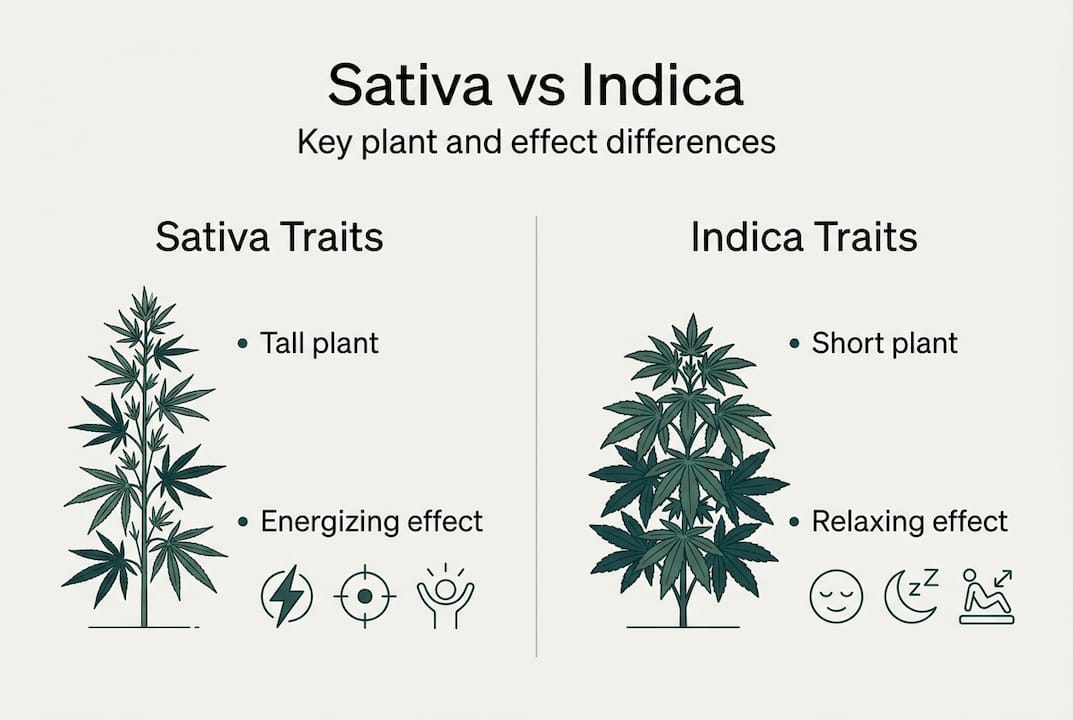
Pro Tip: Ignore strain names and focus on lab reports. Look for products listing exact cannabinoid percentages and terpene profiles so you can replicate experiences that work for you and avoid those that do not.
Explore more about sativa versus indica differences to understand how these labels evolved and why chemistry matters more than classification.
Health benefits and risks of cannabis sativa for wellness and recreation
Clinical trials demonstrate that full-spectrum cannabis extracts reduce chronic pain, anxiety, and improve sleep, with 65% of patients reporting over 50% relief at maintenance doses around 22 to 37 mg of cannabinoids daily. These results come from rigorous studies tracking patient outcomes over months, not anecdotal reports. The synergy between cannabinoids and terpenes, often called the entourage effect, appears to enhance therapeutic benefits beyond what isolated compounds provide.
Chronic pain sufferers find particular relief from full-spectrum products. Cannabinoids interact with your endocannabinoid system to modulate pain signals, while terpenes like myrcene and linalool add muscle-relaxing and anti-inflammatory effects. Many users report reducing or eliminating pharmaceutical pain medications after finding effective cannabis protocols.
Anxiety and mood disorders also respond to carefully dosed cannabis products. CBD-dominant formulas with supporting terpenes help many people manage daily stress without intoxication. Sleep quality improves for those struggling with insomnia, especially when using products containing sedating terpenes taken an hour before bed.
Evidence-based wellness benefits:
- Significant chronic pain reduction in clinical populations
- Anxiety relief without major side effects in most users
- Improved sleep quality and duration
- Reduced inflammation markers in some conditions
- Nausea control for chemotherapy patients
However, cannabis sativa carries real risks you must consider. Cardiovascular events including increased heart rate and blood pressure affect some users, particularly those with existing heart conditions. About 30% of regular cannabis users develop some level of dependence, experiencing withdrawal symptoms when stopping. Cognitive impairment and increased psychosis risk concern researchers, especially for adolescents and individuals with family histories of mental illness.
“Cannabis shows promise for specific pain and anxiety conditions, but psychiatric risks remain insufficiently studied. Vulnerable populations including pregnant women, adolescents, and those with mental health conditions should exercise extreme caution or avoid use entirely.”
65% of chronic pain patients report over 50% relief with full-spectrum cannabis extracts
Elderly adults face particular considerations. Age-related changes in metabolism mean lower doses produce stronger effects. Interactions with common medications like blood thinners require medical supervision. Pregnant and breastfeeding women should avoid cannabis entirely due to potential developmental impacts on infants.
If you have bipolar disorder, schizophrenia, or a family history of psychosis, cannabis use may trigger or worsen symptoms. The relationship between THC and mental health remains complex, with individual responses varying dramatically. Anyone with cardiovascular disease should consult their doctor before trying cannabis products.
Learn more about cannabis for anxiety relief and review the safe cannabis dosage guide to understand appropriate starting points for your situation.
How to select and use cannabis sativa products safely for your wellness
Prioritize lab-tested full-spectrum products with clear cannabinoid and terpene profiles, start with low doses of 1 to 3 drops daily, titrate gradually, and consult healthcare providers to monitor cardiovascular and mental health risks. This systematic approach minimizes adverse effects while helping you find your optimal dose. Rushing the process or skipping medical consultation increases your risk of negative experiences.
Selecting quality products requires attention to several factors. Third-party lab testing verifies cannabinoid content and screens for pesticides, heavy metals, and microbial contaminants. Full-spectrum extracts preserve the natural cannabinoid and terpene ratios found in the plant, potentially enhancing therapeutic effects through synergy. Certificate of analysis documents should be readily available from reputable vendors.
Terpene profiles guide product selection based on your goals. If you seek relaxation and better sleep, choose products rich in linalool and myrcene. For daytime use requiring mental clarity and energy, look for limonene and pinene-dominant options. Many products now list terpene percentages alongside cannabinoid content, giving you the data needed for informed choices.
Safe cannabis sativa product selection and use:
- Verify third-party lab testing and review certificates of analysis before purchasing
- Start with 1 to 3 drops or 5 to 10 mg of cannabinoids daily, taken at the same time each day
- Wait at least 3 to 5 days before increasing dose to assess full effects
- Choose products with terpene profiles matching your wellness goals
- Keep detailed records of dose, timing, effects, and any side effects
- Schedule regular check-ins with your healthcare provider, especially if taking medications
- Store products properly in cool, dark places to preserve potency
- Avoid driving or operating machinery until you understand how products affect you
Dosing requires patience and self-observation. Your ideal dose depends on body weight, metabolism, tolerance, and the specific condition you are addressing. Some people achieve results with 10 mg daily, while others need 50 mg or more. Edibles and tinctures take 30 minutes to 2 hours to produce effects, so resist the temptation to redose quickly.
Monitor both benefits and side effects carefully. Positive changes might include reduced pain intensity, improved sleep quality, decreased anxiety, or better mood stability. Watch for negative effects like increased heart rate, dizziness, anxiety, or cognitive fog. If side effects persist, reduce your dose or try a different cannabinoid ratio.
Medication interactions deserve special attention. Cannabis can amplify blood thinners, interact with sedatives, and affect how your liver processes other drugs. Always inform your doctor about cannabis use, especially before surgeries or when starting new medications. This transparency protects your health and helps your provider give better care.
Pro Tip: Maintain a cannabis journal tracking dose, time of day, effects, and any side effects. This record helps you identify patterns, optimize timing, and communicate effectively with healthcare providers about your experience.
Deepen your understanding with guides on cannabis terpenes explained and safe cannabis dosing to refine your approach.
Explore cannabis sativa products and wellness resources at 23rd State
Now that you understand how cannabis sativa works and how to use it safely, finding quality products becomes your next step. 23rd State curates lab-tested cannabis sativa products designed for health-conscious adults seeking wellness and recreation benefits. Every product undergoes rigorous testing to verify cannabinoid content and purity, giving you confidence in what you are consuming.
The platform offers extensive educational resources beyond product sales. Detailed guides on safe cannabis dosages help you establish effective protocols, while articles explaining cannabis terpenes deepen your understanding of how different profiles affect your experience. This combination of quality products and expert guidance supports your journey toward incorporating cannabis sativa into your lifestyle with knowledge and confidence.
FAQ
What is the difference between cannabis sativa and hemp?
Hemp is a cannabis sativa variety bred for low THC content under 0.3% by dry weight, primarily cultivated for fiber, seeds, and CBD extraction. Other sativa types contain higher THC levels for recreational and medicinal use. This legal THC threshold distinguishes industrial hemp from drug-type cannabis in most jurisdictions. Both come from the same species but serve different purposes based on their chemical profiles. Learn more about sativa and hemp differences.
How do terpenes influence the effects of cannabis sativa?
Terpenes are aromatic compounds that modify mood, energy, and physical sensations when you consume cannabis. Linalool promotes relaxation, myrcene enhances sedation, limonene uplifts mood, and pinene improves focus. These compounds work synergistically with cannabinoids in what researchers call the entourage effect, potentially enhancing therapeutic benefits beyond what isolated THC or CBD provide. Choosing products with specific terpene profiles lets you target desired effects more precisely. Explore cannabis terpene effects for detailed guidance.
What are the safest ways to start using cannabis sativa for wellness?
Begin with 1 to 3 drops of a full-spectrum product daily or 5 to 10 mg of cannabinoids, observe effects for 3 to 5 days, then adjust gradually. Choose lab-tested products with clear cannabinoid and terpene profiles. Consult your healthcare provider before starting, especially if you take medications or have cardiovascular or mental health conditions. Keep a detailed journal tracking dose, timing, and effects to identify your optimal protocol. This methodical approach minimizes risks while helping you find effective doses. Review the safe cannabis use guide for comprehensive protocols.
Can cannabis sativa help with chronic pain and anxiety?
Clinical evidence shows full-spectrum cannabis extracts reduce chronic pain and anxiety in many users, with 65% of patients reporting over 50% relief at maintenance doses around 22 to 37 mg daily. Results vary significantly based on individual biology, specific conditions, cannabinoid ratios, and terpene profiles. CBD-dominant products work well for anxiety without intoxication, while balanced THC and CBD formulas often provide better pain relief. Not everyone responds positively, and some experience increased anxiety from THC-heavy products. Start low and adjust based on your response.
What risks should I watch for when using cannabis sativa?
Cardiovascular effects including increased heart rate and blood pressure pose risks, especially for people with existing heart conditions. About 30% of regular users develop some dependence, experiencing withdrawal when stopping. Cognitive impairment and increased psychosis risk affect vulnerable populations, particularly adolescents and those with mental health conditions. Pregnant women should avoid cannabis due to potential developmental impacts. Drug interactions with blood thinners, sedatives, and other medications require medical supervision. Monitor your response carefully and consult healthcare providers regularly.
