

Hosting a cannabis tasting that’s fun, legal, and safe sounds simple until you face the maze of state regulations, dosing complexities, and guest safety concerns. You need clear guidance on legal compliance, product selection, and risk management to create an elevated experience centered on hemp-derived products. This guide walks you through planning, executing, and evaluating a successful cannabis tasting that prioritizes wellness, social connection, and responsible consumption.
Table of Contents
- Introduction To Cannabis Tastings
- Legal And Regulatory Considerations
- Prerequisites: What You Need Before Starting
- Guest Selection And Event Setup
- Product Selection And Tasting Flow
- Atmosphere And Safety Measures
- Common Mistakes And Troubleshooting
- Expected Outcomes And Success Metrics
- Explore Premium Hemp-Derived Products At 23rd State
- FAQ
Key takeaways
| Point | Details |
|---|---|
| Legal compliance is essential | Verify federal THC limits, state licenses, and age restrictions to avoid serious legal risks. |
| Keep groups small for safety | Invite 8 to 12 guests to maintain optimal pacing, social interaction, and dosing control. |
| Select and dose products carefully | Start with low-potency hemp-derived items, space tastings 30 to 45 minutes apart, and label everything. |
| Ensure proper venue setup | Choose spaces with excellent ventilation, designated consumption areas, and clear safety signage. |
| Plan sober supervision and transport | Assign sober monitors and arrange rideshares or designated drivers to protect guest wellbeing. |
Introduction to cannabis tastings
A cannabis tasting event brings together hemp enthusiasts to sample and discuss hemp-derived products in a structured, social setting. Unlike marijuana gatherings, these tastings focus on federally compliant hemp items with controlled cannabinoid profiles, typically featuring low THC alongside CBD, CBG, or other beneficial compounds. The appeal lies in exploring diverse product formats such as beverages, edibles, and tinctures while learning about effects, flavors, and wellness applications in a relaxed environment.
Hemp-derived products differ fundamentally from marijuana products in their legal status and THC content. Federal law permits hemp items containing no more than 0.3% THC by dry weight, making them accessible across most states without marijuana licenses. These products deliver mild effects suitable for social settings, wellness exploration, and mindful consumption without intense intoxication.
Cannabis tastings offer significant social and wellness benefits. They create friendly, informative gatherings where guests can:
- Share experiences and knowledge about cannabinoid effects
- Discover new products in a controlled, supervised environment
- Explore wellness benefits like relaxation, focus, or pain relief
- Build community around responsible consumption practices
- Enjoy elevated social experiences without alcohol
Hemp enthusiasts seek these elevated experiences because they combine education with enjoyment, allowing participants to refine their understanding of how different cannabinoid ratios and consumption methods affect their minds and bodies. The controlled setting reduces risks while maximizing learning and social connection.
Legal and regulatory considerations
Hosting hemp-derived THC beverage tastings requires compliance with alcohol beverage control, state hemp regulators, and sometimes adult-use cannabis regulations, making legal risk high without structured control. Understanding these layers protects you from fines, license revocation, or criminal charges.
Federal law sets strict limits for hemp-derived beverages. Hemp products with THC content above 0.4 mg per serving are federally banned, and all products must comply with state-specific licensing and labeling laws to be legally served at tastings. This federal ceiling applies regardless of state laws, though some states impose even stricter limits or ban hemp-derived intoxicants altogether.
State-specific licensing and compliance requirements vary dramatically. For example, California requires two licenses for legal cannabis tasting events: an event organizer license and a temporary cannabis event license, both filed 60 days in advance. Other states may require:
- Food handler permits for edible tastings
- Special venue approvals for public or private spaces
- Detailed product manifests and lab test results
- Insurance coverage naming the state as additional insured
Age restrictions universally require participants to be 21 or older. You must verify identification at entry using government-issued IDs and maintain sign-in logs. Post clear signage at entrances and consumption areas stating age requirements and legal disclaimers. For a broader understanding of cannabis regulations, review this cannabis regulatory overview.
“Ignoring state licensing timelines and product compliance standards is the fastest way to derail your event. Check regulations 90 days before your tasting date to allow time for permits and product vetting.”
Non-compliance carries severe consequences including civil fines, criminal charges, and liability for guest injuries. Advance planning and legal consultation ensure your event proceeds smoothly and safely.
Prerequisites: what you need before starting
Successful cannabis tastings require careful preparation across guest lists, product sourcing, venue selection, and safety protocols. Start by limiting your guest list to 8 to 12 adults. This size allows for meaningful social interaction, easier supervision, and better control over dosing and pacing. Smaller groups also simplify logistics like seating arrangements and product quantities.
Verify the legality and quality of all hemp-derived products before purchasing. Source products from licensed vendors who provide:
- Third-party lab certificates of analysis (COAs) showing cannabinoid content
- Compliance documentation proving adherence to federal and state THC limits
- Clear labeling with dosing instructions and ingredient lists
Choose a venue with adequate ventilation and designated consumption spaces. Outdoor patios, well-ventilated living rooms, or event spaces with air filtration systems work best. Avoid enclosed areas where smoke or vapor accumulates, as this creates discomfort and potential health risks. Designate specific zones for consumption and non-consumption to accommodate guests with different comfort levels.
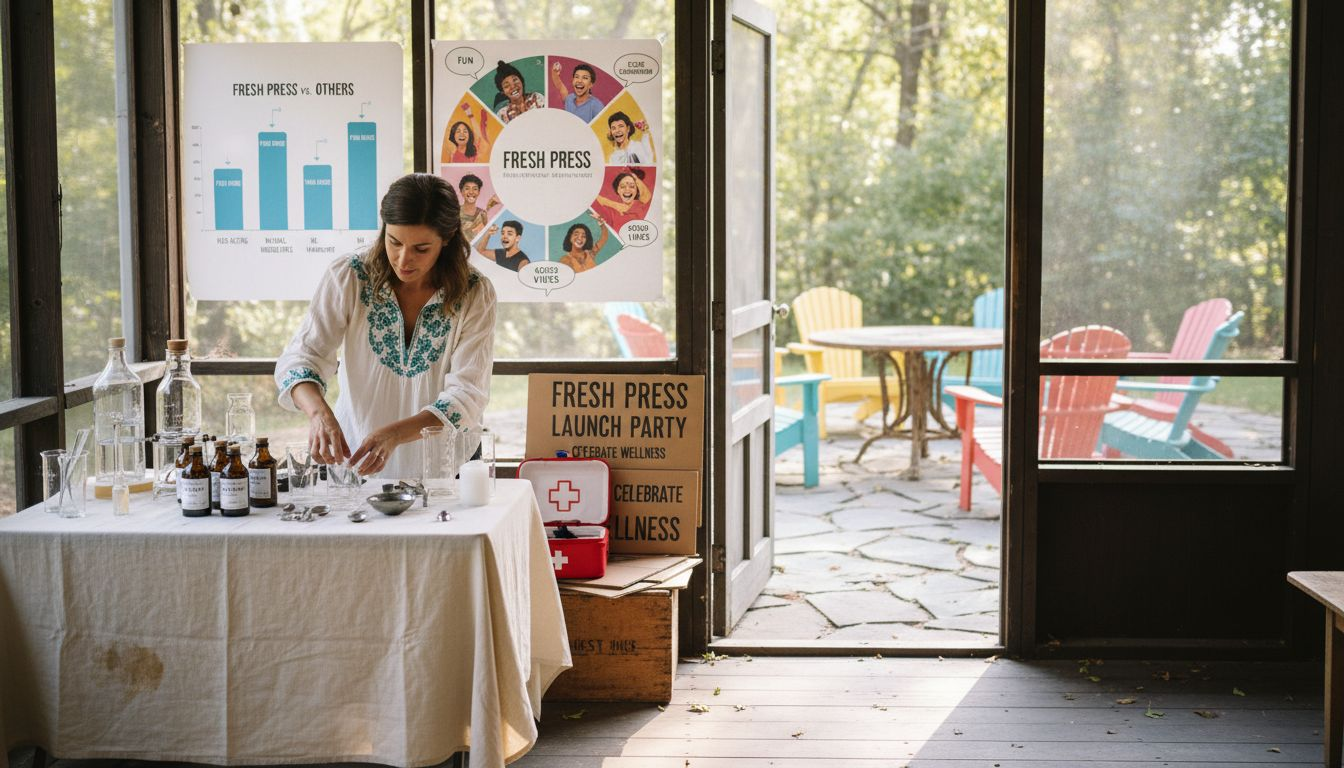
Prepare comprehensive safety measures before your event begins. Stock a first aid kit with bandages, pain relievers, and anti-nausea medication. Ensure fire extinguishers and smoke detectors function properly, especially if guests will use smoking methods. Have emergency contact numbers readily available, including poison control and local urgent care facilities.
Plan transportation options well in advance. Arrange rideshare accounts or designated drivers to ensure no impaired guest operates a vehicle. Communicate this expectation in invitations and remind guests upon arrival. Assign at least one sober supervisor to monitor guest wellbeing, manage dosing, and intervene if anyone experiences discomfort. For detailed guidance on safe practices, consult this safe cannabis consumption workflow.
Gather necessary tools including dosing utensils like droppers and measuring spoons, product labels, signage for consumption zones, notebooks for guest feedback, and palate cleansers like water and crackers. For inspiration on organizing your products, explore this THC bar cart setup guide.
Pro Tip: Create a pre-event checklist covering legal compliance, product verification, venue setup, safety gear, and guest communication to avoid last-minute scrambles.
Guest selection and event setup
Invite guests who share an interest in hemp-derived products and responsible consumption. Curate your list carefully, prioritizing individuals who respect boundaries, follow instructions, and contribute positively to group dynamics. Send detailed invitations 3 to 4 weeks in advance outlining:
- Event date, time, and duration (typically 2 to 3 hours)
- Legal age requirement and ID verification policy
- Transportation expectations and rideshare arrangements
- Product types to be sampled and basic dosing information
Venue considerations extend beyond ventilation to include comfort and social flow. Arrange seating in a circle or around a large table to encourage conversation and eye contact. Provide comfortable chairs, adequate lighting, and temperature control. Outdoor venues offer natural ventilation but require backup plans for weather changes. Indoor spaces need exhaust fans or open windows to disperse vapor and smoke.
Implement legal age verification at the entrance using a two-step process. First, check government-issued photo IDs against a verification checklist noting name, birth date, and expiration date. Second, have guests sign a log confirming their age and consent to participate. Display clear signage at entry points and consumption zones stating:
- “21+ Only: Valid ID Required”
- “Hemp-Derived Products: Know Your Limits”
- “No Alcohol or Outside Intoxicants”
Seating arrangements influence pacing and social interaction. Position product stations centrally so guests can approach together for each tasting round. Space seating to allow easy movement without crowding. Designate a quiet area where guests can rest if they feel overwhelmed by effects.
Establish guidelines for respectful guest behavior in your invitations and opening remarks. Emphasize that alcohol is prohibited to avoid dangerous intoxicant interactions. Request that guests avoid discussing dosing with inexperienced participants, defer to your guidance, and report any discomfort immediately. For more on managing consumption safely, refer to this cannabis consumption workflow.
Product selection and tasting flow
Select a diverse range of hemp-derived products showcasing different cannabinoid profiles, consumption methods, and potency levels. Aim for 4 to 6 products including:
- Low-THC beverages (2 to 5 mg THC per serving) with CBD or CBG
- Edibles like gummies or chocolates with balanced cannabinoid ratios
- Tinctures allowing precise dosing and fast sublingual absorption
- Hemp flower or pre-rolls for traditional consumption methods
Start your tasting with the lowest-potency products and progress gradually to higher doses. This approach allows guests to gauge their tolerance and avoid overconsumption. Space each sample 30 to 45 minutes apart to let effects fully manifest before adding more cannabinoids. This pacing prevents the common mistake of redosing too quickly, which leads to discomfort.
| Product Type | THC Content | CBD/CBG Ratio | Onset Time | Duration |
|---|---|---|---|---|
| Hemp beverage | 2 to 5 mg | 1:2 CBD | 15 to 30 min | 2 to 4 hours |
| Edible gummy | 5 to 10 mg | 1:1 CBD | 45 to 90 min | 4 to 6 hours |
| Tincture | 5 to 15 mg | 1:3 CBG | 15 to 45 min | 3 to 5 hours |
| Hemp flower | Variable | High CBD | 5 to 10 min | 1 to 3 hours |
Dose products carefully using measuring tools and clear instructions. Announce the cannabinoid content before each round and remind guests to start with the recommended serving size. Never pressure guests to consume more than they feel comfortable with. Provide written dosing information alongside each product so guests can reference it independently.
Avoid mixing intoxicants, especially alcohol, as this amplifies impairment and increases adverse effects like nausea, dizziness, and anxiety. Clearly communicate this rule in invitations and reinforce it during the event. Offer non-intoxicating beverages like sparkling water, herbal tea, and juice to keep guests hydrated and provide palate cleansers between samples.
Use clear labeling for every product, displaying cannabinoid content, serving size, and any allergen information. Place labels at product stations and include them in handouts guests can take home. For a deeper dive into cannabinoid differences, explore this guide on comparing THC and CBG. You can also review options in this hemp-derived beverages comparison or consult this hemp product comparison workflow.
Pro Tip: Keep a dosing journal during the event, noting which products guests prefer and any effects reported, to refine future tastings and personalize recommendations.
Atmosphere and safety measures
Create a safe, comfortable environment by prioritizing ventilation, supervision, and clear safety protocols. Proper airflow reduces secondhand exposure and prevents discomfort from accumulated smoke or vapor. Use exhaust fans, open windows, or outdoor spaces to maintain fresh air circulation throughout the event. If using indoor spaces, position air purifiers with HEPA filters near consumption zones.
Assign one or more sober supervisors depending on guest count. These individuals monitor guest behavior, manage dosing schedules, and intervene if anyone experiences adverse effects like anxiety, nausea, or dizziness. Supervisors should remain alert, avoid consuming products, and be trained in basic first aid and de-escalation techniques.
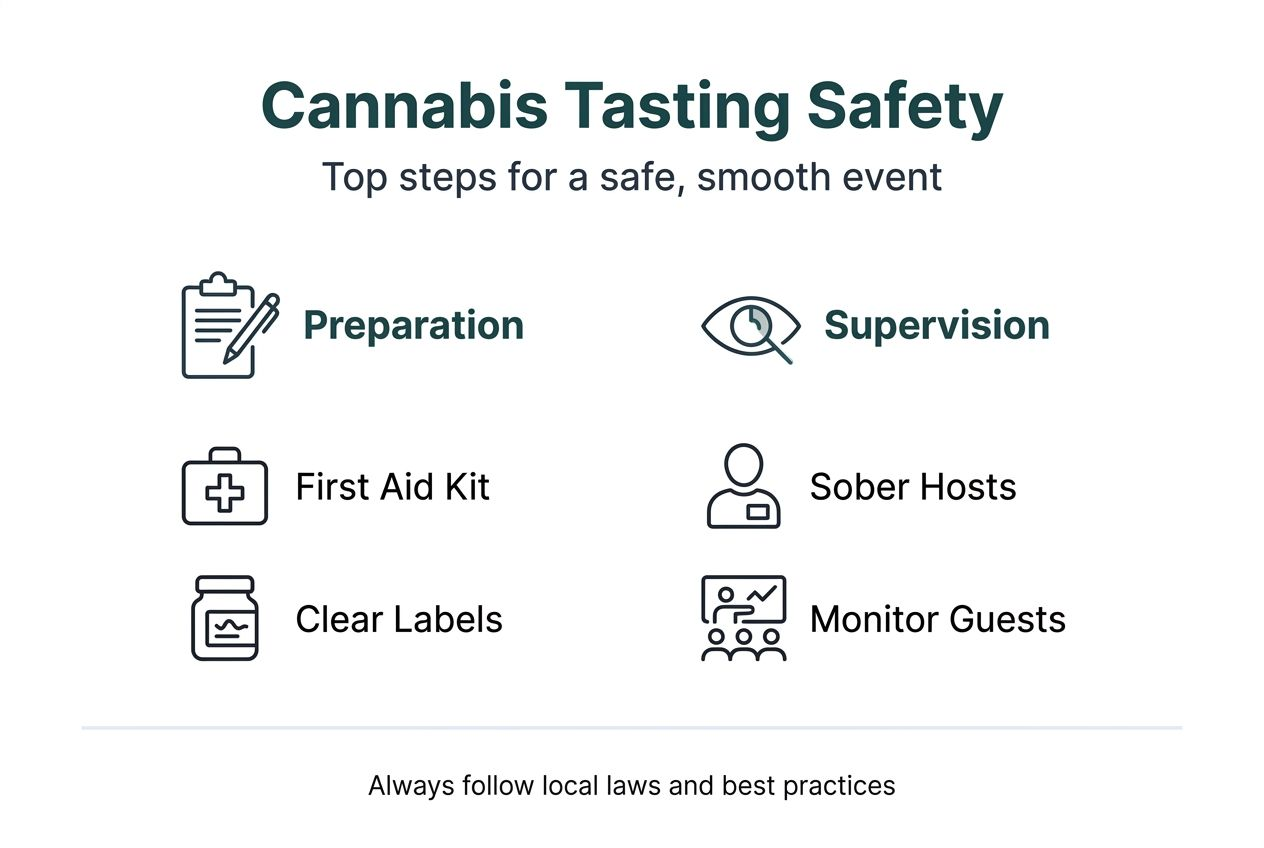
Arrange transportation options before the event starts. Provide rideshare vouchers, coordinate designated drivers, or offer guest accommodations if your venue allows overnight stays. Collect car keys upon arrival if necessary and return them only when guests are sober or leaving with a designated driver. Communicate this policy clearly in advance to avoid conflicts.
Establish clear rules about conduct and emergency procedures. Open the event with a brief safety briefing covering:
- Dosing guidelines and the importance of pacing
- Signs of overconsumption (rapid heartbeat, paranoia, nausea)
- Emergency contact procedures and supervisor roles
- Consumption zone boundaries and behavior expectations
- Transportation arrangements and departure protocols
“Your most important role as a host is not curating products but safeguarding guest wellbeing. A successful tasting means every guest leaves safely, comfortably, and with positive memories.”
Communicate safety expectations throughout the event, not just at the start. Remind guests before each tasting round about dosing and timing. Check in individually with guests who appear uncomfortable or withdrawn. Encourage guests to speak up if they feel effects intensifying unexpectedly.
Common mistakes and troubleshooting
Avoiding common pitfalls ensures your cannabis tasting proceeds smoothly and safely. Many hosts stumble over legal compliance, dosing management, ventilation, and supervision, but recognizing these issues early allows you to implement corrective strategies.
Ignoring state-specific laws and licensing requirements is the most serious mistake. Hosts often assume federal hemp legality covers all scenarios, but states impose unique restrictions on THC limits, venue types, and event permits. Check your state’s cannabis control board website at least 90 days before your event to identify required licenses, submit applications, and gather product documentation.
Poor dosing practices lead to guest discomfort and safety incidents. Common errors include:
- Starting with high-potency products that overwhelm inexperienced guests
- Failing to space samples adequately, causing cumulative intoxication
- Allowing guests to self-dose without guidance or measurement tools
- Neglecting to account for individual tolerance variations
Correct these by following structured dosing schedules, using precise measuring tools, and actively monitoring guest responses. If a guest consumes too much, move them to a quiet area, provide water and snacks, and keep them under observation until effects subside.
Inadequate ventilation causes discomfort and potential health complaints. Enclosed spaces without airflow trap smoke and vapor, leading to headaches, eye irritation, and respiratory issues. Prioritize outdoor venues or well-ventilated indoor spaces. If ventilation is limited, reduce the number of smoked products in favor of edibles and beverages.
Skipping sober supervision risks impaired driving and unmanaged adverse reactions. Assign at least one supervisor per 10 guests, and ensure they understand their responsibilities. If no one volunteers, reschedule the event rather than proceed without oversight. Supervisors should actively circulate, observe guests, and step in immediately if anyone shows signs of distress.
Mismanaging guest tolerance and behavior creates social friction and safety risks. Some guests may pressure others to consume more, while others may hide discomfort to avoid embarrassment. Set a tone of respect and individual autonomy in your opening remarks. Intervene quickly if anyone disregards boundaries or exhibits concerning behavior.
Expected outcomes and success metrics
Defining clear success indicators helps you evaluate your cannabis tasting and improve future events. Measurable goals ensure you prioritize guest safety, legal compliance, and positive experiences over subjective impressions.
Achieve a guest satisfaction rating above 85% by distributing post-event surveys covering product quality, safety measures, social atmosphere, and overall experience. Ask guests to rate each element on a 1 to 10 scale and provide open-ended feedback. High satisfaction scores correlate with repeat attendance and positive word-of-mouth referrals.
Maintain zero legal or regulatory incidents throughout the event. This includes no underage participation, no violations of THC limits, and full compliance with licensing and venue regulations. Document your compliance efforts including ID logs, product COAs, and permit copies to demonstrate due diligence if questioned by authorities.
Follow dosing and timing schedules strictly, with no deviations that compromise guest safety. Track each tasting round’s timing and cannabinoid content in a log. Verify that all guests adhered to recommended serving sizes and that supervisors intervened when necessary. Successful dosing management results in no overconsumption incidents or adverse reactions requiring medical attention.
Gather positive guest feedback on social and wellness experiences by asking specific questions about:
- Quality of social interaction and group dynamics
- Perceived wellness benefits like relaxation or stress relief
- Educational value and knowledge gained about cannabinoids
- Comfort with the event format and safety measures
Use these metrics to refine your approach for future tastings. Analyze patterns in feedback to identify strengths and weaknesses. For example, if multiple guests request more low-potency options, adjust your product selection accordingly.
| Success Metric | Target | Measurement Method |
|---|---|---|
| Guest satisfaction | 85%+ | Post-event survey ratings |
| Legal compliance | 100% | Zero incidents, complete documentation |
| Dosing adherence | 100% | Tasting log with no overconsumption events |
| Positive wellness feedback | 80%+ | Survey responses on relaxation and benefits |
| Repeat attendance intent | 70%+ | Guests expressing interest in future events |
Explore premium hemp-derived products at 23rd State
Now that you understand how to host a safe, legal cannabis tasting, explore the premium hemp-derived products that make these experiences unforgettable. 23rd State offers a curated selection of lab-tested cannabinoid beverages, edibles, and wellness products perfect for your next gathering.
Discover educational resources that deepen your understanding of cannabinoid profiles, consumption methods, and wellness applications through our hemp-derived cannabinoids guide. Compare options with our top hemp-derived beverages overview, or learn about the hemp wellness benefits that elevate every experience. Our commitment to quality, transparency, and education empowers you to host tastings that prioritize safety, enjoyment, and meaningful social connection.
FAQ
What are the legal THC limits for hemp-derived products at tastings?
Federal law caps hemp beverages at 0.4 mg THC per serving, while hemp products generally must contain no more than 0.3% THC by dry weight. State laws may impose stricter limits or additional licensing requirements, so verify your local regulations before hosting.
How many guests should I invite to a cannabis tasting?
Invite 8 to 12 guests for optimal social interaction and safety management. Smaller groups allow better dosing control, easier supervision, and more meaningful conversations. Larger gatherings increase complexity and risk.
What safety precautions are essential during the event?
Ensure proper ventilation to reduce secondhand exposure and maintain comfort. Assign at least one sober supervisor to monitor guest wellbeing and manage dosing. Arrange transportation options like rideshares or designated drivers, and establish clear emergency protocols including first aid access and contact numbers.
Can I serve alcohol at a cannabis tasting event?
No, mixing alcohol with cannabis amplifies impairment and increases adverse effects like nausea and anxiety. Prohibit alcohol at hemp-derived cannabis tastings to protect guest safety and maintain legal compliance. Offer non-intoxicating beverages instead.
