

Hemp biomass might sound like just another agricultural byproduct, but this plant material holds extraordinary power in the fight against climate change. Research shows that hemp biochar can remove 10 billion tonnes of CO2 annually when deployed at scale, making it one of the most promising carbon capture solutions available today. Yet many people still confuse hemp biomass with CBD oil or fabric, missing its broader potential in sustainable wellness and eco-friendly lifestyles. This guide clarifies what hemp biomass actually is, why it matters for environmental sustainability in 2026, and how it connects to conscious consumer choices in the cannabis wellness market.
Table of Contents
- Understanding Hemp Biomass: Definition And Sustainability Impact
- Economic And Social Benefits Of Hemp Biomass Production
- Applications Of Hemp Biomass In Wellness And Eco-Friendly Lifestyles
- Explore Sustainable Hemp Solutions At 23rd State
- Frequently Asked Questions
Key takeaways
| Point | Details |
|---|---|
| Hemp biomass definition | Plant material from hemp harvests including stalks, leaves, and hurds used for sustainable products and carbon capture. |
| Climate impact potential | Can sequester up to 10 billion tonnes of CO2 annually through biochar production at scale. |
| Economic advantage | Hemp biochar costs $45-60 per tonne CO2, roughly 10 times cheaper than direct air capture methods. |
| Job creation power | Production can generate 600 million jobs worldwide, primarily benefiting rural communities. |
| Wellness applications | Supports eco-friendly lifestyle choices through hemp-derived oils, fibers, and sustainable product alternatives. |
Understanding hemp biomass: definition and sustainability impact
Hemp biomass refers to the harvested plant material from industrial hemp crops, encompassing stalks, leaves, hurds (the woody core), and other organic matter left after processing. Unlike the flowers used for CBD extraction or the fibers spun into textiles, biomass represents the bulk material that often gets overlooked despite its remarkable environmental value. This resource has gained attention in 2026 as scientists and farmers recognize its dual role in carbon sequestration and sustainable product manufacturing.
The sustainability power of hemp lies in its aggressive growth cycle. Hemp absorbs 8-20 tonnes of CO2 per hectare during each harvest, pulling carbon dioxide from the atmosphere faster than most crops. That carbon gets locked into the plant’s cellular structure, creating biomass rich in organic compounds. When you convert this material into biochar through controlled heating without oxygen, you create a stable carbon storage system that can last centuries in soil.
Biochar made from hemp biomass acts like a carbon vault. The process transforms raw plant matter into a charcoal-like substance that resists decomposition, trapping atmospheric carbon in a form that won’t easily return to the air. Farmers can then apply this biochar to agricultural lands, where it improves soil health while permanently storing carbon. This dual benefit makes hemp biochar particularly attractive for climate mitigation strategies.
The global potential staggers the imagination. Using just 1 billion hectares of degraded grasslands for hemp cultivation could remove 10 billion tonnes of CO2 annually, equivalent to roughly a quarter of current global emissions. These degraded lands already exist and don’t compete with food production, making hemp biomass cultivation a practical solution rather than a theoretical concept.
Hemp thrives where other crops struggle. It grows well on marginal lands with minimal inputs, requires less water than cotton, and naturally suppresses weeds without heavy herbicide use. This resilience means farmers can rehabilitate damaged ecosystems while generating valuable biomass, creating a positive ecological feedback loop that benefits both climate and biodiversity.
Key hemp biomass components and their uses:
- Stalks provide structural fibers for construction materials and biocomposites
- Hurds serve as absorbent bedding, insulation, and biochar feedstock
- Leaves contain minor cannabinoids and can be processed for wellness extracts
- Seeds offer nutrition and oil for food and cosmetic applications
“Hemp represents one of the most versatile and sustainable crops available to modern agriculture, with biomass applications extending far beyond traditional fiber and seed markets into critical carbon sequestration roles.” This perspective from sustainability researchers highlights why understanding hemp types and uses matters for anyone interested in eco-conscious lifestyle choices.
Economic and social benefits of hemp biomass production
Hemp biomass production creates tangible economic opportunities that extend far beyond environmental benefits. The potential for 600 million jobs worldwide positions this industry as a major employment generator, particularly in rural areas where agricultural diversification can revitalize struggling communities. These jobs span cultivation, harvesting, processing, biochar production, and distribution, creating multiple income streams from a single crop cycle.
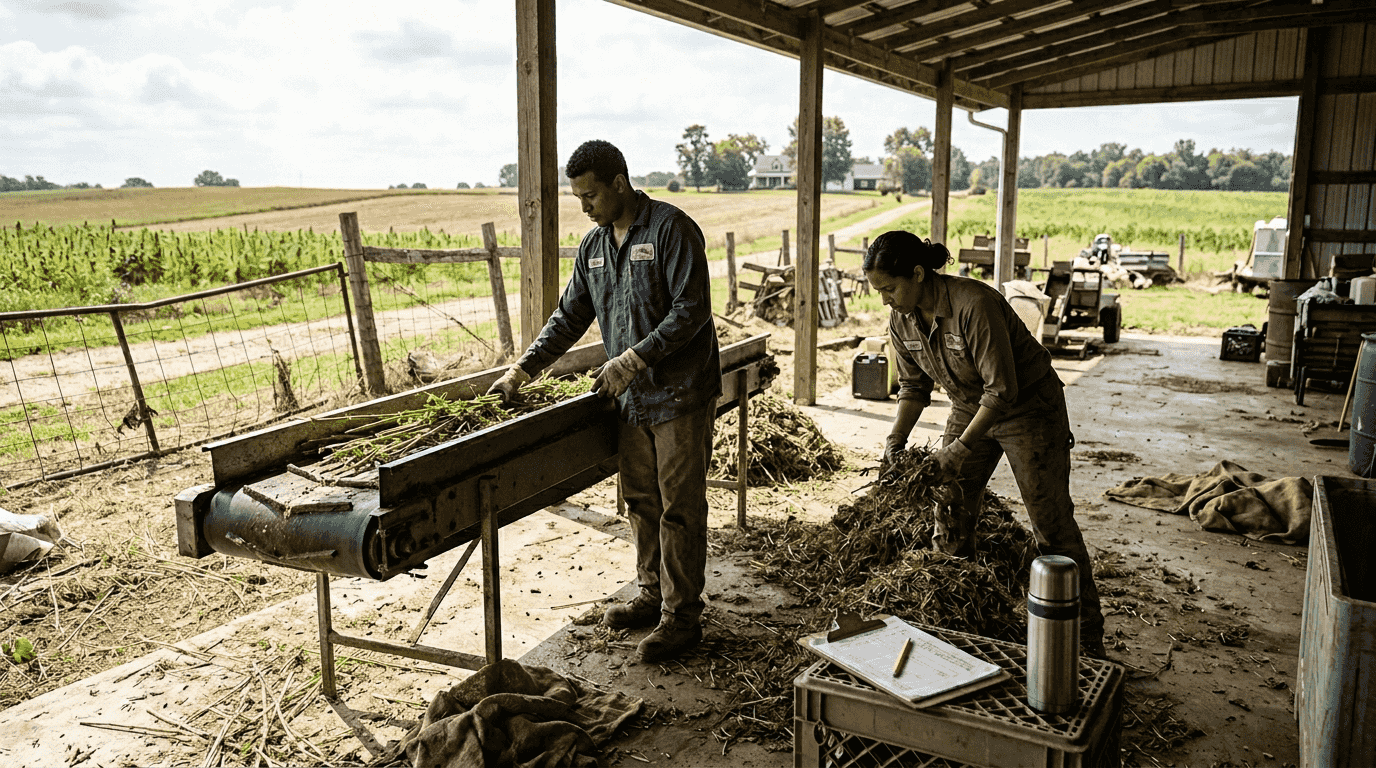
Rural economic development gains momentum when farmers can monetize every part of the hemp plant. Traditional agriculture often leaves biomass as waste, but hemp systems turn that waste into profit. Farmers sell flowers for cannabinoid extraction, fibers for textiles, seeds for food products, and remaining biomass for biochar or building materials. This integrated approach maximizes land productivity while spreading financial risk across multiple revenue channels.
The cost advantage of hemp biochar at $45-60 per tonne CO2 compared to direct air capture methods fundamentally changes the economics of carbon removal. Direct air capture technologies can cost $600 or more per tonne, making them prohibitively expensive for widespread deployment. Hemp biochar achieves similar carbon storage at a fraction of the cost, opening pathways for companies and governments to meet climate commitments without breaking budgets.
Investment returns look promising when you stack revenue streams properly. Studies indicate hemp biochar systems can generate 25-35% internal rate of return through integrated product portfolios. This financial viability attracts private capital to sustainable agriculture, creating a virtuous cycle where profit motives align with environmental goals. Investors see hemp biomass not as charity but as sound business strategy.
Economic advantages of hemp biomass systems:
- Multiple revenue streams from single crop reduces market risk
- Lower production costs compared to conventional carbon capture technologies
- Existing agricultural infrastructure can be adapted with minimal capital investment
- Carbon credit markets provide additional income for verified sequestration
- Processing facilities create year-round employment beyond seasonal farming work
- Export opportunities for biochar and hemp products expand market reach
Pro Tip: Farmers looking to enter hemp biomass production can leverage existing grain handling and drying equipment with minor modifications, significantly reducing startup costs compared to building dedicated facilities from scratch. This equipment compatibility makes hemp an accessible diversification option for conventional row crop operations.
The social impact extends beyond job numbers to community resilience. Hemp cultivation requires less mechanization than some industrial crops, creating more hands-on employment opportunities. Processing facilities become community anchors, providing stable wages and benefits that support local economies. As these operations mature, they generate secondary businesses in equipment repair, logistics, and professional services, multiplying the initial economic impact.
For those interested in eco-friendly hemp usage, understanding the economic viability helps explain why hemp products increasingly appear in wellness and lifestyle markets. When production makes financial sense, supply chains develop, prices stabilize, and consumers gain access to sustainable alternatives that don’t require premium pricing.
Applications of hemp biomass in wellness and eco-friendly lifestyles
Hemp biomass derivatives have penetrated wellness and lifestyle markets through diverse applications that appeal to environmentally conscious consumers. The same plant material used for carbon sequestration also yields compounds and materials for personal care, nutrition, and sustainable living. This versatility positions hemp as a cornerstone ingredient for people seeking to align purchasing decisions with environmental values.
Wellness applications start with cannabinoid-rich extracts from hemp biomass that contains minor cannabinoids beyond CBD. While flowers get most attention, leaves and smaller plant parts contribute to full-spectrum oils used in tinctures, topicals, and edibles. These extracts offer consumers natural wellness options derived from regenerative agriculture rather than synthetic production. The connection between sustainable farming practices and product quality resonates with health-focused buyers who view environmental stewardship and personal wellness as interconnected.
Hemp fibers from biomass create textiles for clothing, bedding, and accessories that biodegrade naturally unlike synthetic alternatives. These materials breathe well, resist mold, and soften with use, making them practical choices for everyday items. Consumers switching from polyester to hemp-based fabrics reduce microplastic pollution while supporting agricultural systems that improve soil health. This tangible connection between product choice and environmental outcome drives adoption among eco-conscious shoppers.
Construction and home goods represent another biomass application gaining traction. Hempcrete, made from hurds mixed with lime, provides natural insulation with excellent thermal and moisture properties. Hemp fiberboard offers a sustainable alternative to wood products, reducing pressure on forests. These materials create healthier indoor environments by regulating humidity and avoiding off-gassing associated with conventional building products.
Hemp biomass wellness and lifestyle uses:
- Full-spectrum oils for dietary supplements and topical applications
- Natural fibers for sustainable fashion and home textiles
- Hempcrete and insulation for green building projects
- Biodegradable packaging materials replacing petroleum-based plastics
- Animal bedding that composts cleanly after use
- Paper products from hemp pulp reducing tree harvesting
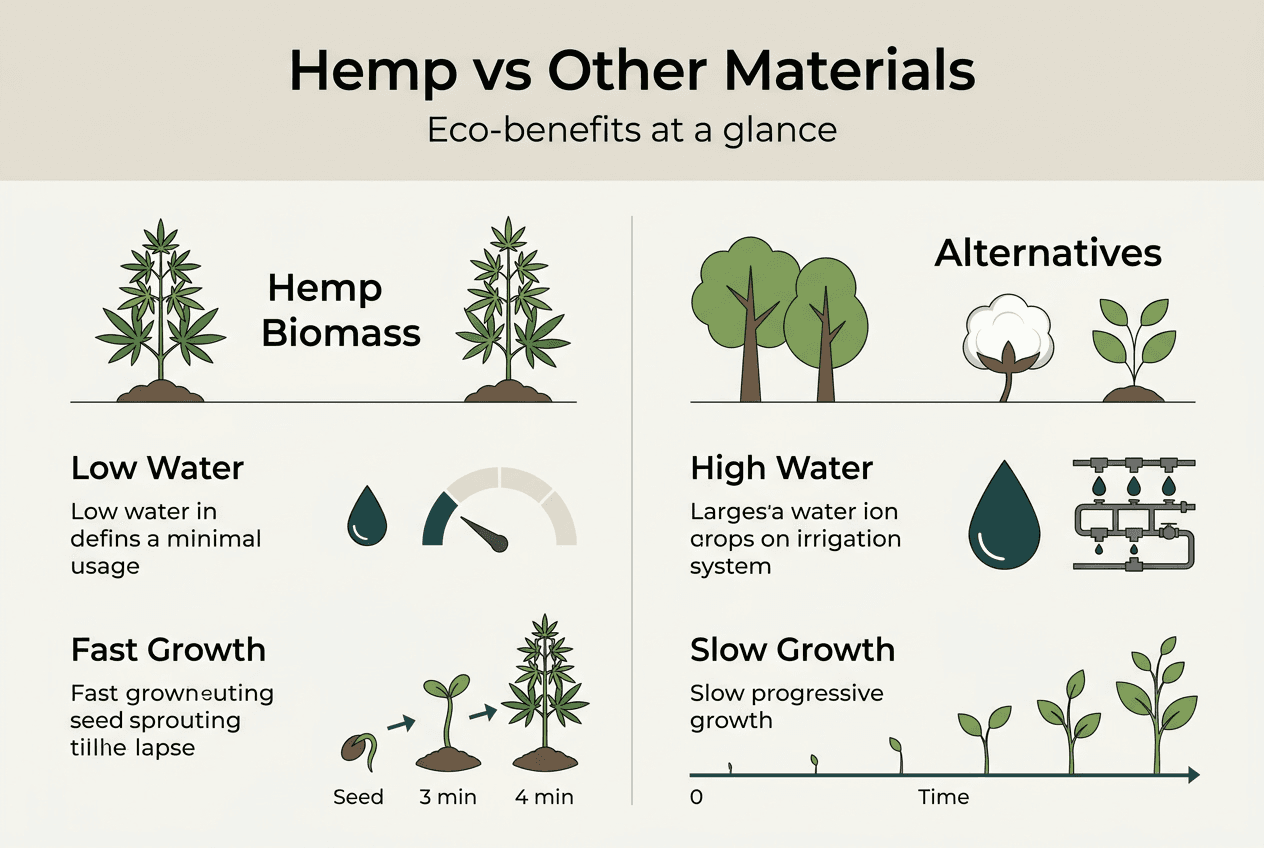
| Material | Hemp Biomass | Cotton | Synthetic Polymer |
|---|---|---|---|
| Water usage | Low | Very High | Moderate |
| Carbon footprint | Negative (sequesters CO2) | Positive | High positive |
| Biodegradability | Complete | Complete | None to minimal |
| Soil impact | Improves soil health | Depletes without inputs | Not applicable |
| Pesticide needs | Minimal | Heavy | Not applicable |
The comparison reveals why hemp biomass products appeal to sustainability-focused consumers. Unlike resource-intensive alternatives, hemp production actively benefits ecosystems while delivering functional materials. This environmental profile supports marketing claims that resonate with buyers tired of greenwashing and seeking verifiable sustainability credentials.
Pro Tip: When choosing hemp-based wellness products, look for brands that source from regenerative farms and provide transparency about their supply chain. Products that utilize whole-plant processing, including biomass components, typically indicate more sustainable operations than those focusing solely on isolated compounds.
Recreational cannabis users increasingly appreciate hemp biomass’s role in sustainable cultivation practices. Understanding that hemp plays a vital role in lifestyle choices helps consumers make informed decisions about product sourcing. The same carbon-sequestering properties that make hemp valuable for climate mitigation also signal farming practices that prioritize soil health and ecosystem balance, qualities that translate to cleaner, more sustainable end products.
Personal care applications leverage hemp seed oil and extracts from biomass processing. These ingredients appear in lotions, soaps, and cosmetics, offering moisturizing properties and antioxidants. The benefits of hemp in skincare extend beyond ingredient efficacy to encompass the environmental story behind production. Consumers concerned about beauty product sustainability find hemp-based options align with values around clean beauty and ecological responsibility.
Nutritional applications round out the wellness picture. Hemp seeds provide complete protein, omega fatty acids, and minerals, making them valuable for plant-based diets. Processing biomass efficiently means these nutritional products come from farming systems that generate multiple value streams, improving economic viability while reducing waste. This integrated approach to hemp wellness benefits demonstrates how environmental sustainability and personal health goals can reinforce rather than compete with each other.
Explore sustainable hemp solutions at 23rd State
Understanding hemp biomass opens doors to more informed choices about wellness products and sustainable living. At 23rd State, we bridge the gap between hemp’s environmental potential and practical applications in your daily life. Our curated selection of hemp-derived products reflects the same commitment to sustainability and quality that makes hemp biomass such a powerful climate solution.
Whether you’re exploring cannabinoid wellness options or seeking eco-friendly lifestyle alternatives, our educational resources help you navigate the expanding hemp marketplace with confidence. Dive deeper into hemp wellness benefits to understand how regenerative agriculture translates to premium products. Our eco-friendly hemp usage guide connects the dots between sustainable farming practices and conscious consumer choices, empowering you to make purchases that align with both personal health goals and environmental values.
Frequently asked questions
What is hemp biomass used for?
Hemp biomass serves multiple purposes ranging from biochar production for carbon sequestration to manufacturing sustainable building materials, textiles, and wellness products. The woody hurds become insulation or animal bedding, while fibers create durable fabrics and paper. Processing facilities extract minor cannabinoids from leaves and smaller plant parts for wellness applications. This versatility allows farmers to monetize the entire plant rather than treating post-harvest material as waste, creating economic incentives for sustainable agriculture.
How does hemp biomass help fight climate change?
Hemp biomass combats climate change primarily through biochar production, which converts plant material into stable carbon that remains sequestered in soil for centuries. Hemp biochar can remove 10 billion tonnes of CO2 annually when deployed across degraded grasslands at scale. The plant’s rapid growth cycle absorbs atmospheric carbon dioxide during cultivation, and converting that biomass to biochar prevents carbon from returning to the atmosphere through decomposition. This dual action of capture and storage makes hemp biomass one of the most effective nature-based climate solutions available.
Is hemp biomass cost-effective compared to other carbon capture methods?
Hemp biomass offers exceptional cost advantages over technological carbon capture approaches. Hemp biochar costs $45-60 per tonne of CO2 removed, roughly one-tenth the expense of direct air capture systems that can exceed $600 per tonne. This affordability stems from hemp’s natural growth process doing the heavy lifting of carbon absorption, with biochar production requiring relatively simple pyrolysis technology. The cost differential makes hemp biomass accessible for large-scale deployment without massive capital investments, opening pathways for widespread climate mitigation that pencils out economically.
Can hemp biomass support local economies?
Hemp biomass production creates substantial economic opportunities, particularly in rural communities seeking agricultural diversification. Research indicates hemp biochar systems could generate 600 million jobs globally, with most positions located in farming and processing regions. These jobs span cultivation, harvest, transportation, biochar production, and product manufacturing, creating year-round employment beyond seasonal agricultural work. Local processing facilities become economic anchors, generating tax revenue and supporting secondary businesses in equipment, logistics, and professional services that multiply the initial impact.
How does hemp biomass compare to other sustainable materials?
Hemp biomass outperforms many alternatives across environmental metrics including water usage, carbon footprint, and soil impact. It requires significantly less water than cotton while actively improving soil structure rather than depleting it. Unlike synthetic materials derived from petroleum, hemp biodegrades completely and actually sequesters carbon during growth. The plant’s natural pest resistance reduces chemical inputs compared to conventional crops, and its ability to thrive on marginal lands means production doesn’t compete with food agriculture. This combination of benefits positions hemp as a superior choice for consumers prioritizing genuine sustainability over greenwashed alternatives.
