

Choosing legal hemp products can feel overwhelming when federal laws shift and product quality varies wildly. Many US adults want hemp for wellness or recreation but face confusing legal definitions and inconsistent testing standards. New 2026 federal regulations redefine legal hemp with stricter THC limits and mandatory testing requirements that change what you can legally buy. This guide walks you through navigating regulations, reading lab reports, and selecting product types so you can confidently pick legal hemp that meets safety standards and delivers the benefits you’re seeking.
Table of Contents
- Key takeaways
- Understanding legal hemp definitions and regulations
- Evaluating hemp product quality: COA and contaminants
- Choosing hemp based on source and extraction methods
- Practical steps to pick the right hemp product for your needs
- Explore trusted hemp products at 23rd State
- Frequently asked questions
Key Takeaways
| Point | Details |
|---|---|
| Total THC limit | The 2026 law requires total THC including THCA to be at or below 0.3 percent and limits container totals to 0.4 mg per unit. |
| COA verification | Rely on third party ISO 17025 accredited labs and ensure the COA shows THC within limits and no detectable pesticides, heavy metals, or solvents. |
| US grown hemp | Prefer US grown organic hemp extracted with supercritical CO2 for purity and safety. |
| State shipping rules | State laws vary on THC caps and shipping, so verify current regulations before purchasing. |
| Start low doses | Begin with low dose full or broad spectrum products aligned to your wellness goals. |
Understanding legal hemp definitions and regulations
Federal hemp regulations have evolved significantly since the 2018 Farm Bill first legalized Cannabis sativa containing ≤0.3% delta-9 THC. New 2026 federal law redefines legal hemp to require ≤0.3% total THC including THCA plus container limits of ≤0.4mg total THC, excluding synthetic cannabinoids. This distinction matters because THCA converts to THC when heated, making the total THC calculation critical for compliance.
The total THC formula multiplies THCA by 0.877 then adds delta-9 THC to determine if a product meets federal limits. Products containing delta-8 THC synthesized from CBD now fall outside legal hemp definitions under 2026 rules. You need to understand these technical details because mislabeled products flood the market, and purchasing non-compliant hemp carries legal risks even if you’re unaware of the violation.
State laws add complexity with varying THC caps and restrictions on sales and shipping that require your attention before buying. Some states maintain zero-tolerance THC policies while others impose stricter limits than federal standards. Consider these state-level variations:
- Idaho and Kansas prohibit all THC including trace amounts in hemp products
- Iowa restricts THC to 0.3% but limits total product THC content
- Several states require state-specific testing and labeling beyond federal requirements
- Shipping restrictions vary with some states banning interstate hemp product deliveries
- Local municipalities may impose additional regulations on hemp sales
Check your state’s current hemp laws before purchasing because regulations change frequently and non-compliance can result in confiscated products or legal consequences. Understanding hemp legality variations helps you make informed decisions about what you can legally buy and possess.
“The 2026 regulatory tightening reflects federal efforts to close loopholes and standardize hemp product safety, making consumer vigilance more important than ever for legal compliance.”
Evaluating hemp product quality: COA and contaminants
A Certificate of Analysis (COA) serves as your primary tool for verifying hemp product legality and safety. Third-party labs with ISO 17025 accreditation conduct independent testing that manufacturers cannot manipulate, providing trustworthy results you can rely on. COA from accredited labs must show THC ≤0.3% dry weight and non-detectable contaminants including pesticides, heavy metals, microbials, and solvents.
Every legitimate hemp product should have a current COA available through QR codes, website links, or direct request from the seller. Examine these critical COA elements before purchasing:
- Delta-9 THC or total THC measurement matching current federal limits
- Batch number matching the product packaging exactly
- Test date within the past 12 months for accuracy
- Pesticide panel showing non-detect or below EPA limits
- Heavy metals testing for lead, arsenic, cadmium, and mercury
- Microbial contamination screening for molds and bacteria
- Residual solvent analysis if applicable to extraction method
Pro Tip: Scan product QR codes to access COA directly from lab websites rather than trusting seller-provided documents, which reduces the risk of encountering falsified reports.
Contaminant testing protects you from unsafe products that slip through inadequate quality control. Review this table showing typical COA parameters with acceptable versus failed results:
| Test parameter | Acceptable result | Failed result |
|---|---|---|
| Total THC | ≤0.3% dry weight | >0.3% dry weight |
| Lead (Pb) | <0.5 ppm | ≥0.5 ppm |
| Arsenic (As) | <1.5 ppm | ≥1.5 ppm |
| Cadmium (Cd) | <0.5 ppm | ≥0.5 ppm |
| Mercury (Hg) | <3.0 ppm | ≥3.0 ppm |
| Pesticides | Non-detect (ND) | Any detection |
| Microbials | <10,000 CFU/g | ≥10,000 CFU/g |
| Residual solvents | <5000 ppm | ≥5000 ppm |
Mislabeling remains widespread in the hemp industry with studies finding significant discrepancies between labeled and actual cannabinoid content. COA verification becomes essential because unregulated products may contain harmful contaminants or illegal THC levels that put you at risk. Learning to read hemp safety documentation empowers you to make informed purchasing decisions.
Quality manufacturers proudly display their testing results and provide easy COA access. Sellers who hesitate to share lab reports or provide outdated certificates raise red flags about product integrity. Understanding handcrafted hemp product quality standards helps you identify trustworthy brands committed to transparency.
Choosing hemp based on source and extraction methods
Hemp functions as a bioaccumulator, absorbing heavy metals and contaminants from soil during growth. This characteristic makes cultivation practices critically important for final product safety. Organic, US-grown hemp minimizes heavy metals due to bioaccumulation concerns and stricter agricultural controls compared to imported sources.
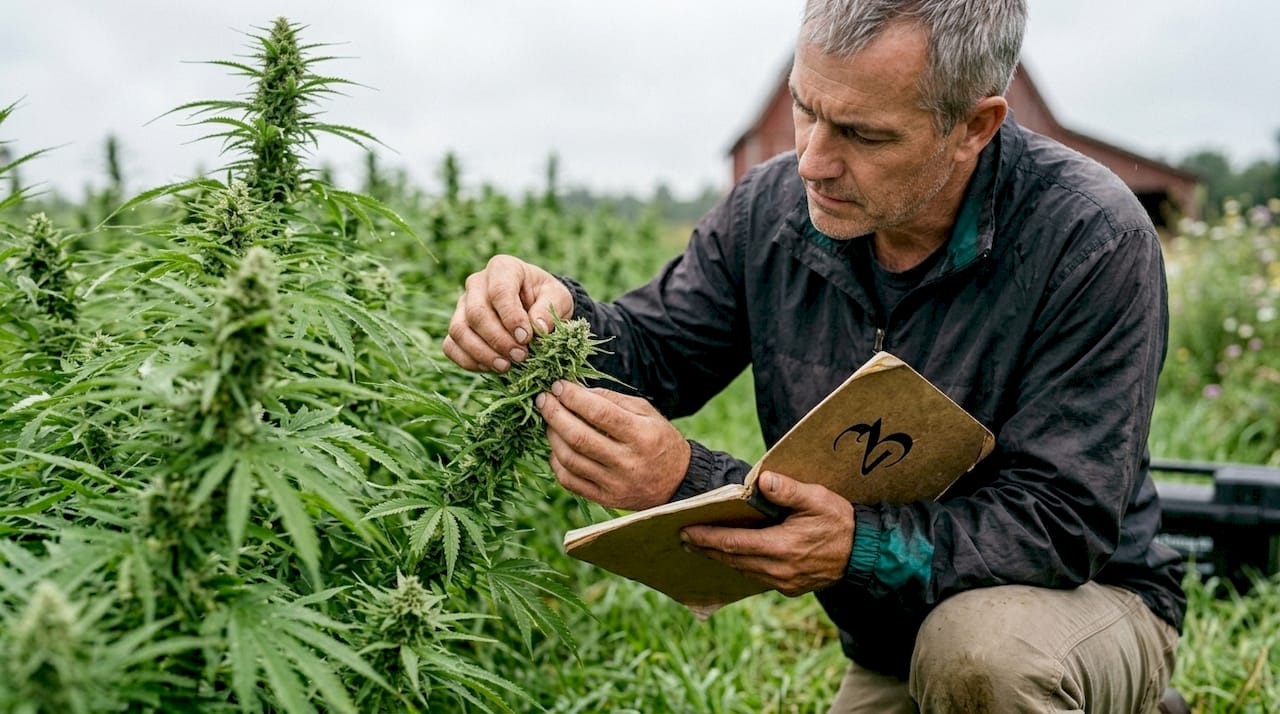
US hemp farms operate under USDA organic certification standards that prohibit synthetic pesticides and require soil testing. These regulations provide quality assurance that foreign-grown hemp may lack, especially from regions with less stringent agricultural oversight. Choosing domestic hemp supports transparency in sourcing while reducing contamination risks from unknown farming practices.
Extraction methods dramatically impact the purity, safety, and terpene profile of your hemp products. Supercritical CO2 extraction preserves purity and terpenes better than solvent methods, resulting in higher quality products. Compare these common extraction approaches:
- Supercritical CO2 extraction: Uses pressurized carbon dioxide to extract cannabinoids without chemical solvents, preserving full terpene profiles and producing pure extracts free from residual contaminants
- Ethanol extraction: Employs food-grade alcohol as solvent, effective but may strip some terpenes and require additional purification steps to remove residual ethanol
- Hydrocarbon extraction: Uses butane or propane solvents for high yields but carries risks of residual solvent contamination if purging is incomplete
- Olive oil extraction: Simple home method that’s safe but produces less concentrated extracts with shorter shelf life
Pro Tip: Look for “CO2-extracted” or “supercritical extraction” on product labels as quality indicators showing manufacturers invested in premium processing methods.
Solvent-based extractions may leave trace chemicals that require rigorous purging and testing to ensure safety. Even small amounts of residual solvents can cause adverse reactions in sensitive individuals. Non-CO2 methods also tend to produce less complex terpene profiles, reducing the entourage effect that makes full-spectrum hemp products more effective.
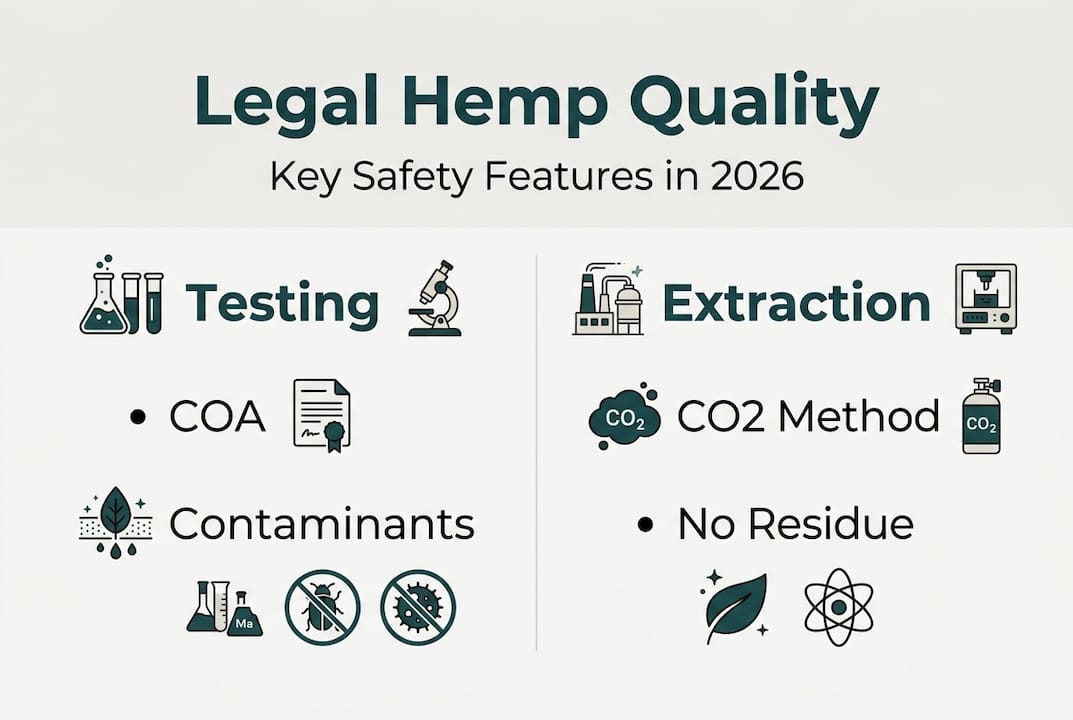
Understanding hemp extraction’s impact on wellness benefits helps you evaluate whether a product’s processing aligns with your quality expectations. Premium extraction methods cost more but deliver cleaner, more effective products worth the investment for serious wellness users.
Practical steps to pick the right hemp product for your needs
Selecting the right hemp product requires matching product characteristics to your specific wellness goals and usage preferences. Follow these actionable steps to make informed decisions:
-
Define your primary wellness goal: Identify whether you’re seeking sleep support, stress relief, pain management, focus enhancement, or recreational relaxation to narrow product options.
-
Choose your spectrum type: Full-spectrum contains all plant compounds including trace THC for maximum entourage effect, broad-spectrum offers cannabinoids and terpenes without THC, while isolate provides pure CBD without other compounds.
-
Start with conservative dosing: Begin with 5-10mg CBD equivalent, adjust by 5mg increments based on effects, and maintain consistent timing for accurate assessment.
-
Verify seller reputation and product claims: Research customer reviews, check for third-party testing transparency, and avoid products making unapproved disease claims that violate FDA regulations.
The entourage effect describes how cannabinoids, terpenes, and flavonoids work synergistically to enhance therapeutic benefits beyond isolated compounds. Full-spectrum products leverage this interaction for more comprehensive effects, though trace THC content may cause positive drug tests in sensitive screening.
Evaluate products and sellers using these practical tips:
- Review independent customer feedback on multiple platforms, not just seller websites
- Verify business registration and length of operation for established track records
- Confirm money-back guarantees or satisfaction policies that demonstrate confidence
- Check for educational resources showing commitment to consumer information
- Assess customer service responsiveness through pre-purchase inquiries
- Compare pricing across similar products to identify unrealistic bargains suggesting quality compromises
Pro Tip: Keep a usage journal tracking dose, timing, and effects for two weeks to identify optimal dosing patterns and product types for your individual response.
Consistent usage matters more than sporadic high doses because cannabinoids build in your system over time. Taking hemp products at the same time daily helps you accurately assess effectiveness and make informed adjustments. Remember that full-spectrum products with trace THC may trigger positive results on sensitive drug screening, so consider broad-spectrum or isolate options if workplace or legal testing concerns apply to your situation.
Exploring comprehensive guides on choosing hemp for wellness provides additional context for matching product characteristics to your specific health and lifestyle needs.
Explore trusted hemp products at 23rd State
Navigating hemp regulations and quality standards requires reliable sources committed to transparency and compliance. 23rd State offers US-grown, lab-tested hemp products that meet 2026 federal requirements while providing the quality and consistency you need for confident purchasing decisions. Every product undergoes rigorous third-party testing with accessible COA documentation that verifies legal compliance and safety standards.
The platform provides detailed product information including extraction methods, spectrum types, and suggested usage guidance to help you make informed selections. Educational resources complement product offerings, giving you the knowledge to understand what you’re buying and why it matters for your wellness goals.
“Choosing trusted brands with transparent testing and US sourcing eliminates guesswork and ensures you’re getting legal, safe hemp products that deliver consistent results.”
Explore the 23rd State hemp collection to discover products backed by quality assurance and regulatory compliance. Review the comprehensive hemp product selection guide for detailed comparisons and recommendations. Deepen your understanding through resources on hemp safety standards that explain testing protocols and quality indicators in plain language.
Frequently asked questions
What tests confirm hemp product legality?
Third-party lab COA from ISO 17025-accredited facilities showing delta-9 THC ≤0.3% or total THC ≤0.3% post-November 2026 confirms federal legality. The COA must also demonstrate absence of contaminants including pesticides, heavy metals, microbials, and residual solvents to meet safety standards.
Can hemp products cause positive drug tests?
Full-spectrum hemp containing trace THC can trigger positive drug test results even when THC levels fall below legal limits. Sensitive screening methods detect these trace amounts, making broad-spectrum or isolate products safer choices if you face workplace or legal drug testing.
How do extraction methods affect hemp quality?
Supercritical CO2 extraction preserves beneficial terpenes and produces purer extracts compared to solvent-based methods. This process avoids residual chemical contamination while maintaining the full spectrum of plant compounds that contribute to the entourage effect and overall product effectiveness.
What spectrum type works best for wellness goals?
Full-spectrum products deliver maximum entourage effect benefits for comprehensive wellness support but contain trace THC. Broad-spectrum offers similar benefits without THC for those concerned about drug testing, while isolate provides targeted CBD effects without other cannabinoids or terpenes.
How quickly should I expect hemp products to work?
Effects vary by delivery method with sublingual oils working within 15 to 45 minutes, edibles taking 1 to 2 hours, and topicals providing localized relief within 20 to 40 minutes. Consistent daily use over two weeks allows cannabinoids to build in your system for more noticeable sustained benefits.
