

TL;DR:
- Hemp enhances fitness through protein, seeds, oil, and CBD, supporting recovery, nutrition, and inflammation management. Proper selection, dosing, and lab verification ensure safety, legality, and effectiveness for athletes. CBD mainly aids recovery and sleep, while hemp protein offers a complete, gut-friendly macro; consistency and informed choices maximize benefits.
Integrating hemp into fitness means using hemp protein powder, hemp seeds, hemp oil, and hemp-derived CBD products strategically within your workout nutrition and recovery routine. These are not fringe supplements anymore. Hemp nutrition for exercise has moved into the mainstream, backed by a growing body of research from 2025 and 2026 that separates real benefits from marketing noise. Whether you are chasing faster recovery, cleaner protein sources, or better sleep after hard training days, hemp has a specific role to play. This guide breaks down exactly how to use each form, what the science actually says, and what to watch out for.
How to integrate hemp into fitness: the product breakdown
Hemp offers three distinct product categories for fitness use, and each one serves a different purpose in your routine. Understanding the difference between hemp protein, hemp seeds and oil, and hemp-derived CBD is the starting point for using any of them well.
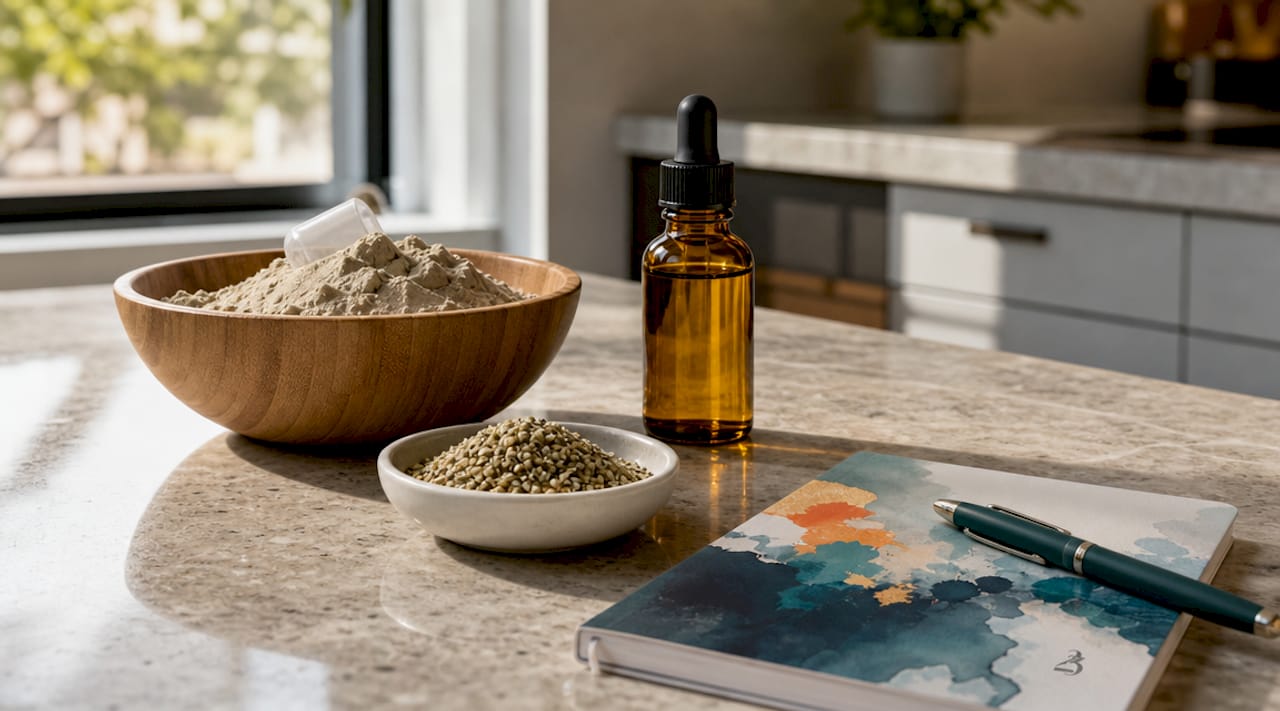
Hemp protein powder is the most direct nutritional tool. Hemp protein supports muscle growth with all essential amino acids, plus added fiber and omega-3 fatty acids that most whey-based proteins skip entirely. That fiber content is genuinely useful for athletes who train hard and want gut-friendly recovery nutrition.
Hemp seeds and hemp oil are your healthy fat and micronutrient sources. They deliver omega-3 and omega-6 fatty acids in a ratio that supports inflammation management, and they blend easily into smoothies, salads, and post-workout bowls. Think of them the way you would think about flaxseed or chia, but with a nuttier, creamier flavor.
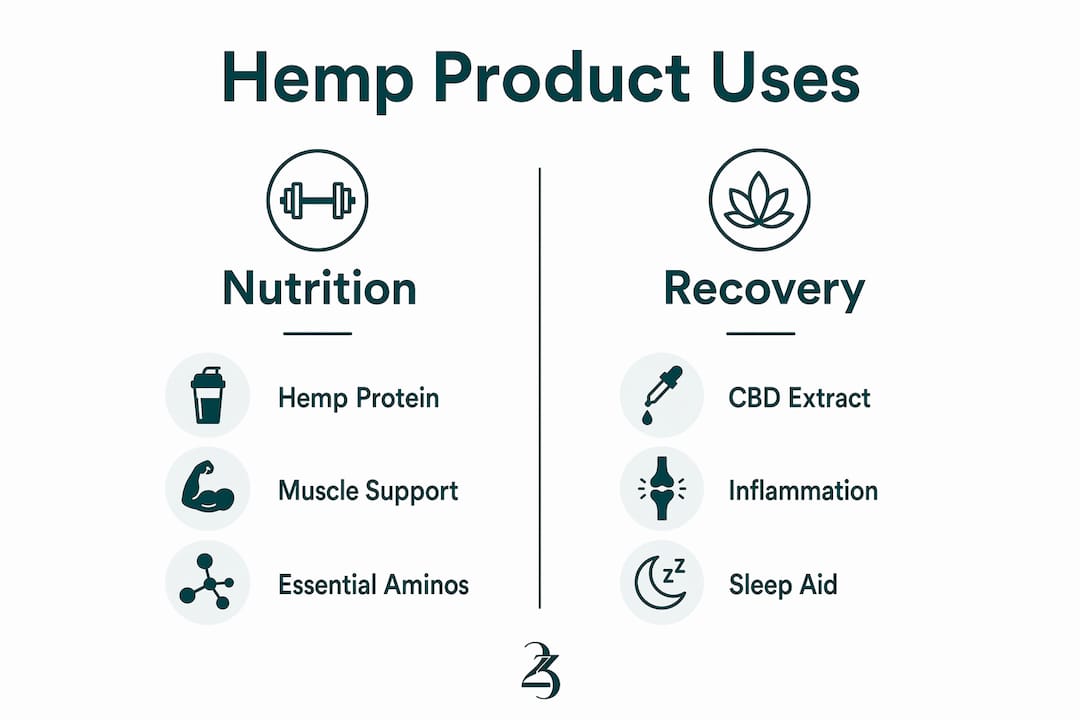
Hemp-derived CBD is the recovery-focused category. CBD (short for cannabidiol) is a non-intoxicating compound found in hemp that has been studied for its effects on pain, sleep, and post-exercise soreness. Here is a quick comparison to orient you:
| Product | Primary fitness role | Best timing |
|---|---|---|
| Hemp protein powder | Muscle repair and macro support | Post-workout or between meals |
| Hemp seeds and oil | Healthy fats, micronutrients | Any meal, pre or post-workout |
| CBD oil or capsules | Recovery comfort, sleep quality | Post-workout or evening |
| Broad-spectrum CBD | Recovery with trace cannabinoids | Use with caution (see doping note) |
- Hemp protein powder blends well with fruit, oat milk, and nut butters
- Hemp seeds can be sprinkled directly onto yogurt, oatmeal, or salads
- Hemp oil works as a salad dressing base or a smoothie add-in
- CBD products require the most careful selection, especially for competitive athletes
How to use hemp protein powder in your workout nutrition
Hemp protein powder works best when you treat it like any other protein macro. Practical hemp protein use fits naturally into smoothies, shakes, and baked recipes, making it one of the most flexible supplements in your kitchen. The key is timing and pairing it with complementary ingredients.
Here is a simple post-workout hemp smoothie that actually tastes good:
- Add 1 cup of oat milk or almond milk to a blender
- Scoop in 2 tablespoons of hemp protein powder (roughly 10 to 15 grams of protein)
- Add half a frozen banana for natural sweetness and fast-digesting carbs
- Toss in a tablespoon of hemp seeds for extra omega-3s
- Blend with a handful of spinach and a pinch of cinnamon
- Drink within 30 to 45 minutes after training for best muscle repair timing
The banana and oat milk combination matters here. Hemp protein has a slightly earthy, nutty flavor that pairs well with sweet fruit and creamy bases. On its own, it can taste flat. Pair it right and you get a bright, satisfying shake that feels like a reward after a hard session.
Pro Tip: Mix hemp protein with a fast-digesting carb source like banana or dates post-workout. Hemp protein digests more slowly than whey, so the carb pairing helps speed nutrient delivery to muscles when your window is tight.
Hemp protein also works well in overnight oats, energy balls, and pancake batter. You are not limited to shakes. The fiber content means it keeps you full longer than most protein powders, which is a genuine advantage on high-volume training days when hunger spikes between meals.
Does hemp-derived CBD actually help with recovery?
CBD’s recovery benefits are real but specific. A CBD-rich hemp extract showed medium-to-large effect sizes for reducing peak pain and strength loss within five days after exercise-induced muscle injury. That is a meaningful signal for anyone dealing with post-training soreness. The catch is that CBD appears to support recovery comfort and sleep quality more than it directly improves athletic performance.
Research from 2025 confirmed that low to moderate CBD doses of 50 mg and 300 mg did not improve endurance performance in trained runners. This means CBD is not a pre-workout stimulant or a performance booster. It belongs in your recovery window, not your warm-up.
Here is what the evidence supports for CBD in fitness recovery:
- Reduced perception of muscle soreness after intense training sessions
- Improved sleep quality, which is where most actual muscle repair happens
- Potential reduction in exercise-induced inflammation over consistent use
- No direct improvement in VO2 max, power output, or endurance metrics
Regulatory guidance from the UK Food Standards Agency sets CBD isolate safety at up to 10 mg per day for adult consumption in food supplements. That benchmark is more reliable than any marketing claim on a product label.
For competitive athletes, the doping risk is real and worth taking seriously. A 10-week trial on broad-spectrum CBD found that trace cannabinoids like CBG and CBDV appear in urine and increase post-exercise, which creates a genuine WADA compliance risk. This does not mean CBD is off-limits. It means product selection matters enormously.
What to look for when choosing hemp products for fitness
Not all hemp products are created equal, and the gap between a quality product and a poorly labeled one can affect both your results and your safety. Here is what to check before you buy:
Third-party lab testing is non-negotiable. Any reputable hemp product will have a Certificate of Analysis (COA) from an independent lab confirming cannabinoid content, heavy metal levels, and the absence of pesticides. If a brand does not publish its COA, skip it.
CBD isolate vs. broad-spectrum is the most important choice for athletes under anti-doping rules. Athletes should prefer CBD isolate over broad-spectrum products to minimize contamination risk from prohibited cannabinoids. Isolate contains only CBD. Broad-spectrum contains a range of cannabinoids, including trace amounts of THC, CBG, and CBDV that can show up on drug tests.
For hemp protein and seeds, look for:
- Organic certification to avoid pesticide residue
- Cold-pressed processing for hemp oil to preserve omega fatty acid integrity
- Clear protein-per-serving labeling (aim for at least 10 grams per serving)
- No artificial sweeteners or fillers in protein powders
Pro Tip: Use the hemp shopping checklist from 23rd State to cross-reference your product picks before purchasing. It covers the five most important quality markers in plain language.
You can also check resources like the hemp safety guide at 23rd State for a clear breakdown of novel food assessments and what safe intake looks like in practice.
Common mistakes when adding hemp to your workout routine
Most people who struggle with hemp in fitness are making one of a handful of predictable errors. Knowing them upfront saves you weeks of frustration.
- Expecting CBD to replace performance supplements. CBD does not replace creatine, beta-alanine, or caffeine. It supports recovery. Using it pre-workout and expecting a performance lift sets you up for disappointment.
- Using broad-spectrum CBD without checking your sport’s rules. If you compete under WADA or USADA guidelines, broad-spectrum products carry real risk. Prohibited cannabinoids in urine can appear after prolonged daily use even at low doses.
- Inconsistent dosing. Hemp protein works when it replaces a consistent macro source. CBD works when taken regularly during recovery windows. Sporadic use of either produces weak results.
- Ignoring the fiber load from hemp protein. Hemp protein is high in fiber. If you jump from zero to two scoops daily, your gut will notice. Start with one scoop and build up over a week.
- Skipping the COA check. Label accuracy in hemp products varies widely. A product claiming 25 mg of CBD per serving may contain significantly more or less. Always verify with the lab report.
Hemp fiber supplementation research also shows that some hemp products alter metabolic markers without producing measurable gut barrier changes. This is a reminder that subjective recovery feelings and measurable physiological changes are not always the same thing. Track your own response over two to four weeks before drawing conclusions.
Key takeaways
Hemp integrates most effectively into fitness when you use hemp protein as a direct macro source, hemp seeds and oil as daily nutritional support, and CBD isolate products during recovery windows with consistent, evidence-based dosing.
| Point | Details |
|---|---|
| Hemp protein as a macro | Treat it like whey: time it post-workout and pair with fast carbs for best absorption. |
| CBD for recovery, not performance | Research confirms CBD supports soreness and sleep, not endurance or strength output. |
| Isolate over broad-spectrum | Athletes under anti-doping rules should use CBD isolate only to avoid prohibited cannabinoid exposure. |
| Third-party testing is required | Always verify a COA before purchasing any hemp supplement for fitness use. |
| Start low on fiber | Hemp protein’s fiber content is a benefit, but increase your dose gradually to avoid gut discomfort. |
My honest take on hemp in fitness
Here is what years of paying attention to this space have taught me: hemp is genuinely useful in fitness, but it is not magic. The athletes who get the most out of it are the ones who treat it like any other nutrition tool. They are consistent, they read labels, and they have realistic expectations.
The CBD recovery conversation is where I see the most confusion. People come in expecting a dramatic shift in soreness or sleep and then abandon it after two weeks because they do not feel transformed. The research on cannabinoids for recovery shows genuine promise, but the effects are subtle and cumulative. Think of it like magnesium or tart cherry extract. You probably will not feel it on day one. You will notice it after a month of consistent use.
Hemp protein is the easier win. If you are already using protein powder, swapping in hemp protein a few times a week is low-risk and adds nutritional variety your body actually benefits from. The omega-3 content and fiber are real advantages that most protein powders do not offer.
My recommendation for newcomers: start with hemp seeds in your morning smoothie or oatmeal, add hemp protein powder post-workout two or three times a week, and if you want to explore CBD, start with a low-dose isolate product in the evening after your hardest training days. Give it four weeks before you evaluate. That is the honest, grounded approach.
— Leah Kollross, founder, 23rd State
Explore hemp wellness with 23rd State
Ready to put this into practice? 23rd State brings the same intentional, quality-first approach to hemp that you bring to your training.
23rd State’s hemp-derived products are crafted with the kind of care that fitness-minded people actually appreciate: clean ingredients, clear labeling, and a lifestyle vibe that fits whether you are winding down after a long run or mixing up a post-lift smoothie. Explore the full range at 23state.com and find the products that match your recovery rhythm. From hemp-infused edibles to lifestyle accessories, 23state makes it easy to weave hemp wellness into the routine you have already built. Check out the hemp benefits guide to go deeper on nutrition, wellness, and what hemp can genuinely do for your active life.
FAQ
What is the best hemp product for post-workout recovery?
Hemp protein powder and CBD isolate are the two most useful post-workout hemp products. Hemp protein supports muscle repair, while CBD isolate may reduce soreness and improve sleep quality during recovery.
Does hemp protein have all essential amino acids?
Yes. Organic hemp seed protein contains all essential amino acids along with fiber and omega-3 fatty acids, making it a complete and gut-friendly protein source for athletes.
Can athletes use CBD without failing a drug test?
Athletes under WADA or USADA rules should use CBD isolate only. Broad-spectrum CBD products can leave detectable traces of prohibited cannabinoids like CBG and CBDV in urine after prolonged daily use.
How much CBD is safe to take daily for fitness recovery?
The UK Food Standards Agency assesses CBD isolate as safe up to 10 mg per day for adults in food supplements. Start at the lower end and adjust based on your personal response over several weeks.
Will CBD improve my endurance or strength performance?
No. Clinical research found that CBD doses of 50 mg and 300 mg did not improve endurance performance in trained runners. CBD supports recovery and sleep, not direct athletic output.
