

TL;DR:
- Hemp is legally defined as cannabis containing less than 0.3% THC, making it non-intoxicating at typical doses. Despite common misconceptions, hemp and marijuana differ greatly in THC levels, uses, and legal status, with hemp being a safe, legal crop under federal law. Accurate regulation, third-party testing, and understanding individual state laws are essential for safely enjoying hemp products.
Hemp is legally defined as cannabis containing less than 0.3% THC by dry weight, making it botanically distinct from marijuana and incapable of causing intoxication at normal serving sizes. Yet common hemp misconceptions persist everywhere, from dinner tables to social feeds, keeping curious people from exploring one of the most versatile and enjoyable plant categories on the market. Whether you’ve heard that hemp gets you high, that it’s unregulated, or that all cannabinoids are the same, the reality is far more nuanced and far more interesting. Here’s what the science, law, and labels actually say.
1. Common hemp misconceptions start here: hemp and marijuana are the same plant
Hemp and marijuana are both Cannabis sativa, but they are bred for entirely different purposes and regulated under completely different legal frameworks. Think of them like two cousins who share a last name but live very different lives. Hemp contains under 0.3% THC, while recreational marijuana typically contains 5% to 30% THC. That gap is enormous in practical terms.
The legal distinction matters because it determines what products can be sold, where, and to whom. In the U.S., the Farm Bill established hemp as an agricultural commodity, separating it from the Controlled Substances Act. Understanding the hemp vs. marijuana difference is the foundation for clearing up almost every other myth on this list.
Key botanical and legal differences at a glance:
- THC content: Hemp is under 0.3% THC; marijuana ranges from 5% to 30% THC
- Legal status: Hemp is federally legal under the Farm Bill; marijuana remains a Schedule I substance federally
- Primary uses: Hemp is used in textiles, food, construction, and beverages; marijuana is used recreationally and medicinally
- Regulation: Hemp products face FDA and USDA oversight; marijuana is regulated state by state
2. Hemp gets you high
Hemp does not produce intoxication at standard serving sizes. The THC concentration is simply too low to trigger the psychoactive effects associated with marijuana. This is one of the most stubborn hemp myths debunked repeatedly by researchers and regulators alike, yet it keeps circulating.
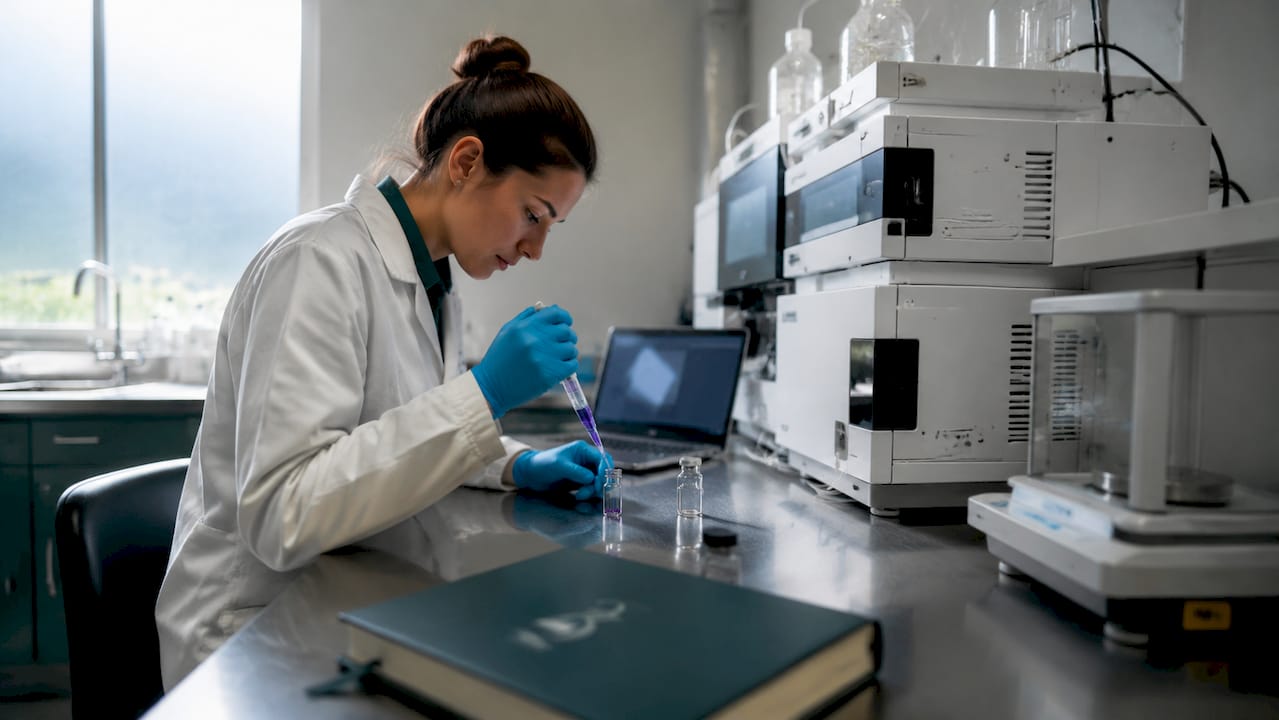
Here’s where it gets interesting, though. A 0.3% THC concentration in a large hemp beverage can exceed 1,000 mg of THC if you scale up the volume enough. That’s why regulators are moving away from percentage-based limits toward absolute milligram limits per serving. The percentage alone doesn’t tell the full story.
Starting in November 2026, new federal rules limit THC in finished hemp products to 0.4 milligrams per serving. This shift from plant-level percentages to product-level milligrams is a major compliance change for the hemp beverage industry. It means a well-dosed hemp drink like those from 23rd State is designed to deliver a gentle, intentional experience, not an accidental one.
- Percentage vs. milligrams: 0.3% THC in a large drink can still add up to a significant dose if the serving size is huge.
- Serving size is everything: A 12 oz can with 5 mg THC is a very different product than a 32 oz bottle with 0.3% THC.
- New 2026 rules: Federal limits now cap THC at 0.4 mg per serving in finished products, tightening the standard significantly.
- Responsible dosing: Reputable brands like 23rd State clearly label THC per serving so you always know what you’re getting.
Pro Tip: Always check the milligrams of THC per serving on the label, not just the percentage. A low percentage in a large product can still deliver more THC than you expect.
3. All hemp products are safe because hemp is natural
Natural does not automatically mean safe, and this is one of the most important misunderstandings about hemp that consumers need to hear. Hemp is a bioaccumulator, meaning it actively absorbs pesticides, heavy metals, and other toxic compounds from the soil it grows in. A hemp plant grown in contaminated soil can concentrate those toxins in the final product.
The hemp market also has a real mislabeling problem. Without mandatory federal testing requirements across all product categories, some products on shelves contain more or less cannabinoid content than the label claims. This isn’t a reason to avoid hemp. It’s a reason to shop smart.
Here’s what to look for when choosing a hemp product:
- Certificate of Analysis (COA): Insist on a COA from a third-party lab that verifies cannabinoid content and screens for contaminants
- Accredited labs: Look for testing from ISO-certified or DEA-registered laboratories
- Batch-specific testing: The COA should match the lot number on your product, not just a generic brand test
- Contaminant panels: The COA should screen for pesticides, heavy metals, residual solvents, and microbials
Pro Tip: Scan the QR code on your hemp product’s packaging. Reputable brands link directly to the batch-specific COA so you can verify exactly what’s in your can or bottle before you crack it open.
The hemp safety picture is genuinely positive when sourcing and testing are done right. The problem is the gap between brands that do it right and those that cut corners.
4. Delta-8 THC is always mild and risk-free
Delta-8 THC is a hemp-derived cannabinoid that appears naturally in cannabis at very low levels. It’s often marketed as a gentler, legal alternative to Delta-9 THC. That framing is misleading. Delta-8 often appears in high doses in unregulated hemp products, producing unexpected psychoactive effects that catch first-time users off guard.
The Delta-8 you find in many gas station gummies or unbranded vapes is typically synthesized from CBD through a chemical conversion process. That process can leave behind harmful byproducts if not properly purified. Understanding what Delta-8 actually is and how it differs from naturally occurring cannabinoids is critical before you try any product featuring it.
Delta-8 is also caught in a legal gray zone. Some states have explicitly banned it, while others allow it under hemp provisions. The 2026 federal milligram limits apply to all THC isomers, which means Delta-8 products face the same new scrutiny as Delta-9 products. If you’re new to hemp beverages, starting with a clearly labeled, low-dose Delta-9 product from a transparent brand is a smarter entry point.
5. Hemp is a new wellness trend
Hemp has been cultivated for thousands of years, maturing in 90 to 100 days and serving uses in textiles, food, rope, and construction across ancient civilizations in China, Egypt, and Europe. Calling it a trend misses a few millennia of history. What’s new is the modern regulatory framework and the explosion of consumer products built around hemp-derived cannabinoids.
The wellness framing is also a bit reductive. Hemp beverages aren’t just a health product. They’re a social one. A chilled SHAKE from 23rd State at a backyard gathering or a Blush Crush at brunch is about enjoyment, connection, and a relaxed good time. The wellness angle is real, but the celebration angle is just as valid.
6. Hemp is fully legal everywhere in the U.S.
This is one of the most persistent common hemp fallacies, and it has real consequences. Federal legalization under the Farm Bill does not override state law. Hemp laws vary significantly by state, with regulations on production, sale, transport, and specific cannabinoids creating a genuinely complex patchwork. What’s legal to buy in Minnesota may be restricted or banned in another state.
The legal status of hemp in 2025 and 2026 is evolving fast. Here’s a snapshot of how regulations differ across key categories:
| Product type | Federal status | State variation |
|---|---|---|
| Hemp flower | Legal federally | Banned in several states |
| CBD oils and tinctures | Legal federally | Restricted in some states |
| Hemp-derived beverages | Legal federally | Varies by state licensing |
| Delta-8 THC products | Legal federally (for now) | Banned in 20+ states |
| Hemp edibles | Legal federally | Requires state-specific compliance |
Legal confusion remains widespread even among retailers and producers, not just consumers. The safest approach is to verify your state’s specific rules before purchasing or transporting hemp products across state lines.
7. 23rd State beverages vs. the competition: why dosing transparency wins
The hemp beverage category includes brands like Cann, Cycling Frog, Wynk, and Hi5, each offering different dose levels, flavor profiles, and price points. Here’s how they compare on the factors that matter most to a first-time hemp drinker:
| Brand | THC per serving | Flavor variety | Price per mg THC | Transparency |
|---|---|---|---|---|
| 23rd State SHAKE | 5 mg | High | Competitive | COA linked on site |
| Cann | 2 mg | High | Higher per mg | COA available |
| Cycling Frog | 5 mg | Moderate | Competitive | COA available |
| Wynk | 2.5 mg | Moderate | Moderate | COA available |
| Hi5 | 5 mg | Moderate | Competitive | COA available |
23rd State’s SHAKE, FRESH PRESS, and Blush Crush lines are designed for exactly the kind of intentional, relaxed enjoyment that makes hemp beverages shine. The THC content stays well within the new 2026 federal milligram limits, the flavors are bright and social-ready, and the quality and safety standards are built into every batch. For someone new to the category, a 5 mg SHAKE is the kind of gentle, enjoyable entry point that makes you want to come back for another round.
Key takeaways
The most reliable way to navigate hemp products in 2026 is to read the milligrams per serving, verify the COA, and choose brands that publish their testing results openly.
| Point | Details |
|---|---|
| Hemp is not marijuana | Hemp contains under 0.3% THC and cannot intoxicate at standard serving sizes. |
| Milligrams matter more than percentage | New 2026 federal rules cap THC at 0.4 mg per serving in finished products. |
| Safety requires third-party testing | Always request a batch-specific COA to verify cannabinoid content and screen for contaminants. |
| Delta-8 carries real risks | High-dose Delta-8 products can produce unexpected psychoactive effects and face new federal scrutiny. |
| State laws vary widely | Federal hemp legality does not guarantee state-level compliance; always check local regulations. |
What I’ve learned from watching hemp myths hold people back
Every week, someone tells me they’re curious about hemp beverages but nervous because they “don’t want to get high” or “heard it’s not really legal.” Both concerns are understandable. Both are rooted in outdated or incomplete information.
The hemp facts vs. myths conversation has genuinely shifted in the last two years. The 2026 milligram-based federal limits are a sign that regulators are taking product-level dosing seriously, which is good news for consumers who want clarity. But the education gap between what the law says and what people believe is still wide.
What I find most exciting about this moment is that hemp beverages like SHAKE and Blush Crush are doing the work of demystifying the category just by existing. When you crack one open at a Friday gathering and your friend asks what it is, that’s a conversation. That’s how misconceptions actually get cleared up. Not through policy papers, but through shared experience and honest labels.
My honest advice: start low, read the label, ask for the COA, and enjoy the ride. Hemp beverages at their best are a joyful, social, and genuinely chill way to unwind. Don’t let old myths keep you from something this good.
— Leah Kollross, founder. 23rd State
Explore 23rd State hemp beverages
Ready to experience hemp the right way? 23rd State crafts hemp-derived beverages built for real moments: Friday wind-downs, sunny brunches, and celebrations worth savoring.
SHAKE delivers a bright, refreshing 5 mg THC experience with flavors designed to sparkle in a glass. Blush Crush brings a rose-tinted, lightly effervescent vibe perfect for social sipping. FRESH PRESS keeps it clean and citrus-forward for those who like their refreshment crisp. Every product is batch-tested, transparently labeled, and crafted to stay well within 2026 compliance standards. Explore the full lineup at 23state.com and find your new favorite way to celebrate.
FAQ
Is hemp legal in the United States?
Hemp is federally legal under the Farm Bill when it contains less than 0.3% THC, but state laws vary significantly and some states restrict or ban specific hemp products like Delta-8 or hemp flower.
Will a hemp beverage get me high?
A properly dosed hemp beverage with 5 mg THC or less will not produce the intense intoxication associated with marijuana. The experience is mild, relaxed, and intentional when you follow the serving size on the label.
What is a Certificate of Analysis and why does it matter?
A Certificate of Analysis (COA) is a third-party lab report that verifies the cannabinoid content and screens for contaminants like pesticides and heavy metals. Insisting on a COA before buying any hemp product is the single most effective way to protect yourself from mislabeled or contaminated products.
What changes in hemp regulation are coming in 2026?
New federal rules effective November 2026 will limit THC in finished hemp products to 0.4 milligrams per serving, shifting the standard from plant-level percentages to absolute milligrams in the final product.
Is Delta-8 THC safe to try?
Delta-8 THC is not automatically safe or mild. It can appear in high doses in unregulated products and produce significant psychoactive effects. If you’re new to hemp, start with a clearly labeled, low-dose Delta-9 product from a transparent brand rather than an unregulated Delta-8 item.
